
In the ever-evolving world of automobile retail, the balance of power is shifting. From longstanding local hubs to expansive regional enterprises, the changing currents driven by financial pressures, consumer expectations, and technological advancements are reshaping how and where people purchase their next ride.
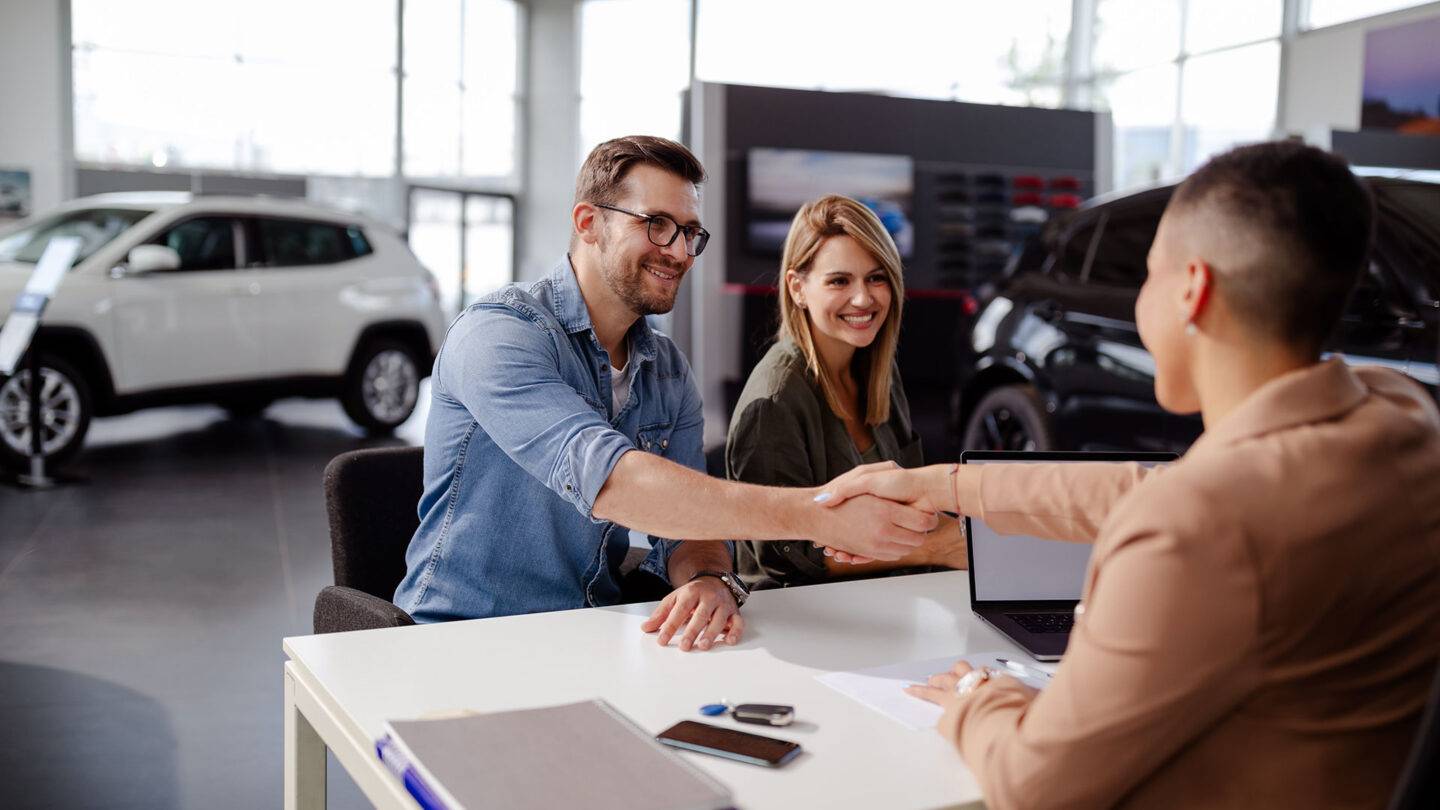
In the ever-evolving world of automobile retail, the balance of power is shifting. From longstanding local hubs to expansive regional enterprises, the changing currents driven by financial pressures, consumer expectations, and technological advancements are reshaping how and where people purchase their next ride.
The Rise of Strategic Consolidation
From Family Shops to Organized Groups
A significant seismic shift is occurring within the automotive sales industry. Historically, the market was dominated by small, town-specific dealerships often run by single families. Today, these independent entities are increasingly integrating, evolving into large-scale groups that represent entire regions. The primary driver behind this growth is highly strategic mergers and acquisitions (M&A). Unlike expansion phases of the past where businesses might have opened new locations indiscriminately, modern ownership is meticulously focused on "return on investment."
Management teams are now exercising extreme caution, selecting profitable locations and high-value brands to add to their portfolios. By acquiring family-run groups that have built trust in their communities over decades, these emerging conglomerates establish a robust operational foundation. This strategy allows them to maintain the "local neighbor" feel that customers appreciate while operating with the financial stamina and efficiency of a major corporation. Consequently, a new breed of leadership is emerging—one that balances the warmth of community presence with the logistical power of a national enterprise.
Mastering Inventory in a Fluctuating Market
The growth of these regional powerhouses is also underpinned by a sharp eye for brand selection and inventory management. In an era where market prices fluctuate unpredictably and trade policies or tax regulations regarding imports remain opaque, successful groups manage risk by anchoring their business with reliable brands known for high resale value and low failure rates.
Furthermore, as consumer preferences drift from traditional gasoline engines toward hybrids and fully electric options, these retailers are curating lineups that specifically match the lifestyle needs of their operational areas. Rather than blindly chasing global trends, they focus on stocking "practical vehicles" that serve daily needs alongside "aspirational cars" that local demographics actually desire. This ability to secure the right stock at the right time acts as the engine for their continued growth. Despite the scale of operations and the influx of data, the core strength of these groups remains the human connection. Successful dealerships use data analytics behind the scenes to streamline operations, but on the showroom floor, they prioritize face-to-face relationships, offering emotional value and peace of mind that purely digital national chains struggle to replicate.
| Feature | Traditional Dealership Model | Modern Consolidated Group Model |
|---|---|---|
| Inventory Scope | Limited to what fits on the local lot; restricted brand variety. | Access to regional shared inventory across multiple locations and brands. |
| Pricing Strategy | Often relied on individual negotiation and hidden margins. | focused on competitive, data-driven pricing and transparency. |
| Customer Focus | Transaction-based; focused on closing the immediate sale. | Relationship-based; focused on lifetime value and service retention. |
| Resilience | Vulnerable to local economic downturns or brand-specific slumps. | Diversified portfolio buffers against market volatility. |
The Digital Shift and Hybrid Buying Experiences
Bridging the Gap Between Online and Offline
The automotive industry is witnessing a quiet but dramatic overhaul of the traditional "visit, view, and negotiate" process. The direct-to-consumer model, pioneered largely by emerging electric vehicle manufacturers, has challenged the status quo by bypassing intermediaries entirely. This approach significantly reduces fixed costs associated with running physical storefronts and managing massive on-site inventories. These savings are often passed down to the consumer through better vehicle features or stabilized pricing. Moreover, the ability to collect and analyze real-time data on driving habits and preferences allows these companies to predict regional demand accurately, ensuring efficient supply and demand balance.
However, existing community-based dealerships are not standing still. Many are transitioning to a "hybrid" service model that blends online convenience with offline security. Modern consumers often prefer to select options and simulate monthly payments on a website before ever stepping foot in a store. To accommodate this, retailers are deploying virtual showrooms and advanced configurators that replicate the in-store experience at home. This preparation means that when a customer finally visits, their time is spent on valuable experiences like test drives and final verification, rather than administrative tasks.
Streamlining the Back Office
The evolution of technology is perhaps most visible in the post-decision process, particularly regarding loan approval and contracting. Historically, the mountain of paperwork and the agonizing wait for credit checks were significant sources of stress for buyers. Today, digital platforms connecting financial institutions and dealerships have smoothed these friction points remarkably.
Pre-approvals via web portals and the widespread acceptance of electronic signatures have drastically reduced the time customers spend waiting in the dealership lounge. For the retailer, tools that visualize a customer's interest level through data allow for more precise proposals. With the burden of clerical work lifted, sales staff can return to their primary function: consulting with the customer. This shift not only improves operational efficiency but significantly boosts customer satisfaction, as the interaction becomes more about solving transportation needs and less about processing forms.
Adapting to Economic Realities and New Technologies
Navigating Costs and Consumer Transparency
Recent market environments, characterized by fluctuating interest rates and shifting trade policies, place undeniable pressure on local auto businesses. Changes in tariffs on imported vehicles or specific parts can directly compress profit margins. Consequently, sales models that worked flawlessly in the past are being forced to adapt as procurement costs rise and loan approvals become stricter for consumers.
In this climate, the focus has shifted from chasing raw sales volume to prioritizing profitability and turnover per unit. During periods of economic uncertainty, retailers are moving resources away from high-risk inventory toward models and franchises with steady, proven demand. Simultaneously, consumer behavior is evolving; there is a distinct demand for "pricing transparency." The old tactics of opaque pricing or surprise fees at closing are no longer tolerated. Shoppers arrive armed with online research, expecting the "fair price" to be presented immediately. To survive, dealerships must offer clear accounting and align their inventory with the budgetary realities of their customers, proposing vehicles that offer genuine utility and value for money.
The Electric Transition and Service Revenue
The wave of electrification is undeniably crashing onto the shores of local retail. With electric vehicles (EVs) and plug-in hybrids capturing a growing share of the market, showrooms are diversifying. Interestingly, data suggests that once a consumer switches to an EV, their loyalty to the powertrain is high, with few reverting to gasoline. This shift is accompanied by a change in how people pay for cars. Leasing is surging in popularity, particularly for EVs, as consumers seek to avoid the risks associated with rapid technological obsolescence and fluctuating resale values.
Crucially, the "profit pillar" for dealerships is also transforming. While selling cars remains the headline activity, the service department—handling repairs and maintenance—has become the financial backbone of the business. Although EVs require fewer oil changes, they demand specialized maintenance for complex electronics and battery systems. As vehicle longevity increases and repair costs rise, consumers are placing a premium on dealerships that offer robust technical support. For the buyer, choosing a retailer is no longer just about the lowest sticker price; it is about securing a partner capable of maintaining the vehicle's health over the long term.
| Decision Factor | Buying/Financing | Leasing |
|---|---|---|
| Ownership | You own the vehicle and keep it as an asset once paid off. | You essentially rent the vehicle for a fixed term (2-3 years). |
| Technology Risk | You bear the risk of technology becoming outdated. | You can upgrade to the latest tech and safety features every few years. |
| Depreciation | You absorb the loss in vehicle value over time. | The depreciation risk is largely handled by the leasing company. |
| Usage Limits | No mileage restrictions; freedom to modify the car. | Strict mileage caps and potential fees for wear and tear. |
Q&A
What advantages do Neighborhood Auto Sellers offer compared to larger dealerships?
Neighborhood Auto Sellers often provide a more personalized customer service experience. They are typically more flexible in negotiations and may offer unique incentives to attract local buyers. Additionally, being part of the community, they often have a reputation to uphold, which can lead to higher quality service and trustworthiness.
How can Regional Vehicle Retailers impact the local economy?
Regional Vehicle Retailers contribute to the local economy by creating jobs and supporting local businesses through partnerships and sourcing. They also generate sales tax revenue, which can be reinvested into community projects and infrastructure improvements, thereby enhancing the overall economic health of the area.
What are the benefits of purchasing from Community Car Sales?
Community Car Sales often have a better understanding of the local market demands and can provide vehicles that are well-suited to the area's driving conditions and preferences. They also tend to offer community-focused services, such as local maintenance packages or loyalty programs, which can add value for buyers.
In what ways do Area Auto Businesses differentiate themselves from national chains?
Area Auto Businesses differentiate themselves by offering tailored customer experiences, understanding local needs, and fostering long-term relationships with customers. They may also carry unique or specialized inventory that caters specifically to local tastes and preferences, which national chains might not provide.
How does the Local Automotive Market influence consumer choices?
The Local Automotive Market influences consumer choices by shaping the availability and variety of vehicles. Factors such as regional economic conditions, local preferences, and market trends can dictate what types of vehicles are popular or readily available. Consumers often rely on local market insights provided by nearby sellers to make informed purchasing decisions.