
Choosing a vehicle for pulling duties involves more than just checking the numbers on a chart. Assessing the full potential requires understanding how various mechanical components interact to ensure a safe journey. From selecting mechanical attachments to evaluating temperature management, multiple factors govern overall performance.
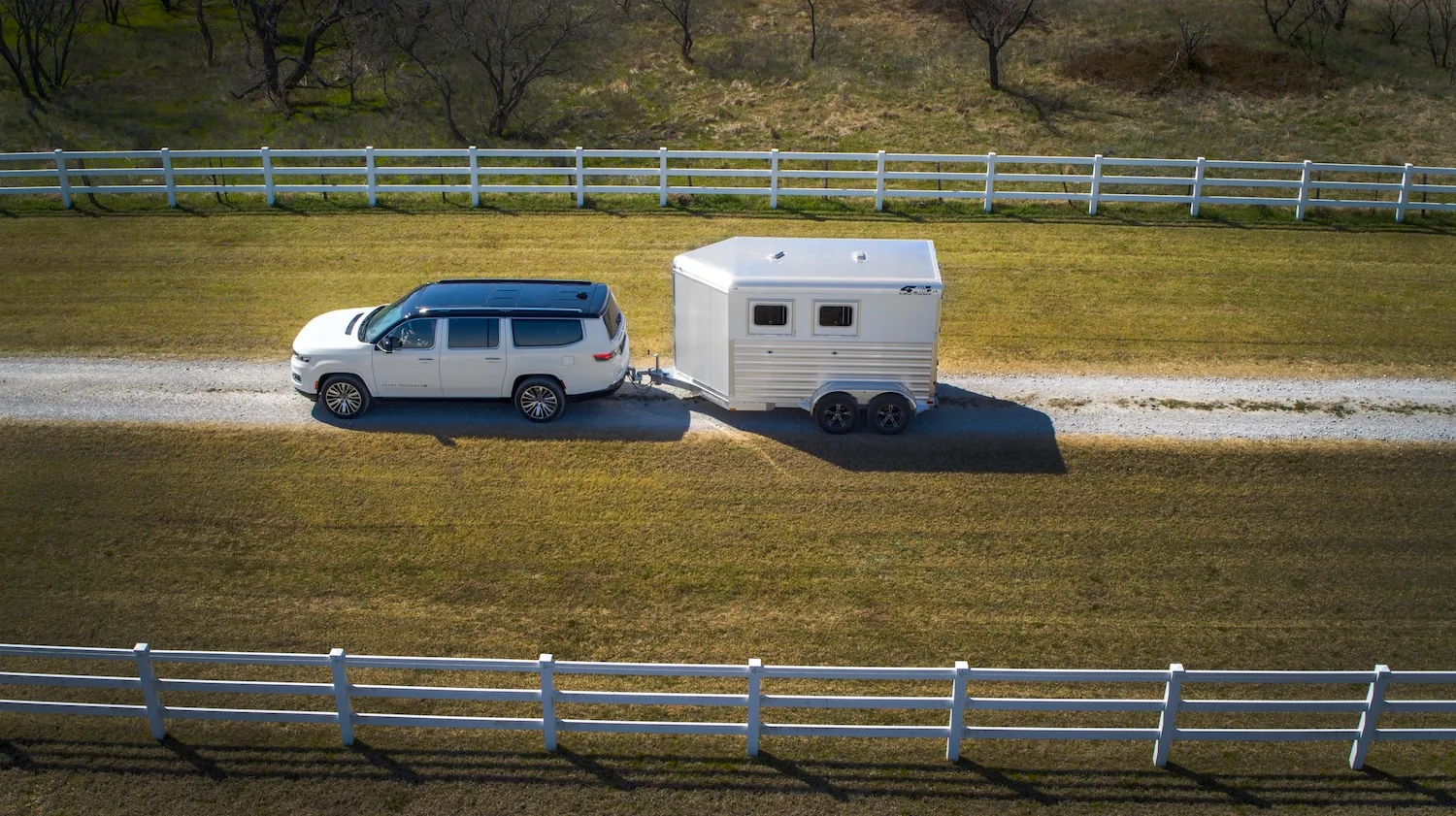
Choosing a vehicle for pulling duties involves more than just checking the numbers on a chart. Assessing the full potential requires understanding how various mechanical components interact to ensure a safe journey. From selecting mechanical attachments to evaluating temperature management, multiple factors govern overall performance.
The Hidden Battle Against Heat and Mechanical Stress
Protecting the Powertrain Under Pressure
When a vehicle is tasked with moving substantial extra mass, the physical demands placed on the powertrain escalate dramatically. While many drivers focus solely on the engine's ability to accelerate, the silent and often more critical battle is fought within the cooling systems. Pulling a load up a gradient or maintaining highway speeds creates a continuous high-load state that standard driving cycles rarely replicate. In this scenario, the engine oil and, more critically, the transmission fluid are susceptible to rapid temperature spikes. The transmission is essentially churning fluid to transfer power; under a heavy load, this friction generates immense heat. If the fluid degrades due to overheating, internal gears can slip or fail entirely.
Structural Integrity and Suspension Dynamics
Balancing the Pivot Point
The connection point between the vehicle and the load is where physics can become a driver's greatest enemy. A common misconception is that if the engine can pull the weight, the vehicle is ready for the road. However, the suspension and chassis dynamics play an equally vital role. When a trailer is coupled, a specific amount of weight pushes down on the rear of the vehicle, known as tongue weight. This force acts on the rear axle like a fulcrum on a seesaw. If the rear suspension compresses too significantly, the front of the vehicle lifts. This is dangerous because the front tires provide steering control and a significant portion of braking power.
If the front tires lose sufficient contact with the road due to this leverage effect, the steering becomes vague and unresponsive, and braking stability is compromised. Even a robust SUV with a ladder-frame chassis can suffer from this imbalance if the weight distribution is incorrect. To counteract this, modern setups often utilize weight-distributing hitches or self-leveling air suspension systems. These technologies work to keep the vehicle level, ensuring that weight is distributed evenly across all four tires. This preserves the geometry of the suspension and ensures that the vehicle handles predictably, rather than being pushed around by the momentum of the load behind it.
| Feature | Factory Standard Suspension | Dedicated Towing/Air Suspension |
|---|---|---|
| Load Management | Relies on standard springs; prone to rear sagging under heavy tongue weight. | Automatically adjusts ride height or utilizes stiffer spring rates to maintain a level stance. |
| Steering Response | Steering may become light or floating as the front end lifts. | Maintains factory steering geometry and tire contact patch for consistent control. |
| Ride Comfort | Can feel bouncy or unstable ("porpoising") over uneven road surfaces. | Dampens vertical motion effectively, reducing driver fatigue on long journeys. |
| Suitability | Best for light, occasional loads like small utility trailers or bike racks. | Essential for heavy loads like caravans, horseboxes, or large boats. |
Deciphering Hitch Classes and Equipment Limits
The hardware that physically connects the two units is often the most overlooked component in the safety equation. It is imperative to understand that the receiver hitch attached to the vehicle has its own independent weight rating, which may differ from the vehicle's maximum capacity. Hitches are categorized by classes (typically I through V), each designed for specific weight ranges and receiver tube sizes. Installing a Class II hitch on a vehicle capable of Class IV work creates a dangerous weak point; the metal may shear or bend under forces it was not engineered to withstand.
Furthermore, the rise of electric and aerodynamic-focused SUVs has introduced new considerations for equipment selection. Many modern vehicles feature underbody aerodynamic panels or rear-mounted battery packs that can interfere with traditional hitch mounting points. "Stealth" hitches, which allow the receiver mechanism to be detached or hidden behind the bumper when not in use, are becoming increasingly popular. These preserve the vehicle's aesthetic and aerodynamic efficiency—crucial for maintaining range in EVs—while providing a secure connection point. Regardless of the type chosen, the equipment must meet rigorous standards (such as SAE protocols) and be installed with proper wiring harnesses that integrate with the vehicle's lighting and stability control systems.
The Reality of Payload and Power Delivery
The Payload Trap vs. Pulling Power
A critical distinction that often confuses owners is the difference between what a vehicle can pull behind it and what it can carry within it. The "Maximum Towing Capacity" listed in marketing materials assumes a mostly empty vehicle. However, in the real world, families load up their SUVs with passengers, luggage, camping gear, and pets. Every pound of cargo inside the vehicle reduces the available capacity for tongue weight. This is known as the payload limit. If a vehicle has a 1,500 lb payload capacity and carries 800 lbs of passengers and gear, only 700 lbs remain for the trailer tongue weight. Exceeding this compromises the axles and tires, regardless of how powerful the engine is.
Correctly calculating this balance is essential for legal compliance and safety in both the UK and the US. An overloaded vehicle is sluggish to react, harder to stop, and prone to mechanical breakage. Drivers must view the vehicle and trailer as a single system where weight in one area affects the capacity of another. Prioritizing payload management often means choosing between carrying that extra heavy cooler in the trunk or loading it into the trailer to maintain the correct weight distribution on the vehicle's axles.
| User Profile | Recommended Priority | Ideal Vehicle Characteristics |
|---|---|---|
| The Weekend Adventurer | Versatility & Efficiency | Unibody construction (crossovers) with moderate torque. Focus on "Stealth" hitches to preserve daily aesthetics and fuel economy. Best for small campers or jet skis. |
| The Heavy Hauler | Stability & Cooling | Body-on-frame design with a long wheelbase. High-displacement or diesel engines with auxiliary transmission coolers. Essential for large caravans or horse trailers. |
| The EV Adopter | Aerodynamics & Integration | Electric SUVs with integrated software that adjusts range estimates based on load. High torque allows easy pulling, but drag drastically reduces range. |
Torque Delivery and the Driving Experience
Beyond the static numbers of weight and capacity lies the dynamic feel of the drive. The experience of hauling a heavy load varies significantly depending on the engine's torque curve and the chassis design. While horsepower grabs headlines, low-end torque is what actually gets a heavy load moving from a standstill and keeps it maintaining speed on an incline without screaming at high RPMs. Small displacement turbocharged engines may boast high numbers, but they often need to rev aggressively to access that power, leading to a frantic and noisy driving experience. In contrast, larger displacement engines or electric motors provide "instant" torque, allowing for smooth, confident acceleration that inspires driver confidence.
The chassis construction also dictates the "feel" of the drive. Traditional body-on-frame SUVs generally offer a sense of solidity and isolation from the trailer's movements, whereas unibody crossovers might transmit more of the trailer's shudders through the cabin. Modern technology has bridged this gap somewhat with electronic sway control, which uses the vehicle’s braking system to gently correct minor oscillations before they become dangerous. Ultimately, the best towing vehicle is one that provides a stable, predictable platform, allowing the driver to remain relaxed and in control, rather than constantly fighting the steering wheel to keep the combination in a straight line.
Q&A
What factors determine the towing capability of an SUV?
The towing capability of an SUV is primarily determined by its engine torque, cooling systems, and hitch types. Engine torque provides the necessary power to move the trailer, while an efficient cooling system ensures the vehicle does not overheat under the added strain of towing. The hitch type must be compatible with the weight of the trailer to ensure safe and effective towing.
How do tow ratings influence the choice of an SUV for towing?
Tow ratings provide a guideline for the maximum weight an SUV can safely tow. These ratings are essential when selecting an SUV for towing because they help ensure that the vehicle can handle the weight of the trailer and its contents without compromising safety or performance. It's crucial to consider both the gross trailer weight and tongue weight when evaluating tow ratings.
What is the role of trailer stability in safe towing?
Trailer stability is critical for safe towing as it prevents swaying and fishtailing, which can lead to accidents. Stability can be enhanced by using weight distribution hitches and sway control devices. Proper loading of the trailer, ensuring that weight is evenly distributed and not exceeding the rated capacity, also plays a significant role in maintaining stability.
Why is engine torque important for towing with an SUV?
Engine torque is vital for towing because it provides the pulling power necessary to move the trailer, especially when accelerating or climbing hills. Higher torque allows for smoother towing and less strain on the vehicle's engine and transmission, making it a key factor in determining an SUV's towing efficiency and capability.
What safety considerations should be taken into account when towing with an SUV?
Safety considerations for towing with an SUV include ensuring the vehicle's tow ratings are not exceeded, using the appropriate hitch type, and maintaining trailer stability. Additionally, regular maintenance of the vehicle's brakes, tires, and cooling systems is essential to handle the increased demands of towing. Drivers should also be aware of their surroundings, including road conditions and weather, to adjust their driving accordingly.