
Navigating the world of larger automobiles reveals a harmonious balance of comfort and practicality. These vehicles expertly blend generous living quarters with the clever transformation of seating arrangements, artisanal design, and intuitive layouts, embodying a sanctuary on wheels for diverse journeys, from daily errands to cross-country explorations.
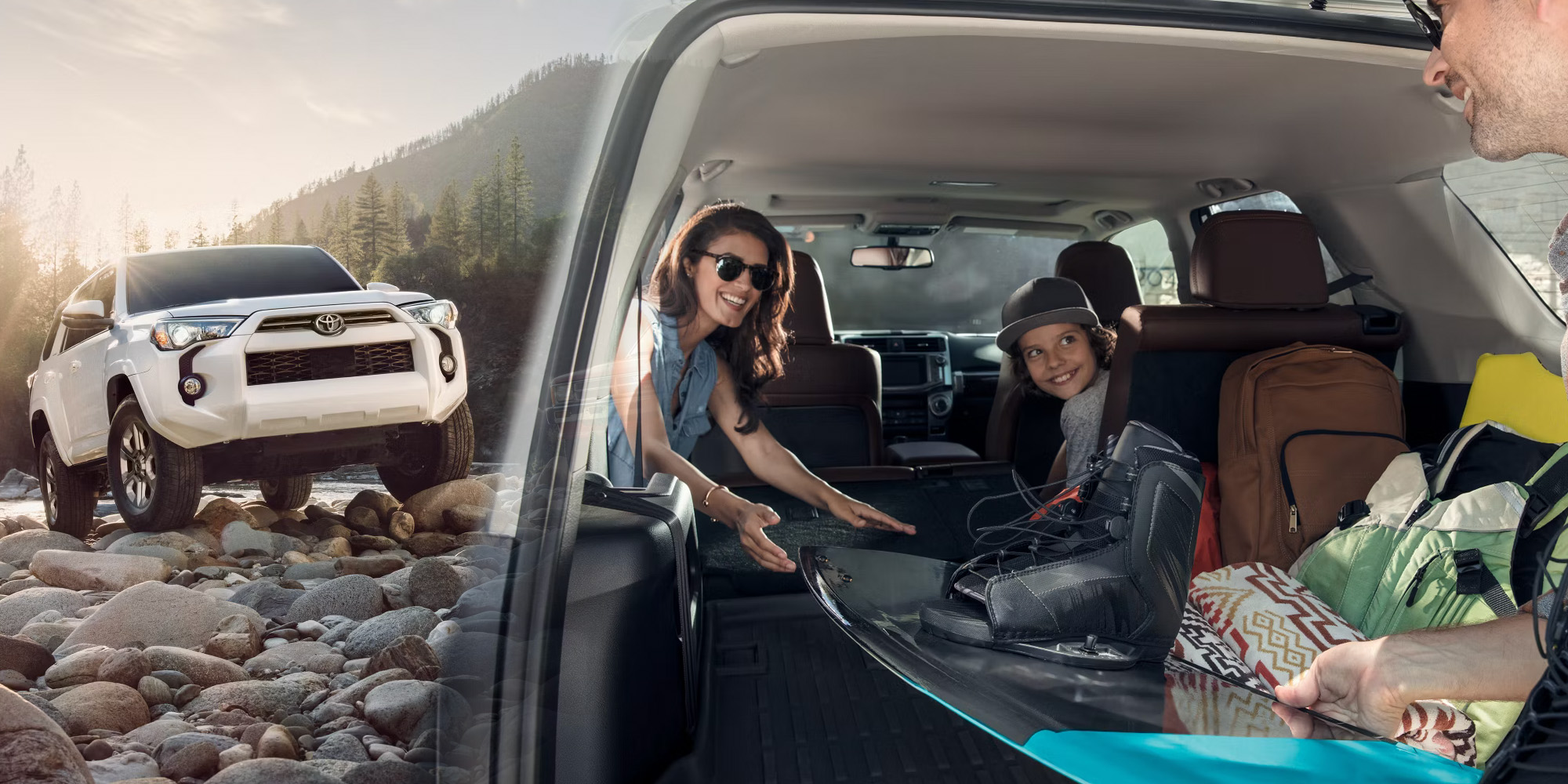
Navigating the world of larger automobiles reveals a harmonious balance of comfort and practicality. These vehicles expertly blend generous living quarters with the clever transformation of seating arrangements, artisanal design, and intuitive layouts, embodying a sanctuary on wheels for diverse journeys, from daily errands to cross-country explorations.
Reimagining the Cabin: The Mechanics of Versatility
The Magic of Adaptable Seating Arrangements
In the modern automotive landscape, the interior of a vehicle has evolved from a static seating area into a dynamic environment designed to fulfill specific purposes. The true brilliance of today’s larger vehicles lies in their transformative capabilities, particularly in models featuring three rows of seats. This configuration offers the ultimate adaptability: it functions as a high-capacity people hauler for school runs or outings with extended family, yet it can instantly convert into a utility vehicle. By folding down the third and second rows, owners unlock a cavernous area ready to swallow everything from renovation supplies to camping gear.
A critical aspect of this versatility is the engineering focus on creating a perfectly flat surface. When the rear seats are folded, the resulting floor in many contemporary models creates a bed-like plane. This isn't just about total volume; it is about usability. A flat floor allows for the easy sliding of heavy furniture or long items without them catching on hinges or bumps. For outdoor enthusiasts, this flat surface often doubles as a sleeping area, eliminating the need for a tent during weekend getaways. Designers have meticulously worked to ensure that the transition between "passenger mode" and "cargo mode" is seamless, minimizing gaps and uneven surfaces that could damage goods or reduce usable height. This structural ingenuity turns the vehicle into a multi-purpose tool, ready for whatever the weekend schedule demands.
Prioritizing Personal Room and Relaxed Travel
While maximum capacity is a selling point for many, there is a distinct luxury in opting for models that prioritize the quality of space over the quantity of seats. Mid-size vehicles designed with two rows often offer superior comfort for individual passengers compared to their three-row counterparts. By foregoing the third row, engineers can push the second row further back, creating limousine-like legroom. This design philosophy shifts the focus from "how many people can we fit" to "how comfortable can we make them," allowing adults to cross their legs and relax fully, even on long cross-country drives.
Beyond legroom, these configurations often unlock hidden utility. Without the mechanism of a third seat folding into the floor, these vehicles frequently feature substantial under-floor compartments. These hidden bins are perfect for stowing muddy hiking boots, emergency kits, or valuable electronics that need to be kept out of sight. This "hidden cellar" approach helps maintain a pristine cabin aesthetic, as clutter is tucked away beneath the deck. For couples or small families who enjoy long-distance touring, this setup offers a compelling blend of open living space and organized storage, proving that sometimes, subtracting a row of seats actually adds to the overall experience of luxury and ease.
Mastering Organization: Order within the Volume
Utilizing Vertical Space and Dead Zones
Even with a massive trunk, a common frustration for drivers is the accumulation of small, loose items that roll around the cabin. Groceries, children's toys, and maintenance tools can quickly turn a spacious interior into a chaotic mess. To combat this, savvy owners are increasingly turning to vertical storage solutions that utilize the back of the front seats. These organizers, which typically hang from the headrest, transform what is essentially "dead air" into a highly functional control center for rear passengers.
These accessories are designed with specific categorization in mind. Mesh pockets can hold water bottles or wet wipes for easy access, while zippered compartments can secure tablets or charging cables. By lifting these items off the floor, the footwells remain clear, preserving legroom and making it easier to vacuum the carpets later. This approach is particularly beneficial for families; it gives children their own designated pockets for snacks and entertainment, reducing the "are we there yet" stress. Furthermore, keeping the floor clear ensures that if you need to suddenly load a large box or suitcase, you don't have to spend five minutes clearing away debris first. It is a simple addition that significantly upgrades the functionality of the living space.
| Storage Solution | Primary Function | Best Used For |
|---|---|---|
| Seat-Back Organizer | Vertical storage maximization | Kids' tablets, water bottles, wipes, and snacks. |
| Under-Floor Bin | Secure, hidden containment | Emergency tools, muddy shoes, or valuables. |
| Visor/Console Grid | Quick-access retention | Sunglasses, parking passes, charging cables, and pens. |
| Side-Wall Pockets | Anchoring small essentials | Flashlights, first-aid kits, or quart bottles of oil. |
Conquering the Center Console and Trunk Chaos
The center console is often the command center of the vehicle, yet in many larger models, it is designed as a deep, cavernous bucket. While the volume is impressive, it often leads to the "black hole" effect where keys, coins, and phones disappear into the abyss, never to be found when needed. A highly effective solution gaining popularity is the use of tiered tray inserts. These aftermarket or factory-accessory trays divide the deep box into two levels: a top tray for daily essentials like sunglasses and lip balm, and a lower level for infrequently used items like registration papers or spare cables. This simple stratification turns a frustrating bin into an organized drawer system.
Similarly, the rear cargo area requires active management to prevent goods from shifting during transit. The sound of a melon rolling across the trunk or a toolbox sliding into the wheel well is a distraction no driver wants. Elasticated cargo nets are the unsung heroes here. By anchoring items to the floor or the rear seatback, these nets create a secure zone for groceries and sports equipment. Additionally, fitting a custom cargo liner acts as a barrier against spills and scratches. These rubberized mats are molded to the exact contours of the vehicle, ensuring that a spilled gallon of milk or a muddy dog doesn't ruin the factory carpeting. These organizational tools are about peace of mind—knowing that everything is secure allows the driver to focus entirely on the road.
Durability and Design: Built for the Active Life
Materials That withstand the Elements
For those who view their vehicle as a basecamp for adventure, the durability of interior materials is just as critical as the physical dimensions of the cabin. The days of worrying about staining delicate fabrics are fading, as manufacturers increasingly adopt high-tech, resilient materials designed for abuse. Modern interiors often feature synthetic leathers and advanced textiles that offer the premium feel of traditional leather but with hydrophobic properties. This means wet swimsuits, muddy paws, or spilled juice boxes can be wiped away with a simple damp cloth, leaving no trace behind.
This evolution extends to the flooring and cargo areas as well. Many adventure-focused models now come equipped with resin or rubberized flooring in the trunk, and sometimes even in the passenger cabin. Unlike carpet, which traps odors and dirt, these surfaces can be easily scrubbed or even hosed down in extreme cases. The plastic components in these areas are also engineered to be scratch-resistant, capable of withstanding the scraping of mountain bike pedals or camping stove edges. This shift in material science acknowledges that a vehicle shouldn't just look good in the showroom; it needs to maintain its composure after years of hiking trips, beach days, and hardware store runs. It is a fusion of rugged utility and modern aesthetics.
The Evolution of Power and Accessibility
The modern large vehicle has transitioned from a mere transporter to a mobile power station. One of the most significant upgrades in recent years is the proliferation of power accessibility throughout the cabin. It is no longer just about a single 12V socket in the front; today’s vehicles are equipped with USB-C ports in every row and, crucially, standard AC power outlets in the cargo area. This capability changes the nature of travel. You can inflate an air mattress, power a portable refrigerator for a tailgate party, or keep a laptop charged for remote work, all directly from the vehicle’s battery.
| Feature | Lifestyle Benefit | Typical Application |
|---|---|---|
| AC Power Outlet | "Wall plug" capability on the go | Laptops, air pumps, portable fridges, or drone chargers. |
| USB-C Ports (Rear) | Device independence for all | Keeping kids' tablets and phones charged on long trips. |
| Hands-Free Liftgate | Effortless access | Loading groceries or gear when both hands are full. |
| Cargo LED Lighting | Enhanced visibility | Nighttime loading, camping prep, or finding lost gear. |
Furthermore, the physical accessibility of the space has been enhanced through technology. Hands-free power liftgates, which open with a wave of a foot under the bumper, have become indispensable for parents and travelers loading heavy gear. Inside, the architecture of Electric Vehicles (EVs) has introduced completely flat floors by removing the transmission tunnel, creating a sense of openness previously impossible. This creates more foot room for the middle passenger and allows for more creative storage solutions between the front seats. Combined with panoramic sunroofs that flood the cabin with natural light, these features make the interior feel less like a machine and more like an airy, well-equipped living room.
Q&A
What factors contribute to the interior space of an SUV?
The interior space of an SUV is influenced by several factors, including the vehicle's overall design, the arrangement of seats, and the use of advanced materials that allow for a more spacious cabin. Innovations in car design, such as more compact engine configurations and slimmer seat structures, also contribute to maximizing interior space without sacrificing vehicle performance.
How does cargo capacity vary among different SUVs, and why is it important?
Cargo capacity in SUVs can vary significantly depending on the model and make. This capacity is crucial for those who need to transport large items or travel with a lot of luggage. Larger SUVs tend to offer more cargo space, but compact and mid-size models often feature clever storage solutions and adjustable seating to enhance their cargo capabilities. The ability to fold seats flat can dramatically increase usable space for transporting goods.
What are some common folding seat configurations in SUVs, and how do they enhance cabin flexibility?
Common folding seat configurations in SUVs include 60/40 split-folding rear seats, flat-folding front passenger seats, and third-row seats that can be stowed away. These configurations allow for various combinations of passenger seating and cargo space, enhancing cabin flexibility. This adaptability is ideal for accommodating both passengers and cargo, making it easier to adjust the interior layout for different travel needs.
Why is passenger legroom an important consideration in SUV design?
Passenger legroom is critical for comfort, especially on long journeys. Ample legroom can prevent fatigue and discomfort, making the ride more enjoyable for all occupants. Designers often prioritize legroom by optimizing seat positioning and footwell space, ensuring that even taller passengers can travel comfortably.
How do storage solutions in SUVs contribute to travel convenience?
SUVs often incorporate a variety of storage solutions, such as under-floor storage compartments, door pockets, and center console bins, which contribute to travel convenience by allowing passengers to keep personal items organized and easily accessible. These solutions are particularly valuable for families or individuals who require a tidy and efficient way to store items during travel.