
Navigating the complexities of densely packed streets and bustling traffic requires a keen focus on vehicle choice, especially when size and efficiency are crucial. With dynamic handling and practical functionality, certain vehicles offer modern urban dwellers a harmonious blend for their daily journeys in the cityscape.
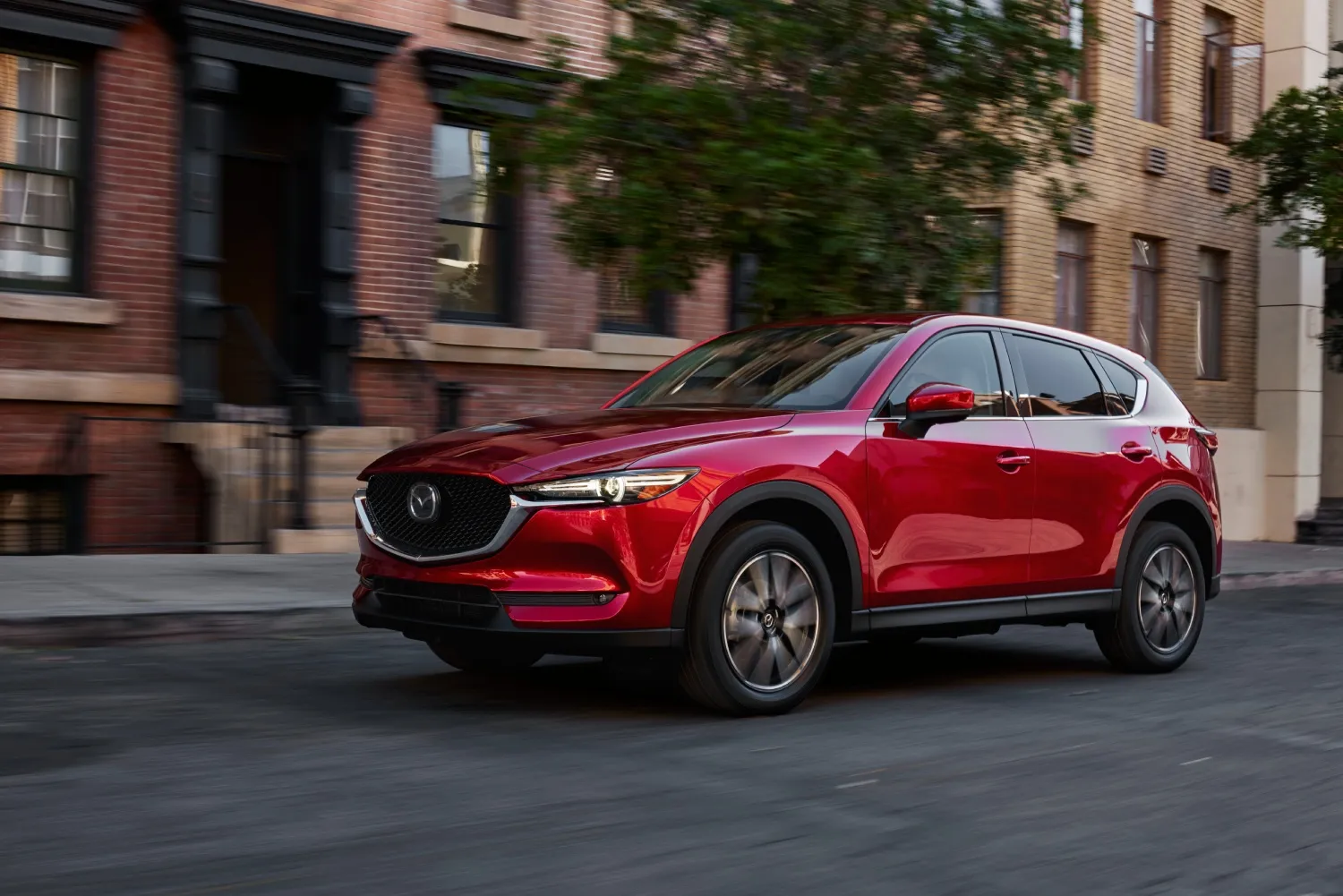
Navigating the complexities of densely packed streets and bustling traffic requires a keen focus on vehicle choice, especially when size and efficiency are crucial. With dynamic handling and practical functionality, certain vehicles offer modern urban dwellers a harmonious blend for their daily journeys in the cityscape.
The "Goldilocks" Dimensions for City Living
Mastering the Art of the Tight Squeeze
For anyone living in a metropolitan area, the daily battle for parking is a familiar source of anxiety. Whether it is attempting to slot into a narrow parallel space on a busy avenue or navigating the spiraling ramps of a cramped multi-story garage, the physical footprint of your vehicle dictates your stress levels. This is where the modern compact crossover shines, offering a "just right" solution that bridges the gap between cramped hatchbacks and unwieldy full-sized trucks. These vehicles are engineered to maximize interior volume while keeping the exterior dimensions tidy, allowing drivers to capitalize on spaces that larger vehicles simply have to pass by.
The appeal lies in the geometry. Unlike older utility vehicles that felt like steering a boat through a canal, contemporary city-oriented models feature short overhangs—the distance between the wheels and the bumper. This design choice not only improves the aesthetic but drastically reduces the guesswork involved in cornering and parking. When you turn the wheel in a tight alleyway or attempt a U-turn on a two-lane street, the responsiveness and tighter turning circle become immediately apparent. It transforms the driving experience from a chore into something far more manageable, giving drivers the confidence to navigate congested shopping districts or school drop-off zones without the fear of scraping a bumper or curbing a wheel.
| Feature Comparison | Compact City Crossover | Traditional Sedan | Full-Size Utility Vehicle |
|---|---|---|---|
| Parking Ease | High: Short overhangs and high seating aid judgment. | Moderate: Lower seating can make judging corners harder. | Low: Length and width limit available spaces. |
| Cargo Flexibility | Excellent: Vertical space and folding seats accommodate boxy loads. | Limited: Trunk structure restricts bulky items. | Superior: Massive capacity, but often overkill for daily use. |
| Turning Circle | Tight: Designed specifically for urban maneuverability. | Good: Generally agile, depending on wheelbase. | Wide: Requires three-point turns in narrow streets. |
| Cabin Entry | Easy: Hip-point is usually at natural standing height. | Harder: Requires bending down to enter. | Mixed: May require a step up to enter. |
Elevated Perspectives and Situational Awareness
The Defensive Advantage of a Higher Viewpoint
One of the most frequently cited reasons for choosing a taller vehicle in an urban environment is the command driving position. In the chaotic flow of city traffic, where cyclists, pedestrians, delivery trucks, and erratic drivers share the asphalt, vision is synonymous with safety. Sitting slightly higher than the average sedan driver provides a distinct tactical advantage: the ability to see over the roof of the car in front of you. This extended line of sight allows you to anticipate brake lights several cars ahead, spot changing traffic signals earlier, and identify potential hazards before they become immediate threats.
This elevated eye point is not just about looking forward; it changes how a driver interacts with the immediate surroundings. In heavy congestion, being able to make eye contact with other drivers or pedestrians at crosswalks facilitates better non-verbal communication, which is often the grease that keeps city traffic moving. Furthermore, the psychological effect of sitting higher cannot be overstated. It creates a sense of separation from the noise and grit of the road surface, fostering a calmer mindset even when gridlocked.
However, this height advantage must be managed with an understanding of modern chassis dynamics. Historically, tall vehicles were prone to body roll—leaning heavily into corners—which could be unsettling in quick city maneuvers. Today’s automotive engineering has largely solved this. By utilizing stiffer platforms and lower centers of gravity (often aided by battery placement in hybrid models), manufacturers have created taller cars that handle with the agility of a sporty hatchback. The suspension is tuned to absorb the sharp jolts of potholes and expansion joints common in decaying urban infrastructure, ensuring that the ride remains composed. This combination of a commanding view and car-like agility reduces the mental fatigue associated with stop-and-go driving, making the daily commute significantly less draining.
Balancing Fuel Economy with Urban Reality
Breaking the Gas-Guzzler Myth
For decades, the prevailing wisdom was that driving a utility vehicle in the city was an act of financial and environmental negligence. The boxy shapes were aerodynamic disasters, and heavy frames decimated fuel economy, especially in stop-and-go traffic. However, the narrative has shifted dramatically with the advent of advanced propulsion technologies. The modern urban driver no longer has to choose between space and efficiency; thanks to the widespread adoption of hybrid and mild-hybrid powertrains, many crossovers now rival or exceed the city mileage of traditional economy cars.
The secret weapon for city driving is the electric motor found in hybrid systems. Combustion engines are notoriously inefficient at low speeds, burning fuel just to idle at lights or inch forward in traffic. Hybrids flip this script. In the gridlock of a downtown rush hour, these vehicles often operate largely on electric power, shutting off the gas engine entirely during idle and low-speed crawling. Moreover, the frequent braking inherent to city driving—red lights, stop signs, pedestrian crossings—becomes a source of energy through regenerative braking. This captures kinetic energy that would otherwise be lost as heat and stores it in the battery, ready to power the next acceleration.
Nevertheless, physics still applies. While technology mitigates the penalty, weight is the enemy of efficiency. If a driver treats the cavernous cargo area as a permanent storage locker, hauling around golf clubs, strollers, and emergency kits that aren't needed, mileage will suffer regardless of the engine type. Furthermore, the "brick-like" aerodynamics, while less relevant at 20 mph, do impact efficiency on urban freeways or ring roads. Therefore, the most economical approach to owning these vehicles involves a combination of smart purchasing—opting for hybrids or smaller turbo engines—and mindful usage, such as clearing out unnecessary cargo and adopting a smooth driving style that maximizes the benefits of modern transmission logic.
| Consideration | Benefit for Urban Driver | Potential Drawback |
|---|---|---|
| Hybrid Systems | Silent operation in traffic; captures energy from frequent braking. | Higher upfront purchase cost compared to standard gas models. |
| Stop-Start Tech | Reduces emissions and fuel waste while waiting at lights. | Can feel jerky or hesitant in some non-hybrid implementations. |
| Body Weight | Heavier build often translates to a safer, more solid feel. | Increases wear on tires and brakes; slight penalty in fuel use. |
| Aerodynamics | Boxy shape maximizes interior headroom and cargo volume. | increased wind noise and drag at highway speeds outside the city. |
The Hidden Challenges of Visibility
Navigating Blind Spots and Pillar Thickness
While the elevated seating position offers a superior view down the road, it introduces a specific set of challenges regarding close-range visibility. A paradox of modern automotive design is that as cars have become safer, they have also become harder to see out of in certain directions. To meet stringent crash-safety regulations, the pillars that support the roof (specifically the A-pillars framing the windshield and the C/D-pillars at the rear) have become significantly thicker. In a suburban driveway, this might not be noticeable, but at a busy city intersection, a thick A-pillar can completely obscure a pedestrian or a cyclist crossing the street.
This "blind spot" issue is compounded by the very design that makes these vehicles look rugged: high beltlines and tall hoods. A high hood might look imposing, but it creates a larger frontal blind zone, making it difficult to spot low obstacles like concrete bollards, parking blocks, or even small animals directly in front of the bumper. This requires drivers to adjust their spatial awareness. Unlike in a low-slung car where the corners are often visible, driving a taller vehicle in tight quarters requires an intuitive sense of where the bodywork ends.
To counteract these physical limitations, the industry has integrated a suite of digital eyes. It is becoming increasingly rare to find a city-focused vehicle without a backup camera, but the truly valuable tech for urbanites goes further. Surround-view monitor systems, which stitch together camera feeds to create a bird's-eye view of the car, are indispensable for parallel parking against high curbs. Similarly, cross-traffic alert sensors act as a second pair of eyes when backing out of blind driveways. However, technology should not replace physical verification. Experienced urban drivers learn to "bob and weave" in their seats—moving their heads to look around the thick pillars before committing to a turn. Relying solely on mirrors or sensors can be risky in a dynamic environment; mastering the physical sightlines of the specific vehicle is the only way to truly mitigate the inherent trade-offs of the sturdy, protective design.
Q&A
What are the benefits of driving SUVs in urban environments?
SUVs offer several advantages in urban environments, including improved visibility due to their elevated seating position, which allows drivers to see over smaller vehicles and anticipate traffic conditions better. Additionally, many modern SUVs come with advanced driver assistance systems that enhance city maneuverability, making them more adaptable to tight urban streets.
How does parking size affect the practicality of SUVs in cities?
Parking size is a significant consideration when driving SUVs in urban areas. While larger SUVs can provide more passenger and cargo space, they may struggle to fit into compact parking spaces commonly found in cities. Drivers often need to weigh the benefits of interior space against the challenges of finding suitable parking.
What are some fuel use considerations for daily commuting with SUVs?
Fuel consumption is a practical tradeoff when using SUVs for daily commuting, as they typically consume more fuel than smaller vehicles. However, advancements in hybrid and electric SUV models are helping to mitigate this issue by offering better fuel efficiency and reduced emissions, making them a more sustainable choice for city driving.
In what ways do SUVs offer visibility advantages in city driving?
The higher driving position of SUVs provides drivers with enhanced visibility, allowing for better observation of road conditions and potential hazards. This elevated view can be particularly beneficial in congested urban environments, where being able to see further ahead can improve reaction times and overall safety.
What are the practical tradeoffs of using SUVs for daily commuting in cities?
While SUVs offer benefits like increased visibility and safety features, they also present tradeoffs such as higher fuel costs, difficulties with parking, and potentially reduced maneuverability in tight urban spaces. Commuters need to consider their specific needs, such as cargo space versus ease of parking, when deciding if an SUV is the right choice for their urban lifestyle.