
As interest in versatile and family-friendly vehicles grows, many are drawn to options that blend space and cost efficiency. Recent reports highlight models that deliver not just on the road presence, but also on factors like energy usage, resale potential, and overall satisfaction for new motorists.
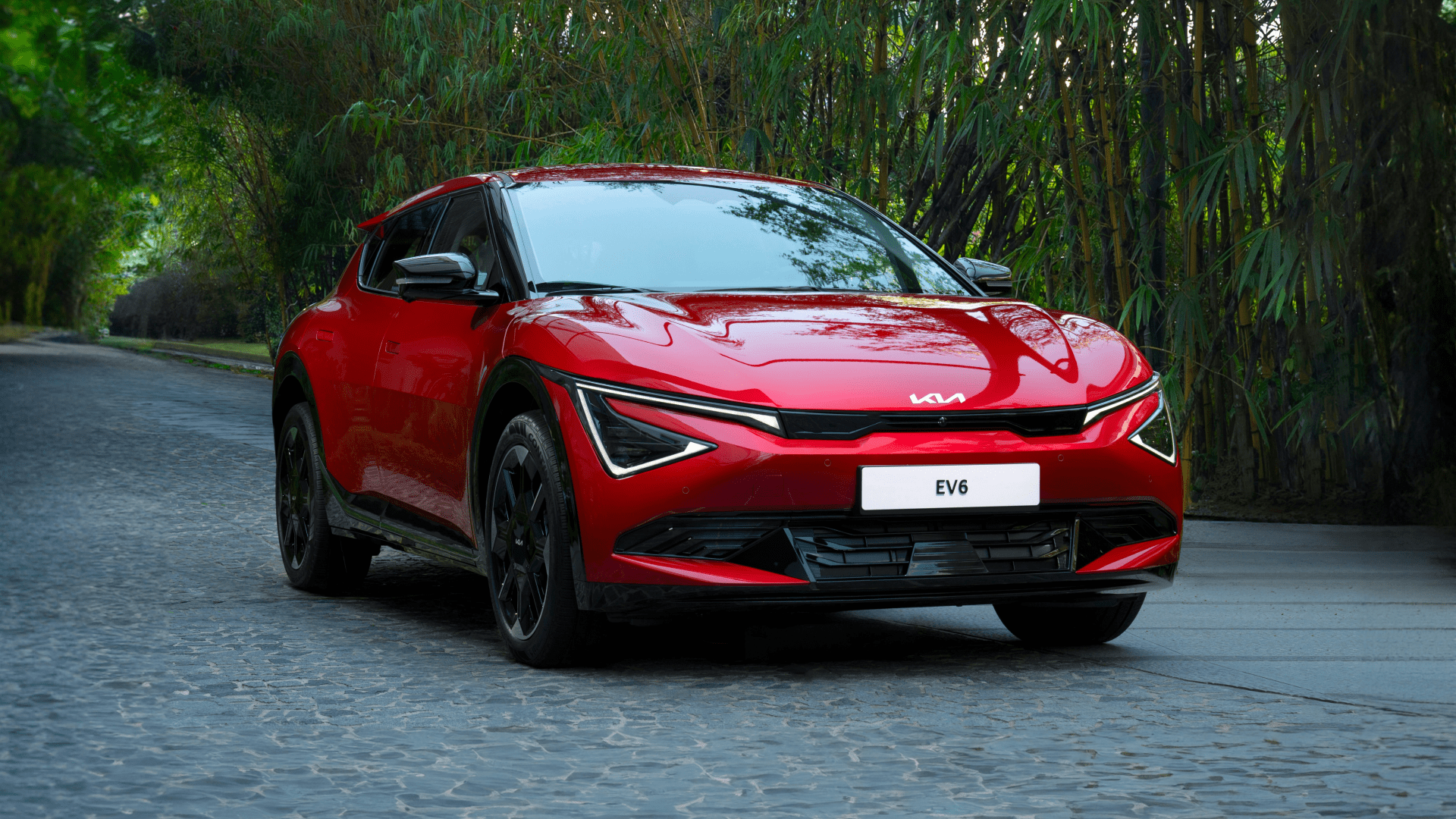
As interest in versatile and family-friendly vehicles grows, many are drawn to options that blend space and cost efficiency. Recent reports highlight models that deliver not just on the road presence, but also on factors like energy usage, resale potential, and overall satisfaction for new motorists.
Balancing Cost and Value: Exploring the Best Budget SUVs for First-Time Buyers
As interest in versatile and family-friendly vehicles grows, many are drawn to options that blend space and cost efficiency. Recent reports highlight models that deliver not just on road presence, but also on factors like energy usage, resale potential, and overall satisfaction for new motorists.
Weighing Size, Efficiency, and Power
Finding the Sweet Spot Between Space and Fuel Economy
For many drivers stepping into the world of sport utility vehicles for the first time, the immediate challenge is determining exactly how much vehicle is actually necessary. Transitioning from a compact sedan or hatchback to a larger vehicle offers an undeniable appeal: a higher seating position, significantly more cargo capacity, and a sense of improved safety. However, this upgrade comes with physical realities. A larger chassis naturally incurs greater aerodynamic drag and heavier curb weight, factors that have historically penalized fuel economy. Therefore, evaluating the efficiency of the powertrain becomes just as critical as measuring legroom.
A significant shift in the market is the increasing accessibility of hybrid technology within entry-level segments. Modern hybrids bridge the gap between utility and economy, offering the torque needed for smooth acceleration from a stop while maintaining mileage figures that rival much smaller cars. While the upfront purchase price of a hybrid variant may be marginally higher than its gasoline-only counterpart, the reduction in daily running costs often offsets this difference over a few years of ownership. Beyond the engine, buyers should look for models that balance interior comfort with exterior manageability. A vehicle that feels cavernous on the inside but remains nimble enough to park in tight city spaces represents the ideal compromise for daily driving, ensuring that the "utility" aspect does not become a burden on your wallet or your driving experience.
The Compact Segment: Balancing Quality with Feature Density
In the search for an economical ride, the compact crossover segment is often the first stop. Here, buyers are often presented with a distinct philosophical choice: prioritize mechanical refinement and brand reputation, or prioritize a wealth of features and modern technology. Some manufacturers, particularly those with a long-standing history in the segment, focus on engineering excellence. In these models, your money pays for a sophisticated suspension setup, high-quality cabin materials, and a powertrain known for lasting hundreds of thousands of miles. These vehicles might not have the largest touchscreens on the base model, but they promise a high resale value and a driving feel that inspires confidence.
| Comparison Factor | Feature-Focused Models | Reliability-Focused Models |
|---|---|---|
| Primary Appeal | High volume of tech and comfort amenities at a lower entry price. | Proven mechanical longevity and superior driving dynamics. |
| Depreciation | Tend to lose value faster initially, making them great used buys. | Retain value well, resulting in higher resale prices later. |
| Standard Equipment | Often includes large screens, safety suites, and connectivity as standard. | Base models may be sparse; higher trims required for luxury features. |
| Best Suited For | Buyers who want the latest gadgets and maximum warranty coverage. | Owners planning to keep the vehicle for 10+ years or resell for cash. |
Strategic Purchasing: New, Used, or Certified?
Navigating Depreciation and the Certified Pre-Owned Advantage
One of the most financially savvy moves a buyer can make is acknowledging the reality of depreciation. A brand-new vehicle typically experiences its steepest drop in value the moment it leaves the dealership lot. For the budget-conscious, the pre-owned market offers a way to bypass this initial financial hit. However, the fear of inheriting someone else's mechanical problems is a valid concern. This is where Certified Pre-Owned (CPO) programs bridge the gap. CPO vehicles are not merely "used"; they have undergone rigorous multi-point inspections mandated by the manufacturer and often come with extended warranties that rival new car coverage.
Choosing a CPO vehicle often allows a buyer to step up in class or trim level. For the same price as a base-model new car with cloth seats and plastic trim, one might acquire a three-year-old CPO model featuring leather upholstery, a panoramic sunroof, and a more powerful engine. Furthermore, automakers frequently incentivize these sales with subsidized interest rates that are significantly lower than standard used-car loans. When calculating the total cost of ownership, it is crucial to look beyond the monthly payment. A slightly older vehicle that has already taken its major depreciation hit will cost far less to own over three years than a new vehicle that loses 20-30% of its value in the first year alone.
Understanding Market Gaps and Negotiation Tactics
Successful vehicle acquisition often comes down to timing and understanding market anomalies. Not all SUVs depreciate at the same rate, and this variance creates opportunities. Some models are incredibly popular when new but saturate the used market a few years later, driving down their pre-owned prices. Conversely, vehicles with limited production runs might hold their value stubbornly high. By researching the "days on market" for specific models, a buyer can identify which cars dealers are desperate to move. A vehicle that has been sitting on a lot for over 60 days is a prime candidate for aggressive price negotiation, regardless of its sticker price.
Additionally, looking at "lease returns" can uncover hidden gems. These are vehicles that were driven for a fixed period (usually three years) under strict mileage and maintenance contracts. They are generally in excellent condition. When shopping, it is also wise to compare the "out-the-door" price of a high-trim used car against a mid-trim new car. Sometimes, manufacturer rebates, cash-back offers, and special financing on new inventory can narrow the gap enough to make buying new the smarter choice. The key is flexibility; being open to a slightly different color, year, or model than originally planned can unlock thousands of dollars in savings that rigid buyers miss out on.
Practical Considerations for Families and Finances
Assessing Utility: Seating, Cargo, and Long-Term Reliability
For families, the definition of "value" shifts from pure economics to everyday usability. The temptation to buy the largest vehicle possible is strong, especially with the marketing push for three-row SUVs. However, paying for a third row that is rarely used adds weight, reduces fuel economy, and often compromises cargo space when the seats are up. For a family of four, a spacious two-row mid-size SUV often provides superior legroom and a larger, more usable trunk for strollers and groceries than a cramped three-row model. Smart buyers assess their actual annual usage—how often do you really carry seven people?—rather than buying for a hypothetical "what if" scenario.
Reliability and warranty coverage are also tangible financial factors. A vehicle with a lower purchase price but a poor reliability record can quickly become the most expensive option due to repair costs and downtime. This is where manufacturer warranties play a massive role in the value equation. Some brands offer powertrain warranties that extend up to 10 years, essentially insulating the owner from major repair bills for the life of the loan. When comparing costs, one must factor in the "peace of mind" value. An SUV that costs slightly more upfront but guarantees a decade of worry-free driving is often the more prudent financial investment than a cheaper rival with a short warranty period.
The Leasing Alternative: Lowering Monthly Overheads
For those prioritizing cash flow over asset ownership, leasing presents a compelling alternative to traditional financing. When you buy a car with a loan, you are paying for the entire value of the vehicle plus interest. When you lease, you are essentially only paying for the depreciation that occurs during the time you drive it, plus a rent charge (money factor). This structural difference typically results in significantly lower monthly payments, allowing drivers to access newer, safer, and more fuel-efficient models that might otherwise be out of their budget range. This is particularly advantageous in the SUV segment, where prices have trended upward.
| Feature | Leasing | Buying (Financing) |
|---|---|---|
| Monthly Cost | Generally lower; you only pay for the depreciation used. | Higher; you are paying off the entire vehicle value. |
| Maintenance | Minimal; vehicle is usually under factory warranty for the duration. | Increases over time as the vehicle ages and warranty expires. |
| Flexibility | Low; trapped in a contract with mileage caps and wear-and-tear fees. | High; drive as much as you want, modify the car, or sell it anytime. |
| End of Term | Return the car and walk away, or buy it for the residual price. | You own the asset and can drive it payment-free for years. |
Q&A
What are some affordable SUV options for first-time buyers?
For first-time buyers, affordable SUVs like the Hyundai Kona, Kia Seltos, and Ford EcoSport offer a great blend of value and practicality. These models typically feature reliable performance, good fuel economy, and a range of standard features, making them ideal for those on a budget.
How do budget SUV models compare in terms of value?
Budget SUV models can vary significantly in terms of value. Key factors to consider include fuel efficiency, available safety features, resale value, and warranty coverage. Models like the Honda HR-V and Toyota RAV4 often stand out due to their reliability and comprehensive feature sets, offering good long-term value.
What should be considered when evaluating the used SUV market?
When exploring the used SUV market, consider the vehicle's history, mileage, and condition. It's important to verify maintenance records and perform a thorough inspection or have a trusted mechanic evaluate the SUV. Additionally, consider the availability of spare parts and the model's reputation for longevity.
What are the ownership costs associated with affordable SUVs?
Ownership costs for affordable SUVs include insurance, fuel, maintenance, and potential repairs. While these vehicles are generally economical, factors like insurance premiums can vary based on the driver's profile and location. Regular maintenance costs can be minimized by choosing a model known for reliability and low-cost parts.
Why are practical choices important for first-time SUV buyers?
Practical choices are crucial for first-time SUV buyers because they often have limited experience with vehicle ownership. Selecting a practical SUV means considering factors like ease of handling, interior space, fuel efficiency, and overall cost of ownership. This ensures the vehicle meets their needs without unexpected expenses.