
For enthusiasts drawn to the allure of open-top driving, the hidden intricacies of care and the financial implications that accompany them often come as a revelation. Balancing allure with practicality requires understanding the unique demands these vehicles face, from the intricacies of their operation to the longevity of their enjoyment.
For enthusiasts drawn to the allure of open-top driving, the hidden intricacies of care and the financial implications that accompany them often come as a revelation. Balancing allure with practicality requires understanding the unique demands these vehicles face, from the intricacies of their operation to the longevity of their enjoyment.
The Complex Ballet of Retractable Systems
Navigating the Mechanics of Motion
The defining feature of any drop-top vehicle is, undeniably, its ability to transform from a cocooned coupe to an open-air cruiser at the touch of a button. However, this magical transformation relies on an engineering feat that is far more sophisticated than many owners realize. Whether the vehicle utilizes a folding metal hardtop or a traditional fabric arrangement, the mechanism is governed by a complex network of hydraulic pumps, electric motors, and tensioning cables, all orchestrated by a series of micro-sensors. These sensors ensure that windows drop, latches release, and panels fold in a precise, millimeter-perfect sequence.
When this system functions correctly, it is poetry in motion. However, the complexity introduces a significant point of potential failure that standard vehicles simply do not possess. A single sensor reading an error can paralyze the entire operation, leaving the roof stuck in a half-open position—a nightmare scenario if rain is approaching. The financial reality here is that diagnosing these issues is rarely a matter of a simple visual check. It often requires specialized diagnostic software and hours of labor just to locate a fault within the wiring loom or hydraulic lines. Furthermore, lack of use can be just as damaging as overuse. Hydraulic seals can dry out and seize if the roof is not operated regularly. Therefore, mechanics often recommend cycling the roof periodically, even during colder months, to keep the fluids circulating and the joints lubricated. This preventive approach is the first line of defense against repair bills that can easily run into the thousands.
Defending Against the Elements
The Critical Role of Weatherstripping and Drainage
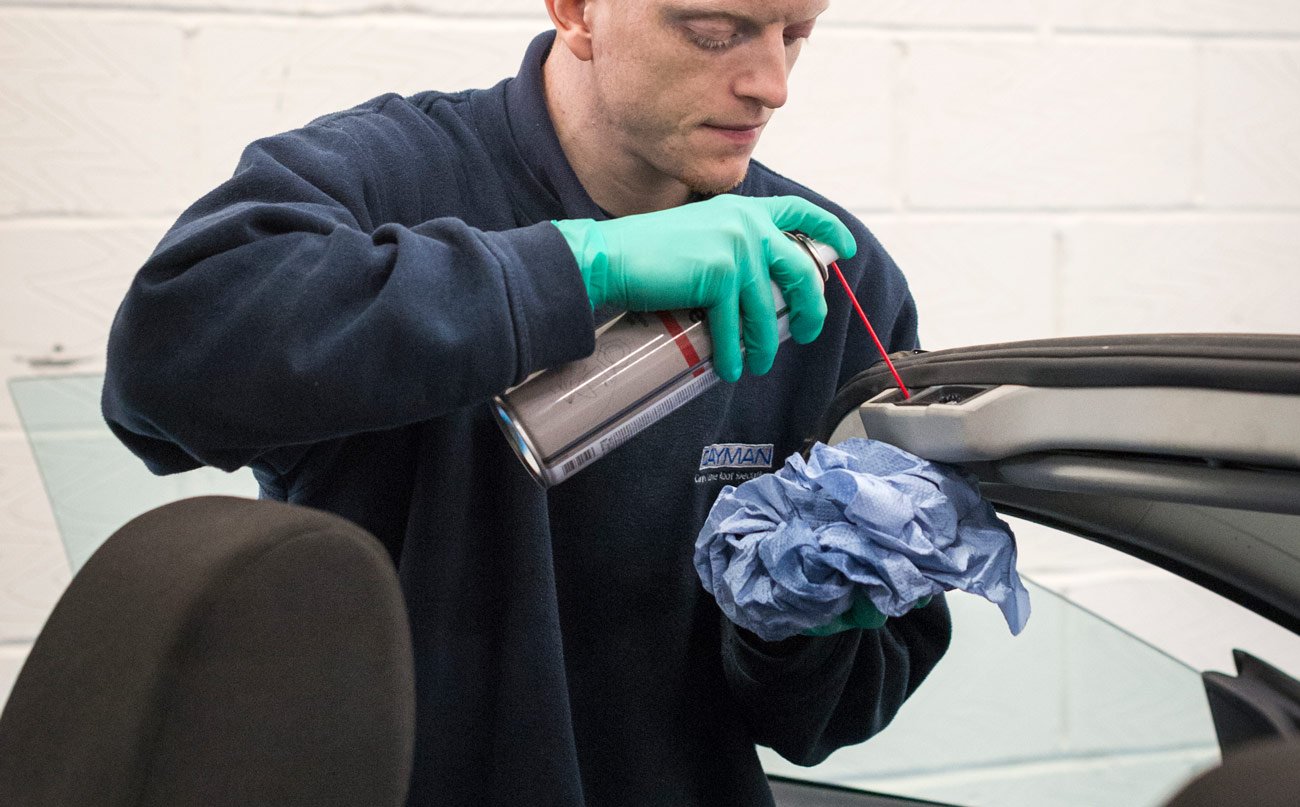
While the mechanical roof grabs the headlines, the silent heroes of a dry interior are the rubber seals and weatherstripping. In a fixed-roof car, these components are static and protected, but in a convertible, they are constantly compressed, stretched, and exposed to direct sunlight every time the roof is retracted. Over time, UV exposure causes the rubber to lose its essential elasticity, turning it brittle and prone to cracking. When these seals fail, the barrier between the harsh outside environment and the delicate cabin interior is breached.
The consequences of neglecting these rubber components extend far beyond a damp seat. Water ingress often follows gravity to the lowest point of the chassis, which, in modern vehicles, is frequently where sensitive electronic control units (ECUs) and wiring harnesses are located. A small leak from a dried-out header rail seal can result in catastrophic electrical failures that total the car. Additionally, every convertible is designed with hidden drainage channels intended to route water away from the cabin. If these channels become clogged with organic debris like leaves or pine needles, water will back up and overflow into the passenger footwells.
| Maintenance Focus | Potential Consequence of Neglect | Preventive Action |
|---|---|---|
| Rubber Seals | Water leaks, wind noise, cabin mold | Apply silicone-based lubricant quarterly to maintain flexibility |
| Drainage Channels | Flooded footwells, electrical shorts, ECU failure | Clear debris from drain holes during every car wash |
| Hydraulic System | Roof seizure, pump failure, fluid leaks | Cycle the roof regularly; inspect lines for dampness |
Preserving Fabric and Aesthetic Value
For vehicles equipped with a soft top, the fabric itself demands a specific regimen of care that differs entirely from standard paintwork maintenance. This material is constantly bombarded by environmental contaminants, including road grime, tree sap, and bird droppings. Bird lime, in particular, is highly acidic and can chemically burn into the fibers if left to sit, leaving permanent stains that ruin the visual appeal of the vehicle. Unlike metal, which can be polished, fabric damage is often irreversible without replacing the entire skin—a labor-intensive and expensive procedure.
Routine cleaning must be gentle; high-pressure washers should be avoided as they can damage the fabric weave and force water past the waterproof membrane. Instead, owners should use dedicated soft-top cleaners and soft bristle brushes to agitate dirt out of the grain. Crucially, the fabric requires periodic re-proofing. Just as a hiking jacket loses its water resistance over time, the hydrophobic coating on a convertible top degrades. Re-applying a quality weatherproofing agent ensures that water beads up and rolls off rather than soaking into the fibers. This not only prevents leaks but also inhibits the growth of green algae and moss, which thrive in damp fibers and can make a premium vehicle look neglected and aged. Maintaining the cosmetic condition of the roof is directly linked to the vehicle's resale value; a pristine top suggests a careful owner, while a faded, green-tinged roof is a red flag for potential buyers.
The Invisible Financial Burden
The Weight Penalty and Running Costs
There is a common misconception that removing a metal roof makes a car lighter. In reality, the opposite is almost always true. The roof of a standard car is a vital structural component that ties the pillars together, providing rigidity. When this is removed, engineers must add significant reinforcement to the floorpan, sills, and chassis to prevent the body from flexing or twisting during cornering. This additional steel and bracing add substantial mass to the vehicle, often making the convertible variant significantly heavier than its coupe counterpart.
This "weight penalty" has a direct impact on the daily running costs that owners must absorb. Heavier vehicles require more energy to accelerate, leading to reduced fuel efficiency compared to lighter models. Furthermore, the increased mass places a higher load on consumables. Brake pads and discs work harder to stop the vehicle, and tires endure greater stress, leading to accelerated wear rates. Owners may find themselves replacing these items more frequently than they would with a standard sedan. Additionally, the interior of an open car is subject to accelerated aging. Leather seats and dashboards exposed to direct sunlight can dry, shrink, and crack prematurely. This necessitates a more rigorous interior detailing schedule, involving high-quality UV protectants and leather conditioners to prevent the cabin from looking tattered. When calculating the budget for an open-top vehicle, one must account not just for the purchase price, but for this ecosystem of accelerated consumption and the need for premium care products.
| Category | Standard Coupe | Convertible | Impact on Ownership |
|---|---|---|---|
| Chassis Structure | Roof provides stiffness | Heavy floor reinforcements added | Reduced fuel economy due to added weight |
| Tire Wear | Standard wear rate | Accelerated wear | More frequent tire replacements required |
| Interior Aging | Protected by glass/roof | Exposed to direct UV/Elements | Requires frequent conditioning to prevent cracking |
| Insurance | Standard risk profile | Higher risk (theft/leak damage) | Potentially higher premiums |
Market Dynamics and Long-Term Value
Beyond the mechanical and physical upkeep, the financial lifecycle of these vehicles follows a unique trajectory in the used car market. While the initial depreciation can be steep, well-maintained examples often hit a floor where their value stabilizes, especially for models that have a strong enthusiast following. However, this value is heavily dependent on the documented history of care. In the general used car market, a missing service stamp might be a negotiation point; in the convertible market, a lack of proof regarding roof maintenance or seal replacement can be a deal-breaker.
Buyers are increasingly savvy about the potential repair bills associated with neglected roof mechanisms. Consequently, a vehicle with a thick binder of receipts showing regular lubrication of seals, drainage clearance, and hydraulic system checks will command a significant premium over a similar car with no such history. The "cheap" convertible often becomes the most expensive one to own once the deferred maintenance comes due. Therefore, the cost of high-quality storage—such as renting a garage or purchasing a high-end breathable cover—should be viewed not as an optional accessory, but as an investment in asset protection. Keeping the vehicle sheltered from the worst of the winter weather and the scorching summer sun is the single most effective way to mitigate the specialized aging processes that attack the roof, seals, and interior, thereby protecting the owner's financial stake in the vehicle.
Q&A
What are the typical maintenance costs associated with owning a convertible?
Owning a convertible generally involves higher maintenance costs compared to a regular sedan. This is primarily due to the additional components such as the convertible roof mechanism, which requires regular checks and possible repairs. The fabric or hardtop roof may need periodic cleaning and weatherproofing to prevent leaks and damage. Additionally, the aerodynamic design of convertibles often leads to increased wear on tires and suspension systems, adding to the overall maintenance expenses.
How often should roof repairs be conducted on a convertible?
Roof repairs on a convertible should be conducted as needed, but regular inspections are recommended at least annually. Convertible roofs, whether fabric or retractable hardtops, are susceptible to wear and tear due to exposure to the elements. Regular maintenance should include checking for leaks, ensuring the roof mechanism operates smoothly, and cleaning the roof material to prevent mildew or fading. Immediate attention to any visible damage can prevent more extensive repairs down the line.
What are the cleaning requirements for maintaining a convertible?
Maintaining a convertible involves specific cleaning requirements to preserve both its aesthetic and functional aspects. The roof material should be cleaned with products specifically designed for convertible tops to avoid damage. Interiors, which are more exposed to dust and debris when the top is down, need regular vacuuming and conditioning of leather or fabric surfaces. Additionally, the exterior should be washed and waxed frequently to protect against environmental factors, especially if the vehicle is often driven with the top down.
What long-term care strategies are beneficial for convertible owners?
Long-term care for convertibles includes regular servicing of mechanical components, especially the roof mechanism and weather seals. Storing the vehicle in a garage or using a car cover can protect it from harsh weather conditions. Regular application of UV protectants on both the roof and interior surfaces can prevent sun damage. Lastly, keeping up with scheduled maintenance and addressing minor issues promptly can enhance the vehicle's longevity and reliability.
What are the ownership expenses and reliability concerns associated with convertibles?
Ownership expenses for convertibles are generally higher due to specialized maintenance and potential repairs of the roof system. Insurance costs might also be elevated due to the vehicle's higher value and increased theft risk. Reliability concerns often stem from the convertible's complex roof mechanism, which can be prone to malfunctions if not properly maintained. Additionally, the vehicle's structure may experience increased stress, potentially affecting its long-term durability. Regular maintenance and careful handling are crucial in mitigating these issues.