
Highway driving places very different demands on a vehicle compared to city commuting. Sustained speeds, long distances, steady cruising, and extended hours behind the wheel all test engine efficiency, comfort, and reliability. While hybrid cars are often associated with urban traffic, they are also well suited for highway driving and long-distance travel when their design and behavior are properly understood.
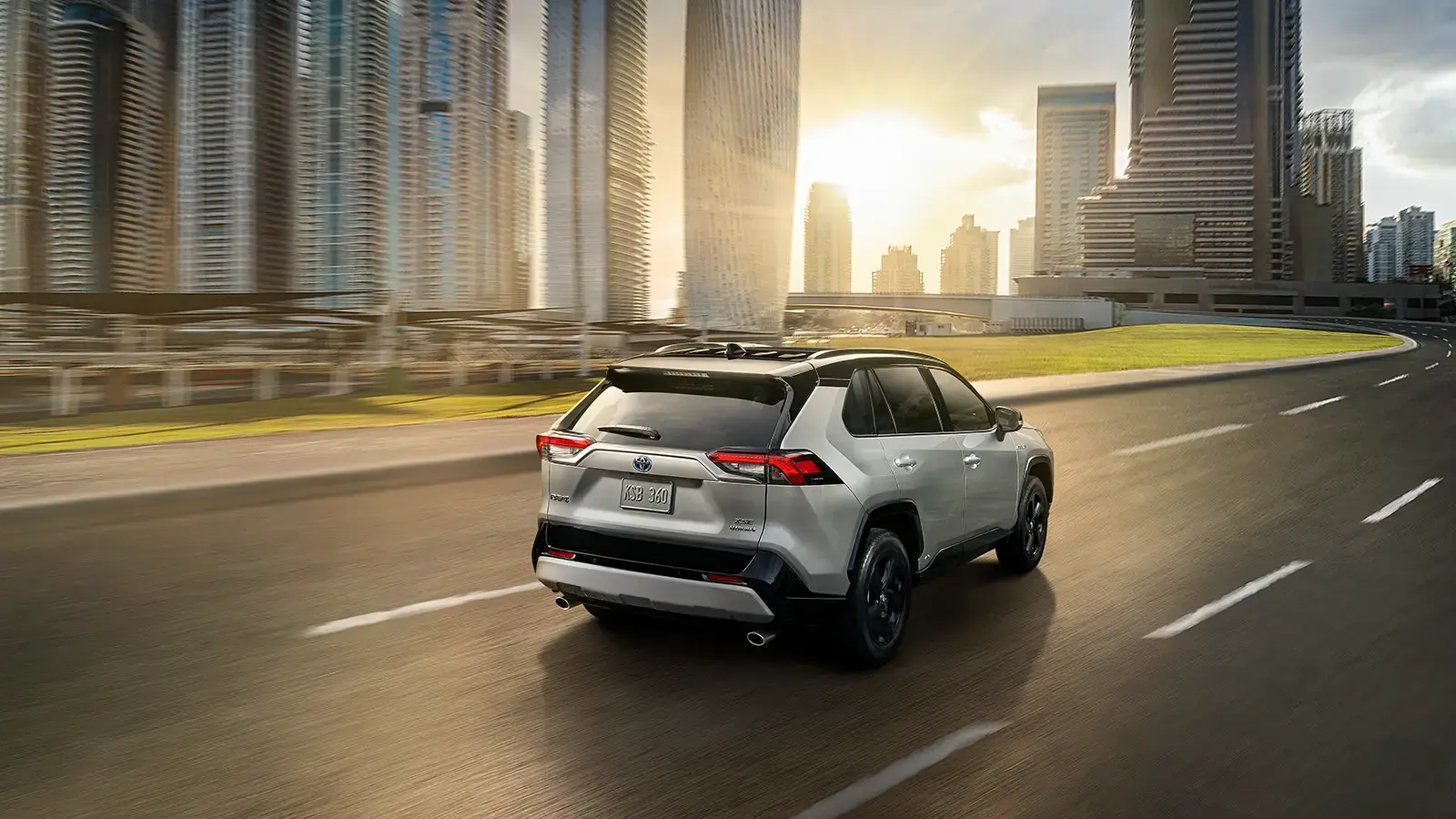
City driving places unique demands on vehicles. Frequent stops, congested traffic, short trips, limited parking, and constant speed changes all challenge traditional gasoline cars. Hybrid vehicles are particularly well suited to these conditions. By combining electric and gasoline power, hybrid cars deliver traffic efficiency, quiet operation, strong stoplight performance, and meaningful fuel savings that align naturally with urban commuting.
How Hybrid Cars Perform on the Highway
Hybrid Systems at Sustained Speeds
Highway driving typically involves consistent speeds rather than frequent stops. In these conditions, hybrid cars rely more heavily on their gasoline engines than they do in city traffic. This shift is intentional and reflects how hybrid systems are optimized for efficiency.
Gasoline engines operate most efficiently at steady speeds. Hybrid control systems take advantage of this by allowing the engine to run smoothly with minimal variation, while the electric motor provides support only when needed. This approach avoids unnecessary energy conversions and maintains stable performance.
Rather than being disadvantaged on highways, hybrid vehicles are designed to adapt seamlessly to this driving environment.
Efficient Power Management
Hybrid powertrains continuously adjust how power is delivered during highway travel. When cruising, the system prioritizes efficient engine operation. During gentle inclines or passing maneuvers, electric assistance may briefly supplement engine power.
This flexible power management reduces strain on the engine and maintains consistent speed without aggressive throttle input. The result is a relaxed driving experience that feels natural on long stretches of road.
Drivers rarely notice these adjustments, as they occur smoothly in the background.
Engine Efficiency During Highway Travel
Optimized Engine Operation
One of the strengths of hybrid cars on the highway is engine efficiency. Unlike city driving, where engines frequently stop and start, highway travel allows the engine to remain within an efficient operating range.
Hybrid systems are designed to keep the engine running steadily at optimal conditions whenever possible. This reduces unnecessary fuel use and supports long-term mechanical health.
Because the engine is not constantly accelerating or idling, it experiences less variation in load, which contributes to smooth and efficient operation over long distances.
Reduced Energy Waste
On highways, energy waste often comes from inefficient acceleration or fluctuating speeds. Hybrid systems help smooth these variations by using electric assistance strategically.
For example, when climbing gentle grades, the electric motor can reduce the need for sudden engine revs. When descending, the system may capture energy through regenerative processes, even at higher speeds.
This balanced approach minimizes wasted energy and supports consistent fuel usage across long trips.
Cruise Performance and Driving Stability
Smooth Highway Cruising
Cruise performance is an important consideration for highway drivers. Hybrid cars excel in maintaining steady speeds, whether using cruise control or manual input.
The combination of electric and gasoline power allows for fine adjustments that feel smooth and controlled. Small speed corrections are handled efficiently without abrupt changes in engine behavior.
This smoothness enhances comfort and reduces fatigue during long hours on the road.
Confident Passing and Merging
Highway driving often requires confident acceleration for passing slower vehicles or merging into traffic. Hybrid cars provide responsive performance in these situations through electric motor assistance.
Electric motors deliver immediate torque, which complements the gasoline engine during brief acceleration demands. This responsiveness allows drivers to maneuver safely without excessive engine noise or delay.
The result is a composed and predictable driving experience that supports highway confidence.
Long-Distance Travel and Reliability
Consistency Over Extended Drives
Long-distance travel highlights the importance of consistent vehicle behavior. Hybrid cars are designed to maintain stable performance over extended periods without requiring special attention from the driver.
The engine operates efficiently, cooling systems manage heat effectively, and power delivery remains predictable. These factors contribute to reliability during multi-hour journeys.
Drivers can focus on the road rather than monitoring vehicle behavior, which is essential for comfortable long-distance travel.
Reduced Fatigue for Drivers
Hybrid vehicles often feel calmer during highway driving due to smooth power delivery and reduced engine noise. This calmer environment helps reduce driver fatigue over long distances.
The absence of frequent engine speed changes creates a sense of continuity that supports concentration. For road trips and long commutes, this subtle benefit can make a noticeable difference.
Comfortable long-distance driving is as much about mental ease as mechanical performance.
Fuel Stability on the Open Road
Predictable Fuel Use
Fuel stability refers to how consistently a vehicle uses fuel over time. Hybrid cars perform well in this regard during highway travel because steady speeds allow the system to settle into an efficient rhythm.
Rather than fluctuating consumption caused by stop-and-go conditions, highway driving produces a more predictable fuel pattern. This makes planning long trips easier and reduces uncertainty.
Drivers often appreciate knowing that fuel use remains stable even as distances increase.
Reduced Sensitivity to Driving Conditions
While all vehicles are influenced by terrain and weather, hybrids are less sensitive to minor changes due to their adaptive power management. Small hills or wind resistance are handled smoothly without dramatic changes in engine behavior.
Electric assistance can compensate briefly when needed, preventing spikes in fuel use. Over long journeys, this moderation contributes to consistent efficiency.
This stability is particularly valuable for drivers covering unfamiliar routes or extended distances.
Comfort Levels During Highway Driving
Cabin Quietness and Refinement
Comfort is a key factor in highway driving, and hybrid cars offer a refined cabin experience. At cruising speeds, the engine often runs quietly and steadily, reducing background noise.
In some situations, electric assistance further smooths power delivery, limiting vibration and harshness. This refinement creates a more pleasant environment for both drivers and passengers.
Quiet cabins enhance conversation, listening to audio, and overall relaxation during long trips.
Seating and Ride Quality
Many hybrid vehicles are designed with comfort-oriented suspension tuning. This helps absorb road imperfections and maintain stability at highway speeds.
Smooth ride quality reduces physical strain over time, especially during extended travel. Combined with ergonomic seating, hybrids are well suited for long hours behind the wheel.
These comfort features reinforce the idea that hybrids are practical not only for cities but also for highways.
Road Trips and Travel Flexibility
Planning Long Road Trips
Hybrid cars are particularly well suited for road trips because they do not require changes in travel planning. Refueling follows the same familiar process as conventional vehicles, allowing drivers to use existing fuel stations.
This convenience is especially important in rural areas or along less developed routes. Drivers can travel freely without concern for charging availability.
For families and travelers who value flexibility, this aspect of hybrid ownership is a major advantage.
Adapting to Varied Driving Conditions
Road trips often involve a mix of highway cruising, town driving, and scenic routes. Hybrid cars adapt smoothly to these transitions.
Electric assistance becomes more noticeable in lower-speed segments, while efficient engine operation dominates highway stretches. This adaptability ensures consistent performance across different environments.
Drivers benefit from a single vehicle that handles diverse travel demands with ease.
Comparing Hybrid Highway Driving to Other Vehicles
Hybrids Versus Conventional Gasoline Cars
On highways, hybrid cars often feel similar to well-designed gasoline vehicles, with the added benefit of smoother power transitions. While the gasoline engine does most of the work, electric assistance enhances efficiency and responsiveness.
Conventional cars rely entirely on the engine, which may experience greater load variation during hills or passing maneuvers. Hybrids distribute these demands more evenly.
This difference contributes to a calmer and more refined highway experience.
Hybrids Versus Electric Vehicles
Fully electric vehicles can perform well on highways but rely entirely on battery energy. Long-distance travel requires careful planning around charging availability and duration.
Hybrid cars eliminate this concern by offering gasoline backup. Drivers can focus on the journey rather than infrastructure constraints.
For those who enjoy spontaneous road trips or frequent highway travel, hybrids provide reassurance and flexibility.
Long-Term Highway Use and Ownership
Durability Under Highway Conditions
Highway driving is generally less demanding on mechanical components than city driving. Hybrid cars benefit from this, as steady speeds reduce wear on both engine and braking systems.
The electric motor’s supportive role further reduces strain during acceleration. Over time, this balanced workload supports long-term durability.
Owners who spend significant time on highways often find hybrids to be reliable and consistent companions.
Ownership Confidence for Frequent Travelers
Drivers who regularly undertake long journeys value predictability and comfort. Hybrid cars deliver both through stable fuel use, smooth cruising, and dependable performance.
The familiarity of gasoline refueling combined with modern hybrid efficiency creates a sense of confidence. Owners can plan trips without hesitation or special preparation.
This confidence is a defining element of long-term satisfaction with hybrid vehicles.
Practical Driving Tips for Highway Hybrids
Maximizing Efficiency on Long Drives
Maintaining steady speeds and using cruise control when appropriate helps hybrid systems operate efficiently. Smooth acceleration and anticipation of traffic conditions also support stable fuel use.
Allowing the vehicle to manage power distribution automatically yields the best results. Manual intervention is rarely necessary.
These habits enhance efficiency without requiring special effort.
Enhancing Comfort and Safety
Proper seating position, moderate climate control settings, and regular breaks improve comfort during long highway drives. Hybrid cars support these practices with smooth ride quality and quiet cabins.
Paying attention to tires and vehicle maintenance further ensures stable highway performance. These considerations apply to all vehicles but complement hybrid strengths particularly well.
Together, they create a safe and enjoyable long-distance driving experience.
Questions and Answers
Q: Are hybrid cars suitable for long highway trips?
Yes. Hybrid cars are well suited for long-distance highway travel due to efficient engine operation, stable fuel use, and comfortable cruising behavior.
Q: Do hybrids save fuel on highways?
They maintain efficient and predictable fuel use at steady speeds, especially when driven smoothly.
Q: Is highway driving harder on hybrid systems?
No. Highway driving is generally gentle on hybrid components and can support long-term durability.
Q: Are hybrids comfortable for road trips?
Yes. Quiet operation, smooth power delivery, and stable ride quality make hybrids comfortable for extended journeys.