
Beyond purchase price and daily running costs, many drivers want to know how well a vehicle will hold its value over time. Hybrid cars occupy a unique position in this discussion. They combine conventional automotive familiarity with advanced electrified technology, which influences depreciation rates, market demand, and buyer perception in the used car market.
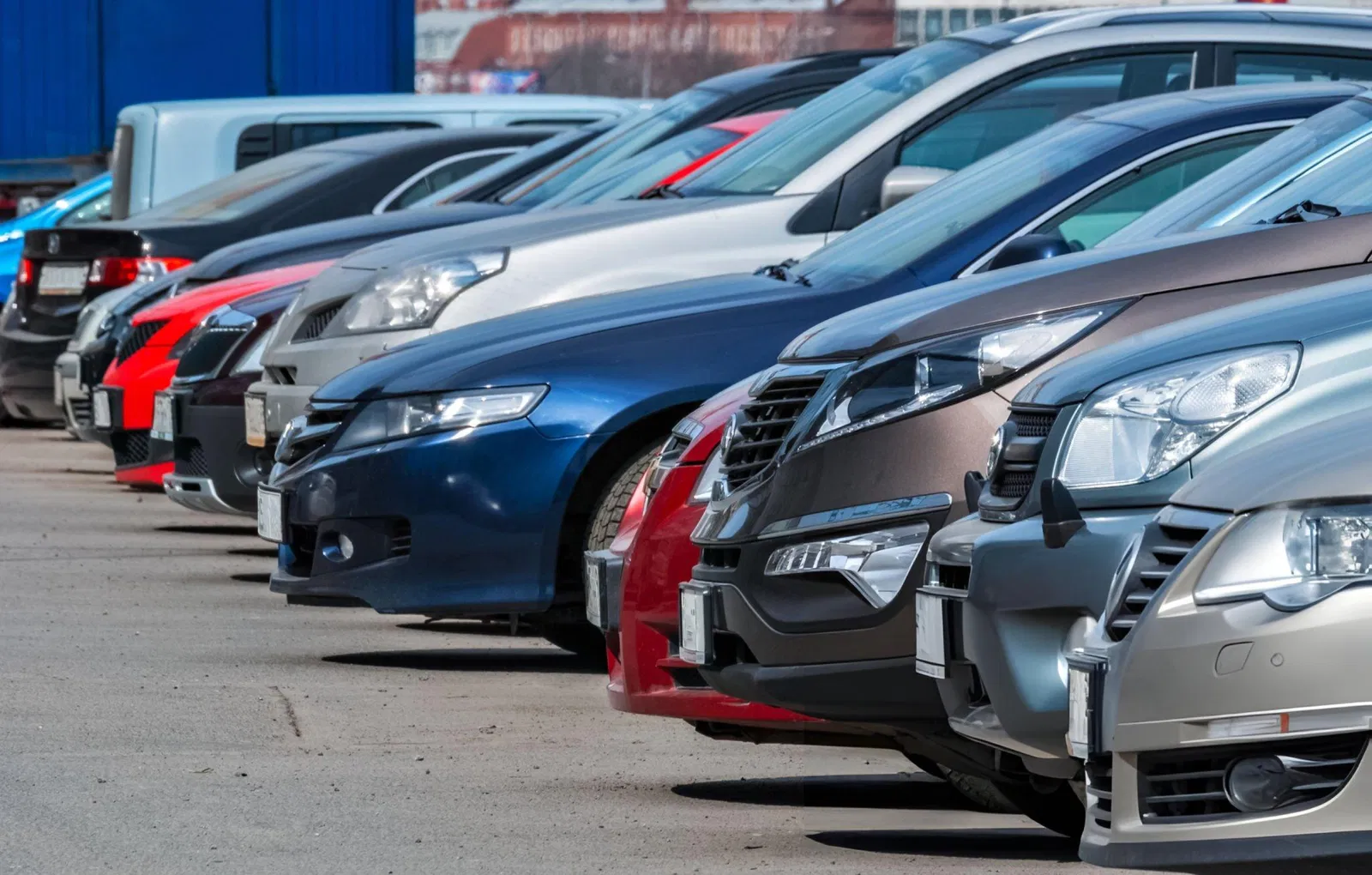
Beyond purchase price and daily running costs, many drivers want to know how well a vehicle will hold its value over time. Hybrid cars occupy a unique position in this discussion. They combine conventional automotive familiarity with advanced electrified technology, which influences depreciation rates, market demand, and buyer perception in the used car market.
Depreciation Rates and Hybrid Vehicles
How Depreciation Works in the Auto Market
Depreciation refers to the gradual reduction in a vehicle’s value as it ages and accumulates use. All cars depreciate, but the rate at which this happens varies depending on factors such as vehicle type, brand image, reliability perception, and market trends. Depreciation is influenced not only by physical wear but also by shifts in consumer preferences and technology expectations.
For many buyers, depreciation is the largest single cost of vehicle ownership over time. Understanding how different vehicle categories behave in the resale market helps buyers make more informed long-term decisions.
Hybrid cars add an extra layer to depreciation analysis because they sit between traditional gasoline vehicles and fully electric models. This positioning shapes how the market evaluates them as they move from new to used status.
Depreciation Trends Specific to Hybrids
Hybrid vehicles often follow depreciation patterns that differ from both conventional cars and fully electric vehicles. On one hand, they benefit from strong fuel efficiency and growing familiarity among consumers. On the other, they incorporate technology that some buyers still approach cautiously.
In many markets, hybrids tend to depreciate more steadily rather than sharply. As fuel efficiency becomes a mainstream expectation rather than a novelty, hybrids avoid the steep early drops sometimes associated with niche technologies. Their continued usability without reliance on charging infrastructure also supports broader appeal in the used market.
Depreciation rates for hybrids are therefore shaped by a balance of innovation and practicality. This balance often helps hybrids maintain competitive resale value over longer ownership cycles.
Market Demand in the Used Hybrid Segment
Growing Interest Among Used Car Buyers
Market demand is a critical driver of resale value. In recent years, used car buyers have shown growing interest in hybrid vehicles, particularly those seeking fuel-efficient options without changing their driving habits. Hybrids appeal to buyers who want reduced fuel consumption while maintaining the convenience of refueling at traditional fuel stations.
This demand is not limited to a specific demographic. Commuters, families, and cost-conscious buyers all contribute to interest in used hybrids. As awareness of hybrid technology increases, hesitation decreases, making hybrids more acceptable and desirable in the secondary market.
Stronger demand generally supports resale value by keeping prices stable and reducing the time vehicles spend on dealer lots.
Fuel Awareness and Practicality
Fuel awareness plays a significant role in used hybrid demand. Buyers shopping for used vehicles often prioritize operating costs, especially fuel expenses. Hybrid cars offer a clear advantage in this area without requiring behavioral changes such as planning charging stops or installing home equipment.
This practicality broadens the appeal of used hybrids. Buyers who are curious about electrification but not ready for a fully electric vehicle often see hybrids as a comfortable transition. As a result, used hybrids attract buyers who might otherwise choose a conventional gasoline car.
This steady pool of interested buyers contributes positively to long-term resale performance.
Brand Reputation and Its Influence
Trust in Established Hybrid Brands
Brand reputation is one of the strongest predictors of resale value. Hybrid cars from manufacturers with long-standing experience in hybrid technology often perform better in the used market. Buyers tend to trust brands that have demonstrated consistency, reliability, and commitment to hybrid systems over multiple vehicle generations.
This trust reduces perceived risk for second-hand buyers. When a brand is known for dependable hybrid systems, buyers feel more confident purchasing a used model, even if it has higher mileage or longer service history.
Brand reputation therefore acts as a stabilizing force for resale value, helping certain hybrid models retain desirability over time.
Perception of Reliability and Support
Beyond the vehicle itself, buyers consider the broader ownership ecosystem. Access to dealer support, availability of trained technicians, and a clear service network all influence how a brand is perceived in the used market.
Hybrid vehicles backed by strong service infrastructure are more attractive to used car buyers. Confidence that maintenance and repairs can be handled without difficulty supports higher resale values and faster resale transactions.
In contrast, hybrids from less established brands or those with limited support networks may face more resistance, even if the underlying technology is sound.
Battery Confidence and Technology Perception
Understanding Battery Concerns
Battery confidence is a defining issue in hybrid resale value. While hybrid batteries are designed for durability, used car buyers often focus on battery health when evaluating long-term ownership risk. Questions about longevity, replacement cost, and reliability shape buyer attitudes.
Over time, real-world experience has helped normalize hybrid battery technology. Many buyers now recognize that hybrid batteries are engineered for long service life and that failures are less common than once feared.
As this understanding spreads, battery-related anxiety diminishes, improving the resale outlook for hybrid vehicles.
Warranties and Buyer Reassurance
Warranty coverage plays an important role in building battery confidence. Many hybrid vehicles include manufacturer-backed battery warranties that extend beyond standard vehicle coverage. For used car buyers, remaining warranty coverage can be a major selling point.
Even when warranties have expired, the presence of a strong track record for battery reliability supports resale value. Buyers often rely on brand history and third-party assessments to judge whether battery concerns are justified.
Overall, increased confidence in hybrid battery technology has strengthened the used hybrid market and contributed to more stable long-term values.
Used Car Buyer Perspectives
What Used Buyers Look For in Hybrids
Used car buyers tend to evaluate hybrids through a practical lens. They focus on reliability, operating costs, and ease of ownership rather than cutting-edge technology. Hybrid cars that deliver consistent performance, predictable maintenance needs, and familiar driving characteristics align well with these priorities.
Interior condition, service history, and brand reputation often matter more than having the latest features. Buyers want reassurance that the vehicle will perform reliably for years to come.
Hybrid cars that meet these expectations are more likely to command stronger resale values and attract repeat interest in the used market.
Hybrids as a Safe Middle Ground
For many used buyers, hybrids represent a safe middle ground between conventional and fully electric vehicles. They offer efficiency improvements without introducing uncertainty around charging access or range limitations.
This perception makes hybrids particularly appealing to buyers in regions where charging infrastructure is limited or inconsistent. It also appeals to drivers who want lower fuel costs but are not ready to fully commit to electric-only driving.
Because this middle-ground appeal remains relevant over time, it supports consistent demand and long-term value retention.
Long-Term Value Beyond Resale Price
Ownership Experience and Value Retention
Long-term value is not only about resale price but also about how well a vehicle serves its owner throughout its lifespan. Hybrid cars often deliver strong value through fuel savings, reduced wear on certain components, and a smooth driving experience.
These ownership benefits influence resale indirectly. Vehicles that are perceived as cost-effective and pleasant to own develop stronger reputations, which in turn supports used market demand.
When owners report positive long-term experiences, it reinforces confidence among future buyers and contributes to healthier resale dynamics.
Market Stability and Hybrid Acceptance
As hybrid technology becomes increasingly mainstream, market stability improves. Hybrids are no longer viewed as experimental or transitional products but as established vehicle choices with predictable behavior.
This normalization reduces volatility in resale values. Instead of fluctuating based on uncertainty or novelty, hybrid values are shaped by the same fundamentals that govern conventional vehicles: condition, brand, and market demand.
Over the long term, this stability strengthens the position of hybrids as vehicles that offer balanced value across the ownership lifecycle.
Comparing Hybrid Resale Value to Other Vehicle Types
Hybrids Versus Conventional Cars
Compared to conventional gasoline cars, hybrids often benefit from stronger demand among efficiency-focused buyers. While purchase prices may differ, resale value reflects how well the vehicle aligns with current and future buyer priorities.
As fuel efficiency becomes a standard expectation rather than a bonus feature, hybrids are well positioned to remain relevant. This relevance supports competitive resale performance relative to similar non-hybrid models.
The ability to appeal to a broad buyer base helps hybrids avoid sharp drops in desirability as market preferences evolve.
Hybrids Versus Fully Electric Vehicles
When compared to fully electric vehicles, hybrids occupy a different value space. Electric vehicles may face faster shifts in technology perception, which can influence depreciation in unpredictable ways. Hybrids, by contrast, rely on familiar infrastructure and established mechanical systems.
This familiarity can make hybrids feel like a lower-risk option in the used market. Buyers who are hesitant about charging logistics or rapid technological change may prefer hybrids, supporting steady resale demand.
As a result, hybrids often demonstrate more predictable long-term value behavior compared to newer electric-only models.
Questions and Answers
Q: Do hybrid cars hold their value well compared to gasoline cars?
In many cases, yes. Strong market demand, fuel efficiency, and growing acceptance help hybrids maintain competitive resale value.
Q: Are used car buyers worried about hybrid batteries?
Battery concerns exist, but increased familiarity, proven reliability, and warranty coverage have reduced buyer hesitation over time.
Q: Does brand reputation affect hybrid resale value?
Yes. Brands with established hybrid experience and strong reliability records tend to achieve better resale outcomes.
Q: Why are hybrids appealing in the used car market?
Hybrids offer fuel efficiency without requiring charging infrastructure, making them practical and attractive to a wide range of used car buyers.