
Despite their size and functionality, the financial longevity of these versatile vehicles in the second-hand market can vary significantly. Certain models continue to attract buyers long after leaving the showroom, influenced by numerous subtle elements affecting their enduring financial appeal.
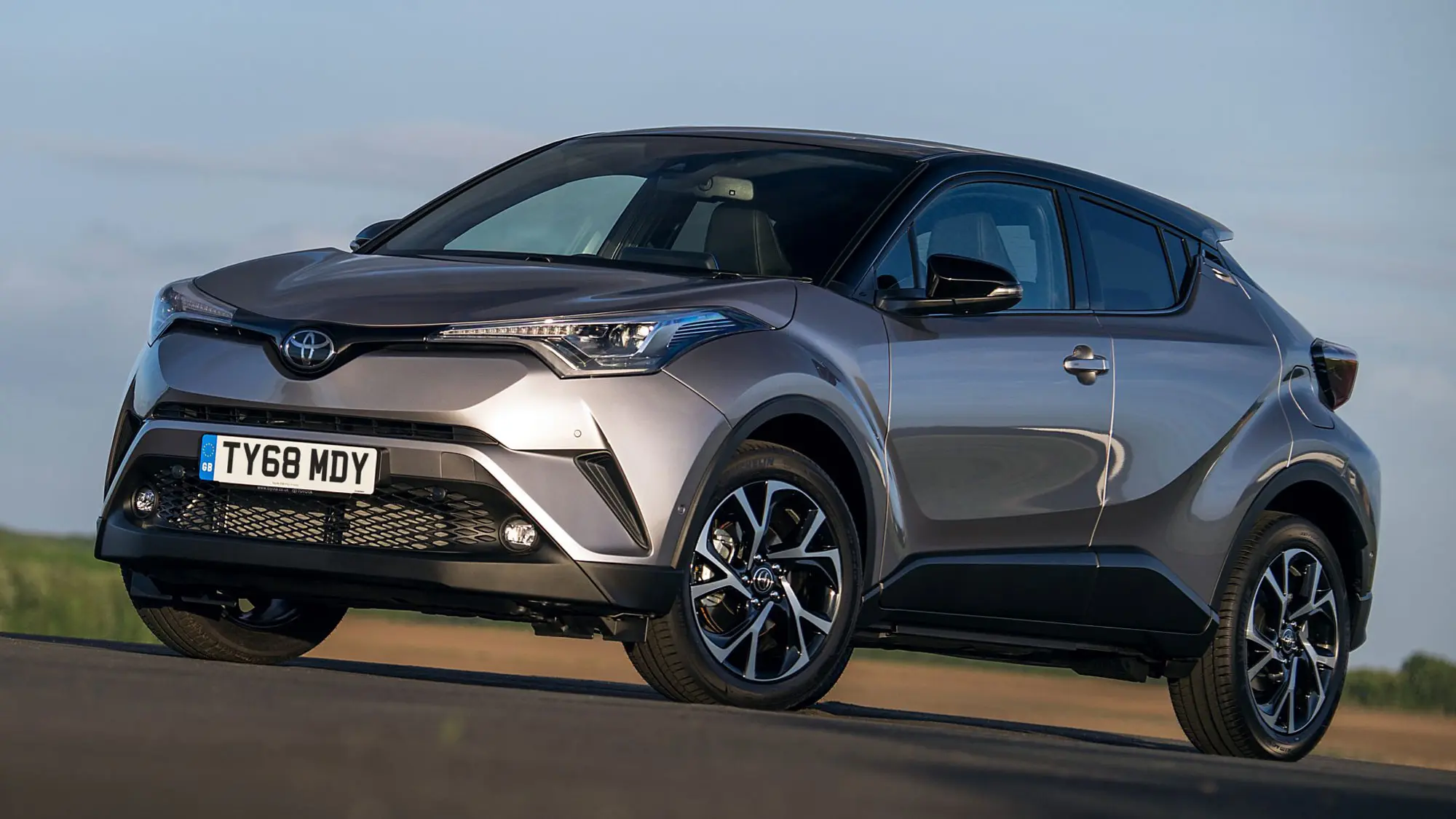
Despite their size and functionality, the financial longevity of these versatile vehicles in the second-hand market can vary significantly. Certain models continue to attract buyers long after leaving the showroom, influenced by numerous subtle elements affecting their enduring financial appeal.
Unraveling the Factors Behind SUV Long-Term Value Retention
Despite their size and functionality, the financial longevity of these versatile vehicles in the second-hand market can vary significantly. Certain models continue to attract buyers long after leaving the showroom, influenced by numerous subtle elements affecting their enduring financial appeal.
The Psychology of Reliability and Brand Equity
Trust as a Silent Financial Asset
When a vehicle leaves the dealership lot, an invisible relationship between the owner, the machine, and the market begins. While depreciation is often viewed simply as a financial loss, it is better understood as a dynamic curve that reflects the vehicle's lifecycle. In the realm of larger utility vehicles, this curve flattens out significantly after the initial drop, entering a "stability phase." However, the height at which this curve stabilizes is largely dictated by the manufacturer's reputation for reliability. In the Anglo-American market, where repair costs can be exorbitant, a brand’s track record acts as a financial shield.
Buyers in the secondary market are not just purchasing a vehicle; they are purchasing probability. They are hedging against the likelihood of catastrophic mechanical failure. Consequently, models from manufacturers that have spent decades cultivating a reputation for "bulletproof" engineering tend to command a premium. This phenomenon goes beyond mere brand prestige; it is rooted in the pragmatic calculation of the second owner. If a specific model is known to run for 200,000 miles with only routine maintenance, the market prices that remaining utility into the resale figure. Conversely, vehicles from brands associated with frequent recalls or electrical gremlins suffer a steeper depreciation trajectory, as the "risk premium" is deducted from their value. Therefore, the brand's historical commitment to quality acts as a savings account for the owner, preserving capital long after the new-car smell has faded.
The Delicate Balance of Supply and Scarcity
Beyond engineering, the economic principles of supply and demand play a pivotal role in retaining asset worth. A manufacturer’s discipline in managing inventory levels directly impacts how their vehicles are valued years down the line. Even the most capable off-roader or luxurious family hauler will suffer in the secondhand market if the manufacturer flooded the initial market with excess inventory. This is frequently seen when automakers aggressively pursue market share through heavy discounting or large-scale fleet sales to rental car agencies.
When thousands of nearly identical, off-lease rental units hit the auctions simultaneously, they saturate the market. This oversupply forces sellers to lower prices to compete, dragging down the value of privately owned examples in the process. It creates a buyer’s market where scarcity is non-existent. In contrast, manufacturers that limit production numbers and avoid diluting their brand with excessive incentives create a natural floor for depreciation. In these scenarios, the vehicle retains a sense of exclusivity. For the astute buyer, researching a manufacturer’s sales strategy—specifically their reliance on fleet sales—is just as important as researching horsepower or cargo capacity. A vehicle that was harder to get when new will almost invariably be more valuable when used.
The Reality of Mileage and Condition
debunking the Low-Mileage Myth
There is a pervasive belief among car buyers that the lower the number on the odometer, the better the vehicle. While low mileage is generally a positive attribute, treating it as the sole indicator of quality is a misconception that can lead to poor financial decisions. Vehicles are complex mechanical systems designed to move; fluids need to circulate, seals need lubrication, and batteries need charging. A "garage queen" that has sat stationary for months at a time often suffers from dried-out gaskets, flat-spotted tires, and internal corrosion due to condensation.
In many cases, a vehicle that has been driven regularly on highways—accumulating higher mileage—is in superior mechanical condition compared to one used exclusively for short, stop-and-start city trips that never allow the engine to reach optimal operating temperature. Highway miles put significantly less stress on the transmission, brakes, and suspension components. Therefore, an astute evaluation focuses on how the miles were accumulated rather than just the total count. Modern engineering allows engines to last much longer than in previous decades, meaning that a well-exercised high-mileage vehicle often represents better value and reliability than a neglected low-mileage counterpart.
| Scenario Comparison | The "Garage Queen" (Low Mileage) | The "Road Warrior" (High Mileage) |
|---|---|---|
| Typical Usage | Short trips, school runs, long periods of sitting idle. | Daily highway commuting, regular long-distance travel. |
| Mechanical Risk | Carbon buildup, dried seals, exhaust corrosion from condensation, battery issues. | Stone chips on paint, windshield pitting, normal suspension wear. |
| Fluid Condition | Oil often degraded by time and moisture rather than use. | Fluids cycled regularly and usually changed on schedule. |
| Value Proposition | Premium purchase price, potentially high "hidden" repair costs. | Lower entry price, often proven reliability, better "bang for buck." |
| Ideal For | Collectors or those willing to perform immediate preventative maintenance. | Drivers looking for reliable daily transportation at a depreciated cost. |
The Pedigree of Maintenance
If the odometer is a rough estimate of a car's life, the service history is its medical chart. In the Anglo-American market, a comprehensive "paper trail" is often the single most significant factor in maximizing a return on investment. A stamped service book or a folder full of receipts tells a story of stewardship that reassures the next owner. It proves that the previous owner viewed the vehicle as an asset to be preserved rather than a tool to be used up.
Detailed records act as a hedge against depreciation. When two identical vehicles are for sale—one with a mysterious past and one with documented oil changes, brake flushes, and tire rotations—the documented vehicle will invariably sell faster and for a higher price. This is particularly true for complex modern SUVs with sophisticated all-wheel-drive systems and turbochargers, where skipped maintenance can lead to catastrophic bills. The presence of records shifts the negotiation dynamic; the seller is no longer asking the buyer to trust their word, but to trust the evidence. For luxury and performance SUVs, this provenance is critical. It transforms the purchase from a gamble into a calculated decision, allowing the seller to command a price that reflects the care invested over the years.
Presentation and Market Dynamics
The Certified Pre-Owned Advantage
The rise of Certified Pre-Owned (CPO) programs has fundamentally altered the landscape of the secondary market. These programs, backed by manufacturers, bridge the gap between new and used, offering a level of security that private sales cannot match. To qualify, a vehicle must pass a rigorous multi-point inspection that goes far beyond a standard safety check, often covering everything from engine compression to the condition of the upholstery.
For the seller (or the dealer), the "Certified" badge is a powerful value multiplier. It effectively halts the depreciation curve by attaching a manufacturer-backed warranty to a used product. This alleviates the primary fear of used car buyers: the fear of purchasing a "lemon." Consequently, CPO vehicles maintain higher residual values. They attract a different demographic of buyers—those who might have considered a new car but see the value in a slightly used one with similar protections. Even for a private seller, understanding CPO standards is beneficial. Preparing a vehicle to "CPO standards" (even if selling privately) by addressing cosmetic flaws and ensuring all maintenance is current can help justify an asking price that sits at the top of the market range.
| Factor | Impact on Resale Value | Why it Matters to the Buyer |
|---|---|---|
| Manufacturer Warranty | High Positive | Eliminates the fear of immediate, expensive repair bills. |
| Cosmetic Condition | High Positive | "Curb appeal" implies the mechanicals were also treated with respect. |
| Market Saturation | Negative | High inventory levels give buyers more leverage to negotiate lower prices. |
| Complete Service Records | High Positive | Provides proof of care; reduces the "gamble" of buying used. |
| Geographic Climate | Variable | Cars from "salt belt" states may be valued lower due to rust concerns compared to dry climate cars. |
Visual Condition and Inventory Velocity
While mechanical health is paramount, the visual presentation of an SUV serves as the "hook" in a competitive market. Psychological bias plays a massive role in valuation; buyers instinctively conflate a clean, scratch-free exterior and a fresh-smelling interior with mechanical soundness. In a market often saturated with options, the vehicle that looks closest to "showroom condition" will always command the upper hand in negotiations. Faded paint, curbed alloy wheels, or a worn driver’s seat signal neglect, prompting buyers to wonder, "If they didn't care about the seat, did they care about the oil?"
Furthermore, the concept of "inventory velocity"—how quickly a specific model sells—is a keen indicator of value retention. Models that fly off the lot indicate strong demand that outstrips supply, keeping prices high. Conversely, if a specific model lingers for months, prices naturally soften as sellers become desperate to liquidate the asset. This is often tied to the visual appeal mentioned above; clean cars sell fast. Understanding this dynamic helps owners realize that investing in professional detailing or minor cosmetic repairs before selling is not a vanity expense, but a strategic investment that yields a tangible return in the final sale price. The goal is to present a vehicle that stands out in a crowded digital marketplace, ensuring it is the one buyers click on first.
Q&A
How does the resale value of an SUV compare to other vehicle types?
SUVs generally maintain a better resale value compared to sedans or hatchbacks. This is largely due to their higher market demand and perceived utility, making them a popular choice among second-hand buyers. Additionally, certain brands known for reliability and longevity, such as Toyota or Honda, tend to retain their value better over time.
What are the major factors influencing the depreciation trends of SUVs?
Depreciation trends in SUVs are influenced by several factors, including brand reputation, market demand, and economic conditions. SUVs from brands with strong reputations for quality and reliability, such as Subaru or Ford, often experience slower depreciation. Additionally, economic factors such as fuel prices can affect demand for SUVs, impacting their depreciation rates.
How does mileage impact the resale value of an SUV?
Mileage is a critical factor in determining the resale value of an SUV. Vehicles with lower mileage generally retain higher values because they suggest less wear and tear, potentially offering a longer lifespan to the new owner. Buyers often equate lower mileage with better overall vehicle condition and reliability.
What role does brand reputation play in the long-term value of an SUV?
Brand reputation significantly affects the long-term value of an SUV. Brands known for durability, safety, and customer satisfaction tend to have vehicles that depreciate more slowly. This reputation assures buyers of the vehicle's reliability, which in turn supports stronger resale values.
How do condition factors influence the resale value of an SUV?
The physical and mechanical condition of an SUV are paramount in determining its resale value. A well-maintained vehicle with a clean history report, free from accidents, and regular service records can command a higher price in the used market. Cosmetic factors like the interior and exterior condition also play a role in buyer perception and, consequently, resale value.