
In bustling metropolitan centers, the way we access personal transport is undergoing a radical transformation. Innovative data strategies and flexible ownership models are replacing traditional buying habits. As city landscapes evolve, adapting to these shifts is essential for meeting sustainable and efficient consumer needs.
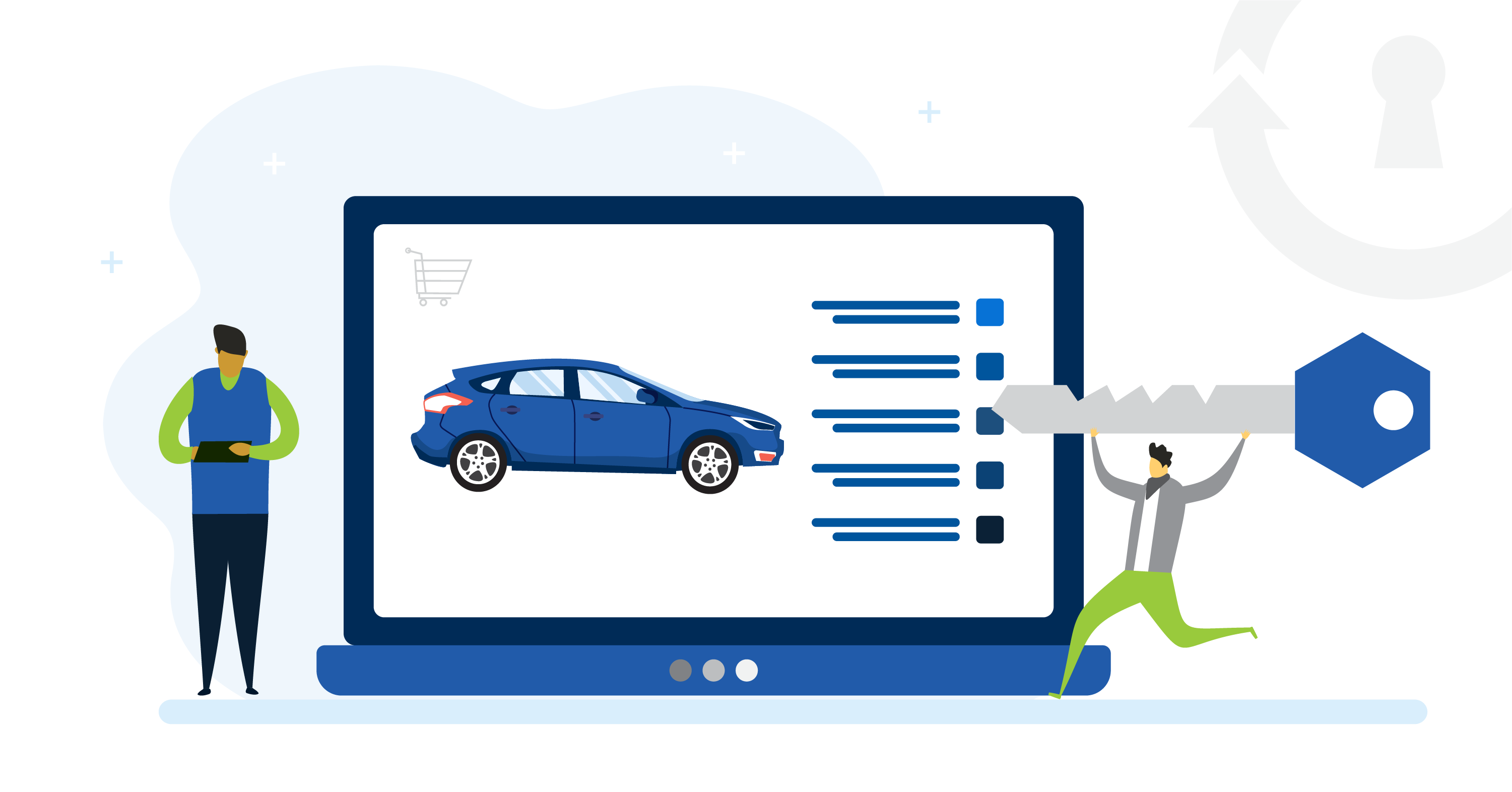
In bustling metropolitan centers, the way we access personal transport is undergoing a radical transformation. Innovative data strategies and flexible ownership models are replacing traditional buying habits. As city landscapes evolve, adapting to these shifts is essential for meeting sustainable and efficient consumer needs.
The Digital Transformation of Car Buying
Data-Driven Decisions and the End of Haggling
The days of spending precious weekends visiting multiple dealerships to negotiate prices are rapidly fading, especially for those living in fast-paced urban environments. A new, more efficient model is taking hold, driven by the sophisticated use of big data. This shift represents a fundamental change in city auto retail, moving away from high-pressure sales tactics toward a transparent, direct-to-consumer approach.
Manufacturers and modern retailers are now utilizing advanced neural networks to analyze real-time data from millions of vehicles and consumer interactions. This technology allows them to predict exactly where specific demand lies within a dense area auto market. For the consumer, this means the vehicle you want—down to the specific color and trim—is more likely to be available locally, optimized by predictive algorithms. The most significant benefit for the urban buyer, however, is the reduction of friction. By cutting out unnecessary intermediaries and using data to set fair, transparent pricing, the entire process can often be completed from the comfort of a high-rise apartment. This streamlined approach respects the time constraints of modern city life, making the purchase process as logical and efficient as ordering groceries online.
The Rise of Hyper-Personalized Concierge Services
Beyond the logistics of availability, the digital experience is becoming intensely personalized. Metropolitan vehicle sellers are no longer just presenting a static catalog; they are acting as digital concierges. Systems now analyze browsing behavior and lifestyle data to proactively understand what a specific driver needs before they even ask.
For instance, if data suggests a user frequently commutes through narrow, congested streets, the system might automatically highlight compact models with advanced parking sensors and stop-and-go assist features. Conversely, for a user who frequently drives to the mountains on weekends, the system might suggest rugged utility options. This level of customization extends to financial planning as well, proposing payment structures that align with the user's spending habits. In the past, finding the perfect configuration required hours of research. Today, technology curates this for you, presenting a "finished" car that fits your life perfectly. This virtual experience allows potential buyers to visualize how urban mobility sales platforms can integrate into their daily routine, bridging the gap between digital interest and physical ownership.
| Feature | Traditional Dealership Experience | AI-Driven Personalized Experience |
|---|---|---|
| Selection Process | Browsing massive physical or paper catalogs | Curated suggestions based on lifestyle data |
| Pricing Model | Negotiation-based, often opaque | Fixed, transparent, and data-optimized |
| Time Investment | High (multiple visits, paperwork) | Low (streamlined online, home delivery) |
| Customer Focus | Inventory-centric (selling what is on the lot) | User-centric (finding what fits the driver) |
Redefining Ownership and Safety in the City
From Status Symbol to Flexible Mobility
The concept of owning a private vehicle in the city is being re-evaluated. Historically, ownership was a status symbol and a necessity, but the rising costs associated with city living—such as premium parking, insurance, and maintenance—are pushing consumers toward "usage" rather than "possession." This shift in urban vehicle demand is creating a landscape where flexibility is the ultimate luxury.
Subscription services and car-sharing platforms are the industry's answer to this changing mindset. These models offer the convenience of a private vehicle without the long-term financial anchors. A city dweller might use public transit during the work week and subscribe to a car service for weekend getaways. This flexibility allows for lifestyle adaptability; a single professional might drive a compact electric vehicle, then seamlessly switch to a larger SUV upon starting a family, without the hassle of selling and buying. Furthermore, this model promotes the efficient use of resources. By sharing assets, we can alleviate the chronic shortage of parking spaces and reduce the environmental footprint of the automotive sector, proving that the future of city driving car retail is as much about sharing as it is about selling.
Technology as the Ultimate Copilot
For those who navigate the concrete jungle daily, safety is paramount. Urban environments are unpredictable, filled with pedestrians, cyclists, and erratic traffic. Consequently, advanced sensor technology has transitioned from a luxury add-on to a standard expectation in city auto retail.
Modern vehicles are now equipped with systems that effectively "watch" the road. Blind-spot monitoring, automatic emergency braking, and pedestrian detection act as a second pair of eyes, significantly reducing the cognitive load on the driver. In complex intersections or heavy traffic, these systems intervene to prevent accidents, acting as a silent guardian. Simultaneously, connectivity defines the modern vehicle. Cars now function as mobile information terminals, rerouting based on real-time cloud traffic data to avoid congestion. They also monitor their own health, notifying the owner of wear and tear before a breakdown occurs. This blend of safety and connectivity provides peace of mind, transforming the car from a mere machine into a responsive partner that actively protects and assists the driver.
Economic Realities and the Service Revolution
The Inflationary Pressure on Mobility Choices
The economic landscape of the city has a profound impact on how people approach transportation. With the general cost of living rising—encompassing everything from rent to groceries—disposable income for large purchases is shrinking. This financial pressure is reshaping the dense area auto market, forcing consumers to make highly calculated decisions.
The ripple effects are visible in the used car market. As new car prices climb due to supply chain complexities and inflation, demand has spilled over into pre-owned vehicles, causing a unique price inversion where used cars are no longer just the "budget" option but a highly competitive category. Additionally, the rising cost of energy impacts daily running costs. Urban drivers are now hyper-focused on fuel efficiency and long-term maintenance costs. The decision to buy is no longer just about the sticker price; it is a complex calculation of total cost of ownership against a backdrop of inflation. Consumers are looking for vehicles that act as a hedge against rising costs, prioritizing reliability and economy over flashiness.
Evolving After-Sales: The Service-First Approach
In an era where "selling and forgetting" is no longer a viable business strategy, the relationship between seller and buyer has evolved. For metropolitan vehicle sellers, the real work begins after the contract is signed. In a competitive urban environment, superior after-sales service is a key differentiator.
Transparency is the cornerstone of this new service model. utilizing digital tools, mechanics can now share video walkthroughs of repairs, explaining exactly what needs fixing and why, eliminating the anxiety often associated with auto repair. Furthermore, services are being designed around the urbanite's most scarce resource: time. Valet pick-up services for maintenance and mobile repair units that come to the office parking lot are becoming standard. By proactively managing vehicle health through connectivity and offering frictionless maintenance, retailers are ensuring that the car remains a source of freedom rather than a burden. This shift underscores a broader trend: the modern automotive business is not just about selling hardware; it is about providing a seamless, uninterrupted mobility experience.
Q&A
What are the main challenges faced by City Auto Retail businesses in metropolitan areas?
City Auto Retail businesses in metropolitan areas often face challenges such as high real estate costs, limited physical space for showrooms, and intense competition. Additionally, there is a need to adapt to the diverse preferences of urban consumers, who may prioritize fuel efficiency, compact size, and innovative technology due to the constraints of city driving.
How do Metropolitan Vehicle Sellers cater to the demand for electric vehicles in urban settings?
Metropolitan Vehicle Sellers cater to the demand for electric vehicles by offering a range of electric and hybrid models that align with urban mobility needs. They often provide charging solutions and incentives for electric vehicle buyers. Additionally, they may partner with local governments to promote sustainable urban transportation initiatives, enhancing the appeal of electric vehicles for city dwellers.
What strategies are used by Urban Mobility Sales to attract city dwellers?
Urban Mobility Sales strategies include offering flexible financing options, such as leasing and subscription models, which appeal to urban consumers looking for convenience and affordability. They also focus on digital marketing and online sales platforms to reach tech-savvy city residents. Furthermore, they emphasize the benefits of their vehicles for city driving, such as ease of parking and maneuverability in dense traffic.
How is the Dense Area Auto Market adapting to changes in consumer preferences?
The Dense Area Auto Market is adapting by diversifying their vehicle offerings to include more compact and fuel-efficient models. They are also investing in smart technology and connectivity features that enhance the driving experience in urban environments. By staying attuned to consumer trends and preferences, they can better meet the demands of city-based customers.
What factors drive Urban Vehicle Demand in large cities?
Urban Vehicle Demand in large cities is driven by several factors, including the need for personal transportation that can navigate congested roads and limited parking spaces. The desire for environmentally friendly and cost-effective vehicles also plays a significant role. Additionally, lifestyle changes, such as the shift towards remote work and flexible commuting, influence vehicle preferences and demand patterns in urban areas.