
Cruising with the roof down offers an unmatched sensory experience, blending the rush of wind with panoramic views. However, this liberation from a fixed cabin introduces an invisible battle against air resistance. Striking a balance between unbridled exhilaration and mechanical efficiency requires understanding the hidden forces shaping every mile traveled.
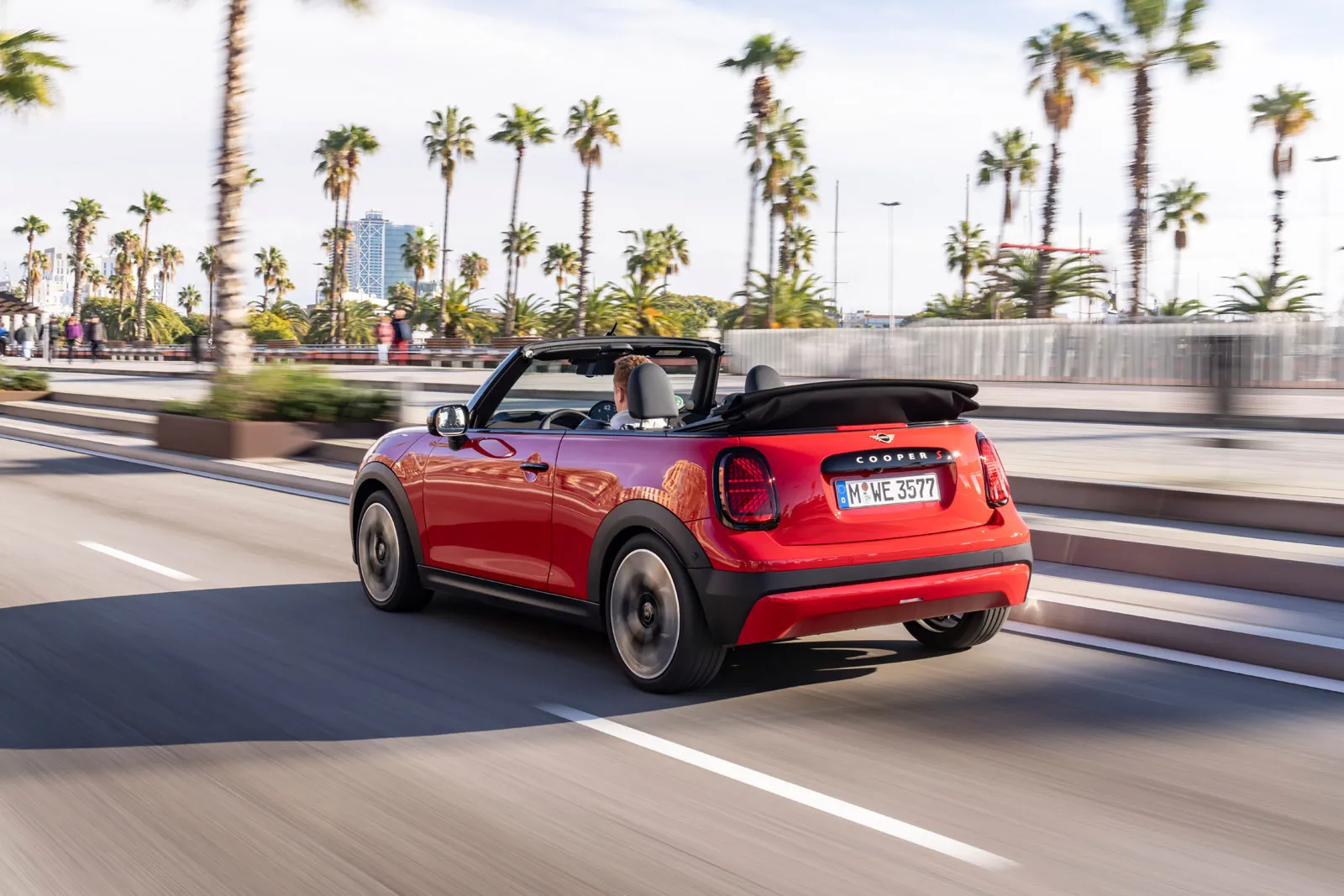
Cruising with the roof down offers an unmatched sensory experience, blending the rush of wind with panoramic views. However, this liberation from a fixed cabin introduces an invisible battle against air resistance. Striking a balance between unbridled exhilaration and mechanical efficiency requires understanding the hidden forces shaping every mile traveled.
Mastering the Physics of Air and Weight
Confronting the Invisible Wall of Wind
The most significant challenge facing open-top vehicles is the battle against aerodynamic drag, a force that increases exponentially with speed. In a standard sedan or coupe, the body is designed to slice through the air, allowing the wind to flow smoothly over the hood, across the roof, and off the trunk lid. This laminar flow minimizes resistance and helps the engine maintain speed with less effort. However, the moment the roof is retracted, that smooth profile is disrupted. The cabin acts as a giant scoop, capturing air and creating a pocket of high-pressure turbulence.
This phenomenon creates what engineers often refer to as a "parachute effect." The swirling air inside the cabin drags on the vehicle, effectively pulling it backward. To overcome this increased resistance, the engine must work harder and burn more fuel just to maintain a constant highway speed. While city driving at lower speeds mitigates this issue, highway cruising with the top down can significantly degrade gas mileage. Modern automotive engineering has attempted to address this by introducing wind deflectors, strategically angled windshields, and aerodynamic humps behind the headrests. These features help guide the air over the passengers rather than into the cabin, reducing the severity of the drag, though never eliminating it entirely.
| Feature | Retractable Hardtop | Fabric Soft Top |
|---|---|---|
| Aerodynamic Profile (Closed) | Smooth airflow similar to coupes; minimal turbulence. | Can suffer from surface friction or shape distortion at high speeds. |
| Weight Impact | Significantly heavier due to complex metal and glass mechanisms. | Generally lighter, though frame reinforcements are still required. |
| Insulation & Efficiency | Excellent thermal and sound insulation; reduces AC usage. | Improved in modern cars, but generally less insulated against temperature extremes. |
| Center of Gravity | Shifts upward when closed, potentially affecting handling. | Lower mass keeps the center of gravity closer to the road. |
| Drag Penalty (Open) | High turbulence; disrupts airflow over the rear deck. | High turbulence; similar drag issues to hardtops when retracted. |
The Hidden Burden of Structural Rigidity
Beyond the wind, there is the inescapable issue of gravity. It is a common misconception that removing a roof makes a car lighter. In reality, the roof of a vehicle is a critical structural component, acting much like the top chord of a truss bridge. It ties the front and rear of the car together, providing rigidity and preventing the body from flexing or twisting during turns. When this structural element is removed to create an open-top experience, the chassis loses a significant amount of its inherent strength.
To compensate for this loss, engineers must reinforce the vehicle's "underbelly." This involves adding heavy steel or aluminum bracing to the floorpan, side sills, and bulkheads to ensure the car remains stiff and safe. Furthermore, the mechanical systems required to operate the roof—whether they are electric motors, hydraulic pumps, or intricate metal linkages—add substantial mass. Consequently, a convertible is almost always heavier than its fixed-roof counterpart.
Powertrains and the Driver’s Influence
Selecting the Heart of the Machine
When choosing a vehicle designed for open-air leisure, the engine selection process becomes a reflection of the driver’s lifestyle and priorities. The market is currently divided between two distinct philosophies: the efficiency of forced induction and the raw character of large displacement. Smaller displacement engines equipped with turbochargers have become the industry standard for those seeking a balance between performance and economy. These engines offer the ability to cruise efficiently using very little fuel while providing a surge of power via the turbo when necessary. For the daily commuter who enjoys the occasional weekend drive, this configuration offers a pragmatic solution to the efficiency puzzles inherent in heavier convertibles.
Conversely, there remains a purist segment of the market dedicated to larger, naturally aspirated engines. In a sports car, the engine is not just a power source; it is a musical instrument. The sound of a large engine revving freely with the top down is a primary selling point for many enthusiasts. However, this auditory pleasure comes at a steep price at the pump. Larger engines typically have higher friction losses and consume more fuel even at idle or low loads.
| Driving Scenario | Roof Configuration | Efficiency Impact | Recommended Strategy |
|---|---|---|---|
| City Traffic (Stop & Go) | Open or Closed | Impact is mostly weight-related. Drag is negligible at low speeds. | Keep the roof down for enjoyment; accelerate gently to manage weight penalty. |
| Highway Cruising (60+ MPH) | Open | High drag significantly increases fuel consumption (up to 20% loss). | Close the roof and use climate control for better aerodynamics. |
| Scenic Coastal Roads | Open | Moderate drag; enjoyment factor outweighs efficiency loss. | Perfect scenario for top-down driving; keep speeds moderate. |
| Cold/Hot Weather | Closed | AC/Heater usage impacts fuel, but less than aerodynamic drag. | rely on heated seats/steering wheel rather than blasting full cabin heat. |
The Art of Momentum and Restraint
Regardless of the engine under the hood, the single most influential factor in fuel economy is the driver’s behavior. The psychological effect of driving a sporty, open-top car cannot be understated; the sensory feedback of the wind and exhaust note often encourages a heavier foot on the accelerator. This "spirited" driving style creates a vicious cycle where the engine operates in its least efficient power band, compounding the penalties of weight and drag previously discussed.
Efficiency in a convertible is about maintaining momentum. Because these cars are often heavier, bringing them up to speed from a dead stop requires a significant injection of fuel. Drivers who anticipate traffic flow, coast toward red lights, and accelerate smoothly can mitigate the weight penalty. Smooth inputs are key; treating the throttle as a dimmer switch rather than an on/off toggle allows the transmission to shift early and keeps the engine RPMs low.
Maintenance and Environmental Awareness
Optimization Through Maintenance
The relationship between a vehicle’s condition and its efficiency is magnified in performance-oriented cars. One of the most overlooked aspects of fuel economy is tire health. Sports cars often utilize wider, softer compound tires to maximize grip. If these tires are under-inflated, rolling resistance increases dramatically. It is akin to trying to ride a bicycle through sand; the engine must work significantly harder to keep the car rolling. Regular checks to ensure tires are inflated to the manufacturer’s recommended pressures are the simplest and most effective way to preserve efficiency.
Weight management extends beyond the car's construction to what is carried inside it. Since the vehicle is already fighting a weight disadvantage due to chassis reinforcement, utilizing the trunk as a permanent storage locker for golf clubs, tools, or gym bags adds unnecessary strain. Every pound removed contributes to better fuel economy and sharper handling. Owners should view the trunk as a temporary transport space rather than long-term storage.
Additionally, external accessories requires careful consideration. Removable luggage racks or aesthetic spoilers can further disrupt airflow. While they may look appealing, they add to the aerodynamic clutter that the engine must push through. Keeping the exterior surface of the car as clean and sleek as possible ensures that the vehicle cuts through the air with minimal disturbance.
Climate Control and Cabin Management
The way a driver manages the cabin environment also dictates energy consumption. In a standard car, the debate between "windows down" and "AC on" is a classic efficiency argument. In a convertible, this dynamic is more complex. When driving with the top down, the climate control system works overtime to heat or cool a space that has no boundaries. Blasting the heater on a crisp autumn drive or the air conditioning in summer puts a tremendous load on the engine, as the compressor or electrical systems draw power to fight a losing battle against the ambient air.
A more efficient approach involves using targeted comfort features. Heated seats and heated steering wheels conduct heat directly to the body and consume far less energy than trying to warm the rushing air inside the cabin. Similarly, wearing appropriate clothing—a windbreaker or a cap—allows the driver to reduce reliance on the HVAC system.
Q&A
How do convertible cars and fuel economy relate to each other?
Convertible cars often have a lower fuel economy compared to their hardtop counterparts due to their heavier weight and less aerodynamic design. The additional weight from structural reinforcements needed for safety without a fixed roof can decrease fuel efficiency. Additionally, the unique design elements required for convertibles can lead to increased air resistance, impacting overall fuel economy.
What is the impact of aerodynamics on convertible cars?
Aerodynamics plays a crucial role in the fuel efficiency of any vehicle, including convertibles. Convertibles typically have a less streamlined shape when the top is down, leading to increased drag. This increased air resistance can result in higher fuel consumption. To mitigate this, some manufacturers design convertibles with wind deflectors and streamlined shapes to improve airflow and reduce drag.
What are the engine choices available for convertible cars, and how do they affect fuel efficiency?
Convertible cars offer a range of engine options, from smaller, more fuel-efficient four-cylinder engines to larger, more powerful V6 or V8 engines. The choice of engine significantly affects fuel economy; smaller engines generally provide better fuel efficiency, while larger engines offer more power but consume more fuel. Buyers must balance their desire for performance with the need for better fuel economy.
How does driving style impact the real-world MPG of convertible cars?
Driving style greatly influences the real-world miles per gallon (MPG) of convertible cars. Aggressive driving behaviors, such as rapid acceleration, speeding, and frequent braking, can drastically reduce fuel economy. Conversely, adopting a smooth driving style with gradual acceleration and maintaining steady speeds can enhance fuel efficiency, especially in convertible cars where aerodynamics are already challenged.
What are the efficiency tradeoffs and cost awareness considerations for convertible cars?
When considering a convertible car, buyers must weigh efficiency tradeoffs against the enjoyment and lifestyle benefits these vehicles offer. Convertibles might have higher operating costs due to their typically lower fuel economy and potentially higher insurance premiums. Cost awareness is essential, as maintenance and repair costs can also be higher for convertibles due to their complex roof mechanisms and specialized parts. Buyers should consider these factors alongside the initial purchase price when assessing the overall cost of ownership.