
Sun-soaked drives and the allure of a dynamic silhouette define the dream of owning a vehicle that blends open-air freedom with sleek design. Navigating these four-wheeled fantasies involves careful considerations, from comparing options that cater to budgetary constraints to ensuring a harmonious match with personal lifestyle aspirations.
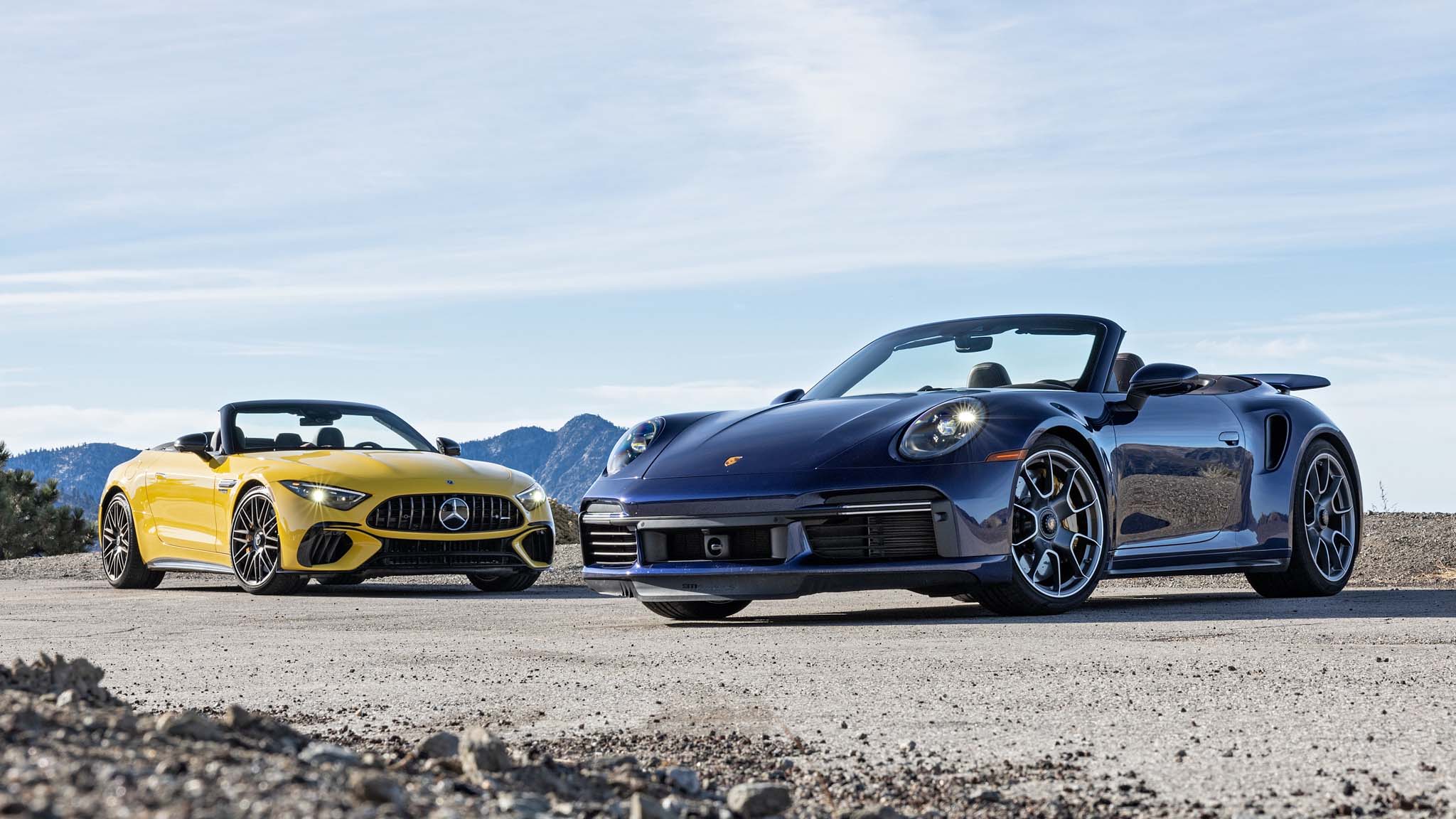
Sun-soaked drives and the allure of a dynamic silhouette define the dream of owning a vehicle that blends open-air freedom with sleek design. Navigating these four-wheeled fantasies involves careful considerations, from comparing options that cater to budgetary constraints to ensuring a harmonious match with personal lifestyle aspirations.
Deciding Between Showroom Shine and Pre-Owned Value
The Strategic Advantages of Purchasing a New Model
Opting for a brand-new vehicle offers the undeniable benefit of the latest technological advancements and the peace of mind provided by comprehensive warranties. In the realm of drop-top motoring, manufacturers have made significant strides in comfort, ensuring that driving with the roof down is a pleasure even outside the peak summer months. Features such as neck warmers, heated seats, and heated steering wheels—often optional on coupes—are frequently standard on modern open-top variants. This ensures that the vehicle remains a versatile companion throughout the changing seasons, rather than just a fair-weather toy. Furthermore, the inclusion of maintenance packages and factory warranties alleviates the anxiety often associated with the complex mechanical systems found in convertible roofs.
Navigating the Pre-Owned Market for Maximum Value
Conversely, the secondary market is where the astute buyer can find exceptional value, primarily because the steepest depreciation curve typically occurs within the first few years of ownership. For buyers who prioritize performance or higher trim levels, purchasing a pre-owned vehicle often allows access to larger engines or luxury packages that would be prohibitively expensive if bought new. Additionally, in an era where supply chain issues can delay new vehicle deliveries, the immediate availability of a used car is a significant advantage. Being able to drive away the same day satisfies the immediate desire for open-air cruising without the uncertainty of factory waiting lists.
| Feature | New Vehicle Purchase | Pre-Owned Market Acquisition |
|---|---|---|
| Warranty & Support | Full manufacturer coverage and maintenance packs offer maximum peace of mind. | Varies by age; Certified Pre-Owned (CPO) options provide limited but valuable protection. |
| Technology | Access to latest safety aids, infotainment, and climate control innovations. | Tech may be dated, but aftermarket upgrades can sometimes bridge the gap. |
| Availability | Potential wait times for custom orders or specific configurations. | Immediate delivery, though specific color/trim combinations rely on luck. |
| Value Retention | Subject to steep initial depreciation immediately after purchase. | Lower entry price with a more stable depreciation curve over time. |
Critical Inspection Points and Mechanical Integrity
Scrutinizing Maintenance History and Basic Condition
When evaluating a used convertible, the transparency of its history is paramount. A gleaming exterior can easily mask neglect, so the first step should always be a deep dive into the maintenance records. A vehicle that has been serviced regularly at authorized centers suggests an owner who treated the car as a prized possession rather than a mere conveyance. Look for consistent oil changes and timely replacement of consumables. Interestingly, extremely low mileage isn't always the gold standard; a car that has been driven regularly on highways often endures less mechanical stress than one that has spent its life in stop-and-go city traffic or sitting dormant in a garage, where seals can dry out and fluids can degrade.
Beyond the engine, the suspension and braking systems require close attention. Convertibles are often heavier than their fixed-roof counterparts due to added structural bracing, which places extra load on tires and brakes. Check for uneven tire wear, which could indicate alignment issues or suspension fatigue. It is highly recommended to seek out vehicles that have undergone rigorous multi-point inspections, such as those found in manufacturer-backed certification programs. These vehicles have typically passed stringent standards covering everything from powertrain health to cosmetic condition, offering a layer of security that a private sale cannot match. If buying privately, investing in a pre-purchase inspection by a qualified specialist is a non-negotiable step to uncover hidden liabilities like accident repairs or rust.
The All-Important Roof Mechanism Assessment
The defining feature of this vehicle class—the retractable roof—is also its potential Achilles' heel. Whether the car sports a classic soft top or a complex retractable hardtop, the operating mechanism must be tested repeatedly. You are looking for smooth, consistent operation without hesitation, shuddering, or concerning mechanical grinding noises. Modern roofs are marvels of engineering involving hydraulic pumps, electric motors, and sensors; a failure in this system can be financially devastating. Operate the roof while standing outside the car to listen for odd sounds, and then again from the inside to ensure the locking latches engage securely without rattling.
Visual inspection of the roof materials is equally critical. On soft tops, look for fraying seams, mold, or tears, particularly at the fold points. For all types, the condition of the rubber weather stripping is vital; cracked or brittle seals are a guaranteed recipe for water leaks and wind noise. Furthermore, practical usability must be tested. Open the trunk with the roof down to understand the actual cargo capacity, as many models sacrifice significant luggage space to store the folded top. Finally, a test drive should include highway speeds with the roof up to evaluate sound insulation, and with the roof down to assess wind buffeting. This "real-world" test reveals whether the car remains a comfortable conversation space or becomes an exhausting wind tunnel at speed.
Balancing Lifestyle Fit and Financial Reality
Evaluating Environmental and Practical Compatibility
Selecting the right open-top vehicle requires an honest assessment of your daily driving environment and how the car fits into your broader life. For those living in coastal regions or areas with scenic mountain passes, the vehicle serves as a gateway to nature, enhancing every drive with sensory engagement. However, environmental factors like salt air require vigilance regarding rust prevention, making the choice of materials and finish crucial. Conversely, if the vehicle is intended for urban commuting, considerations shift toward cabin isolation, security, and visibility. The romantic image of a convertible must be reconciled with the reality of sitting in traffic under a blazing sun or heavy smog, making superior climate control and air filtration systems essential.
The distinction between a "daily driver" and a "weekend cruiser" also dictates the type of vehicle you should pursue. A daily driver needs to offer reliability, reasonable fuel economy, and enough practicality to handle grocery runs or airport pickups. In this scenario, a newer model with advanced driver-assist systems and a warranty is logical. For a weekend car, you might prioritize raw driving dynamics, exhaust notes, and aesthetic character over strict practicality, perhaps tolerating a stiffer ride or smaller trunk for the sake of engagement. Understanding this usage pattern helps in deciding whether to lease a new model to constantly enjoy the latest features or to purchase an older, more soulful model that may require more hands-on care but offers a unique driving purity.
Understanding the Total Cost of Ownership
The financial commitment of owning a convertible extends beyond the initial purchase price or monthly loan payment. Prospective owners must account for the specific running costs associated with these vehicles. Insurance premiums can differ significantly from standard sedans due to the complexity of repairs and theft risks associated with soft tops. Furthermore, fuel efficiency varies wildly; a turbocharged four-cylinder engine might offer a frugal commute, while a high-performance V8 will demand a significant budget for premium fuel. It is wise to research real-world fuel economy figures rather than relying solely on manufacturer estimates, especially if the car encourages spirited driving.
| Consideration | Daily Commuter Use | Weekend/Recreational Use |
|---|---|---|
| Comfort Priority | High: Needs excellent sound insulation, climate control, and smooth automatic transmission for traffic. | Moderate: Focus shifts to engine feedback, exhaust note, and handling dynamics. |
| Practicality | Essential: Trunk must hold groceries/gym bags; rear seats (if any) may need to be usable. | Flexible: Limited storage is acceptable; passenger capacity is less critical. |
| Maintenance | Critical: Reliability is paramount; downtime for repairs disrupts daily life. | manageable: Occasional downtime for parts or service is acceptable for a "toy." |
| Wear & Tear | High: Exposure to elements, parking lots, and high mileage requires durable finishes. | Low: Garaged storage and fair-weather driving preserve the vehicle's condition. |
Q&A
What are the main considerations when choosing between a new and used convertible car?
When deciding between a new and used convertible, consider factors such as budget, depreciation rates, warranty coverage, and available features. New convertibles often come with the latest technology and full warranties, but they depreciate quickly. Used convertibles can offer better value for money, but it's important to consider the vehicle's history and potential maintenance costs.
What should be included in an inspection checklist for a convertible car?
An inspection checklist for a convertible car should include checking the condition of the roof mechanism, ensuring it operates smoothly, examining the seals for leaks, inspecting the body for rust or damage, and testing the functionality of all electrical components. Additionally, it's important to review the car's maintenance history and take it for a test drive to check for unusual noises or handling issues.
Why is roof operation testing crucial when buying a convertible?
Roof operation testing is crucial because it ensures the convertible top functions properly, which is essential for both comfort and safety. A malfunctioning roof can lead to leaks, increased noise levels, and potential mechanical failures. Testing the roof operation helps identify any issues with the hydraulic or electric systems that may need repair.
How do ownership costs differ between new and used convertibles?
Ownership costs for convertibles can vary significantly between new and used models. New convertibles generally have higher insurance premiums and experience steeper depreciation, while used convertibles might require more frequent maintenance and repairs. It's important to budget for potential costs like insurance, taxes, registration, and regular maintenance when considering ownership.
How can a convertible car fit into one's lifestyle, and what are common buyer mistakes to avoid?
A convertible car can enhance a lifestyle focused on leisure and driving enjoyment, especially in regions with favorable weather. However, common buyer mistakes include underestimating the practicality of a convertible for everyday use, ignoring storage space limitations, and neglecting to test drive with the roof both up and down. It's essential to align the choice of a convertible with personal needs and preferences to ensure it complements your lifestyle.