
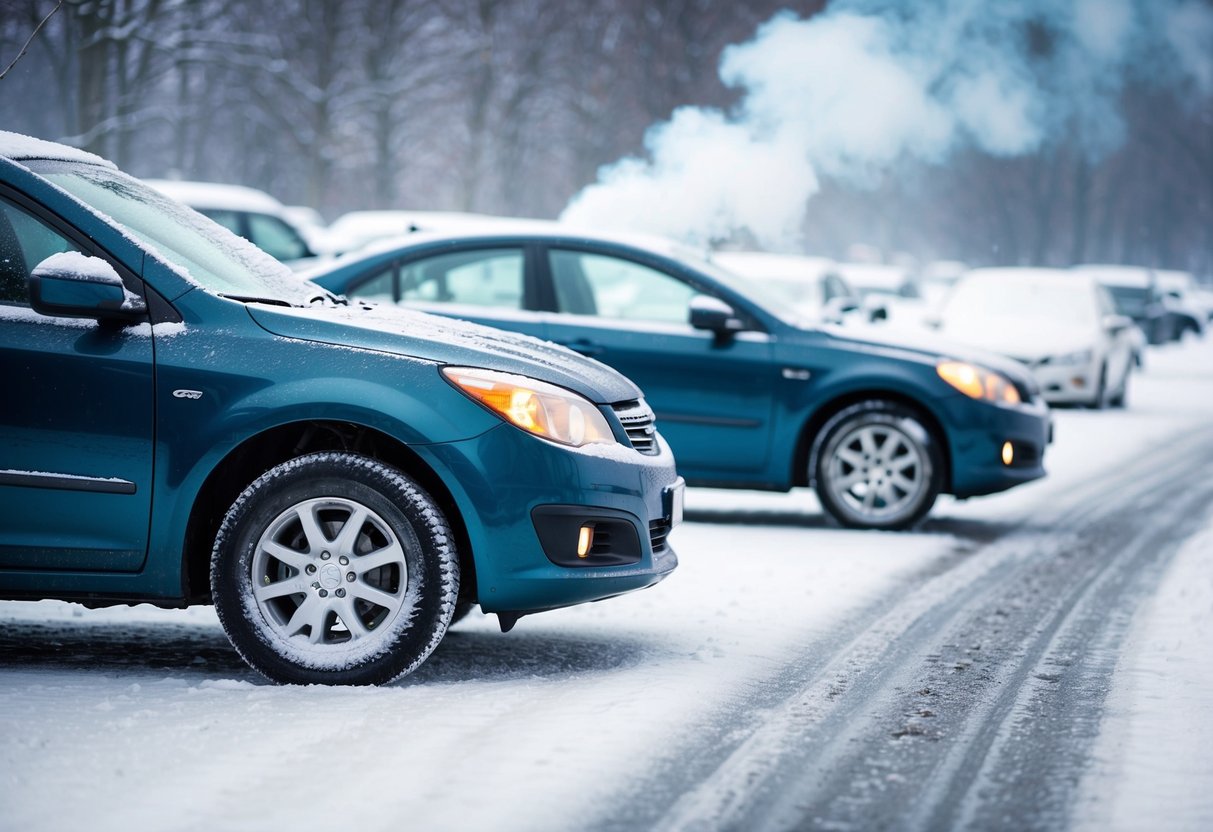
Choosing a vehicle in a region defined by harsh winters involves a distinct set of priorities. Beyond aesthetics and features, the vehicle must consistently perform as a dependable sanctuary against ice, snow, and sub-zero temperatures. The used car market offers excellent options for this challenge, provided the evaluation process focuses on specific systems vulnerable to cold-weather stress.
The Foundational Systems for Winter Reliability
A vehicle's suitability for cold weather is determined long before the first snowfall. Key systems must not only function but excel under thermal duress. Prospective buyers should prioritize mechanical resilience over luxury, focusing on components that ensure the vehicle starts, moves, and protects its occupants when conditions are at their worst.
Ensuring Consistent Cold Starts
Cold start reliability is the non-negotiable first test of a winter-worthy vehicle. This depends heavily on the health of several interconnected systems. The battery bears the initial burden; cold temperatures dramatically reduce its cranking power. A battery nearing the end of its life may fail to start the engine on a frigid morning, even if it worked fine in the fall. The starter motor must also be robust, as it must turn a stiff, cold engine. Furthermore, the engine's internal health is critical. Worn piston rings or valve guides can lead to low compression, making a cold start difficult. During a test drive in cold conditions, pay close attention to how readily the engine fires. A healthy engine should start within a few seconds of cranking, without excessive struggle or noise.
Addressing the Heart of Electrical Performance
Directly linked to starting is overall battery performance issues in winter. A used car's electrical system must be evaluated holistically. The alternator must be capable of recharging a depleted battery quickly, especially on short trips common in winter. Have the charging system tested under load to ensure it delivers the proper voltage. Corroded or loose battery terminals and ground connections are a common culprit for electrical gremlins and must be cleaned and tightened. Inside the cabin, assess the draw of all electrical accessories. Features like heated seats, steering wheels, and defrosters place significant demand on the system. A vehicle with a weak alternator or a battery at marginal capacity will struggle to power these comforts while keeping the battery charged, leading to a no-start situation.
Proactive Protection and Preparedness
Acquiring a vehicle that can handle the cold is only half the battle; preparing it to withstand seasonal assault is equally vital. This involves both equipping the vehicle correctly and vigilantly guarding against the insidious, long-term damage that winter inflicts.
The Non-Negotiable Importance of Proper Footwear
Arguably the most critical safety and performance upgrade for any vehicle in winter is proper winter tire compatibility. All-wheel drive helps a vehicle move, but winter tires are essential for it to stop and turn. When evaluating a used car, check the wheel well size and consult the owner's manual to confirm it can accommodate a dedicated set of winter tires, which often have a smaller diameter but higher sidewall. Look for signs of previous owner foresight, such as extra wheel bolt patterns (indicating a second set of rims) or receipts for seasonal tire changes. Using all-season tires in severe cold is a compromise; their rubber compound hardens below 45°F (7°C), drastically reducing grip. Dedicated winter tires remain pliable, providing exponentially better traction on ice, packed snow, and cold, wet pavement.
Combating Invisible Winter Damage
The greatest long-term threat to a vehicle in cold climates is corrosion risks from road salt and moisture. This requires a meticulous inspection. Thoroughly examine the undercarriage, focusing on the frame rails, suspension components, brake lines, and fuel lines. Surface rust is common, but flaking, scaly rust or holes are severe red flags. Check inside wheel arches and along door sills and rocker panels for bubbling paint, a sure sign of corrosion from within. Inspect the exhaust system for rust-through. A vehicle from a salt-free region will have a significant advantage in long-term structural integrity. Post-purchase, regular, professional undercarriage washes throughout the winter are the best defense to remove salt and slow this destructive process.
Verification and Seasonal Maintenance Regimen
The final steps involve verifying the vehicle's ability to provide comfort and implementing a rigorous, cold-weather-specific maintenance plan. This turns a capable vehicle into a trustworthy and comfortable winter companion.
Validating Cabin Comfort and Defrosting Capability
A fully functional heating system is a critical safety feature, not just a comfort item. During your inspection, start the engine from cold and monitor how quickly warm air begins to flow from the vents. A thermostat stuck open will cause the engine to run too cool and heat to arrive very slowly. Ensure the heater core is functioning by testing the temperature at various fan speeds; low heat output can indicate a clogged core. Critically, test all defroster functions—front windshield, rear window, and side mirrors. These systems must work powerfully and quickly to maintain visibility. A malfunctioning blower motor or faulty blend door actuators can leave you driving blind in a storm. These checks are essential for ensuring the cabin remains a safe, controlled environment.
Implementing a Cold Climate Maintenance Philosophy
Ownership in a cold climate demands a dedicated cold climate maintenance schedule. This goes beyond the owner's manual. Key actions include using engine oil with the correct viscosity rating (often a lower "W" number for better cold flow), ensuring the coolant is at the proper mix and protection level (usually -34°F/-37°C or lower), and using winter-grade windshield washer fluid. Door seals and lock cylinders should be treated with silicone spray to prevent freezing. Regularly checking tire pressure is crucial, as it drops with ambient temperature. Battery terminals should be kept clean, and consider using a battery blanket or maintainer if the vehicle is parked outside in extreme cold for extended periods. This proactive, seasonal mindset is key to preventing failures.
Q&A
Q: What is the most common cause of cold start failure in a used car?
A: The most common cause is a weak or aged battery. Cold temperatures drastically reduce a battery's cranking amps. A battery that is 3-4 years old and has never been replaced is a high-risk item and should be tested under load or proactively replaced before winter.
Q: Are all-wheel drive (AWD) and winter tires interchangeable for safety?
A: No, they serve fundamentally different purposes. AWD primarily aids in acceleration and getting moving from a stop. Winter tires are specifically designed for traction in braking and cornering on snow and ice. For maximum safety, winter tires are essential, regardless of the drivetrain.
Q: How can I check for hidden corrosion during a pre-purchase inspection?
A: Look beyond surface rust. Use a flashlight to inspect inner wheel wells, frame rails, and the underside of floor pans. Gently poke suspect areas with a screwdriver (with permission); solid metal should not flake or puncture. Pay special attention to where different panels weld together, as these are corrosion hotspots.
Q: My used car's heater blows lukewarm air. What could be wrong?
A: The most likely causes are a low coolant level, a stuck-open thermostat preventing the engine from reaching proper operating temperature, or a clogged heater core. A mechanic can diagnose which issue is present through a cooling system pressure test and temperature checks.
Q: What are the top three pre-winter maintenance tasks for a used car?
A: First, have the battery and charging system professionally tested and replace the battery if weak. Second, install a dedicated set of four winter tires on all driving wheels. Third, service the cooling system, ensuring the correct antifreeze mixture and that the thermostat is functioning properly.