
The process of transferring ownership of a used vehicle is governed by a complex web of regulations that extend beyond a simple bill of sale. These rules, designed to ensure road safety and environmental compliance, create a legal framework that both buyers and sellers must navigate. Understanding the obligations, variations, and implications of these inspection mandates is essential for completing a lawful transaction and safeguarding against future liabilities.
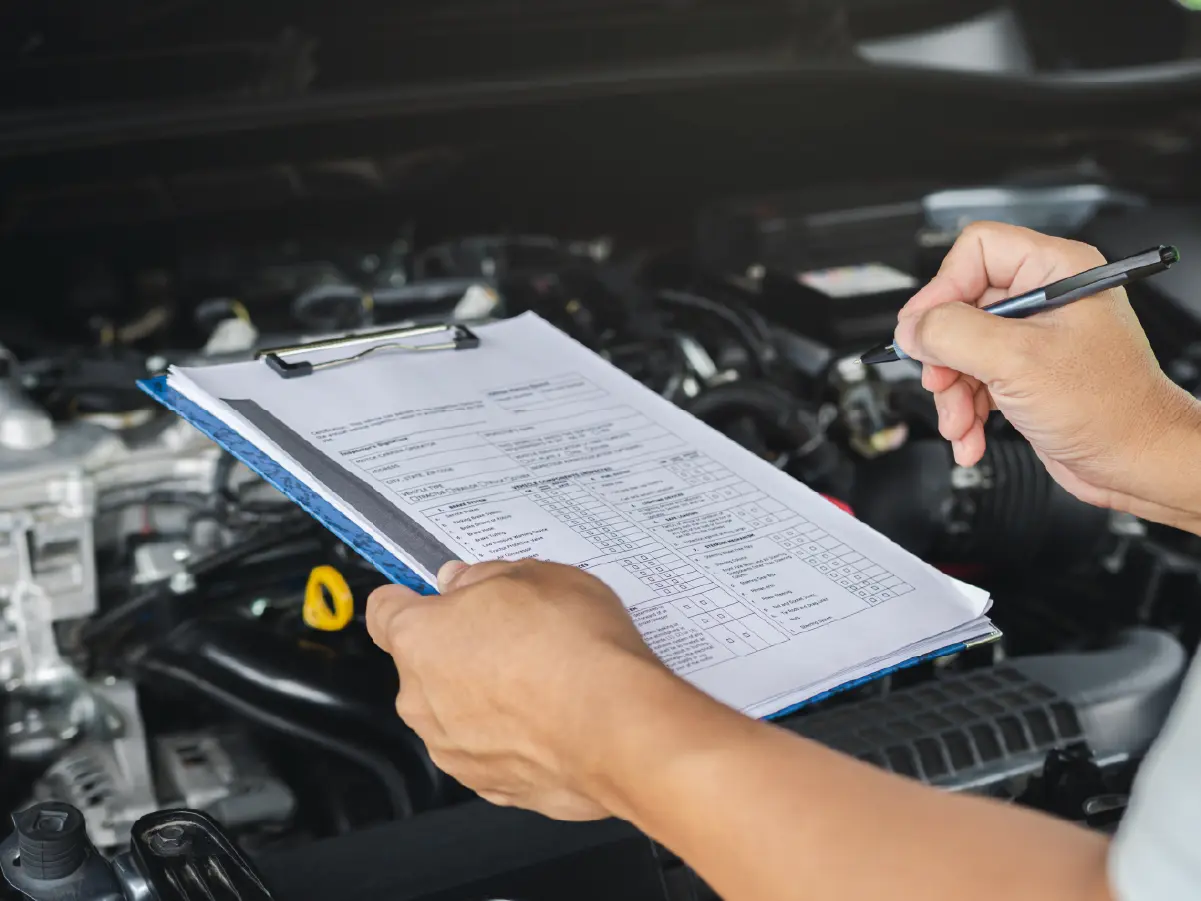
The process of transferring ownership of a used vehicle is governed by a complex web of regulations that extend beyond a simple bill of sale. These rules, designed to ensure road safety and environmental compliance, create a legal framework that both buyers and sellers must navigate. Understanding the obligations, variations, and implications of these inspection mandates is essential for completing a lawful transaction and safeguarding against future liabilities.
The Framework of Mandatory Safety and Emissions Inspections
In many jurisdictions, the legal operation of a vehicle on public roads is contingent upon periodic inspections. These are not suggestions but enforceable legal requirements with direct consequences for non-compliance.
Understanding the Scope of Required Inspections
Mandatory inspection rules are typically established by regional transportation or environmental authorities. Their primary purpose is to verify that a vehicle meets minimum safety standards. A standard safety inspection protocol examines critical systems including, but not limited to, brake functionality and pad thickness, tire tread depth and condition, all exterior and interior lighting (headlights, brake lights, turn signals), windshield wiper operation, steering and suspension integrity, and the condition of essential components like mirrors and the horn. Separately, emissions compliance inspections are mandated in areas with air quality concerns. These tests measure the concentration of pollutants, such as hydrocarbons (HC), carbon monoxide (CO), and oxides of nitrogen (NOx), in a vehicle's exhaust. They often involve connecting to the vehicle's On-Board Diagnostics (OBD-II) port to check for monitor readiness and stored fault codes. The goal is to ensure the emissions control system—including the catalytic converter, oxygen sensors, and evaporative emissions controls—is functioning as designed.
The Legal and Financial Consequences of Non-Compliance
Failing a mandated inspection carries significant inspection failure risks. The immediate consequence is typically the issuance of a rejection sticker or a failed inspection report, which legally prohibits the vehicle's registration renewal or, in some cases, its operation on public roads until repairs are made and the vehicle passes a re-inspection. This creates a direct financial liability for the current owner, who must bear the cost of repairs to bring the vehicle into compliance. From a transactional standpoint, a vehicle presented for sale without a valid, current inspection certificate may be in violation of the law. For a buyer, purchasing such a vehicle means immediately inheriting the responsibility and cost of the necessary repairs to pass inspection, effectively adding an unforeseen and potentially substantial sum to the purchase price. This transfer of legal responsibilities is a critical point in the sale process.
Navigating Jurisdictional Variations and Legal Obligations
The specific requirements and enforcement of vehicle inspections are not uniform. They can vary dramatically from one region to another, creating a landscape where a vehicle legally registered in one area may be illegal to register in another without modification.
Analyzing Regional Disparities in Inspection Protocols
The regional inspection differences can be substantial. Some regions have no periodic mandatory safety or emissions inspections for passenger vehicles once they are initially titled. Others require annual or biennial safety inspections. Emissions testing programs also vary: some areas test all vehicles annually, others test only in densely populated counties, and many have exemptions for newer vehicles (e.g., under four or six years old). The specific pass/fail criteria, such as the allowable tread depth or the emissions thresholds, can also differ. This patchwork of regulations means a buyer importing a vehicle from a region with lax or no inspection requirements into a region with stringent rules may face unexpected and costly repairs to meet the new local standards. This is a crucial due diligence step in any long-distance private party purchase.
Clarifying the Legal Duties of Sellers and Buyers
The legal responsibilities in a used vehicle transaction concerning inspections are often defined by regional consumer protection statutes or common law principles like "caveat emptor" (buyer beware). In many areas, sellers are legally required to disclose known defects that would cause a vehicle to fail a safety inspection. Misrepresenting a vehicle's condition or its inspection status can constitute fraud. However, the ultimate duty to ensure a vehicle is legally operable often falls on the buyer at the point of registration. Sellers may be required to provide a valid inspection certificate at the time of sale, or the sale may be conditional on the vehicle passing an inspection within a short timeframe. Understanding these local statutes is imperative. A seller's failure to fulfill a legally mandated disclosure or provision of an inspection certificate can provide the buyer with grounds for legal recourse, including rescission of the sale or claims for damages.
The Critical Role of Independent Pre-Purchase Verification
While complying with government-mandated inspections is a legal necessity, it represents only a minimum safety and compliance threshold. For a buyer, a thorough, independent evaluation is the most powerful tool for assessing a vehicle's true condition and value.
Going Beyond Compliance: The Comprehensive Pre-Purchase Check
A pre-purchase check conducted by a qualified, independent mechanic is fundamentally different from a state-mandated inspection. While a regulatory inspection verifies basic roadworthiness, a pre-purchase inspection is a comprehensive diagnostic assessment. It involves a trained technician putting the vehicle on a lift to examine the undercarriage for rust, fluid leaks, and damage to structural components. They will perform a test drive to evaluate engine performance, transmission operation, brake feel, steering alignment, and listen for unusual noises. They will scan the OBD-II system for pending or historic trouble codes not yet triggering a warning light. This inspection aims to identify both immediate safety concerns and latent or costly repairs that may be looming, such as a worn timing chain, a failing transmission, or compromised suspension components. It provides an objective assessment of the vehicle's mechanical health, far exceeding the scope of a pass/fail compliance test.
Integrating Legal and Mechanical Due Diligence
The most prudent approach for any buyer is to integrate an understanding of mandatory inspection rules with proactive pre-purchase checks. Before committing to a purchase, research the inspection requirements in your specific region. Ask the seller for documentation of the most recent official inspection, if applicable. Regardless of that documentation, schedule an independent inspection with a mechanic you trust. This dual-layered approach serves two vital functions: it confirms the vehicle can be legally registered and operated in your area, and it reveals the true cost of future ownership by uncovering needed repairs. This process shifts the transaction from a gamble to an informed investment, clearly defining the legal responsibilities transferred and the mechanical condition being acquired. It is the single most effective action a buyer can take to mitigate financial risk and ensure a sound purchase.
Q&A
Q: What is typically checked during a mandatory vehicle safety inspection?
A: A standard mandatory safety inspection focuses on critical roadworthiness items. These include brake system function and pad/shoe thickness, tire condition and tread depth, all lighting systems (headlights, taillights, signals), windshield wipers, horn, mirrors, steering and suspension integrity, and sometimes seatbelt functionality. It is a baseline check for immediate safety hazards.
Q: If a car passes inspection in one region, is it automatically legal in another?
A: No, due to significant regional inspection differences, a passing certificate from one area does not guarantee compliance elsewhere. Emission standards, testing methods, and safety criteria vary. You must ensure the vehicle meets the specific requirements of the jurisdiction where you will register and operate it, which may require additional repairs or modifications.
Q: What happens if I buy a car that immediately fails its required emissions test?
A: You inherit the inspection failure risks and associated costs. The vehicle cannot be legally registered until repairs are made and it passes a re-inspection. The financial responsibility falls on you as the new owner, unless you can prove the seller knowingly misrepresented the vehicle's condition or violated a specific warranty of compliance required by local law.
Q: Is a seller legally required to fix issues before selling a car that won't pass inspection?
A: Legal responsibilities vary. In many regions operating under "caveat emptor," the seller is not required to repair the vehicle but may be legally obligated to disclose known defects that would cause it to fail. Some jurisdictions require the seller to provide a current inspection certificate at the time of sale. The buyer must research and understand the specific laws applicable to their transaction.
Q: How does a pre-purchase inspection differ from a state-required safety check?
A: A state-mandated inspection is a minimum compliance check for basic safety. A pre-purchase inspection is a comprehensive, paid evaluation by an independent mechanic. It is far more detailed, assessing long-term reliability, identifying costly impending repairs, and evaluating the overall mechanical condition to inform your buying decision and negotiation. It is advisory, not a legal requirement for registration.