
For many, acquiring a vehicle is one of the most significant purchasing decisions, representing a major financial commitment. This choice often centers on a fundamental question: invest in a new model with the latest innovations or seek value in a vehicle with proven history. Each path offers distinct advantages and trade-offs that impact long-term finances, ownership experience, and personal priorities.
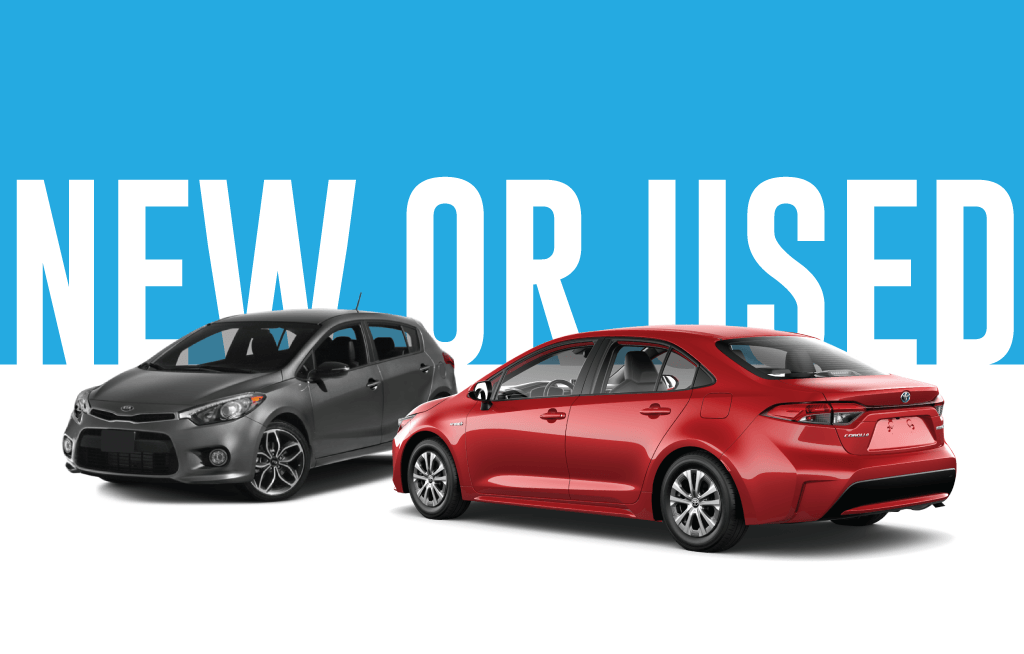
For many, acquiring a vehicle is one of the most significant purchasing decisions, representing a major financial commitment. This choice often centers on a fundamental question: invest in a new model with the latest innovations or seek value in a vehicle with proven history. Each path offers distinct advantages and trade-offs that impact long-term finances, ownership experience, and personal priorities.
Evaluating Core Financial Trajectories
The economic implications of this decision extend far beyond the initial purchase price, defining the total cost of ownership for years. Key financial variables follow entirely different patterns for new and used vehicles, painting a clear picture of long-term value.
Understanding Depreciation: The Largest Cost
The most significant financial distinction lies in the depreciation comparison. A new vehicle experiences its most severe value loss immediately, often depreciating 20% to 30% the moment it is driven off the lot. This steep decline continues rapidly over the first three years, where the vehicle can lose nearly half its original value. This represents a substantial, non-recoverable cost absorbed entirely by the first owner. In contrast, a pre-owned vehicle, particularly one that is two to four years old, has already endured this steepest part of the depreciation curve. Its subsequent annual loss in value is markedly slower and more predictable. From a pure asset-preservation perspective, purchasing used allows another party to shoulder the heaviest financial burden of ownership.
Projecting Long-Term Ownership Expenses
Beyond depreciation, the repair cost differences and warranty coverage contrast shape ongoing budgets. A new car offers a substantial period of predictable costs under its comprehensive factory warranty, which typically covers most repairs for three years or more. This period of financial predictability is a major benefit. Once this warranty expires, however, owners become fully responsible for all repair costs, which can be significant for complex modern vehicles. A used car requires a more immediate and proactive financial approach. Essential initial costs include a thorough pre-purchase inspection and potential baseline servicing. While a well-chosen, reliable used model may have lower average annual repair costs, the owner must be prepared for unexpected expenses without the safety net of a full warranty, unless a certified pre-owned (CPO) or extended warranty is purchased.
Assessing Technological and Experiential Factors
Financial calculations tell only part of the story. The ownership experience, technological immersion, and long-term utility differ substantially between a brand-new vehicle and one with a history.
Navigating the Pace of Automotive Innovation
The technology gap analysis is a key consideration. A new vehicle provides guaranteed access to the very latest advancements in safety, connectivity, and efficiency. This includes the most current advanced driver-assistance systems (ADAS), infotainment platforms, and powertrain technology, such as improved hybrid systems or longer-range electric batteries. However, the pace of core technological change is often incremental. A vehicle that is two to three years old will typically offer a very modern feature set, as major generational updates usually occur on five- to seven-year cycles. For many buyers, the technology in a lightly used premium model will be far more advanced than that in a new entry-level vehicle, offering exceptional feature value at a reduced cost.
Calculating Value and Satisfaction Over Time
Evaluating value over time requires looking beyond the price tag. A new car provides intangible benefits: the certainty of its complete history, the ability to customize it exactly to specification, and the pride and pleasure of untouched ownership. Its long-term value is closely tied to meticulous maintenance to preserve its condition for resale. Conversely, a used car’s value proposition is predominantly practical and financial. It delivers essential transportation utility at a significantly lower capital investment, freeing resources for other financial goals. Satisfaction derives from reliability and low total cost of ownership rather than novelty. Maximizing value in a used car often involves driving it for many years after purchase, effectively spreading its low acquisition cost over maximum mileage and utility.
Building a Personalized Decision Matrix
The optimal choice is not universal but personal. It requires systematically aligning vehicle options with individual circumstances, financial goals, and lifestyle needs.
Aligning Financial Strategy with Vehicle Lifecycle
A practical decision framework starts with an honest financial assessment. Determine not just the maximum monthly payment, but the total amount of capital you are willing to allocate to transportation over a five- to seven-year period. Your ownership horizon is critical. If you plan to keep a vehicle for a decade or more, buying new allows you to control its entire maintenance history from the start. If you prefer to change vehicles more frequently, purchasing a two- to three-year-old model and owning it for four to five years allows you to exploit the period of slower depreciation while avoiding the steep initial loss. Your tolerance for financial risk versus mechanical risk is central to this calculation.
Weighing Priorities and Mitigating Risk
The final step involves weighing qualitative priorities against risk management. How important is having the absolute latest safety technology versus proven, established systems? What is your personal tolerance for potential unexpected repair costs? For the new car buyer, the primary risk is financial, tied to rapid depreciation. For the used car buyer, the primary risk is mechanical, related to unforeseen repairs. Your ability to mitigate that used-car risk—through an exhaustive inspection, a robust CPO warranty, or your own mechanical expertise—is a decisive factor. For some, the peace of mind offered by a new car warranty is worth a financial premium. For others, the financial efficiency and value discovery of a well-vetted used vehicle provide greater satisfaction. The right choice resolves your unique equation of resources, needs, and preferences.
Q&A
Q: What is the biggest financial advantage of buying a used car?
A: The primary advantage is avoiding the massive initial depreciation that new cars suffer. By purchasing a vehicle that is two to four years old, you let the first owner absorb the steepest 30-50% value drop, allowing you to acquire a nearly new car for a significantly lower price while facing a much slower depreciation rate.
Q: Are repair costs always higher for a used car?
A: Not necessarily. While a new car has minimal repair costs under warranty, a well-researched used model from a reliable brand may have lower long-term repair costs than a newer, more complex vehicle after its warranty expires. The key is budgeting for immediate baseline maintenance and having a fund for unexpected issues.
Q: How significant is the technology gap between a new car and a three-year-old model?
A: For most mainstream models, the technology gap is often minor, as major redesigns happen every 5-7 years. A three-year-old car will likely have modern safety features (like automatic emergency braking) and a good infotainment system. The gap is most notable in cutting-edge areas like electric vehicle battery tech or the latest semi-autonomous driving systems.
Q: Does buying a new car ever make better financial sense?
A: It can, within a specific decision framework. If you plan to own the car for a very long time (10+ years), drive a minimal number of miles, and value controlling the full maintenance history, buying new can be rational. The certainty and long-term ownership cost may justify the higher initial outlay for some buyers.
Q: How should I decide between a new car warranty and a used car's lower price?
A: Weigh your personal risk tolerance. If the thought of an unexpected $2,000 repair bill causes significant stress, the comprehensive coverage of a new car warranty provides valuable peace of mind. If you are financially prepared to handle repairs and prioritize upfront savings, the used car's value is likely more appealing. Always get a pre-purchase inspection for a used vehicle to quantify potential risk.