
Deciding on the perfect daily driver often feels like a tug-of-war between aesthetic desire and logistical reality. Whether you prioritize off-road capability and high visibility or the sheer convenience of sliding doors and low floors, understanding how these distinct vehicle types align with your specific routine is essential for a regret-free purchase.
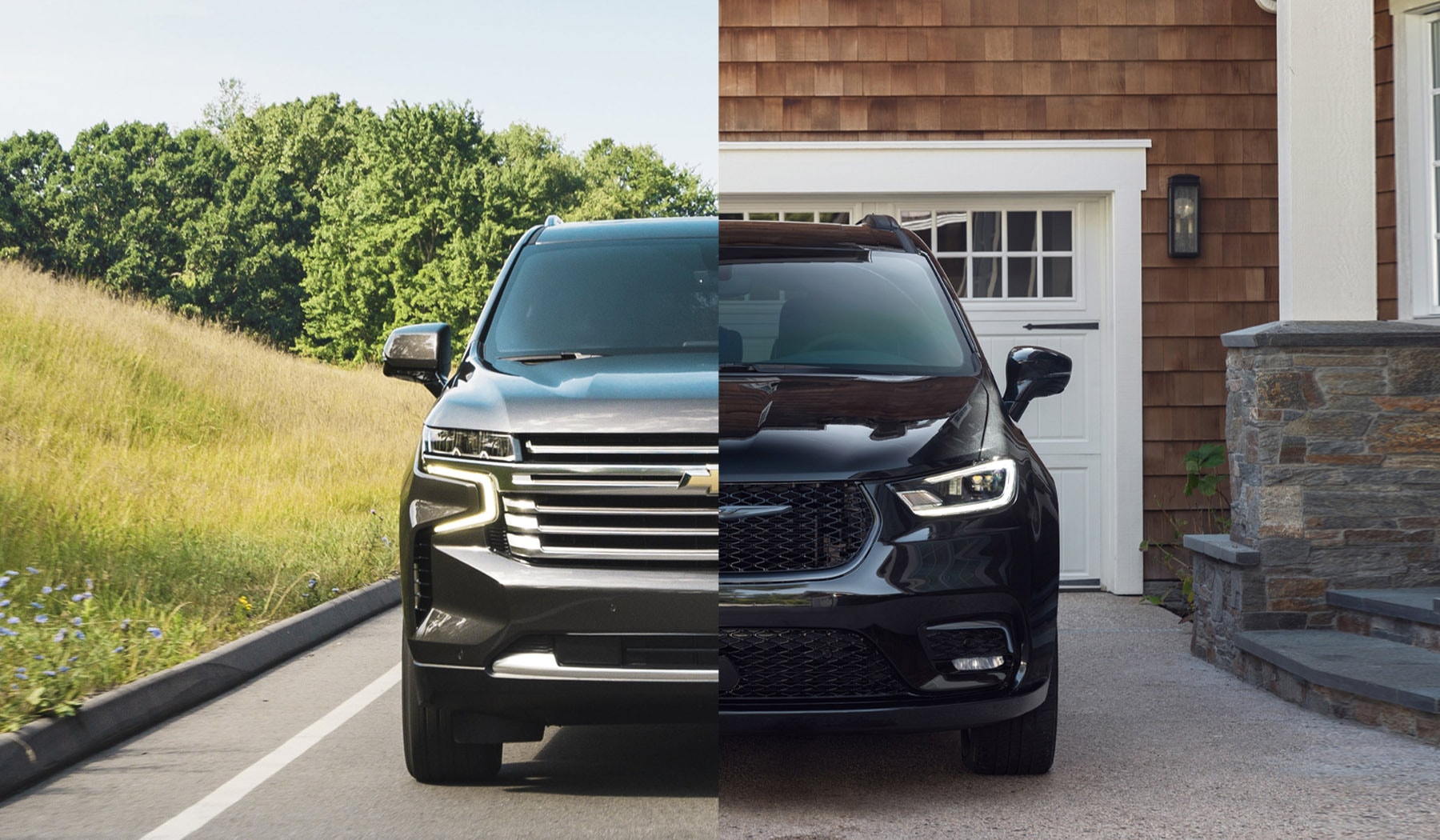
Deciding on the perfect daily driver often feels like a tug-of-war between aesthetic desire and logistical reality. Whether you prioritize off-road capability and high visibility or the sheer convenience of sliding doors and low floors, understanding how these distinct vehicle types align with your specific routine is essential for a regret-free purchase.
The Daily Logistics of Access and Ride Height
The Battle of the Doors and Entry Ease
When evaluating a vehicle for family life, the mechanism of entry is often the most underrated feature until you are stuck in a tight parking spot. This is where the fundamental design philosophy of the two contenders diverges sharply. The sliding door, a hallmark of the family hauler, is a game-changer for parents with young children. In crowded supermarket lots or narrow driveways, the ability to slide a door open along the body of the car eliminates the constant anxiety of your child accidentally dinging the neighboring vehicle. Furthermore, on windy days, these doors won't slam shut on little fingers or legs, providing a safe and controlled environment for loading passengers.
Elevated Views Versus Grounded Stability
The driving experience is heavily influenced by how the driver sits relative to the road. One of the primary reasons drivers gravitate toward rugged utility models is the commanding view of the road. The higher seating position offers a sense of security and allows the driver to see over traffic, which can be particularly reassuring during highway driving or in heavy congestion. This "cockpit" feel, often surrounded by a robust center console and a hood that stretches out visibly in front, gives a sense of protection and power that is undeniably attractive. It transforms the mundane school run into something that feels a bit more adventurous.
Interior Real Estate and Passenger Comfort
The Truth About the Third Row
Marketing materials often boast about "seven-passenger seating" for both vehicle types, but the reality of living with that third row is vastly different. In the world of dedicated people movers, the third row is generally designed to accommodate actual human adults. Thanks to the boxy architecture and deep floor wells, passengers in the furthest seats can sit with their legs in a natural position, rather than having their knees pressed against their chests. Accessing these seats is usually seamless, often involving a "captain's chair" layout in the second row that creates a central aisle, allowing kids to walk to the back without folding down seats—a massive perk when child safety seats are installed in the second row.
Conversely, in many sport utility vehicles, the third row is often an engineering compromise. It is frequently best described as "occasional" seating, suitable primarily for small children or for short trips. Because the vehicle needs to accommodate a rear differential and higher suspension components, the floor is higher, leading to a squatting seating position that can be fatiguing for adults on long journeys. Furthermore, when these seats are in use, the remaining cargo space is often minimal—barely enough for a few grocery bags. If your lifestyle involves regularly transporting six or seven people plus their luggage, the difference in cubic footage and legroom becomes the single most critical deciding factor.
| Feature | Dedicated Family Hauler (Minivan) | Sport Utility Vehicle (SUV) |
|---|---|---|
| Third-Row Access | Walk-through center aisle or wide tilt-slide; easy for all ages. | Often requires folding/tumbling 2nd row; can be difficult with car seats installed. |
| Seating Posture | Deep footwells allow for natural, chair-like seating for adults. | High floor often forces a "knees-up" position; best for children. |
| Cargo with Seats Up | Deep well behind the 3rd row typically fits strollers or full grocery runs. | Trunk space is often severely limited; may fit only backpacks or small items. |
| Cabin Flexibility | Seats often fold flat into the floor or can be removed entirely for maximum volume. | Seats usually fold flat, but wheel wells may intrude on total width. |
Cargo Capacity and Configuration Flexibility
Beyond just seating people, a family vehicle acts as a mobile storage unit. The architectural advantage of a box-on-wheels design is undeniable when it comes to hauling cargo. Many modern models offer systems where seats disappear completely into the floorboard, creating a cavernous, flat cargo area instantly. This means you can drop the kids off at school and immediately head to the hardware store to pick up sheets of plywood or bulky furniture without needing to remove heavy seats and store them in your garage. The vertical interior height also allows for transporting tall items, like bicycles or houseplants, standing up.
High-riding utility vehicles, while capable, often contend with sloped rooflines for aerodynamic or stylistic reasons. This "sporty" profile cuts into the vertical cargo space at the rear hatch. While the total volume might look impressive on paper, the usable shape of that space is often less efficient for blocky items. You might find yourself playing a game of Tetris to fit camping gear, a cooler, and a stroller. However, these vehicles often have an edge if your cargo involves towing. If your family vacations involve pulling a boat or a heavy camper, the truck-based chassis and robust towing capacity of a large utility vehicle are superior to the lighter-duty unibody construction found in most family vans.
Performance, Efficiency, and the "Cool" Factor
Bridging the Gap in Fuel Economy
Historically, the assumption was that larger, boxier vehicles were inherently inefficient gas guzzlers. However, the landscape of automotive engineering has shifted dramatically in the last decade. The introduction of advanced hybrid powertrains has leveled the playing field significantly. Modern family movers are increasingly abandoning V6 engines in favor of sophisticated hybrid systems that deliver fuel economy numbers rivaling much smaller sedans. This evolution means that the "running cost" penalty of choosing a spacious vehicle has largely evaporated. For families on a budget, this is a crucial development, as the weekly fuel bill is a tangible, recurring expense.
While utility vehicles have also embraced hybridization, their aerodynamics and weight penalties (due to 4WD systems and heavier suspension) often mean they still trail slightly in real-world efficiency compared to their van counterparts. However, they compensate with capability. The option for true four-wheel drive allows for confidence in snow, mud, and sand—environments where a front-wheel-drive van might struggle. Therefore, the efficiency debate is no longer just about Miles Per Gallon, but about the trade-off between fuel savings and terrain capability. If you live in a region with harsh winters or frequent unpaved roads, the slight dip in fuel economy is a worthy insurance premium for mobility.
Defining Your Lifestyle Image
Ultimately, the choice often transcends logic and enters the realm of identity. Vehicles are an extension of how we see ourselves and how we want to be perceived. The rugged aesthetics of a utility vehicle project an image of adventure, strength, and an active outdoor lifestyle. It says, "I might go camping this weekend," even if the destination is just the local mall. This emotional connection is powerful; drivers want to feel good behind the wheel, and for many, the aggressive stance and styling of an SUV provide a sense of satisfaction and status that a practical van cannot match.
On the other hand, choosing a van is an embrace of "substance over style." It signals a prioritization of family comfort and logistical efficiency above all else. It is a rational choice that admits, "My life is currently about managing chaos, and I need the best tool for the job." Interestingly, the stigma once attached to these vehicles is fading as a new generation of parents realizes that the stress reduction provided by sliding doors and massive interiors is a luxury in itself. The "cool" factor is being redefined; for some, the ultimate flex is having a vehicle that makes parenting significantly easier, allowing them to focus on the destination rather than the struggle of the journey.
| Lifestyle Priority | Best Fit Vehicle Type | Why? |
|---|---|---|
| The Urban Parent | Minivan | Sliding doors prevent damage in tight spots; lower height fits all garages; maximum space for errands. |
| The Adventure Seeker | SUV | Higher ground clearance for trails; AWD for snow/mud; towing capacity for boats or campers. |
| The Carpool Host | Minivan | Easy 3rd-row access keeps drop-offs fast; space for everyone's backpacks and sports gear. |
| The Image Conscious | SUV | Stylish exterior design; commanding driving position; avoids the "soccer parent" aesthetic. |
Q&A
What are the main differences between SUVs and minivans when choosing a family vehicle?
SUVs and minivans both offer advantages for families, but they differ in key areas. SUVs generally provide better off-road capabilities and a more rugged aesthetic, making them appealing for families who enjoy outdoor activities. They often come with all-wheel drive options, which can be beneficial in snowy or rough terrains. Minivans, on the other hand, typically offer more interior space and flexibility, with features like sliding doors and configurable seating, which are practical for families with small children or those who frequently carry a lot of cargo.
What interior technologies are typically found in modern SUVs and minivans?
Both SUVs and minivans are increasingly equipped with advanced interior technologies to enhance comfort and convenience. Common features include touchscreen infotainment systems, smartphone integration (Apple CarPlay and Android Auto), multiple USB ports, and rear-seat entertainment systems. Additionally, modern vehicles often come with voice-controlled navigation and climate control systems. Minivans may offer more family-oriented features, such as built-in vacuum cleaners and second-row seats that can be configured for easy access to the third row.
How do safety technologies compare between SUVs and minivans?
Safety is a critical factor for family vehicles, and both SUVs and minivans are equipped with a range of safety technologies. These typically include advanced driver-assistance systems (ADAS) like adaptive cruise control, lane-keeping assist, and automatic emergency braking. SUVs may have additional features geared towards off-road safety, such as hill descent control. Minivans often emphasize child safety features, including integrated child seats and rear-seat reminders, which alert drivers to check the back seats before exiting the vehicle.
Why might someone choose a minivan over an SUV?
People might choose a minivan over an SUV for several reasons. Minivans usually offer superior space and accessibility, making them ideal for larger families or those requiring easy entry and exit for children. The sliding doors of a minivan can be particularly advantageous in tight parking spaces. Additionally, minivans often provide better fuel efficiency compared to similarly sized SUVs, which can be a significant consideration for budget-conscious families.
What are some potential drawbacks of choosing a minivan?
While minivans offer many benefits, they also come with some drawbacks. The most notable is their less sporty and rugged image compared to SUVs, which might deter some buyers looking for a more adventurous vehicle appearance. Minivans also generally lack the off-road capabilities and higher ground clearance that many SUVs provide, limiting their use in certain terrains. Additionally, the resale value of minivans can be lower compared to SUVs, which might affect long-term ownership costs.