
Navigating the modern automotive landscape reveals an intriguing comparison between CUVs and SUVs, two categories that often seem indistinguishable at first glance. While both vehicles boast similar functionalities, subtle differences in design, ride dynamics, and consumer perception define their unique identity. From drivetrain configurations to chassis architecture, diving into these distinctions offers fascinating insights into their true versatility and the evolving consumer landscape.
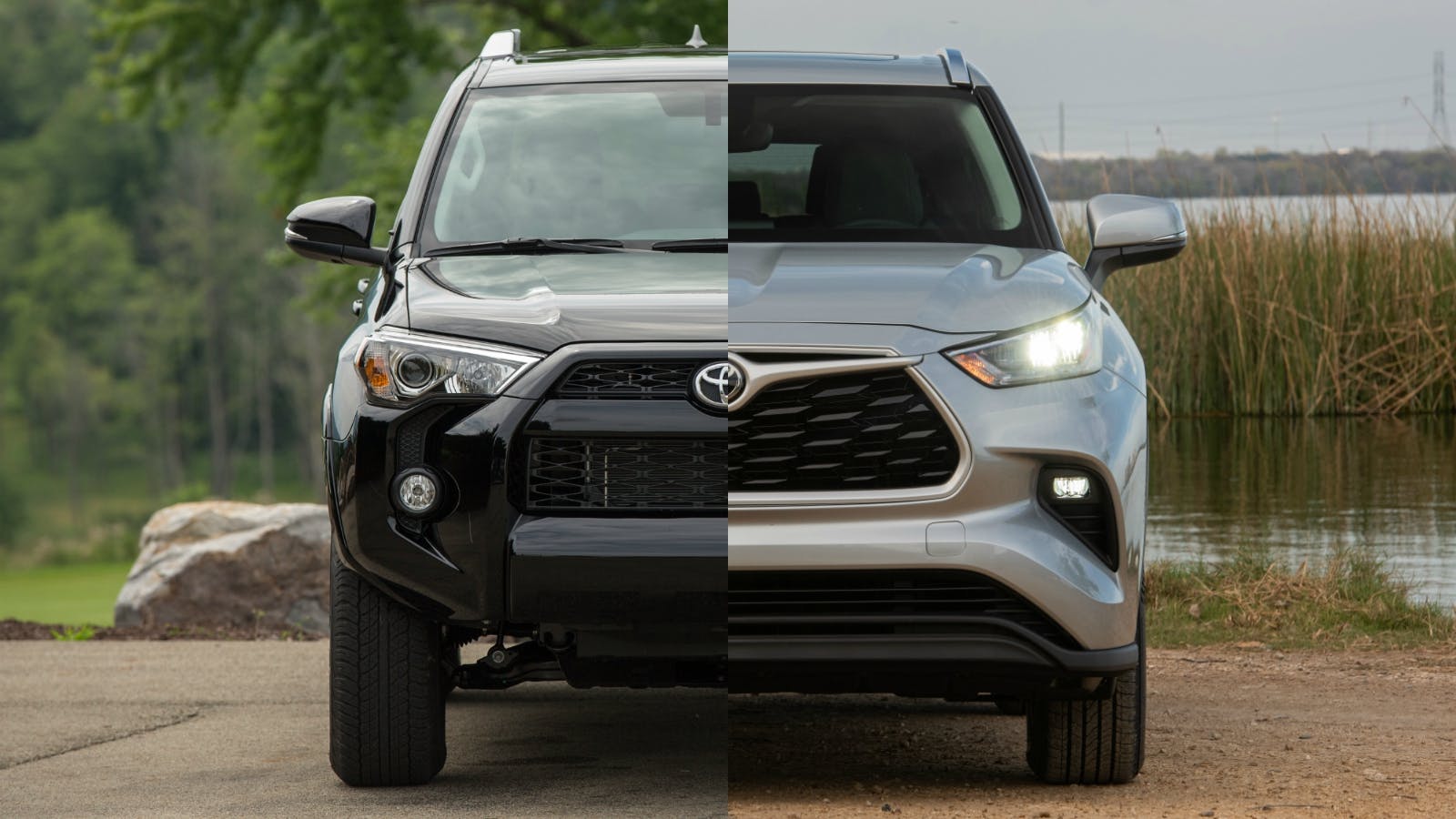
Navigating the modern automotive landscape reveals an intriguing comparison between CUVs and SUVs, two categories that often seem indistinguishable at first glance. While both vehicles boast similar functionalities, subtle differences in design, ride dynamics, and consumer perception define their unique identity. From drivetrain configurations to chassis architecture, diving into these distinctions offers fascinating insights into their true versatility and the evolving consumer landscape.
Ride Height and Driving Experience: How CUVs Differ from SUVs
Choosing the right vehicle often depends on how it feels behind the wheel. While they may look similar, the driving dynamics differ significantly between these two types.
1. Agile and Smooth Handling
CUVs are designed with a lower center of gravity compared to traditional options. This structure provides car-like handling, making them agile and smooth for city driving. Unlike the bulkier, utility-focused design of truck-based SUVs, a CUV offers sedan-like maneuverability. This makes them highly efficient and comfortable for daily commutes.
| Aspect | CUV | SUV |
|---|---|---|
| Center of Gravity | Lower | Higher |
| Handling Experience | Agile and smooth | Bulkier and utility-focused |
| Ideal For | City driving, daily commutes | Off-roading, heavy-duty tasks |
2. Visibility and Accessibility
You still enjoy elevated seating in a CUV for better visibility, but without the difficult climb. The ride height is optimized for ease of entry, distinguishing them from the high ground clearance of rugged SUVs. This balance offers families practical accessibility while maintaining a commanding view of the road.
The Drivetrain Debate: Unpacking the Mechanics of CUVs vs. SUVs
Choosing the right vehicle often feels like learning a new language, especially when trying to distinguish between a CUV and a traditional SUV. While they might look similar parked side-by-side, the real magic happens underneath the metal, where the mechanics determine how the drive actually feels and what the car can do for you.
1. Foundation and Feel on the Road
The primary distinction usually starts with the chassis architecture. CUVs typically utilize car-based unibody platforms, which means the body and frame are manufactured as a single piece. This construction method is generally lighter, prioritizing a sedan-like ride quality and superior fuel economy. You will often find these vehicles come with standard front-wheel drive, making them excellent for daily commuting rather than heavy-duty off-roading. This approach is perfectly illustrated by modern compact models like the Nissan Rogue, which deliver a smooth experience focused on efficiency and passenger comfort for paved roads.
| Drivetrain Characteristics | CUV | SUV |
|---|---|---|
| Chassis Architecture | Unibody | Body-on-Frame |
| Drive System | Front-wheel drive | All-wheel drive |
| Ride Quality | Sedan-like, efficient | Rugged, heavy-duty |
2. Capability Meets Modern Efficiency
In contrast, vehicles positioned closer to the traditional SUV side of the spectrum emphasize broader capability. These machines are often engineered to handle heavier tasks, offering robust all-wheel-drive systems and significantly higher towing capacities, such as the 3,500-pound limit observed in some of Ford's utility lineup. However, the market is evolving rapidly. Modern trends show a fascinating convergence through electrification. Compact utility vehicles are increasingly adopting hybrid or plug-in hybrid powertrains. A great example is the Toyota RAV4 Prime, which achieves around 94 MPGe, delivering high efficiency without sacrificing the elevated ride height and versatility that drivers demand.
Chassis Construction: Unibody Versus Body-on-Frame - A Structural Comparison
When you are trying to decide between these two types of vehicles, the biggest difference lies deep underneath the metal skin. It really comes down to the "skeleton" of the car, which changes how it feels when you drive it to the grocery store or take it out for a weekend adventure. This structural difference is what separates a smooth daily driver from a rugged workhorse.
1. The Car-Like Nature of Unibody Designs
Most of the popular CUVs you see on the road today utilize what we call unibody construction. Imagine the frame and the body of the car being manufactured as a single, solid piece, much like a standard sedan or hatchback. Because the chassis is one continuous shell, engineers can significantly reduce the weight of the vehicle. You will likely notice that this lighter design translates directly into better fuel efficiency, which is a huge plus if you do a lot of city driving.
This design choice is also why a Crossover Utility Vehicle feels so agile. Since they share DNA with passenger cars, they tend to handle corners smoothly and absorb bumps in the road with ease. The rigidity of a unibody structure allows for a quieter cabin and a more comfortable ride quality, making them ideal for families who want the look of a larger vehicle without the heavy, truck-like driving experience.
2. The Rugged Capability of Body-on-Frame
If you are looking at a traditional SUV, you are looking at a completely different beast known as body-on-frame construction. In this setup, the body of the vehicle sits on top of a separate, heavy-duty steel ladder frame. This is exactly how pickup trucks are built, and it is designed for pure strength rather than weight savings. While this makes the vehicle much heavier, it provides the durability needed for serious tasks.
This two-part construction allows the chassis to flex when you are driving over large rocks or uneven terrain, which prevents the body from twisting. If you plan on towing a heavy boat or going deep off-road, this is the structure you want. You might find the ride a bit stiffer or "bouncier" compared to a crossover, but that trade-off gives you a vehicle that can withstand a lot of punishment and keep going.
Perception vs Reality: The Image of CUVs and SUVs in Modern Society
When you walk into a showroom today, the line between these two types of vehicles can seem incredibly blurry. It is easy to think they are the same thing just because they sit a bit higher off the ground, isn't it? However, the way we imagine them versus how they actually perform on the road tells a different story. Let’s dive into what makes them distinct in our minds and on the pavement.
1. The Soft Road vs. The Off-Road Image
For many drivers, the term "SUV" conjures up images of rugged adventures and conquering steep trails. However, the reality is that the vast majority of what we see on the roads are actually Crossovers, or CUVs. These are built more like the sedans we are used to, focusing on comfort and better fuel efficiency rather than towing heavy loads. While the marketing often shows them splashing through mud, the truth is that CUVs are designed for the concrete jungle. They offer that commanding view of the road we all love, but without the heavy, truck-like feeling of a traditional utility vehicle. It is really about having the best of both worlds for daily life, don't you think?
2. What It Actually Feels Like to Drive
When you actually sit in the driver's seat, the perception gap becomes even clearer. A traditional SUV often feels heavy and powerful, reminding you of its truck-based roots with every bump in the road. On the other hand, a CUV tends to surprise people with how smooth and agile it feels. Because they use a unibody construction, they handle corners much more like a standard car. You get the space you need for shopping bags or sports gear, but you do not have to struggle with parking in tight city spots. It turns out that for most modern families, the "reality" of needing easy handling and better mileage outweighs the "perception" of needing a vehicle that can cross a desert.
Efficiency and Practicality: Choosing Between a CUV and an SUV for Your Needs
Navigating the automotive market can feel overwhelming with so many options available on the lot today. Understanding the nuances between a Crossover Utility Vehicle (CUV) and a traditional Sports Utility Vehicle (SUV) is the first step toward finding a ride that truly fits your lifestyle, whether you prioritize smooth handling for school runs or rugged power for weekend adventures.
1. The Feel Behind the Wheel
When you slide into the driver's seat, the difference between these two vehicle types is often immediately noticeable in how they handle the road. Crossovers are typically built using unibody construction, sharing their architectural DNA with standard sedans. This engineering choice gives them a distinct advantage in daily driving scenarios, making them feel lighter, more agile, and significantly easier to maneuver into tight parking spots at the grocery store. For many drivers, this car-like handling, combined with a slightly elevated seating position, offers the perfect balance of comfort and visibility without the intimidation factor of a massive vehicle. In contrast, traditional SUVs are often designed with a focus on rugged capability and towing power, which can result in a heavier, stiffer driving experience that reminds you of their truck-based heritage.
2. Balancing Fuel Economy and Power
One of the most practical considerations for any modern buyer is how often you will need to stop at the pump. Generally speaking, because crossovers are designed with lighter frames and aerodynamics in mind, they offer superior fuel efficiency compared to their boxier counterparts. If your daily routine involves heavy commuting or city driving, a crossover is likely to be much friendlier to your wallet over time. The trade-off becomes quite apparent when you look at the performance figures; while full-size SUVs offer immense space and power, they simply cannot match the mileage of the compact models. As illustrated below, the trend clearly shows that as vehicle size and utility capability increase, the combined fuel economy naturally decreases, with smaller models achieving numbers that rival economy cars.
Q&A
Q1:What are the main differences between the ride height of a CUV and an SUV?
A1: CUVs offer an elevated seating position similar to SUVs but without the high climb due to their optimized ride height. This design provides better visibility while ensuring ease of entry, which distinguishes CUVs from the higher ground clearance typically found in rugged SUVs.
Q2:How does the drivetrain of a CUV differ from that of an SUV?
A2: CUVs usually come with front-wheel drive, providing a sedan-like ride suitable for city commuting. In contrast, SUVs are often equipped with robust all-wheel-drive systems to handle heavier tasks and towing. This difference reflects their varied focus on efficiency for CUVs versus capability for SUVs.
Q3:What is the chassis difference between CUVs and SUVs, and how does it affect their performance?
A3: CUVs typically use a unibody construction, where the body and frame are a single piece, offering a lighter weight and car-like handling. SUVs generally have a body-on-frame design, providing the strength needed for off-roading but resulting in a heavier structure with stiffer driving dynamics.
Q4:How does public perception differ between CUVs and SUVs regarding their intended use?
A4: SUVs are often associated with rugged, off-road adventures, fitting their robust design. However, many vehicles on the road are CUVs, which prioritize comfort and efficiency. Despite marketing images, CUVs are typically used for urban driving rather than tough terrain, offering a balance of both worlds.
Q5:How does the perception of driving a CUV contrast with the reality of driving an SUV?
A5: Driving a CUV often surprises with its smooth, agile performance due to its unibody construction, feeling similar to driving a standard car. In contrast, an SUV feels heavier and more powerful, reminding you of its truck-based build with a stiffer ride, which suits different preferences and needs.
Q6:What are the advantages of a CUV's fuel economy compared to an SUV?
A6: CUVs, with their lighter frames and aerodynamic designs, offer superior fuel efficiency, particularly beneficial for city driving and commuting. Meanwhile, SUVs generally have lower fuel efficiency due to their larger size and focus on power and capability, appealing to those who prioritize space and strength.