
The driving experience is often the deciding factor when choosing a car. Hybrid cars have developed a distinct reputation not only for efficiency, but also for how they feel behind the wheel. From smooth acceleration and quiet operation to adaptive performance and flexible driving modes, hybrids offer an experience that differs in subtle but meaningful ways from traditional gasoline vehicles.
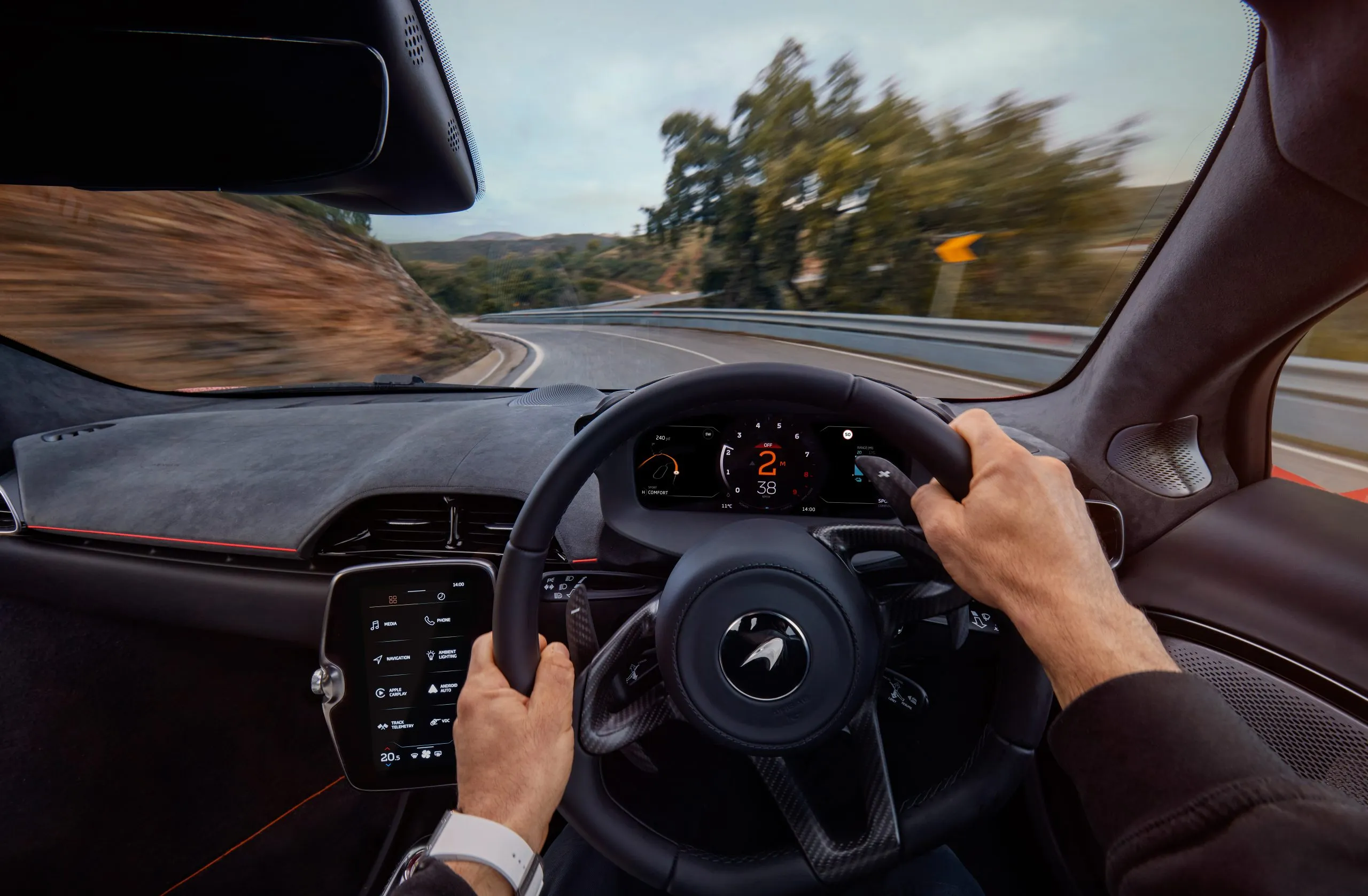
The driving experience is often the deciding factor when choosing a car. Hybrid cars have developed a distinct reputation not only for efficiency, but also for how they feel behind the wheel. From smooth acceleration and quiet operation to adaptive performance and flexible driving modes, hybrids offer an experience that differs in subtle but meaningful ways from traditional gasoline vehicles.
Smooth Acceleration and Power Delivery
Electric Assistance at Low Speeds
One of the first things many drivers notice when driving a hybrid car is how smoothly it accelerates from a standstill. The electric motor provides immediate torque, allowing the vehicle to move forward without the hesitation that can occur in conventional cars relying solely on an internal combustion engine.
This electric assistance is especially noticeable in city driving. Pulling away from traffic lights, navigating parking lots, or inching forward in congestion often feels more fluid and controlled. The absence of abrupt engine revving contributes to a sense of refinement that many drivers find reassuring.
Because the transition between electric motor and gasoline engine is managed automatically, drivers do not need to adjust their driving habits. The car responds naturally, creating a driving experience that feels intuitive rather than technical.
Seamless Blending of Power Sources
Hybrid systems are designed to blend power from the electric motor and gasoline engine in a way that feels natural. Rather than switching abruptly, the system adjusts output smoothly based on driving demand. When more power is needed, such as during merging or climbing inclines, the engine and motor work together to deliver consistent performance.
This seamless integration reduces the sense of mechanical strain and contributes to a calm, composed driving feel. Many drivers describe hybrids as feeling balanced, with steady acceleration that avoids sudden surges or drops in power.
Over time, this consistency enhances driver confidence, particularly in everyday scenarios where predictability matters more than outright speed.
Quiet Operation and Cabin Comfort
Reduced Noise in Everyday Driving
Quiet operation is a defining characteristic of the hybrid driving experience. At low speeds or during light driving, hybrids often operate primarily on electric power, significantly reducing engine noise. This creates a calm cabin environment, especially in urban settings where traffic noise is already present.
Even when the gasoline engine is running, it often operates more quietly and at lower stress levels compared to conventional cars. This results in less vibration and a more relaxed atmosphere inside the vehicle.
For commuters and families alike, reduced noise contributes to lower fatigue and a more pleasant driving experience during daily routines.
Comfort in Stop-and-Go Traffic
Stop-and-go traffic is where hybrid quietness becomes most apparent. Instead of repeatedly revving the engine during short bursts of movement, the electric motor handles much of the low-speed operation. This reduces both noise and mechanical sensation, making traffic congestion feel less demanding.
The smooth transitions between stopping and starting help create a sense of control and ease. Drivers often find that hybrids feel less tiring to operate in heavy traffic compared to conventional vehicles.
This comfort advantage aligns well with the daily realities of urban and suburban driving.
Driving Modes and Driver Control
Understanding Hybrid Driving Modes
Many hybrid cars offer selectable driving modes that allow drivers to adjust how the vehicle responds. These modes may prioritize efficiency, comfort, or responsiveness, depending on the situation. While the exact names and functions vary by model, the underlying goal is the same: to give drivers flexibility without complexity.
Efficiency-focused modes encourage gentle acceleration and maximize electric assistance. Comfort-oriented modes aim for smooth transitions and relaxed responses. Performance-oriented modes may sharpen throttle response and increase engine involvement.
Importantly, these modes are optional. Hybrid cars are fully capable of operating automatically without manual mode selection, making them accessible even for drivers who prefer simplicity.
Adapting to Different Situations
Driving modes allow hybrids to adapt to different scenarios with minimal effort from the driver. A calm, efficient setting may suit daily commuting, while a more responsive mode can be useful on highways or hilly roads.
This adaptability enhances the sense that the vehicle is working with the driver rather than forcing a single driving style. Drivers can tailor the experience to their preferences or current needs without learning complex controls.
Over time, many drivers settle into a preferred mode, using others occasionally when conditions change.
Adaptive Performance in Real-World Conditions
Responding to Traffic and Terrain
Hybrid cars are designed to adjust performance dynamically based on driving conditions. In slow-moving traffic, the system favors electric operation to maintain smoothness and efficiency. On open roads, the gasoline engine provides stable cruising power, supported by the electric motor when needed.
This adaptability extends to varying terrain. When climbing inclines or carrying passengers, the hybrid system adjusts power delivery to maintain steady performance without excessive noise or strain.
Drivers experience this as a vehicle that feels consistently capable, regardless of whether the drive involves city streets, suburban roads, or highways.
Confidence During Everyday Maneuvers
Everyday maneuvers such as merging, overtaking, or navigating roundabouts benefit from the hybrid’s responsive power delivery. Electric motor assistance provides immediate response, reducing the delay sometimes felt in traditional vehicles.
This responsiveness supports confident driving without encouraging aggressive behavior. The car feels ready when needed, which enhances safety perception and driver comfort.
Adaptive performance, in this sense, is less about sportiness and more about reliability and ease of control.
Everyday Comfort and Ride Quality
Smoothness Over Varied Surfaces
Hybrid cars are often tuned with comfort in mind, emphasizing smooth ride quality over harsh responsiveness. Suspension systems are designed to absorb road imperfections while maintaining stability.
The hybrid powertrain contributes to this smoothness by reducing abrupt changes in engine speed. With fewer sudden mechanical transitions, the car feels composed over a variety of road surfaces.
This refinement is especially appreciated during longer drives or daily commutes where comfort consistency matters.
Interior Experience and Relaxation
Beyond mechanical smoothness, the overall driving experience in a hybrid often feels calm and reassuring. Reduced noise, predictable responses, and gentle power delivery combine to create an environment that supports relaxed driving.
For many drivers, this comfort extends to passengers as well. Hybrid cars tend to feel settled and controlled, making rides more pleasant for everyone in the vehicle.
This emphasis on everyday comfort reflects the role hybrids play as practical, all-purpose vehicles rather than niche or performance-focused machines.
The Learning Curve for New Drivers
Adjusting to Hybrid Behavior
For drivers new to hybrid vehicles, there may be a brief adjustment period. The quieter operation, especially at low speeds, can feel unfamiliar at first. Some drivers notice the engine turning on and off automatically, which differs from the constant engine behavior of conventional cars.
These differences are generally easy to adapt to. Hybrid systems are designed to be intuitive, and most drivers become comfortable within a short time. The car handles energy management automatically, requiring no technical knowledge from the driver.
Once familiar, many drivers find it difficult to return to noisier or less refined vehicles.
Developing Efficient Driving Habits
Although hybrids do not require special driving techniques, some drivers naturally adapt their habits to take advantage of smooth acceleration and gentle braking. This adaptation often happens subconsciously as drivers respond to the car’s feedback.
The learning curve is gradual and user-friendly. Drivers are not required to monitor systems constantly or make manual adjustments. Instead, the vehicle encourages smoother, more deliberate driving through its natural responses.
This ease of adaptation contributes to the broad appeal of hybrids across different age groups and driving backgrounds.
Hybrid Driving in Daily Life
City, Suburban, and Highway Use
Hybrid driving characteristics translate well across different environments. In cities, quiet operation and smooth low-speed control enhance comfort. In suburban areas, balanced performance supports routine errands and commuting. On highways, stable cruising and responsive assistance make longer trips relaxed and predictable.
This versatility means that hybrid cars do not feel specialized or limited. They integrate into everyday life without requiring compromises or lifestyle changes.
Drivers often appreciate that the vehicle feels appropriate in almost any setting, reinforcing confidence in their choice.
Consistency and Trust Over Time
Over extended ownership, the hybrid driving experience tends to reinforce trust. Consistent behavior, predictable responses, and reliable comfort shape long-term satisfaction.
Drivers who value calmness, smoothness, and ease of use often find that hybrids align well with their expectations. The technology works quietly in the background, allowing drivers to focus on the road rather than the mechanics.
This sense of consistency is a key reason many hybrid owners remain loyal to the technology.
Questions and Answers
Q: Do hybrid cars feel slower because they focus on efficiency?
No. Hybrid cars often feel responsive due to electric motor assistance, especially during low-speed acceleration and everyday driving.
Q: Is the quiet operation of a hybrid noticeable right away?
Yes. Many drivers notice reduced noise immediately, particularly in city driving and stop-and-go traffic.
Q: Are driving modes complicated to use?
No. Driving modes are optional and easy to use. Hybrid cars function well even if drivers never change modes manually.
Q: Is there a steep learning curve when switching to a hybrid?
No. Most drivers adapt quickly, as hybrids are designed to behave intuitively without requiring special knowledge.