
Hybrid cars continue to evolve as a transitional solution, balancing familiar driving experiences with advancing technology, shifting consumer expectations, and policy direction while supporting a gradual transformation of the automotive landscape.
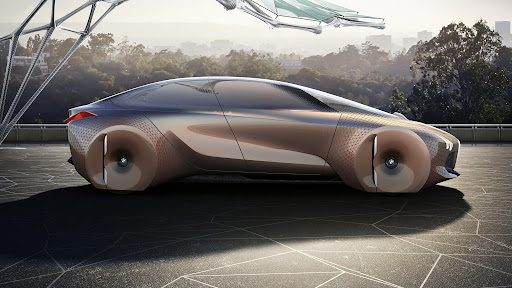
Hybrid cars continue to evolve as a transitional solution, balancing familiar driving experiences with advancing technology, shifting consumer expectations, and policy direction while supporting a gradual transformation of the automotive landscape.
Market Transition and Automotive Evolution
Shifts in the Broader Vehicle Landscape
The automotive market is undergoing a period of transformation driven by efficiency goals, environmental awareness, and technological progress. Traditional gasoline vehicles, once the default choice, are increasingly complemented by alternatives that reduce fuel reliance without fully abandoning established systems.
Hybrid cars occupy a central position in this transition. They represent an evolutionary step rather than a disruptive leap, allowing the market to adapt incrementally. This role makes hybrids particularly resilient during periods of uncertainty, when consumers and manufacturers seek balance rather than extremes.
As market conditions evolve, hybrids remain relevant by offering continuity alongside innovation.
Hybrids as a Transitional Technology
Rather than competing directly with fully electric vehicles on one end or conventional cars on the other, hybrids function as a bridge between both worlds. They combine electric assistance with internal combustion, creating a flexible platform that aligns with gradual change.
This transitional nature supports broader adoption. Drivers can experience elements of electrification without abandoning familiar refueling habits or driving patterns. From a market perspective, this reduces resistance to change and supports smoother adoption curves.
Hybrids, in this sense, help stabilize the transition rather than accelerate it at the cost of accessibility.
The Role Between Gasoline and Electric Vehicles
Complementing, Not Replacing, Existing Technologies
Hybrid cars are often misunderstood as temporary placeholders. In practice, they complement both gasoline and electric vehicles by addressing gaps between them. Where traditional vehicles rely solely on fuel and electric vehicles depend entirely on charging, hybrids blend both approaches.
This combination allows hybrids to serve a wide range of use cases. They support daily driving patterns that benefit from electric assistance while retaining the flexibility of conventional engines. As a result, hybrids coexist with other vehicle types rather than competing directly.
Their role is defined by adaptability rather than exclusivity.
Supporting Gradual Electrification
Electrification does not occur overnight. Infrastructure development, consumer habits, and technological maturity all progress at different speeds. Hybrid vehicles support this gradual process by introducing electric components into mainstream ownership.
For many drivers, hybrids represent a first step toward electrified mobility. Exposure to electric driving characteristics, such as quiet operation and smooth acceleration, builds familiarity and confidence.
This gradual exposure plays an important role in shaping long-term acceptance of advanced vehicle technologies.
Technology Roadmap for Hybrid Systems
Ongoing Refinement of Powertrain Design
Hybrid technology continues to evolve through refinement rather than radical redesign. Powertrain systems are becoming more integrated, with improved coordination between electric motors, engines, and control software.
These refinements enhance efficiency, responsiveness, and reliability. By optimizing how components interact, manufacturers improve overall performance without increasing complexity for the driver.
The roadmap for hybrid technology emphasizes smarter systems rather than more visible hardware changes.
The Growing Importance of Software Control
Software plays an increasingly central role in hybrid operation. Energy management systems determine how and when different power sources are used, adapting to driving conditions in real time.
Advances in software allow hybrids to operate more predictably and smoothly. Drivers benefit from seamless transitions and consistent behavior, even as underlying systems become more sophisticated.
This shift toward software-driven optimization positions hybrids as technologically modern vehicles rather than transitional compromises.
Consumer Demand and Ownership Expectations
Why Hybrids Continue to Attract Buyers
Consumer demand for hybrid vehicles is shaped by a desire for balance. Many buyers seek improved efficiency without sacrificing convenience or familiarity. Hybrids meet this expectation by delivering tangible benefits without requiring significant lifestyle changes.
Ownership experiences often reinforce this appeal. Reduced fuel dependence, quiet operation, and predictable performance align well with everyday needs. These qualities sustain demand even as new technologies emerge.
Hybrids succeed by addressing practical concerns rather than relying solely on novelty.
Changing Perceptions Over Time
As hybrid technology becomes more common, perceptions shift from curiosity to confidence. Early concerns about complexity or reliability have largely given way to trust built through real-world use.
This shift influences long-term demand. Buyers increasingly view hybrids as mainstream options rather than experimental alternatives. Familiarity reduces hesitation and supports repeat ownership.
Consumer confidence plays a critical role in shaping the future of hybrid adoption.
Policy Direction and Regulatory Influence
Encouraging Incremental Change
Policy frameworks often favor incremental progress over abrupt transformation. Hybrid vehicles align well with this approach by delivering lower emissions without requiring immediate systemic changes.
Regulatory environments that emphasize gradual improvement create space for hybrids to thrive. They provide a pathway toward cleaner transportation while maintaining economic and social stability.
This alignment strengthens the long-term viability of hybrid technology within evolving policy landscapes.
Stability Amid Policy Uncertainty
Policy direction can shift over time, creating uncertainty for both manufacturers and consumers. Hybrids offer a degree of stability in such environments by remaining compatible with a wide range of regulatory goals.
Their ability to operate efficiently under diverse conditions reduces the risk associated with sudden policy changes. For buyers, this translates into confidence that their vehicle choice will remain relevant.
Policy flexibility enhances the strategic value of hybrids.
Industry Outlook and Manufacturer Strategy
Strategic Positioning of Hybrid Platforms
From an industry perspective, hybrids represent a strategic investment. They allow manufacturers to spread development costs across multiple models while addressing efficiency and compliance goals.
Hybrid platforms also provide flexibility in responding to market signals. Manufacturers can adjust system configurations to suit different vehicle types without redesigning entire architectures.
This strategic versatility supports long-term planning and reduces exposure to market volatility.
Innovation Without Disruption
The automotive industry often balances innovation with continuity. Hybrid technology exemplifies this balance by introducing advanced systems without disrupting established production and service processes.
This approach supports steady progress. Manufacturers can innovate within familiar frameworks, reducing risk while delivering meaningful improvements.
The industry outlook for hybrids reflects confidence in this measured path forward.
Long-Term Role of Hybrids in Mobility
Persistence Beyond Transition Phases
While hybrids are often described as transitional, their long-term role may extend beyond simple bridging. Their combination of efficiency, flexibility, and familiarity gives them enduring relevance.
As mobility needs diversify, hybrids can adapt to a variety of contexts. Their ability to perform well across different driving patterns supports sustained use rather than obsolescence.
This persistence challenges the assumption that hybrids will disappear once electrification advances further.
Supporting Diverse Mobility Needs
No single vehicle technology suits all drivers equally. Hybrids contribute to a diverse mobility ecosystem by offering an option that balances competing priorities.
This diversity strengthens overall system resilience. By accommodating different preferences and constraints, hybrids support inclusive mobility solutions.
Their future role is closely tied to this capacity for adaptability.
Consumer Motivation and Future Demand
Practical Decision-Making
Future demand for hybrid vehicles is likely to remain driven by practical considerations. Buyers prioritize reliability, ease of use, and predictable ownership experiences.
Hybrids align with these priorities by delivering consistent benefits without imposing new requirements. This practical appeal supports continued interest even as alternatives expand.
Consumer motivation remains grounded in everyday needs rather than abstract trends.
Trust as a Foundation for Adoption
Trust plays a central role in shaping long-term demand. Hybrids benefit from established track records and accumulated user experience.
As trust grows, hybrids become default considerations rather than secondary options. This normalization supports stable demand and reinforces their position in the market.
Trust, once established, sustains relevance across technological shifts.
Q&A
Q1: Are hybrid cars still relevant as electric vehicles advance?
Yes, hybrids remain relevant by offering flexibility and familiarity while supporting gradual electrification.
Q2: Do hybrids represent a temporary or long-term solution?
They are often transitional but may maintain a long-term role due to adaptability and balanced performance.
Q3: How does consumer demand influence the future of hybrids?
Demand is driven by practicality and trust, which continue to support hybrid adoption.
Q4: Will policy direction reduce the importance of hybrids over time?
Policy trends often favor incremental change, which can sustain the role of hybrids rather than eliminate it.