
Hybrid vehicle technology has progressed from simple mechanical combinations to highly integrated systems guided by advanced software, delivering smoother operation, improved efficiency, and adaptable performance while shaping the future direction of automotive innovation.
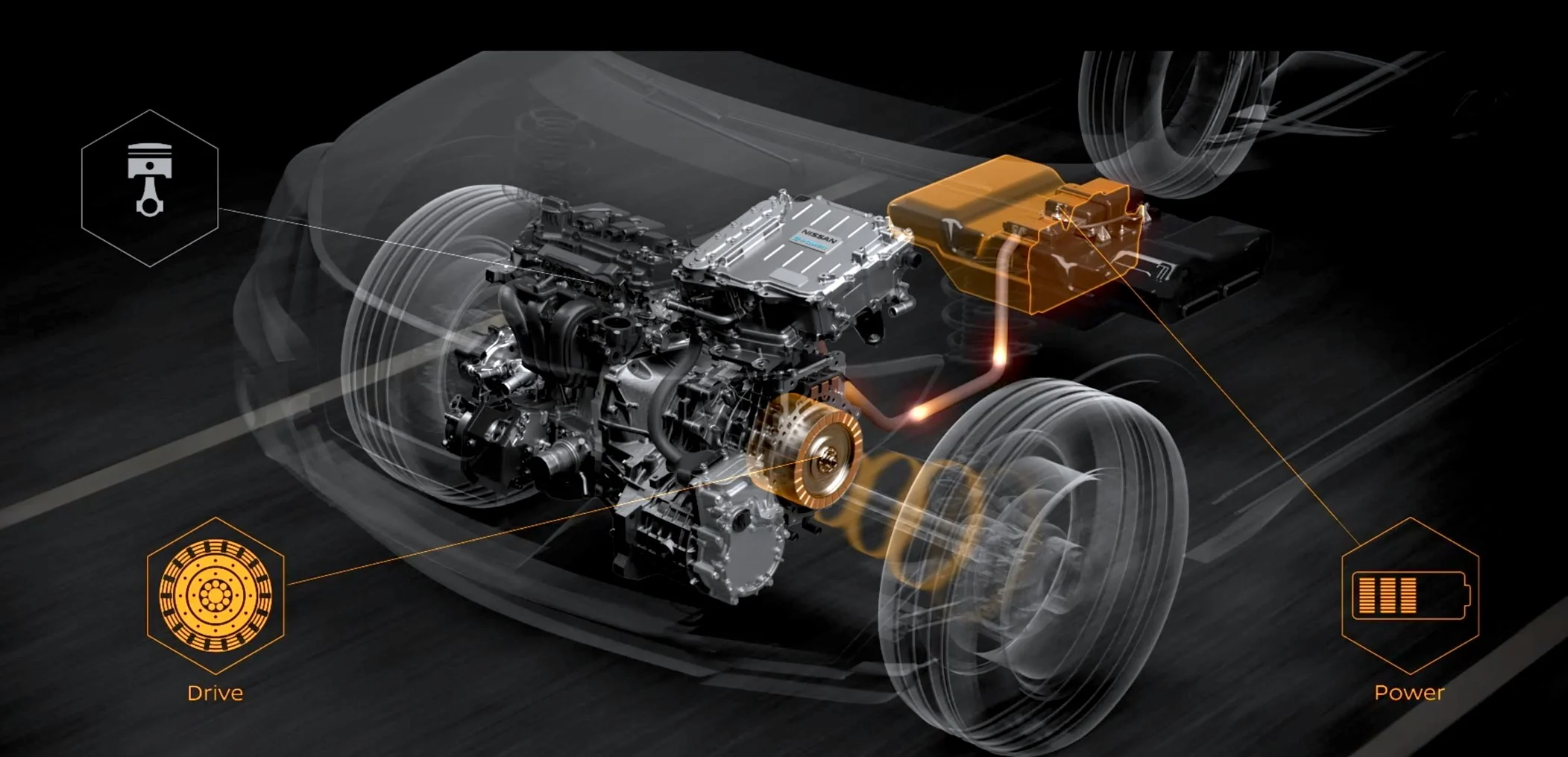
Hybrid vehicle technology has progressed from simple mechanical combinations to highly integrated systems guided by advanced software, delivering smoother operation, improved efficiency, and adaptable performance while shaping the future direction of automotive innovation.
Early Hybrids and Foundational Ideas
Combining Two Power Sources
The core idea behind hybrid technology has always been the combination of two different power sources to achieve better overall efficiency. Early hybrids paired a gasoline engine with an electric motor to offset the weaknesses of each system. The engine provided sustained power, while the electric motor supported low-speed driving and assisted during acceleration.
These early designs focused on basic energy sharing rather than optimization. The systems were capable of switching between power sources, but their coordination was limited. Even so, they demonstrated that combining propulsion methods could reduce unnecessary fuel use during everyday driving.
This foundational concept established the direction for future development, proving that hybridization could enhance efficiency without fundamentally changing how vehicles were driven.
Mechanical Simplicity and Practical Limits
Early hybrid systems relied heavily on mechanical solutions to manage power flow. Gears, clutches, and basic control units determined when the engine or motor was active. While effective, this approach had limitations in responsiveness and adaptability.
Drivers experienced noticeable transitions between power sources, and system behavior was less refined. However, these early implementations laid the groundwork for understanding how drivers interacted with hybrid vehicles in real-world conditions.
The lessons learned from these limitations became critical in guiding later technological improvements.
Efficiency Improvements Over Time
Refining Energy Use
As hybrid technology matured, efficiency improvements became a central focus. Engineers sought ways to maximize the benefits of electric assistance while minimizing unnecessary engine operation. This led to better strategies for capturing and reusing energy during deceleration and braking.
Regenerative systems were refined to operate more smoothly and consistently. Instead of abrupt engagement, energy recovery became a seamless part of driving, improving both efficiency and comfort.
These refinements allowed hybrids to use energy more intelligently, reducing waste without requiring driver intervention.
Smoother Power Transitions
Another key area of improvement was the transition between electric and gasoline power. Modern hybrids are designed to blend these sources almost imperceptibly. Software and sensors continuously assess driving conditions, determining the most efficient combination of power.
This smooth blending improved not only efficiency but also the driving experience. Drivers no longer needed to adapt to the vehicle’s behavior; instead, the vehicle adapted to them.
Over time, this refinement helped hybrids shed early perceptions of complexity or awkwardness.
Modern Hybrid Systems and Integration
Powertrain Design as a Unified System
Modern hybrid vehicles treat the powertrain as a fully integrated system rather than separate components working independently. The engine, electric motor, battery, and transmission are designed together to function as a cohesive unit.
This integration allows for more precise control of power delivery. Instead of simply switching between sources, the system can combine them in varying proportions to suit different driving scenarios.
The result is a vehicle that feels consistent and predictable, regardless of speed or driving environment.
Compact and Flexible Architectures
Advances in component design have also led to more compact hybrid systems. Smaller, more efficient motors and batteries can now be integrated without significantly altering vehicle layout or interior space.
This flexibility has allowed hybrid technology to expand across different vehicle categories. Rather than being confined to a single type of car, hybrid systems can be adapted to various sizes and use cases.
Such adaptability has been essential in broadening the appeal of hybrid vehicles.
The Role of Software Control
Intelligent Energy Management
Software has become the defining element of modern hybrid systems. Advanced control algorithms manage how energy is generated, stored, and deployed in real time. These systems analyze factors such as speed, acceleration demand, road conditions, and driver behavior.
Instead of following fixed rules, modern hybrids adjust continuously. The software determines when electric power is most effective and when the engine should take over, optimizing efficiency without driver input.
This intelligence allows hybrids to perform efficiently across a wide range of driving conditions.
Learning and Adaptation
Some hybrid systems are designed to adapt over time by recognizing driving patterns. Without storing personal information, the software can adjust general behavior to better match typical usage, such as frequent stop-and-go driving or steady cruising.
This adaptive capability enhances both efficiency and comfort. The vehicle becomes more responsive to how it is used, reinforcing the sense that the technology works in the background rather than demanding attention.
Software-driven adaptation represents a major shift from earlier, mechanically focused hybrid designs.
Industry Innovation and Collaboration
Advancements in Components
Industry innovation has driven continuous improvement in hybrid components. Electric motors have become more efficient and compact, while battery systems have improved in durability and thermal management.
These advancements support longer service life and more consistent performance. Improved materials and manufacturing techniques have also enhanced reliability, addressing concerns associated with early hybrid adoption.
Component innovation remains a key driver of hybrid technology evolution.
Collaboration Across Disciplines
Hybrid development requires collaboration across multiple engineering disciplines, including mechanical design, electrical systems, and software development. This cross-disciplinary approach has accelerated innovation and improved system integration.
Rather than treating hybrid technology as an add-on, manufacturers increasingly view it as a core platform. This mindset encourages deeper integration and more cohesive design.
Such collaboration has elevated hybrid systems from experimental concepts to mature, dependable solutions.
Changing Perceptions of Hybrid Vehicles
From Niche to Mainstream
Early hybrids were often viewed as niche products aimed at a limited audience. As technology improved, this perception began to change. Smoother driving behavior, refined interiors, and broader availability helped hybrids appeal to a wider range of drivers.
Modern hybrids no longer feel experimental. They operate much like conventional vehicles, with the added benefit of intelligent energy management.
This shift in perception has been essential in establishing hybrids as a practical, everyday choice.
Trust Built Through Experience
As drivers gained experience with hybrid vehicles, trust in the technology increased. Consistent performance, reliable operation, and minimal behavioral differences compared to conventional cars reinforced confidence.
Word-of-mouth and long-term ownership experiences played an important role in reshaping attitudes. Hybrids became associated with dependability rather than novelty.
This trust continues to support ongoing adoption and development.
Hybrid Systems and User Experience
Simplifying Driver Interaction
A key goal of hybrid evolution has been minimizing the learning curve for drivers. Modern systems require little to no special input. The vehicle manages energy flow automatically, allowing drivers to focus on the road.
Displays and indicators provide information without overwhelming users. Feedback is designed to be clear and supportive rather than technical.
This simplicity ensures that advanced technology enhances rather than complicates the driving experience.
Consistency Across Driving Scenarios
Whether driving at low speeds, cruising steadily, or navigating variable conditions, modern hybrids aim for consistent behavior. The system adjusts quietly, maintaining smooth acceleration and stable performance.
This consistency contributes to driver comfort and reduces cognitive load. Drivers can rely on predictable responses, reinforcing confidence in the vehicle.
User experience has become as important as technical efficiency in hybrid development.
Future Outlook for Hybrid Technology
Continued Refinement Rather Than Replacement
The future of hybrid technology is shaped by refinement rather than abrupt change. Ongoing improvements in software, batteries, and system integration continue to enhance efficiency and responsiveness.
Rather than being replaced quickly, hybrid systems are expected to evolve alongside other propulsion technologies. Their flexibility allows them to incorporate new components and strategies as innovation progresses.
This adaptability positions hybrids as a stable platform for future mobility solutions.
Expanding Role in Industry Innovation
Hybrid technology also serves as a testing ground for broader industry innovation. Advances in energy management, software control, and system integration often influence other vehicle technologies.
By bridging traditional and electrified systems, hybrids play a unique role in shaping development pathways. They provide valuable insights into how different technologies can coexist effectively.
This role ensures that hybrid systems remain relevant as the industry continues to evolve.
Balancing Innovation and Familiarity
Maintaining Familiar Driving Habits
One of the enduring strengths of hybrid vehicles is their ability to introduce innovation without disrupting familiar driving habits. Drivers benefit from advanced technology without needing to change how they use their vehicles.
This balance between innovation and familiarity has guided hybrid evolution from the beginning. It remains a defining characteristic of the technology.
By respecting established expectations, hybrids lower barriers to adoption while still delivering meaningful progress.
Supporting Gradual Transition
Hybrid technology supports a gradual transition toward more intelligent and efficient mobility. Rather than forcing sudden shifts, it allows drivers and industries to adapt incrementally.
This gradual approach reduces resistance to change and encourages long-term acceptance. It also provides flexibility as technologies and infrastructure continue to develop.
Such balance underpins the enduring relevance of hybrid systems.
Questions and Answers
Q: How do modern hybrid systems differ from early hybrids?
Modern hybrids use advanced software and integrated designs to manage power smoothly, whereas early hybrids relied more on mechanical control with limited adaptability.
Q: Is software more important than hardware in modern hybrids?
Both are important, but software plays a central role in coordinating components and optimizing energy use in real time.
Q: Have efficiency improvements changed how hybrids feel to drive?
Yes. Improvements have made power transitions smoother and overall behavior more consistent and refined.
Q: Will hybrid technology continue to evolve?
Yes. Hybrid systems are expected to keep improving through better integration, smarter control, and ongoing industry innovation.