
Navigating the bustling streets of American cities demands a perfect blend of flexibility and comfort, and that's exactly what modern automotive innovation delivers. These versatile vehicles effortlessly adapt to dynamic urban environments, promising enhanced interior adaptability and convenience for growing families all while maintaining eco-conscious efficiency.
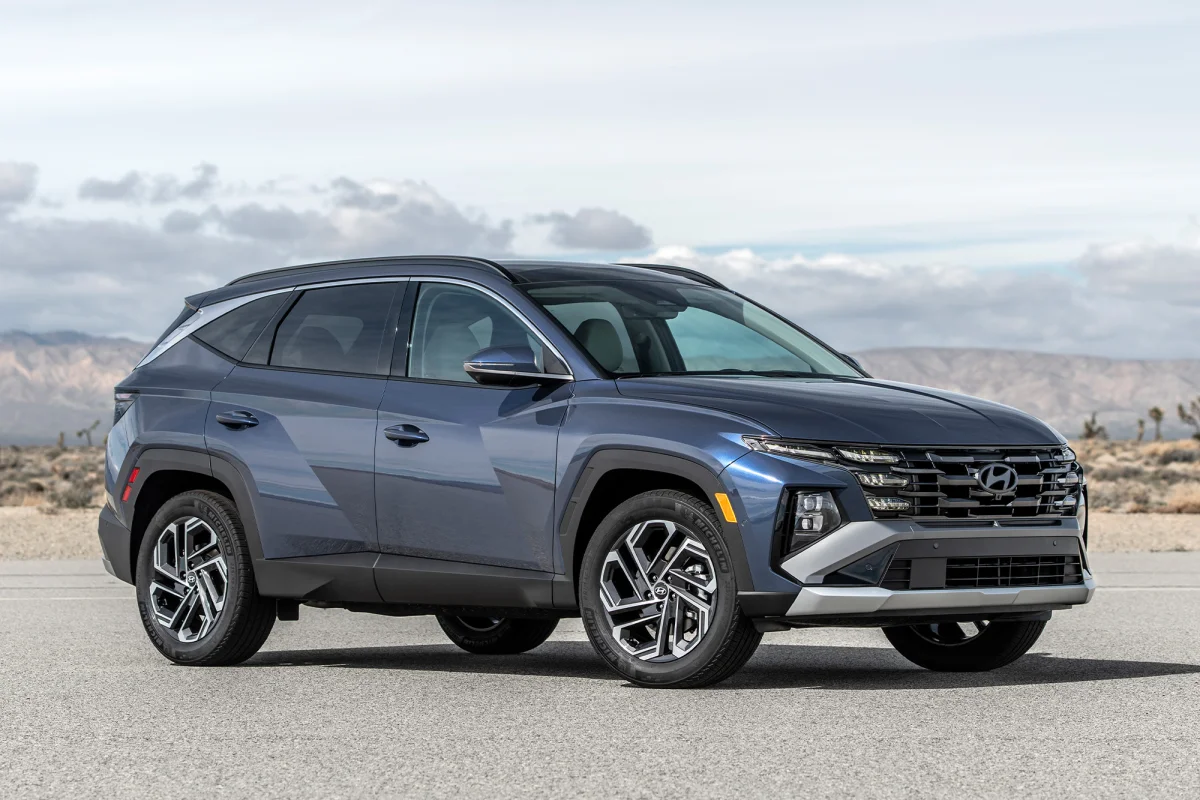
Navigating the bustling streets of American cities demands a perfect blend of flexibility and comfort, and that's exactly what modern automotive innovation delivers. These versatile vehicles effortlessly adapt to dynamic urban environments, promising enhanced interior adaptability and convenience for growing families all while maintaining eco-conscious efficiency.
Engineering the Urban Jungle with Agility
The Secret Beneath the Skin: Why They Drive Like Sedans
The dramatic evolution in ride quality is perhaps the single most significant factor driving the popularity of this vehicle segment. Historically, utility vehicles were constructed using a "body-on-frame" method, similar to pickup trucks. While durable, this ladder-frame design often resulted in a heavy, truck-like driving experience where every bump in the road sent a shudder through the cabin. The modern approach has completely flipped this script by adopting "unibody construction," the same engineering architecture found in compact cars and luxury sedans.
Imagine the vehicle not as separate parts bolted together, but as a single, cohesive shell—much like an egg. This integration provides immense structural rigidity while significantly reducing weight. For the driver, this engineering shift translates into a ride that is compliant and sophisticated. The vehicle absorbs energy rather than fighting it, smoothing out the jarring potholes of city streets and the expansion joints of highways. It eliminates the "top-heavy" sensation often associated with larger vehicles, offering a sense of stability that inspires confidence whether you are navigating a rainy commute or a winding coastal road.
Furthermore, this structural refinement is paired with independent suspension systems. In older designs, a bump affecting the left wheel would physically tilt the right wheel. Today, each wheel reacts to the road surface independently. Engineers now spend countless hours tuning dampers and spring rates specifically for pavement imperfections rather than off-road rocks. The result is a "flat" ride where the vehicle remains level through corners, significantly reducing motion sickness for passengers and making the daily drive feel less like a chore and more like a fluid, effortless experience.
Mastering Visibility and Tight Spaces
For anyone living in a metropolitan area or a dense suburb, the daily drive often involves navigating narrow lanes, squeezing into compact parking spots, and managing heavy traffic. Here, the unique physical profile of these vehicles offers a distinct tactical advantage. The driving position is slightly elevated compared to a standard car, providing a commanding view of the road ahead. This "command seating" allows drivers to see over the rooflines of smaller cars, anticipating traffic flow and spotting hazards earlier. It creates a psychological sense of safety and control without the intimidating bulk of a full-size truck.
Despite the spacious interior feel, the exterior footprint remains surprisingly compact. This is the "Goldilocks" zone of automotive design—large enough to command presence, but small enough to handle a three-point turn in a cul-de-sac or parallel park on a busy downtown street. Advanced engineering has pushed the wheels to the corners of the chassis, shortening the overhangs and reducing the turning radius. This makes maneuvering through crowded school drop-off zones or spiraling up narrow multi-story parking ramps far less stressful.
| Feature | Traditional Sedan | Full-Size Truck-Based SUV |
|---|---|---|
| Ride Comfort | High; smooth and grounded. | Bouncy; feels road imperfections. |
| Parking Ease | Moderate; low visibility can be an issue. | Low; requires large spaces. |
| Handling | Agile and sporty. | Heavy and cumbersome. |
| Entry/Exit | Lower; requires bending down. | High; requires climbing up. |
A Sanctuary on Wheels for the Modern Family
The "Second Living Room" Concept
As families expand, a vehicle ceases to be just a machine for transport and becomes an extension of the home. The most successful models in this segment have embraced the philosophy of the "second living room," prioritizing passenger well-being above all else. It starts with space optimization. Many options now include a third row of seats, but unlike the cramped jump-seats of the past, modern engineering allows for genuine legroom and headroom, making them viable for adults on short trips or teenagers on long hauls.
Beyond mere dimensions, the climate and sensory experience have been revolutionized. It is now common to find multi-zone climate control, ensuring that passengers in the back are just as cool (or warm) as those in the front. Higher-tier trims frequently offer heated second-row seats and even ventilation, features once reserved for ultra-luxury limousines. When combined with expansive panoramic sunroofs that flood the cabin with natural light, the interior feels airy and open, reducing the feeling of confinement during long road trips.
Silence is another pillar of this comfort. Engineers utilize acoustic glass, advanced sound-deadening materials in the floor and roof liners, and aerodynamic exterior shaping to minimize wind noise. The goal is to create a hushed environment where conversation flows easily between the front and rear seats, allowing parents to chat with their children without raising their voices. This attention to acoustic detail transforms a stressful rush-hour commute into a decompressed, tranquil transition between work and home.
Adaptable Storage for Every Lifestyle
For parents, the true test of a family vehicle is its ability to handle the "stuff" of life—strollers, sports gear, grocery hauls, and holiday luggage. The genius of this segment lies in its transformational capabilities. With simple levers or buttons, the interior can shift from a people-hauler to a cargo-carrier in seconds. Fold-flat seating creates a cavernous, level floor that can swallow bicycles, camping equipment, or flat-pack furniture ease. Some models offer up to 2,000 liters of space, providing a versatility that sedans simply cannot match.
Innovation also appears in how you access this space. The hands-free power liftgate has become a parent's best friend; a simple kicking motion under the rear bumper opens the trunk when your arms are full of shopping bags or a sleeping toddler. Inside, clever storage solutions abound, such as hidden underfloor compartments for valuables or muddy boots, and side pockets designed to hold tablets and water bottles securely. These aren't just empty spaces; they are curated zones designed to keep family life organized.
Intelligence and Efficiency for the Road Ahead
Eco-Friendly Performance Without Compromise
Gone are the days when choosing a spacious vehicle meant accepting poor fuel economy. The modern market has shattered the stereotype that size equals inefficiency. Through the widespread adoption of turbocharging and advanced transmission mapping, manufacturers have managed to extract impressive power from smaller, lighter engines. These powertrains are designed for the stop-and-go reality of suburban driving, offering pep off the line while sipping fuel at cruising speeds.
The real game-changer, however, has been electrification. Hybrid technology has moved from a niche science experiment to a mainstream expectation. By pairing a gasoline engine with an electric motor, these vehicles capture energy normally lost during braking and reuse it to assist acceleration. This is particularly effective in city driving, where the electric motor handles the heavy lifting of initial movement, drastically cutting fuel consumption. For those with access to charging, Plug-in Hybrid (PHEV) models offer the best of both worlds: enough electric-only range to handle the daily school run and commute emission-free, with a gas engine ready to take over for weekend getaways, eliminating range anxiety entirely.
| Powertrain Type | Ideal User Profile | Primary Benefit |
|---|---|---|
| Efficient Gasoline | Low-mileage drivers or budget-conscious buyers. | Lower upfront cost; proven reliability on long highway runs. |
| Self-Charging Hybrid | Urban commuters with heavy stop-and-go traffic. | Excellent city MPG; no need to plug in; quiet operation. |
| Plug-in Hybrid (PHEV) | Homeowners with garage charging access. | EV driving for daily errands; unlimited range for road trips. |
The Digital Cockpit and Safety Nets
Stepping into the driver's seat today feels less like entering a car and more like sitting in a command center. The analog dials of the past have been replaced by high-definition digital clusters that can be customized to show navigation, media, or efficiency data. Infotainment screens have grown in size and capability, serving as the nerve center for the vehicle. Crucially, the integration of wireless smartphone mirroring means that your digital life—maps, playlists, and contacts—seamlessly extends to the dashboard without the need for messy cables.
More importantly, technology has taken on the role of a vigilant co-pilot. Advanced Driver Assistance Systems (ADAS) act as an extra set of eyes, constantly monitoring the vehicle's perimeter. Cameras and radar sensors enable features like adaptive cruise control, which maintains a safe distance from the car ahead, and lane-centering assist, which gently steers to keep the vehicle in its lane. For large families, features like the 360-degree surround-view camera are invaluable, turning a stressful parking job into a video-game-like experience where you can see every curb and obstacle from a bird's-eye view. These systems don't just add convenience; they actively work to prevent accidents, providing peace of mind that is priceless when carrying precious cargo.
Q&A
What is a Crossover SUV and how does it differ from traditional SUVs?
A Crossover SUV is a type of vehicle that combines features of a sport utility vehicle (SUV) with those of a passenger vehicle, typically using a unibody construction as opposed to the body-on-frame design of traditional SUVs. This construction makes Crossovers lighter and more fuel-efficient, offering car-like handling which is ideal for urban driving. Unlike traditional SUVs, they are often designed for comfort and efficiency rather than rugged off-road capability.
Why is unibody construction significant in the design of Crossover SUVs?
Unibody construction is significant because it integrates the body and frame into a single piece, reducing weight and improving fuel efficiency. This construction provides better handling and a smoother ride, which is especially beneficial for urban driving conditions where maneuverability and comfort are prioritized. Additionally, it contributes to improved safety features, as the integrated design can better absorb impacts in the event of a collision.
How does car-like handling benefit drivers of Crossover SUVs?
Car-like handling in Crossover SUVs provides drivers with a more comfortable and responsive driving experience similar to that of a sedan. This is beneficial for navigating tight city streets and parking in urban environments. The handling is typically more agile than that of larger, traditional SUVs, making it easier to control and offering a driving experience that is both enjoyable and practical for daily commuting.
In what ways do Crossover SUVs appeal to families?
Crossover SUVs appeal to families due to their spacious interiors, ample cargo space, and versatile seating arrangements. They often include family-friendly features such as advanced safety systems, easy access for child seats, and entertainment options to keep passengers engaged during trips. The blend of comfort, efficiency, and safety makes them an attractive choice for families looking for a reliable vehicle that can accommodate their diverse needs.
What are some popular models of Crossover SUVs available in the market?
Popular models of Crossover SUVs include the Honda CR-V, Toyota RAV4, Ford Escape, and Nissan Rogue. These models are well-regarded for their reliability, fuel efficiency, and family-friendly features. Each offers a unique set of options and capabilities, catering to different preferences and needs, making them top choices among consumers seeking the benefits of a Crossover SUV.