
Hybrid vehicles are increasingly adopted across automotive markets due to their blend of efficiency and practicality, with evolving brand offerings, shifting sales trends, varied market share, regulatory influences, and diverse buyer preferences shaping their trajectory.
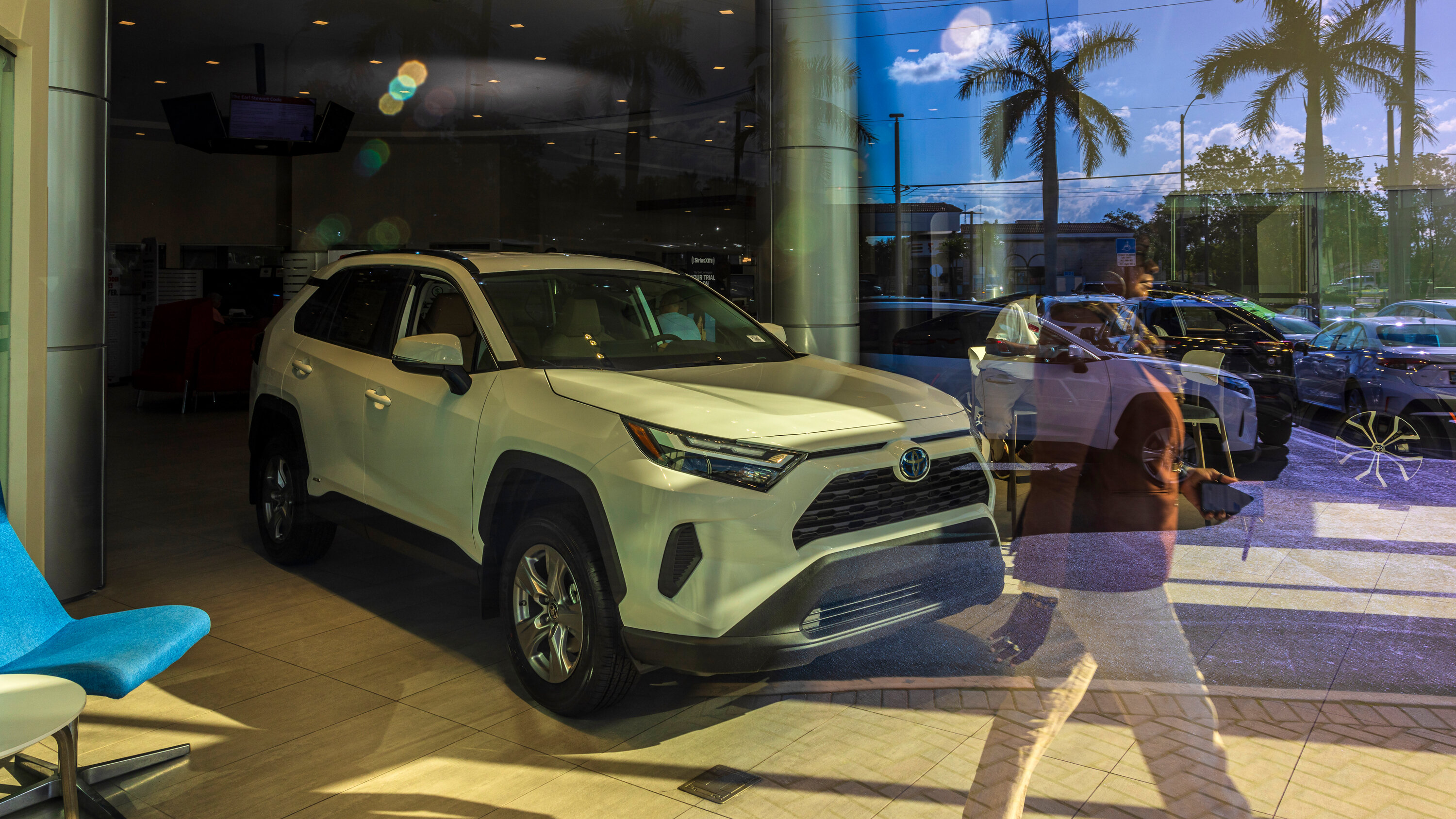
Hybrid vehicles are increasingly adopted across automotive markets due to their blend of efficiency and practicality, with evolving brand offerings, shifting sales trends, varied market share, regulatory influences, and diverse buyer preferences shaping their trajectory.
Patterns of Consumer Adoption
From Novelty to Mainstream Choice
Hybrid vehicles began as distinctive alternatives to traditional powertrains, attracting interest from early adopters who valued improved fuel efficiency and reduced emissions. Over time, awareness of hybrid benefits—such as lower operating costs in everyday use and smoother driving behavior—helped broaden appeal. As manufacturers expanded hybrid options across different vehicle categories, adoption grew beyond niche segments. Consumers seeking balance between conventional driving habits and energy-conscious performance began to consider hybrids as practical choices for daily mobility rather than specialized products.
Increasing adoption reflects both technological maturation and broader societal interest in energy efficiency. Early perceptions of complexity have largely faded as hybrid systems have become more refined and intuitive. As familiarity grows, more drivers recognize hybrids as viable alternatives to conventional vehicles without requiring dramatic changes in refueling habits or driving behavior.
Demographic and Lifestyle Influences
Consumer adoption is influenced by individual preferences and lifestyle patterns. Drivers who spend significant time in mixed driving environments—such as urban commutes combined with suburban travel—often appreciate the versatility that hybrid systems provide. Hybrids tend to perform efficiently across varied conditions, smoothing acceleration and reducing fuel use without demanding specific driving techniques.
For some buyers, environmental awareness plays a role in adoption, while others focus primarily on long-term cost considerations. Many drivers appreciate hybrids for their capacity to moderate fuel usage without introducing unfamiliar infrastructure requirements. These combined motivations—practical and environmental—contribute to steady adoption across diverse buyer groups.
Popular Brands and Vehicle Choices
Legacy Automakers and Hybrid Integration
Established automotive brands have incorporated hybrid technology into a wide range of models, from compact vehicles to larger family-oriented cars and utility vehicles. These brands leverage years of engineering experience to integrate hybrid systems smoothly with existing vehicle designs. The result is a portfolio of hybrids that feel familiar to drivers—smooth in acceleration, predictable in response, and aligned with everyday usability.
Hybrid offerings from well-known manufacturers often emphasize reliability, extensive dealer support networks, and thorough service documentation. These factors contribute to buyer confidence, as prospective owners perceive hybrids from established brands as dependable and supported by comprehensive after-sales infrastructure.
Newer Entries and Competitive Innovation
In addition to legacy brands, newer automakers and specialized divisions have introduced hybrid models that emphasize innovation and unique value propositions. These vehicles may showcase cutting-edge design, advanced connectivity, and distinctive driving features paired with hybrid efficiency. The presence of such models expands choice and encourages competition, prompting all manufacturers to refine performance, comfort, and technology integration.
This competitive dynamic influences how hybrid vehicles are positioned. Some brands emphasize cost-effectiveness and simplicity, while others highlight premium features and performance enhancements. As a result, hybrid buyers can select from a spectrum of offerings tailored to specific needs, whether prioritizing affordability, interior comfort, or advanced safety and infotainment systems.
Sales Trends and Market Share Dynamics
Growth Patterns and Category Expansion
Over recent years, hybrid vehicle sales have exhibited notable growth within the broader automotive landscape. As technology has matured and consumer awareness has increased, a wider array of hybrid models has entered showrooms. This expansion has allowed hybrid vehicles to capture a meaningful portion of total vehicle sales, particularly in segments where efficiency and versatility are valued.
Growth in sales trends is often influenced by broader economic conditions, fuel price expectations, and availability of alternative technologies. When drivers perceive value in reduced operating costs and refined performance, hybrid adoption tends to increase. As a result, hybrids have secured a stable presence alongside conventional and other electrified powertrain options.
Hybrid Share Relative to Other Powertrains
Hybrid vehicles occupy a distinct space in the overall market share of powertrain types. They coexist with conventional internal combustion vehicles, fully electric models, and other electrified variants such as plug-in hybrids. Within this landscape, hybrids often appeal to buyers who seek improved efficiency without complete dependence on external charging infrastructure.
Market share dynamics reflect both supply and demand factors. As more hybrid models become available in popular vehicle categories—such as compact cars, midsize sedans, and utility vehicles—consumer choice expands. The result is more balanced distribution of powertrain preferences, with hybrids contributing a significant share of total registrations. Their performance in terms of market share highlights how drivers value versatility, especially when trade-offs between fuel use, comfort, and daily usability are considered.
Influence of Regulatory Frameworks
Role of Efficiency and Emissions Standards
Regulatory frameworks that emphasize efficiency and emissions reduction influence how hybrid vehicles are adopted and marketed. Standards that reward lower average emissions encourage manufacturers to invest in hybrid technologies alongside other solutions. These policies help shape product portfolios, ensuring that hybrid options remain competitive and widely available.
Automakers respond to regulatory expectations by integrating hybrid systems into established platforms, enabling widespread compliance without sacrificing vehicle attributes such as interior space or performance balance. The result is a broad array of hybrid choices suited to diverse consumer needs.
Incentives and Policy Signals
Beyond regulatory requirements, policy incentives—such as tax benefits, rebates, or preferential access schemes—play a role in shaping hybrid adoption. While incentives vary over time and by jurisdiction, they often signal public support for advanced, fuel-efficient technologies. Such policy signals can enhance market awareness and motivate buyers to consider hybrids as practical alternatives to purely conventional vehicles.
Clear communication about incentive structures and eligibility criteria supports informed decision-making, helping buyers understand how hybrid ownership may align with broader economic and environmental goals.
Buyer Preferences and Decision Factors
Priorities in Vehicle Selection
When evaluating hybrid vehicles, consumers consider a range of factors beyond powertrain technology. Interior comfort, driving experience, cargo flexibility, safety features, and brand reputation all influence purchase decisions. Hybrids that successfully balance these attributes with efficient operation appeal to a wide spectrum of buyers.
For many drivers, familiarity with conventional vehicle behavior is important. Hybrid systems that offer predictable responses, smooth acceleration, and user-friendly interfaces align with these expectations. The perception of ease of use—such as seamless transitions between electric and engine power—reduces learning curves and builds confidence among new hybrid owners.
Cost considerations also play a central role. Buyers often weigh purchase price alongside expected long-term savings in fuel use and maintenance. Hybrid ownership that supports predictable operating costs and moderate depreciation contributes to positive value assessments.
Emotional and Practical Motivations
Beyond practical considerations, emotional motivations influence hybrid selection. Some drivers feel a sense of satisfaction in choosing efficient technology that aligns with values such as reduced energy consumption or thoughtful resource use. Others appreciate the refined driving feel that hybrid systems often deliver—quiet operation at low speeds, responsive performance during accelerations, and smooth integration of electric support.
These emotional drivers work alongside practical motivations. Decision-making often reflects a blend of cost-conscious thinking and subjective preferences for comfort, refinement, and technological engagement.
Integrating Hybrid Vehicles Into Broader Market Trends
Connection With Electrification Broader Landscape
Hybrid vehicles are part of a broader shift in how personal vehicles are powered and experienced. While fully electric models offer zero-tailpipe operation and other benefits, hybrids provide a transitional approach that retains familiar refueling habits while improving efficiency. This complementary relationship allows drivers to select solutions that align with personal priorities—whether focused on complete electrification or on versatile, incremental efficiency gains.
The presence of hybrids alongside multiple powertrain options contributes to a diverse vehicle ecosystem. This diversity supports flexible mobility solutions that adapt to evolving technologies, infrastructure, and consumer expectations.
Feedback Between Consumer Use and Product Development
Consumer adoption and preferences feed back into how hybrid technology evolves. As drivers identify valued features—such as quiet driving at low speeds, adaptive performance support, or intuitive interfaces—manufacturers refine future models to emphasize these strengths. This iterative cycle helps ensure that hybrid vehicles remain responsive to real-world use patterns rather than theoretical capabilities alone.
Market feedback also shapes technical innovation. Lessons learned from hybrid systems inform broader advancements in energy management, software control, and component design. These improvements often carry over into other vehicle categories, reinforcing the hybrid segment’s role as both a driver and beneficiary of automotive innovation.
Questions and Answers
Q: What motivates drivers to choose hybrid vehicles over conventional ones?
Drivers often value a combination of improved fuel efficiency, smooth responsiveness, cost predictability, and everyday comfort when comparing hybrid and conventional powertrains.
Q: How do hybrid vehicles fit into overall sales trends?
Hybrids constitute a meaningful portion of vehicle registrations, reflecting steady demand for efficient and versatile options across multiple vehicle classes.
Q: Do regulations influence hybrid availability?
Yes. Policies emphasizing efficiency and emissions encourage manufacturers to offer hybrid options as part of broader compliance strategies.
Q: Are hybrid buyers focused only on fuel savings?
No. While fuel efficiency is important, buyers also consider comfort, safety features, technology, and brand reputation as part of their decision-making process.