
Hybrid vehicle adoption is influenced by fuel cost concerns, evolving urban regulations, model availability, buyer preferences, and overall market expansion as efficiency and adaptability grow in value across diverse driving environments.
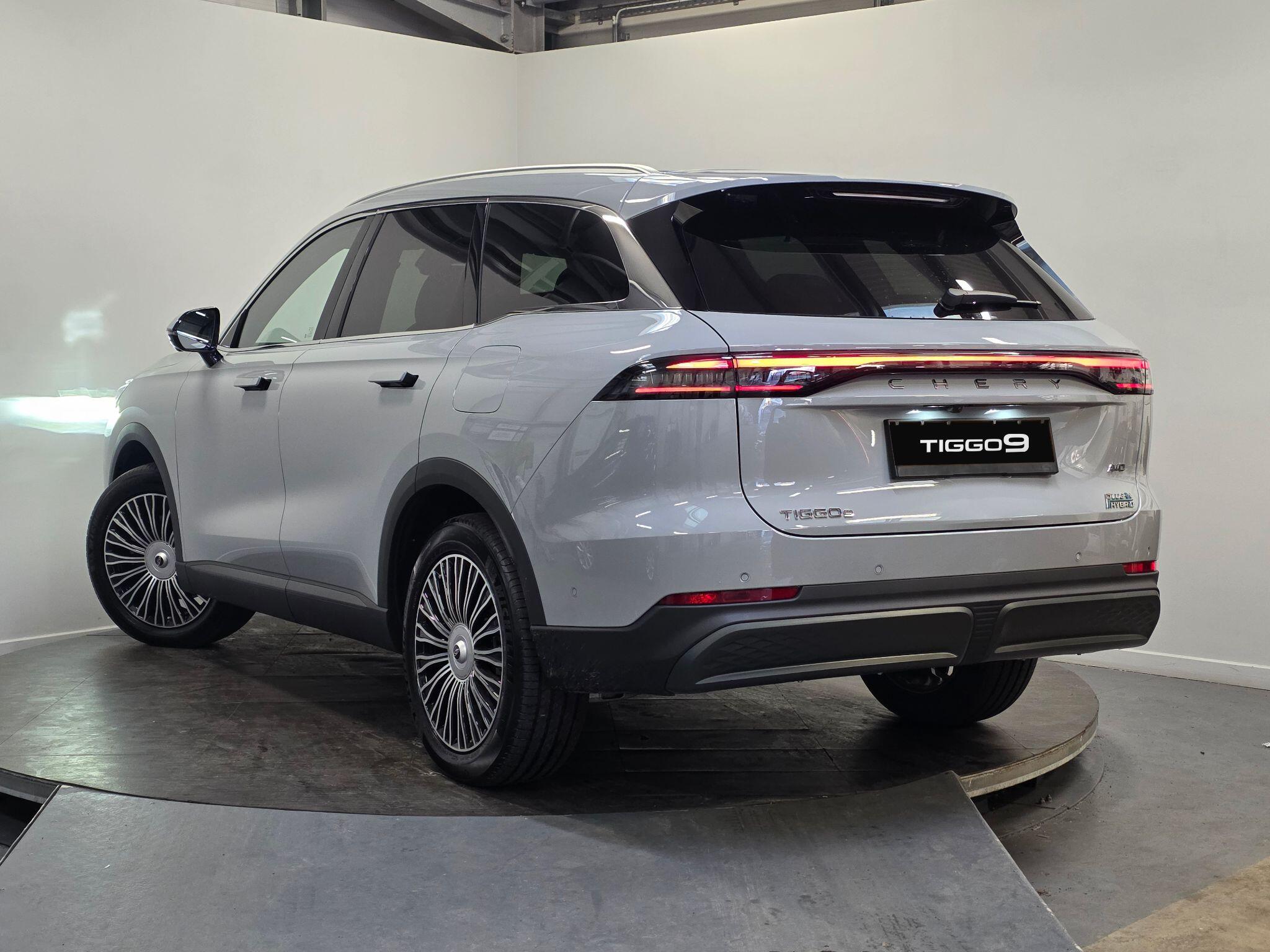
Hybrid vehicle adoption is influenced by fuel cost concerns, evolving urban regulations, model availability, buyer preferences, and overall market expansion as efficiency and adaptability grow in value across diverse driving environments.
Fuel Costs and Ownership Considerations
Impact of Fuel Cost on Vehicle Choice
Fuel cost fluctuations influence how drivers think about vehicle ownership. When fuel prices rise, the cost of operating traditional internal combustion vehicles increases, leading many drivers to explore alternatives that offer reduced fuel consumption. Hybrid vehicles address this concern by using electric propulsion assistance to lower gasoline use, especially during low-speed driving and frequent stops. As a result, hybrids provide a form of economic cushioning against unpredictable fuel expenses.
Hybrid ownership does not eliminate fuel costs, but it moderates them. By combining electric power with engine assistance, hybrids help smooth out the financial impact of fuel cost volatility on everyday travel. For drivers who value predictability and lower long-term operating expenses, this benefit contributes to hybrid appeal.
Fuel Awareness and Consumer Priorities
Awareness of fuel costs shapes broader consumer behavior. Drivers who factor fuel expenses into their budgeting processes often prioritize vehicles that deliver efficiency gains. For many, this awareness extends beyond simple cost calculations to include perceptions of energy use and personal responsibility. Hybrid vehicles align with these priorities by offering tangible reductions in gasoline dependency without requiring dramatic changes to driving routines.
This alignment between operational cost concerns and vehicle performance reinforces hybrid appeal among a wide range of buyers.
Influence of Urban Policies and Emission Zones
Urban Regulations and Incentive Programs
In many urban areas, policies aimed at reducing congestion and air pollution affect vehicle choice dynamics. Regulations that limit access to certain zones for higher-emitting vehicles, or that assign fees based on emission levels, encourage drivers to consider lower-emission alternatives. Hybrid vehicles, with their reduced tailpipe emissions relative to conventional internal combustion cars, are often positioned favorably within such regulatory frameworks.
Policies that support lower emissions can take various forms, such as differential pricing for road use or eligibility for preferred parking. These approaches send signals that efficiency and reduced emissions are valued in urban mobility planning. For drivers who navigate dense urban environments regularly, hybrids can present a straightforward pathway to compliance with evolving policy expectations.
Urban Policy as a Market Stimulus
Urban policies that emphasize air quality and reduced traffic emissions indirectly stimulate market interest in hybrid vehicles. When policies reward or prioritize lower-emission vehicles, demand for hybrids can increase as part of broader mobility planning. For drivers, these policy environments create incentives to evaluate vehicle options beyond immediate personal needs, factoring in future access and operating cost implications.
Such policy influence does not act in isolation, but interacts with fuel cost concerns and buyer behavior to shape how hybrid vehicles are perceived and adopted.
Popular Models and Vehicle Availability
Variety of Hybrid Offerings
Hybrid technology has been incorporated into a wide range of vehicle models across different segments. From compact options to larger family cars and utility-oriented vehicles, hybrid powertrains are adapted to meet diverse needs. This breadth of availability ensures that a wide spectrum of buyers can find hybrid vehicles that align with their preferences, whether prioritizing cargo space, interior comfort, driver assistance features, or everyday filtering through tight spaces.
Model variety contributes to mainstreaming hybrid choices, as consumers are not limited to a narrow set of options. Instead, hybrid platforms are increasingly integrated into familiar body styles and configurations that suit varied lifestyles.
Features That Drive Consumer Interest
In addition to drivetrain efficiency, many hybrid models emphasize smooth operation, advanced safety systems, and comfortable interiors. These attributes influence buyer decisions by offering a combination of practicality and refined daily experience. Technological features such as adaptive cruise support, quiet electric-motor operation at low speeds, and seamless power coordination enhance the attractiveness of hybrid models beyond fuel savings alone.
As vehicle availability expands and features become more refined, hybrid options increasingly resonate with drivers seeking a balance of performance and economy.
Buyer Behavior and Decision Factors
Balancing Practicality and Efficiency
Buyer decisions about hybrid vehicles often hinge on a blend of practical and aspirational factors. Practical considerations include fuel savings, compatibility with daily travel needs, and maintenance expectations. Aspirational elements encompass perceptions of modern technology, quiet operation, and a sense of forward-looking choice.
Drivers who prioritize efficiency appreciate how hybrid systems balance electric and engine power to optimize fuel use across varied conditions. Hybrid vehicles are designed to operate smoothly in both built-up environments and open roads, making them versatile across diverse driving patterns.
These considerations influence how drivers evaluate long-term value, helping shape preferences that extend beyond initial purchase price.
Behavioral Trends in Adoption
Trends in buyer behavior reflect how consumers weigh immediate and future considerations. As awareness of efficiency benefits grows, some drivers shift toward hybrid options as part of a broader assessment of total ownership cost. Others view hybrids as complementary to lifestyle patterns that include both daily commuting and longer journey needs. For many buyers, the combination of fuel cost moderation and performance refinement anchors their evaluation of hybrid vehicles relative to other alternatives.
Consumer behavior also responds to changes in information access, dealer guidance, and peer experience. As more drivers become familiar with hybrid performance and reliability through everyday use and word-of-mouth, adoption patterns can shift toward greater confidence in hybrid choices.
Market Growth and Segment Dynamics
Expansion of Hybrid Share
Market growth for hybrid vehicles reflects a gradual broadening of driver interest and manufacturer commitment. As hybrid options become more widely offered across segments, overall registrations of these vehicles can increase relative to categories dominated by traditional powertrains. This growth is supported both by evolving vehicle technologies and by consumer responsiveness to operating cost considerations and environmental priorities.
The expansion of hybrid offerings stimulates competition, prompting ongoing refinement in design, efficiency, and integration of comfort and safety features. In turn, this cycle contributes to further market growth as new and existing buyers explore hybrid alternatives.
Hybrid Role Within Broader Mobility Trends
Hybrid vehicles occupy a distinctive niche within the broader mobility landscape. They bridge familiar fueling habits and efficiency aspirations, appealing to drivers who seek reduced fuel use without complete departure from established patterns of vehicle use. As part of a diverse set of powertrain choices that includes electrified and conventional configurations, hybrids contribute to a balanced market ecosystem.
Growth in hybrid adoption signals a broader shift in how drivers value efficiency, adaptability, and long-term cost considerations. This trend reflects an evolving intersection of personal priorities, practical needs, and technological availability.
Questions and Answers
Q: Why do fuel costs influence hybrid adoption?
Drivers who want to moderate the impact of fuel price changes often value how hybrid systems reduce overall gasoline consumption.
Q: How do urban policies affect hybrid interest?
Regulations that favor lower emissions or restrict access for higher-emitting vehicles can encourage drivers to consider hybrid options.
Q: Do hybrids appeal only for cost reasons?
No. While fuel efficiency matters, buyers also consider comfort, smooth driving behavior, and modern features when choosing hybrids.
Q: Does wider model availability support hybrid adoption?
Yes. A broader range of hybrid offerings helps align vehicle choice with diverse preferences and lifestyle needs.