
Hybrid vehicles integrate advanced safety technologies with electrified powertrains, enhancing driver awareness, collision prevention, stability, and overall confidence while supporting smooth braking behavior and dependable protection for everyday family use.
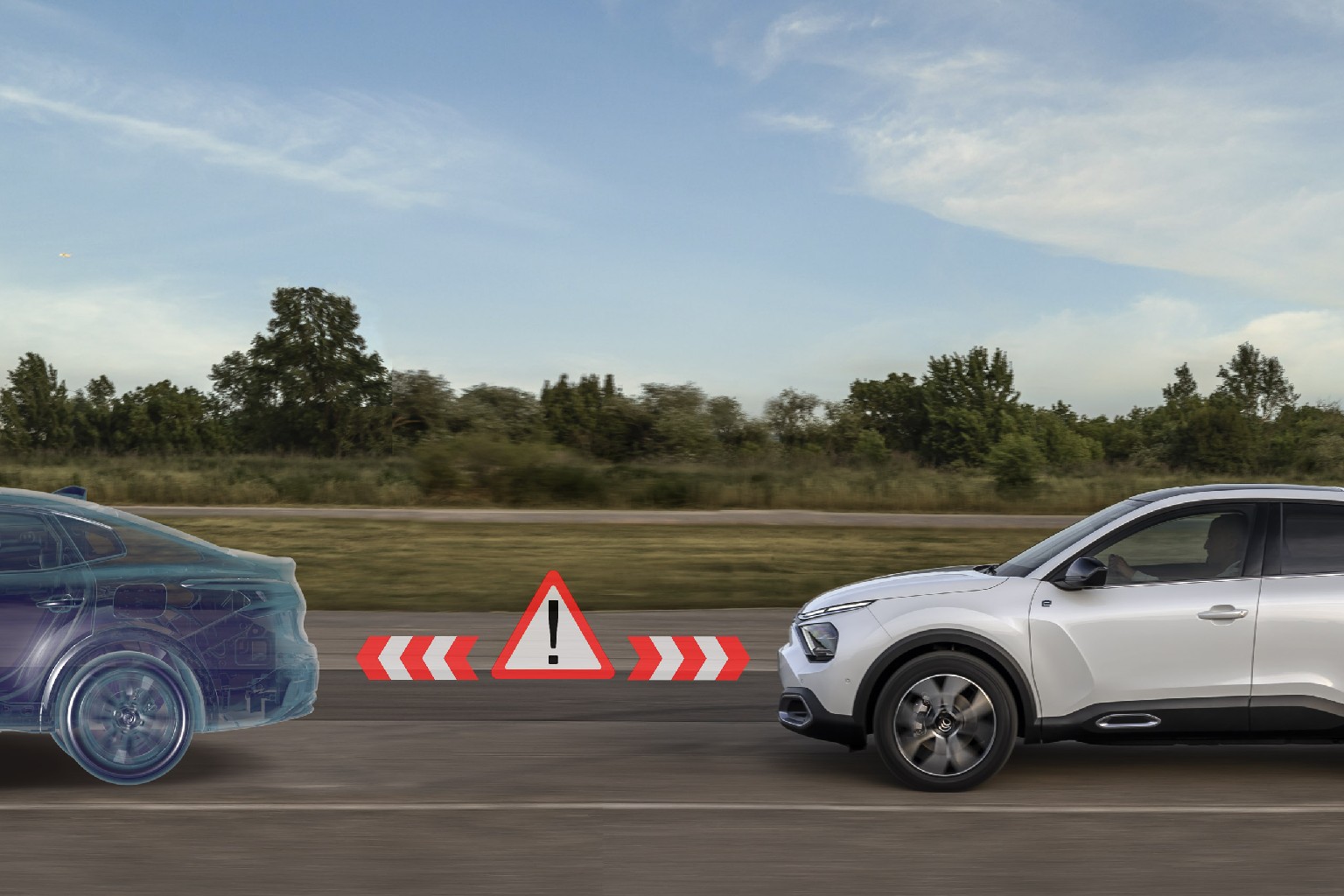
Hybrid vehicles integrate advanced safety technologies with electrified powertrains, enhancing driver awareness, collision prevention, stability, and overall confidence while supporting smooth braking behavior and dependable protection for everyday family use.
Advanced Driver Assistance Systems
Awareness and Monitoring Support
Modern hybrid vehicles are commonly equipped with advanced driver assistance systems designed to help drivers maintain awareness of their surroundings. These systems rely on sensors, cameras, and software working together to monitor road conditions, nearby vehicles, and potential hazards. Their primary purpose is to support, not replace, the driver’s judgment.
Features such as lane awareness support, blind-area monitoring, and forward observation assistance help reduce the likelihood of overlooked risks. By continuously scanning the environment, these systems provide timely alerts that allow drivers to respond more quickly to changing situations. This added layer of awareness is particularly valuable in busy traffic, parking areas, and complex driving environments.
For everyday driving, this support contributes to a calmer experience. Drivers are less likely to feel overwhelmed, knowing that the vehicle is actively assisting with situational awareness.
Adaptive Support Without Overcorrection
Advanced driver assistance in hybrids is designed to intervene gently. Rather than abrupt corrections, systems aim to provide subtle guidance, such as steering input or braking assistance, only when necessary. This approach preserves driver control while enhancing safety.
The balance between automation and human input is intentional. Drivers remain fully responsible for the vehicle, but receive support when attention lapses or conditions change rapidly. Over time, this cooperation between driver and system builds trust and familiarity.
This adaptive behavior aligns well with hybrid design philosophy, emphasizing smoothness, predictability, and everyday usability.
Collision Prevention and Risk Reduction
Forward Collision Mitigation
Collision prevention systems in hybrid vehicles focus heavily on detecting potential frontal impacts. Using sensors to assess distance and relative speed, these systems can warn drivers when a collision risk increases. If the driver does not respond in time, the vehicle may apply braking assistance to reduce impact severity.
This layered response helps address common real-world scenarios, such as sudden traffic slowdowns or momentary distraction. Rather than relying on a single action, the system escalates support gradually, matching the urgency of the situation.
The result is a safety approach that feels protective rather than intrusive, reinforcing confidence during daily driving.
Support in Urban and Low-Speed Environments
Hybrid vehicles are often used extensively in low-speed environments, where collision risks differ from highway driving. Pedestrian areas, intersections, and parking spaces require heightened attention and precise control.
Collision prevention systems adapted for these conditions help detect obstacles that may not be immediately visible. Alerts and gentle braking assistance support safer maneuvering without creating unnecessary alarm.
This focus on everyday scenarios reflects how safety features are tailored to real usage patterns rather than extreme conditions alone.
Regenerative Braking Feel and Safety Perception
Blending Energy Recovery with Control
Regenerative braking is a defining feature of hybrid vehicles, capturing energy during deceleration. From a safety perspective, the key concern is how this system feels to the driver. Modern hybrids are engineered to blend regenerative and traditional braking seamlessly, maintaining consistent pedal response.
Drivers experience braking that feels natural and predictable, even though multiple systems are working behind the scenes. This consistency is essential for safety, as it allows drivers to rely on instinctive braking behavior during sudden stops.
A stable braking feel supports confidence, particularly in unexpected situations where hesitation or uncertainty could increase risk.
Brake Wear Reduction and Reliability
Because regenerative braking handles a portion of deceleration, traditional brake components experience less wear. This can contribute to more consistent braking performance over time, supporting reliability throughout ownership.
Predictable braking behavior reinforces trust between driver and vehicle. Knowing that the brakes respond smoothly and consistently enhances overall safety perception, especially for drivers who prioritize long-term dependability.
This integration of efficiency and safety illustrates how hybrid technology supports multiple goals simultaneously.
Vehicle Stability and Road Control
Low Center of Gravity Benefits
Hybrid vehicles often incorporate battery components positioned low within the vehicle structure. This design can contribute to a lower center of gravity, improving stability during cornering and sudden maneuvers.
Enhanced stability supports better traction and reduced body roll, helping the vehicle remain composed when changing direction or responding to obstacles. Drivers may notice a planted, balanced feel that inspires confidence.
This stability is not about sporty handling, but about predictable, controlled movement that supports safe driving in varied conditions.
Electronic Stability Assistance
In addition to physical design advantages, hybrids typically include electronic stability systems that monitor wheel movement, steering input, and vehicle direction. When the system detects a loss of traction or control, it can intervene by adjusting power delivery or applying braking to individual wheels.
These interventions are designed to be subtle, correcting the vehicle’s path without startling the driver. The goal is to help maintain control rather than abruptly take over.
This quiet, background support aligns with the overall hybrid driving experience, emphasizing reassurance over drama.
Safety Ratings and System Integration
Holistic Safety Design
Safety ratings for hybrid vehicles reflect a holistic approach to protection. Rather than focusing on a single feature, evaluations consider structural integrity, restraint systems, electronic assistance, and crash mitigation technologies working together.
Hybrid powertrains are integrated into this broader safety framework. Battery systems are engineered with protective enclosures, isolation measures, and monitoring to ensure safe operation under normal and unexpected conditions.
This system-level integration supports confidence that electrified components are designed with the same safety priorities as traditional vehicle elements.
Consistency Across Driving Scenarios
One of the strengths of hybrid safety design is consistency. Whether driving at low speeds, cruising steadily, or navigating complex traffic, safety systems remain active and responsive.
Drivers benefit from a vehicle that behaves predictably across varied situations. This consistency reduces cognitive load, allowing drivers to focus on the road rather than adapting to changing vehicle behavior.
Reliable safety performance across scenarios supports trust, especially for long-term ownership.
Family Use and Everyday Protection
Supporting Passengers of All Ages
For families, safety extends beyond the driver to all occupants. Hybrid vehicles often emphasize stable ride quality, controlled acceleration, and smooth braking, contributing to passenger comfort and security.
Advanced safety features help protect vulnerable passengers by reducing collision risks and supporting careful maneuvering in everyday environments. Parents and caregivers often value this additional reassurance during routine travel.
The combination of active and passive safety measures supports a protective environment suited to diverse family needs.
Confidence in Daily Routines
Daily routines such as school runs, errands, and commuting place consistent demands on a vehicle. Hybrid safety features are designed to support these routines without requiring constant driver input or adjustment.
Systems operate quietly in the background, intervening only when necessary. This allows families to focus on daily activities rather than vehicle operation details.
Over time, this ease of use reinforces confidence and satisfaction with the vehicle choice.
Human Factors and Driver Trust
Building Familiarity Over Time
Trust in safety systems develops gradually. Hybrid vehicles are designed to communicate clearly with drivers through intuitive alerts and predictable responses. Rather than overwhelming drivers with information, systems prioritize clarity and relevance.
As drivers become familiar with how the vehicle responds, they gain confidence in both their own abilities and the supporting technology. This mutual trust enhances overall safety outcomes.
Clear communication between vehicle and driver is essential for effective safety integration.
Avoiding Overreliance on Technology
While advanced safety features provide valuable support, hybrids are designed to encourage active driver engagement. Systems assist rather than replace attention and responsibility.
This balance helps prevent overreliance on automation. Drivers remain aware that they are in control, using safety features as tools rather than substitutes.
Maintaining this balance supports safer behavior and reinforces responsible driving habits.
Safety in Diverse Driving Conditions
Urban Complexity and Control
Urban environments present unique safety challenges, including frequent stops, unpredictable movement, and close proximity to other road users. Hybrid safety systems are well suited to these conditions, supporting smooth braking, stable handling, and enhanced awareness.
Quiet operation combined with alert systems helps drivers navigate complex surroundings with confidence. The vehicle remains responsive without feeling demanding or abrupt.
This adaptability supports safe operation in environments where attention and precision are essential.
Calm Performance in Everyday Travel
Across varied driving conditions, hybrid safety features contribute to a calm, controlled experience. Rather than emphasizing aggressive intervention, systems focus on prevention, stability, and support.
This calm performance reduces stress for drivers and passengers alike. Safety becomes an integrated part of the driving experience rather than a separate concern.
Such integration aligns with the broader appeal of hybrid vehicles as dependable, everyday companions.
Questions and Answers
Q: Do hybrid safety features differ from those in conventional vehicles?
Hybrid safety features are similar in purpose, but are often integrated with electrified systems to support smoother braking, stability, and energy management.
Q: Does regenerative braking affect stopping safety?
No. Regenerative braking is designed to blend seamlessly with traditional brakes, maintaining consistent and predictable stopping behavior.
Q: Are hybrid vehicles suitable for family use?
Yes. Hybrid vehicles emphasize stability, collision prevention, and occupant protection, supporting everyday family transportation needs.
Q: Do advanced safety systems take control away from the driver?
No. These systems are designed to assist and support the driver, intervening gently while preserving driver responsibility and control.