
Understanding what makes hybrid SUVs distinctive helps families choose the right vehicle for their needs. This article explores how hybrid SUV models balance cargo capacity with comfort, deliver meaningful fuel savings without sacrificing capability, and integrate advanced technology and design features that fit a wide range of lifestyles.
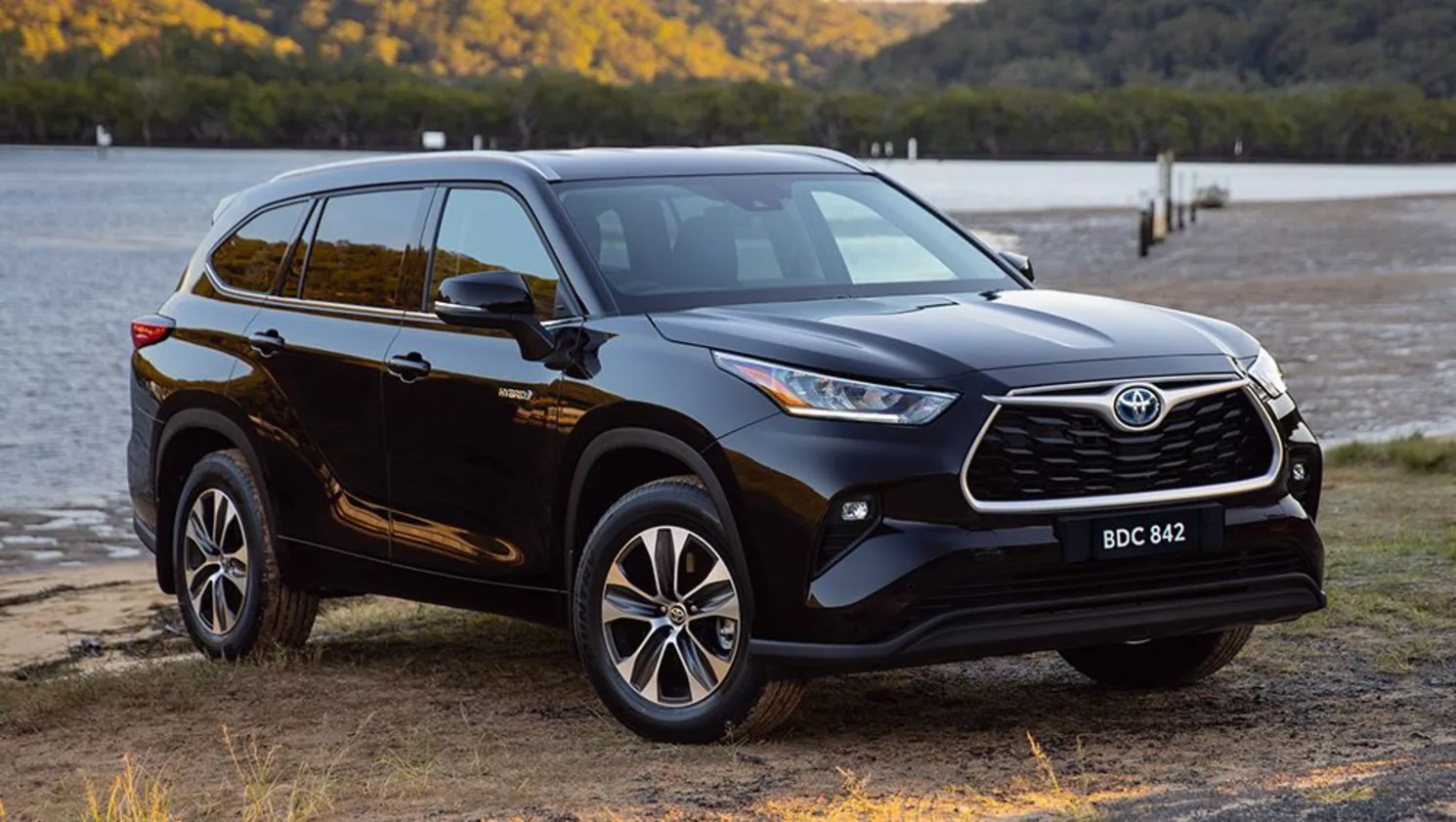
Understanding what makes hybrid SUVs distinctive helps families choose the right vehicle for their needs. This article explores how hybrid SUV models balance cargo capacity with comfort, deliver meaningful fuel savings without sacrificing capability, and integrate advanced technology and design features that fit a wide range of lifestyles.
The Appeal of Hybrid SUVs for Families
Family Vehicles With Practical Design
Hybrid SUVs are engineered to meet the needs of modern families. They typically provide spacious interiors that accommodate both passengers and cargo without feeling crowded, making it easier to transport children, pets, sports gear, groceries, and more. The elevated seating position common in SUVs also enhances visibility, which many drivers find reassuring in daily driving.
In addition to space, hybrid SUV interiors are designed for comfort and convenience. Thoughtful storage compartments, accessible charging points, and user-friendly infotainment systems help make long drives and short commutes alike more enjoyable. These vehicles are often equipped with features that simplify family routines, such as rear-seat climate controls, flexible seating, and easy-to-clean surfaces.
Because hybrid SUVs serve both practical and emotional needs—safety, comfort, adaptability—they appeal strongly to families who want a single vehicle that can handle diverse everyday responsibilities.
Cargo Space for Everyday Needs
Cargo space is one of the defining strengths of SUVs in general, and hybrid models are no exception. Unlike compact cars or sedans, hybrid SUVs often offer generous cargo areas that can accommodate strollers, suitcases, camping gear, and other large items without much effort. Flexible seating arrangements, such as split-folding rear seats, expand the usable cargo area when needed.
Families who enjoy weekend activities benefit from this adaptability. Whether packing for a beach day, organizing items for a school project, or transporting bulky household purchases, the cargo space in hybrid SUVs supports a wide variety of tasks. Many models also include clever storage solutions—under-floor compartments, adjustable tie-downs, and accessible side pockets—that make organizing belongings intuitive.
Importantly, this cargo capacity does not come at the expense of passenger comfort. Hybrid SUVs balance space and comfort in a way that maintains room for both people and belongings, making them well suited to active family lifestyles.
Fuel Savings and Efficiency Advantages
How Hybrids Deliver Better Efficiency
One of the principal attractions of hybrid SUV models is their capacity for fuel savings compared to traditional gasoline-only SUVs. Hybrid powertrains combine an internal combustion engine with one or more electric motors, allowing the vehicle to use energy more intelligently across different driving conditions.
In everyday driving, the hybrid system can reduce the reliance on gasoline by using electric power during situations where conventional engines are less efficient. For instance, in city traffic with frequent stops and starts, the electric component can handle much of the acceleration effort, reducing fuel consumption. On the highway, the gasoline engine runs more efficiently, with the electric system supporting when additional power is needed.
For families who spend significant time on the road—whether commuting to school, driving between extracurricular activities, or exploring nearby attractions—these fuel savings add up over time. Hybrid SUVs make it possible to enjoy the utility of a larger vehicle without the fuel use typically associated with it.
Everyday Driving and Cost Awareness
Fuel savings with hybrid SUVs are not merely theoretical; they are evident in the way these vehicles operate day to day. Drivers often notice smoother acceleration and more seamless responses from the powertrain because the hybrid system manages energy distribution intelligently. Even without monitoring specific consumption figures, many owners appreciate the sense that the vehicle uses fuel thoughtfully.
This efficient use of energy also aligns with broader awareness of environmental impact and individual transportation costs. Families increasingly consider the balance between capability and sustainability when selecting vehicles. Hybrid SUVs offer a way to maintain practical utility while being mindful of both long-term fuel use and broader environmental concerns.
By blending performance with efficiency, hybrid SUVs deliver value that resonates with drivers who want to make thoughtful decisions about how they use their vehicles.
All Wheel Drive and Capability
All Wheel Drive Options for Diverse Conditions
All-wheel drive (AWD) options are an important consideration for many SUV buyers, and hybrid models often offer AWD as part of their design. AWD enhances traction and stability by delivering power to all four wheels when conditions demand it. This can be particularly useful in regions with variable weather, such as rain, snow, or loose gravel roads.
For families who encounter mixed driving conditions—whether navigating suburban streets, rural roads, or mountain passes—AWD contributes to confidence and control. Hybrid SUV powertrains with AWD are engineered to integrate electric and mechanical power sources smoothly, ensuring that traction benefits do not come at the cost of efficiency.
Because AWD systems have evolved alongside hybrid technology, many hybrid SUVs deliver capability that feels intuitive and responsive, without requiring the driver to manage complex settings.
Versatility Across Everyday Life
Versatility is a hallmark of successful hybrid SUV design. These vehicles are not solely defined by their hybrid powertrains; they also embody the adaptability that SUV buyers expect. AWD enhances this adaptability by ensuring that the vehicle’s performance remains solid across a wide range of terrains and conditions.
For example, a family might rely on their hybrid SUV for daily commutes during the week, but then take the same vehicle on a weekend adventure that includes winding country roads or lightly rugged trails. Hybrid SUVs with AWD handle this transition without imposing limitations on the driver.
This blend of capability and everyday practicality distinguishes hybrid SUVs from vehicles that prioritize either efficiency or off-road performance alone. Instead, hybrid SUVs strive to meet the full spectrum of family transportation needs.
Popular Hybrid SUV Models and What They Offer
Recognizable Models in the Market
The popularity of hybrid SUVs has led to a wide selection of models from different manufacturers. These vehicles vary in size, style, feature content, and design philosophy, but they all share a common emphasis on combining SUV utility with hybrid efficiency.
Some hybrid SUVs are designed with a focus on compact agility, making them ideal for urban environments where parking space and maneuverability matter. Others emphasize larger interiors and premium features for families who prioritize comfort and technology. Across this spectrum, hybrid powertrains are adapted to deliver smooth, predictable performance that aligns with each model’s identity.
Families comparing options will find that each hybrid SUV model brings its own balance of strengths. Some prioritize cargo flexibility, others emphasize advanced safety and driver-assist features, and still others focus on refined interior comfort. Understanding how these elements align with personal priorities helps prospective buyers make informed decisions.
Versatility in Form and Function
Versatility is not just about cargo space or fuel savings; it also manifests in the overall design and character of hybrid SUV models. Many of these vehicles provide configurable seating layouts, intuitive tech interfaces, and supportive comfort features that adapt to diverse needs.
For example, some models offer easy-to-access third-row seating for larger families, while others emphasize thoughtful storage solutions for everyday logistics. The availability of driver-assist features and connectivity options has also become a differentiator, with hybrid SUVs often incorporating these amenities to enhance ease of use and enjoyment.
Ultimately, popular hybrid SUV models reflect the diversity of family lifestyles—from city-centric households to outdoor enthusiasts who value capability and flexibility.
Versatility in Urban and Suburban Settings
City Driving and Everyday Flexibility
Hybrid SUVs perform well in urban environments, where their combination of size, efficiency, and visibility comes to the fore. Drivers appreciate the raised driving position for navigating city streets, and the hybrid system enhances responsiveness during frequent stop-and-go traffic.
In dense areas where parking can be challenging, hybrid SUVs are often designed with features that support ease of use, such as rear-view cameras, parking sensors, and compact turning radii. These design choices improve daily usability without sacrificing the cargo space and interior comfort that families need.
For suburban settings, hybrid SUVs also shine by providing stable performance on highways, smooth acceleration for merging or overtaking, and comfortable seating for longer commutes. This dual capability—feeling at home in both city and suburban contexts—is a key part of their appeal.
Adapting to Changing Family Needs
Families evolve over time, and a vehicle that supports that evolution is especially valuable. Hybrid SUVs accommodate the changing needs of growing children, shifting schedules, and expanding lifestyle activities. Their adaptability means that they can remain relevant and practical even as family routines change.
From school runs and shopping trips to weekend outings and longer vacations, hybrid SUVs provide a platform that responds well to shifting demands. Families often find that these vehicles support not only functional requirements but also personal preferences for comfort, efficiency, and capability.
This adaptability increases the long-term value of hybrid SUVs as family vehicles that remain useful and engaging over time.
Questions and Answers
Q: Do hybrid SUVs really provide meaningful fuel savings compared to conventional SUVs?
Yes. Hybrid SUVs use their electric systems to reduce reliance on the gasoline engine when conditions favor efficiency, which often leads to noticeable fuel savings in everyday driving.
Q: Are hybrid SUVs suitable for families with active lifestyles?
Absolutely. Hybrid SUVs combine flexible cargo space, comfortable seating, and optional all-wheel drive, making them adaptable to both daily routines and recreational activities.
Q: Do hybrid SUVs perform well in different weather conditions?
Many hybrid SUVs offer all-wheel drive options and systems designed to support traction and stability, making them capable in varied weather without sacrificing efficiency.
Q: Is the cargo space in a hybrid SUV significantly different from a conventional SUV?
Hybrid SUV cargo space varies by model, but many provide comparable or even enhanced cargo flexibility thanks to thoughtful design and configurable seating.
Hybrid SUVs represent a compelling choice for families who want to balance practicality with modern efficiency, delivering thoughtful design and everyday versatility across a wide range of driving conditions.