
Hybrid vehicles have become an established part of the automotive landscape in the United States and the United Kingdom. Rather than relying on a single form of propulsion, hybrid vehicles combine an internal combustion engine with one or more electric components. This approach allows manufacturers to design vehicles that balance efficiency, performance, and everyday usability.
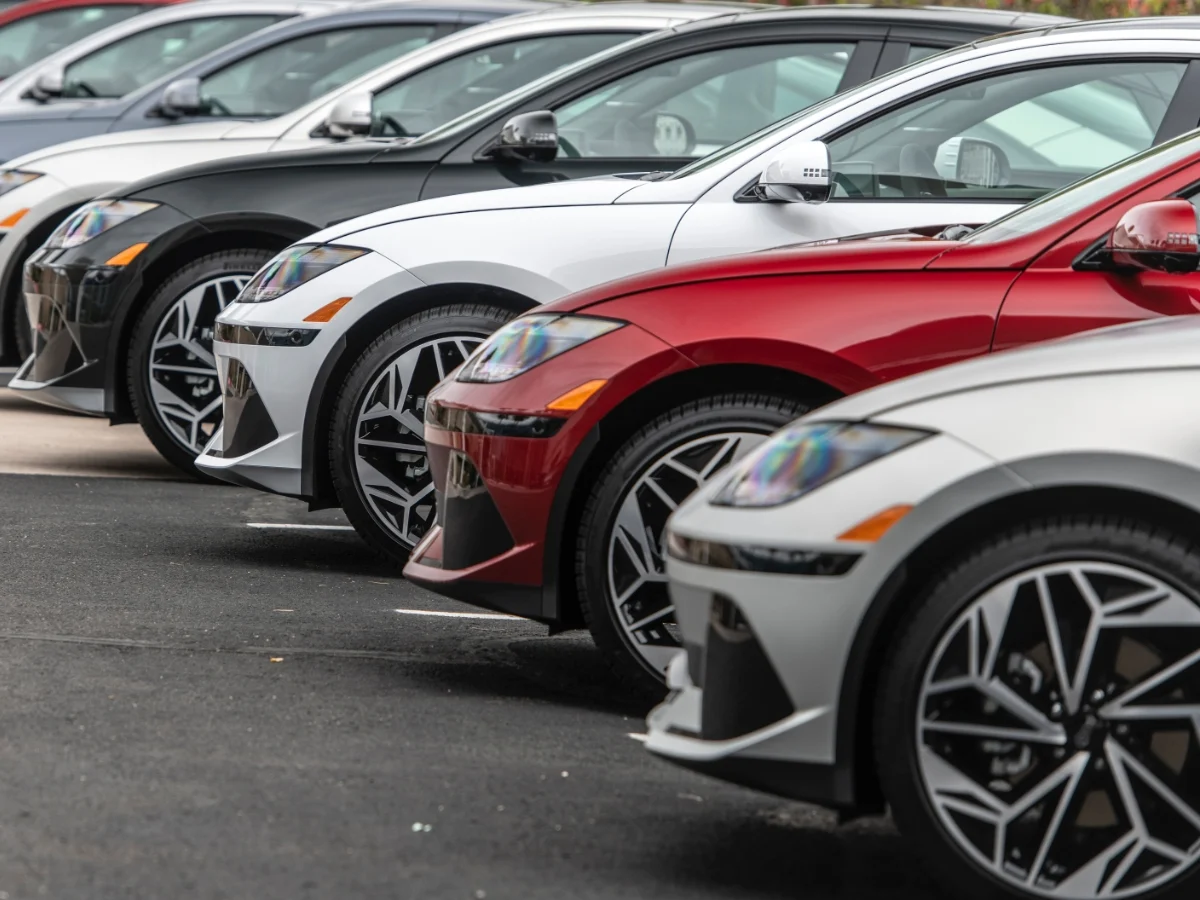
Hybrid vehicles have become an established part of the automotive landscape in the United States and the United Kingdom. Rather than relying on a single form of propulsion, hybrid vehicles combine an internal combustion engine with one or more electric components. This approach allows manufacturers to design vehicles that balance efficiency, performance, and everyday usability.
Understanding Hybrid Vehicle Classifications
What Defines a Hybrid Vehicle
A hybrid vehicle is defined by its use of more than one energy source for propulsion. In most modern passenger cars, this means combining a gasoline engine with an electric motor and a battery system. The way these components interact determines the vehicle’s classification.
Hybrid classifications are not marketing labels alone. They reflect real differences in powertrain design, control strategy, and driving behavior. Some hybrids rely heavily on electric propulsion, while others use electric assistance in a more limited way. These design choices affect how the vehicle accelerates, how it responds to traffic conditions, and how energy is managed during everyday driving.
Understanding these distinctions allows drivers to make informed comparisons between different hybrid models without focusing solely on brand names or surface features.
Why Powertrain Design Matters
Powertrain design refers to how a vehicle’s engine, motor, transmission, and control systems are arranged and connected. In hybrid vehicles, powertrain design determines how power flows from the energy sources to the wheels.
Different powertrain designs prioritize different goals. Some emphasize simplicity and smooth operation, while others focus on flexibility or extended electric driving capability. The design also influences how the vehicle transitions between power sources and how noticeable those transitions are to the driver.
By examining powertrain design, it becomes easier to understand why certain hybrid types feel more electric-focused while others feel closer to conventional vehicles.
Full Hybrid and Mild Hybrid Systems
Full Hybrid Vehicles
Full hybrid vehicles are capable of operating using the electric motor alone, the gasoline engine alone, or a combination of both. This flexibility is a defining feature of full hybrid systems and sets them apart from simpler hybrid designs.
In everyday driving, a full hybrid may rely on electric power during low-speed travel, such as in traffic or residential areas. When additional power is needed, the gasoline engine starts and works alongside the electric motor. The system can also switch to engine-only operation when that is more efficient.
The driver does not need to manage these transitions. An onboard control system determines how and when each power source is used. As a result, full hybrid vehicles often deliver a smooth and predictable driving experience that feels familiar to drivers transitioning from conventional cars.
Mild Hybrid Vehicles
Mild hybrid vehicles use electric assistance in a more limited way. In a mild hybrid system, the electric motor cannot power the vehicle on its own. Instead, it supports the gasoline engine by providing additional torque during acceleration and by assisting with engine restarts.
The electric component in a mild hybrid is typically smaller and simpler than in a full hybrid. Its role is to reduce engine workload rather than replace engine operation. This design allows for improvements in smoothness and efficiency without significantly changing the driving experience.
Because mild hybrids cannot drive using electric power alone, they behave very much like traditional gasoline vehicles from the driver’s perspective. The hybrid system works quietly in the background, enhancing operation without drawing attention to itself.
Plug-In Hybrid Technology
How Plug-In Hybrid Vehicles Work
Plug-in hybrid vehicles build on the principles of full hybrid systems but add the ability to recharge the battery from an external power source. This design allows plug-in hybrids to operate on electric power for extended periods under suitable conditions.
In electric-focused operation, a plug-in hybrid functions much like a battery-powered vehicle. When the battery reaches a lower charge level, the gasoline engine takes over or works alongside the electric motor, ensuring that the vehicle can continue driving without interruption.
This dual capability makes plug-in hybrids adaptable to a wide range of driving patterns. Short trips may rely mostly on electric propulsion, while longer journeys benefit from the flexibility of the gasoline engine.
Powertrain Design Considerations
The powertrain design of a plug-in hybrid must accommodate both electric-focused driving and traditional hybrid operation. This requires careful integration of the battery, motor, engine, and control software.
The system is designed to manage energy intelligently, deciding when to preserve battery charge and when to use it more freely. From the driver’s perspective, these decisions are largely automatic, with the vehicle adjusting itself to the situation.
Plug-in hybrid powertrains also emphasize smooth transitions between electric and engine-driven operation. This ensures that the vehicle remains comfortable and predictable, regardless of how the energy sources are being used.
Series Hybrid and Parallel Hybrid Architectures
Series Hybrid Systems
In a series hybrid system, the gasoline engine is not mechanically connected to the wheels. Instead, the engine’s primary role is to generate electricity. That electricity is then used to power the electric motor, which drives the wheels.
This architecture allows the gasoline engine to operate independently of vehicle speed. Because it does not need to respond directly to driver input, the engine can run in conditions that are well suited to its design.
From a driving perspective, series hybrids feel similar to electric vehicles because propulsion always comes from the electric motor. The presence of the engine is mostly hidden, as it functions as an onboard generator rather than a direct source of motion.
Parallel Hybrid Systems
Parallel hybrid systems connect both the gasoline engine and the electric motor directly to the wheels. Either power source can propel the vehicle, or they can work together to meet higher demands.
This design is mechanically efficient and well suited to a wide range of driving conditions. During steady cruising, the gasoline engine may take the lead. During acceleration or hill climbing, the electric motor can provide additional support.
Parallel hybrids often strike a balance between simplicity and flexibility. The direct connection between engine and wheels allows for familiar driving behavior while still benefiting from electric assistance.
Comparing Hybrid Powertrain Designs
Flexibility and Driving Experience
Different hybrid types offer different levels of flexibility. Full hybrids and plug-in hybrids provide more opportunities for electric-only driving, while mild hybrids focus on subtle support. Series hybrids emphasize electric propulsion, whereas parallel hybrids blend electric and engine power more directly.
These differences influence how the vehicle feels in daily use. Some hybrids feel especially quiet and smooth at low speeds, while others feel almost identical to conventional vehicles. None of these approaches is inherently better; each reflects a different engineering priority.
Understanding these distinctions helps drivers align their expectations with the type of hybrid system they are considering.
Engineering Trade-Offs
Every hybrid powertrain design involves trade-offs. Increasing electric capability adds complexity, while simpler designs offer fewer electric-driven features. Engineers must balance efficiency, performance, reliability, and cost when choosing a hybrid architecture.
Powertrain design also affects vehicle layout and weight distribution. Integrating multiple systems requires careful planning to ensure safety and durability. Modern hybrid vehicles reflect years of refinement aimed at making these systems work together smoothly.
Questions and Answers
Q: Are all hybrid vehicles capable of electric-only driving?
No. Only certain types, such as full hybrids and plug-in hybrids, can drive using electric power alone. Mild hybrids cannot.
Q: What is the main difference between series and parallel hybrids?
In a series hybrid, the engine generates electricity and does not directly drive the wheels. In a parallel hybrid, both the engine and motor can drive the wheels directly.
Q: Do plug-in hybrids work without being plugged in?
Yes. Plug-in hybrids can operate like conventional hybrids even if they are not connected to an external power source.
Q: Does hybrid type affect how the vehicle feels to drive?
Yes. Different hybrid designs influence acceleration, smoothness, and how noticeable the transitions between power sources are.