
Navigating the diverse landscape of modern automotive options, vehicles characterized by their versatile prowess have successfully captured a growing audience. These multifaceted machines blend urban practicality with adventure readiness, offering passengers a distinctive experience typified by spacious interiors, advanced technology, and dynamic adaptability that meets a wide array of modern driving demands.
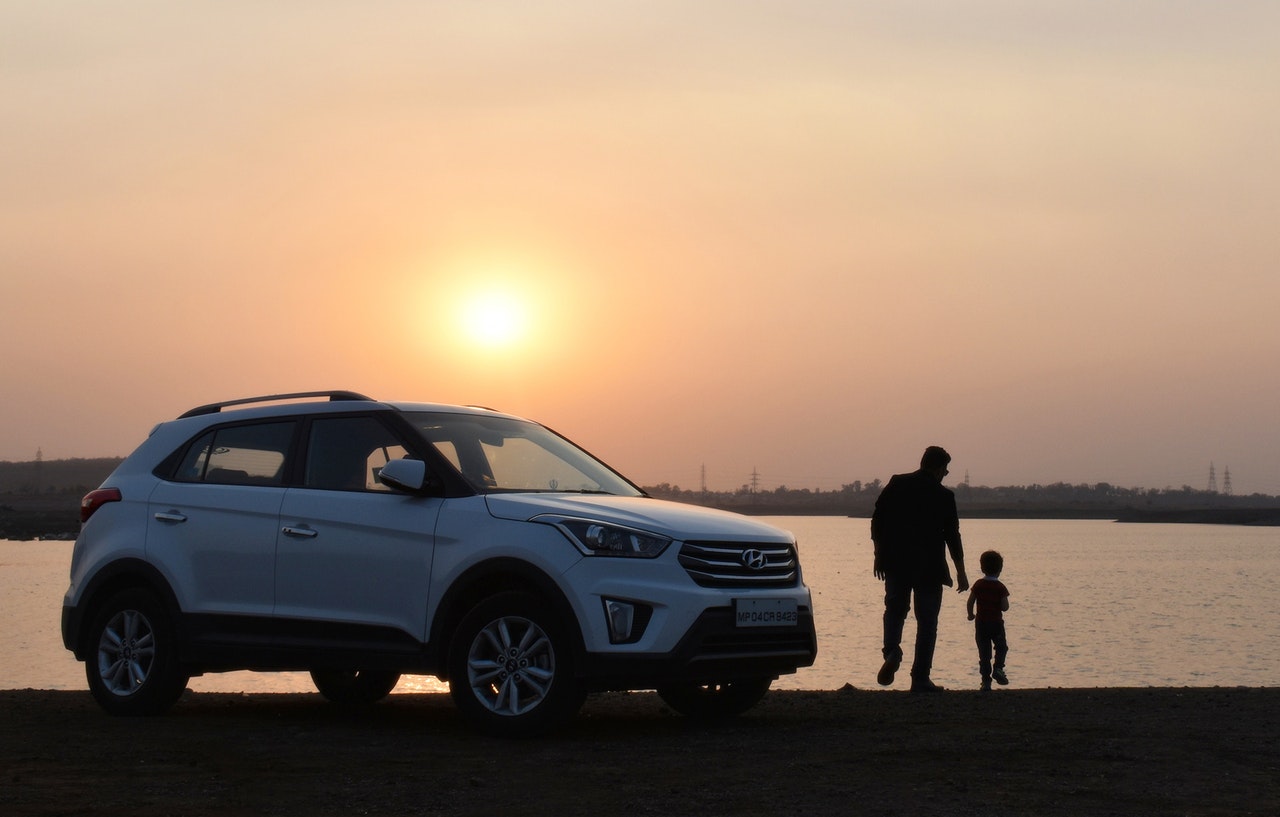
Navigating the diverse landscape of modern automotive options, vehicles characterized by their versatile prowess have successfully captured a growing audience. These multifaceted machines blend urban practicality with adventure readiness, offering passengers a distinctive experience typified by spacious interiors, advanced technology, and dynamic adaptability that meets a wide array of modern driving demands.
Mastering the Balance of Comfort and Capability
The Engineering Evolution of Ride Quality
For decades, there was a prevalent misconception that choosing a vehicle with off-road potential meant sacrificing on-road comfort. The stereotype suggested that to have a car capable of handling rough terrain, one had to endure a stiff, truck-like suspension and significant cabin noise. However, the engineering behind modern high-riding vehicles has undergone a radical transformation, effectively rendering those old compromises obsolete. Today, driving one of these versatile machines feels remarkably similar to piloting a premium sedan, characterized by a smoothness and quietness that defies their rugged exterior.
This shift is largely due to the widespread adoption of unibody construction over the traditional body-on-frame architecture. By integrating the frame and body into a single piece, manufacturers have significantly increased structural rigidity while reducing weight. This allows for sophisticated suspension tuning that absorbs bumps in the tarmac and dampens road noise, delivering a serene experience during highway cruising or the daily school run. Simultaneously, advanced damping systems can stiffen up when necessary, ensuring the vehicle remains composed during cornering or when navigating uneven surfaces.
Commanding the Road with Enhanced Visibility
One of the most immediate and appreciated benefits of stepping into this vehicle class is the elevated seating position. Often referred to as the "command driving position," this height advantage offers far more than just a sense of authority; it is a critical functional asset. In dense city traffic or on busy motorways, being able to see over the rooflines of smaller cars allows drivers to anticipate braking or congestion further ahead, reducing reaction times and alleviating driving stress.
However, a larger stature historically came with the downside of increased blind spots. This challenge has been aggressively addressed through the integration of cutting-edge optical technology. Modern iterations are frequently equipped with 360-degree camera systems that stitch together feeds from around the vehicle to create a "bird's-eye" view on the dashboard display. This technology transforms difficult maneuvers—such as parallel parking in a tight urban spot or navigating a narrow country lane—into stress-free tasks.
The Interior Revolution: Space and Connectivity
Redefining the Family Living Room
The interior design of these vehicles has shifted from purely utilitarian to genuinely luxurious, creating a space that functions less like a cockpit and more like a mobile lounge. The priority has moved towards maximizing passenger comfort and flexibility, acknowledging that for many owners, the car serves as a second living room. Legroom and headroom are generous, often accommodating taller adults comfortably even in the rear seats, which is a significant upgrade from the confined quarters of traditional hatchbacks or sedans.
| Feature Comparison | Traditional Sedan/Hatchback | Modern Versatile Utility Vehicle |
|---|---|---|
| Seating Position | Lower to the ground; legs stretched forward. | Elevated "Chair" height; easier entry/exit for all ages. |
| Cargo Access | Narrow trunk opening or hatch; deeper reach required. | Wide, flat loading lip; waist-height loading reduces back strain. |
| Cabin Layout | Fixed structure; limited reconfiguration options. | Modular; seats fold flat to create van-like utility instantly. |
| Passenger View | Limited to immediate surroundings and traffic level. | Panoramic view over traffic and guardrails; airy atmosphere. |
Cargo Capacity for Every Lifestyle
The allure of the high-riding vehicle is inextricably linked to its cargo-carrying potential. While passenger comfort is paramount, the ability to transport gear is what often seals the deal for active buyers. The verticality of the body shape allows for the stacking of luggage, camping gear, or large boxes in a way that sloping trunks cannot accommodate. When the rear seats are folded down, the resulting cargo volume often rivals that of small commercial vans, unlocking a level of utility that supports everything from major home improvement projects to moving house.
Designers have also become incredibly clever with how this space is utilized. It is not just about total cubic feet; it is about usable space. Features such as under-floor storage compartments provide a secure place to hide valuables like laptops or cameras, keeping them out of sight when parked. Powered tailgates with hands-free operation—activated by kicking a foot under the bumper—have become standard on many trims, proving invaluable when approaching the vehicle with arms full of groceries or gear.
For the growing segment of electric models in this class, packaging efficiency is taken a step further. Without a bulky internal combustion engine up front, many vehicles now offer a "frunk" (front trunk). This additional sealed compartment is perfect for storing charging cables, muddy hiking boots, or wet swimming gear, keeping them separate from the clean interior and main cargo area. This intelligent use of space ensures that the vehicle adapts to the user's lifestyle, rather than the user having to adapt their packing habits to the limitations of the car.
Safety Standards and the Shift to Sustainability
The Shield of Intelligent Safety Systems
When discussing the reasons for selecting a larger vehicle, the perception of safety is almost always a primary factor. There is a psychological reassurance in being surrounded by a more substantial metal structure, a feeling of being "protected" that resonates deeply with parents and safety-conscious drivers. While the laws of physics do provide some advantage in terms of mass, modern engineering has supplemented this with active safety technologies that prevent accidents before they happen.
Today's models serve as flagships for the latest Advanced Driver Assistance Systems (ADAS). Features that were once exclusive to high-end luxury saloons—such as adaptive cruise control, lane-keeping assist, and automatic emergency braking with pedestrian detection—are now standard expectations in this segment. Because these vehicles are often used to transport families, manufacturers prioritize achieving top ratings in crashworthiness tests. The rigid passenger safety cells are designed to deflect energy away from occupants, while multiple airbags cover every window and seating row.
Moreover, technology now actively mitigates the risks associated with driving a larger vehicle. Blind-spot monitoring uses radar to detect vehicles in adjacent lanes, alerting the driver with visual or auditory signals before a lane change is attempted. Rear cross-traffic alert systems warn of approaching cars when backing out of a driveway or parking space, effectively "seeing" around corners where human vision is blocked. These systems act as a second pair of eyes, ensuring that the vehicle’s size never becomes a liability, but remains a protective asset.
Embracing the Green Shift Without Sacrificing Power
A decade ago, the primary argument against choosing a larger, capable vehicle was its environmental impact and fuel consumption. They were often viewed as gas-guzzlers, heavy on the wallet and the planet. However, the automotive landscape has shifted dramatically. The rapid integration of hybrid and fully electric powertrains has fundamentally altered the equation, allowing drivers to enjoy the benefits of size and utility without the associated guilt or excessive running costs.
Electric powertrains are particularly well-suited to this vehicle class. The heavy battery packs can be mounted low in the chassis floor, which lowers the center of gravity. This not only improves handling stability—making the car feel planted in corners—but also frees up interior space. Furthermore, electric motors provide instant torque. Unlike a petrol engine that needs to rev up to produce power, an electric motor delivers maximum thrust immediately. This makes merging onto highways or towing a trailer effortless, providing a surge of acceleration that feels lighter and more responsive than traditional combustion engines.
| Powertrain Type | Ideal User Profile | Key Benefit |
|---|---|---|
| Fully Electric (BEV) | Homeowners with chargers; Urban/Suburban commuters. | Lowest running costs; silent operation; zero tailpipe emissions. |
| Plug-in Hybrid (PHEV) | Daily short commuters who also take long road trips. | Electric driving for daily chores; petrol backup for unlimited range. |
| Self-Charging Hybrid | Urban drivers without home charging access. | Excellent city fuel economy without needing to plug in. |
| Clean Diesel/Petrol | Frequent towers; rural drivers needing long range. | High towing capacity; rapid refueling in remote areas. |
For those not ready to go fully electric, hybrid technology offers a compelling middle ground. These systems allow for silent, emission-free driving in city centers and stop-and-go traffic, where traditional engines are least efficient. When the open road calls, the combustion engine engages to provide long-range capability. This technological evolution implies that choosing a spacious, versatile vehicle is no longer a compromise on environmental values. It represents a new era where efficiency, power, and practicality coexist, securing the future of this segment as the default choice for the modern motorist.
Q&A
Why choose an SUV over other types of vehicles?
Choosing an SUV offers several advantages over other vehicle types. SUVs typically provide more interior space, making them ideal for families or those needing extra cargo capacity. Their higher seating position offers better visibility on the road. Additionally, many SUVs are equipped with all-wheel or four-wheel drive, making them suitable for off-road adventures and providing better performance in adverse weather conditions.
What exactly defines an SUV car?
An SUV, or Sport Utility Vehicle, is defined by its ability to combine elements of road-going passenger cars with features from off-road vehicles, such as raised ground clearance and ruggedness. They often have a boxy body shape, a taller stance, and typically come with options for four-wheel drive, making them versatile for a variety of terrains and driving conditions.
What are the reasons drivers prefer SUVs?
Drivers often prefer SUVs for their versatility, safety, and comfort. The elevated driving position provides a commanding view of the road, enhancing safety. SUVs often come with advanced safety features and have a reputation for being more robust in collisions. Additionally, the spacious interiors make them perfect for long journeys or for families needing extra space for passengers and luggage.
What are must-check features for smart SUV shopping?
When shopping for an SUV, it's essential to consider features like fuel efficiency, safety ratings, and technology options. Check for advanced safety features such as blind-spot monitoring, adaptive cruise control, and lane-keeping assistance. Evaluate the vehicle’s towing capacity if you plan to haul trailers or boats. Additionally, consider the SUV’s fuel economy and whether it offers a hybrid or electric model for more environmentally-friendly driving.
What SUV considerations should be made before buying?
Before purchasing an SUV, consider your primary use for the vehicle. Evaluate if you need off-road capabilities, the level of passenger and cargo space required, and your budget for both purchase and ongoing costs like fuel and maintenance. Additionally, think about parking space and maneuverability if you live in urban areas, as SUVs can be larger and more challenging to park than smaller cars.
What does the future of SUVs look like?
The future of SUVs is leaning towards increased sustainability and advanced technology. Many manufacturers are introducing hybrid and fully electric models to meet environmental concerns. Technology integration will also be a focus, with features like autonomous driving capabilities and enhanced connectivity becoming more prevalent. As consumer preferences evolve, the SUV market is expected to adapt with more customizable and efficient options.