
Once primarily a choice for large family needs or rugged terrain adventures, SUVs have evolved to dominate the streets and driveways across America. With their roomy interiors, elevated seating positions, and versatile designs, these vehicles continue to capture the hearts of Americans seeking both practicality and style. What makes them so appealing despite the mixed opinions surrounding their efficiency and size?
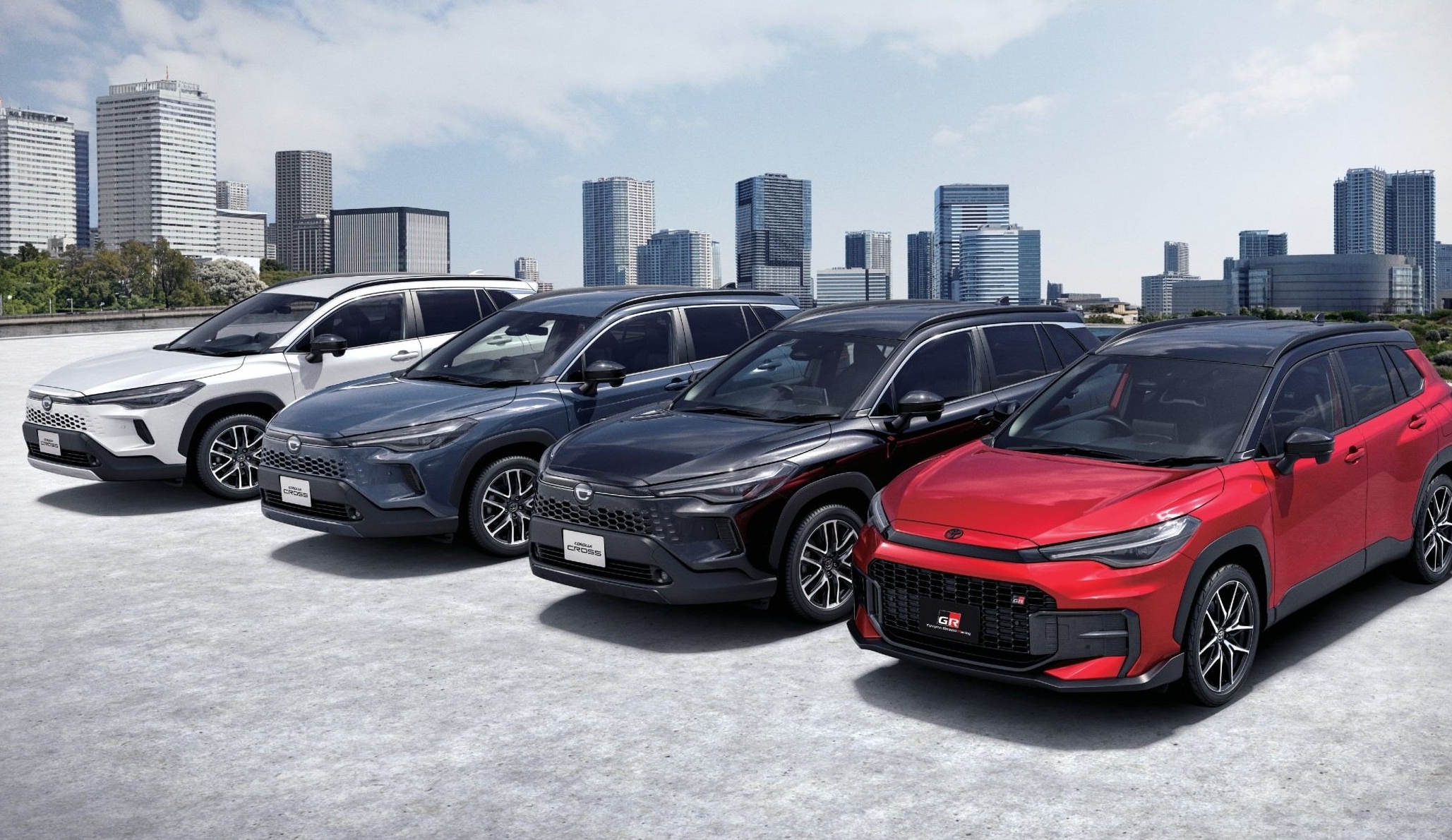
Once primarily a choice for large family needs or rugged terrain adventures, SUVs have evolved to dominate the streets and driveways across America. With their roomy interiors, elevated seating positions, and versatile designs, these vehicles continue to capture the hearts of Americans seeking both practicality and style. What makes them so appealing despite the mixed opinions surrounding their efficiency and size?
The Evolution of SUVs: From Utility to Luxury
Gone are the days when buying a Sport Utility Vehicle meant sacrificing comfort for cargo space. Today, the SUV segment has completely transformed, blending rugged capability with high-end sophistication to become the dominant force on American roads.
1. Redefining the "Sport Utility" Definition
If you grew up riding in the back of a bumpy, utilitarian truck-based vehicle, the modern SUV might feel like a different species entirely. We are witnessing a massive shift where utility meets opulence. This transition is perfectly illustrated by the trajectory of long-standing models like the Nissan Armada. Back in 2004, the Armada was a performance-focused workhorse; fast forward to the 2025 iteration, and you find a machine boasting a 400-horsepower twin-turbo V6 and technology that rivals top-tier luxury sedans. This isn't an isolated case. The entire segment is pivoting toward premium features. According to recent industry analysis by MarketsandMarkets, the global SUV market is projected to grow from roughly $118 billion in 2025 to over $167 billion by 2032.
Luxury SUV Attributes Comparison
| Attribute | Traditional SUV | Modern Luxury SUV |
|---|---|---|
| Comfort Level | Basic | Premium |
| Technology Integration | Minimal | High-tech |
| Performance Focus | Utility | Balanced with Speed |
| Target Market | General Utility | High-income Demographic |
2. The High-Tech and Hybrid Revolution
Beyond leather stitching and horsepower, the heart of the SUV is changing, too. The modern American driveway is increasingly home to vehicles that prioritize fuel efficiency and software as much as towing capacity. If you look at the current landscape, fuel economy is a massive deciding factor for buyers. Data from Kelley Blue Book (KBB) highlights how 2025 models like the Kia Niro PHEV and the Lexus UX 300h are setting new standards for mileage, proving that driving a larger vehicle doesn't have to mean breaking the bank at the gas pump. This push for efficiency is supported by federal initiatives, with the U.S. Department of Energy actively investing in critical mineral supply chains to ensure that the electric and hybrid SUVs of tomorrow remain affordable and sustainable.
High-Tech Feature Considerations
| Feature | Benefit | Potential Challenge |
|---|---|---|
| Driver-Assistance Systems | Enhanced Safety | Software Reliability Issues |
| Hybrid Powertrains | Improved Fuel Efficiency | Battery Longevity |
| Over-the-Air Updates | Continuous Improvement | Data Security Concerns |
| Active Suspension | Better Handling | Higher Maintenance Costs |
Why Are SUVs So Popular? Unpacking Their Modern Appeal
If you take a stroll through any neighborhood or glance around a busy parking lot, the dominance of Sport Utility Vehicles is undeniable. These vehicles have transcended their original purpose as rugged, off-road warriors to become the default choice for families, commuters, and luxury seekers alike. The modern appeal lies in a unique blend of versatility, perceived safety through ride height, and a rapid evolution in comfort that rivals traditional sedans. This shift isn't accidental; it is the result of focused engineering and a consumer market that increasingly values a "do-it-all" machine.
1. Redefining Performance and Efficiency
The definition of an SUV has evolved dramatically from the truck-based designs of the past. Today, the segment is driven by sophisticated platform-level engineering that prioritizes ride quality and efficiency just as much as utility. Manufacturers are utilizing advanced body structures with multiple load paths and electronic damping control, making these larger vehicles handle with the precision of smaller cars. This engineering revolution has been essential in broadening the market, as drivers no longer have to sacrifice comfort for space. Furthermore, the integration of electric and hybrid powertrains has removed the "gas guzzler" stigma that once plagued the class.
2. Sales Dominance and the Digital Experience
The commercial success of the SUV segment is best understood by looking at the sheer volume of vehicles moving off dealership lots. The appetite for these vehicles spans across all price points, from practical family haulers to high-end luxury models. The luxury sector, in particular, is witnessing robust expansion, driven by rising disposable incomes and a desire for vehicles that serve as mobile sanctuaries equipped with the latest technology. However, this popularity is not just about leather seats and badge prestige; it is quantified by aggressive sales growth in both the electric and internal combustion sectors.
Recent sales figures paint a clear picture of this market dynamic. We see established automakers and electric pioneers alike posting significant numbers, with specific models showing massive year-over-year growth. The surge in specific models, particularly in the electric crossover space and compact SUV segments, illustrates a diverse consumer base that is eager to adopt new technologies and updated designs.
Pros and Cons of Owning an SUV: What You Need to Know
1. Unmatched Utility and Owner Satisfaction
When you choose an SUV, you are primarily investing in versatility and capability that sedans simply cannot match. These vehicles are designed to handle everything from daily commutes to heavy-duty hauling with ease. For instance, full-size options like the Cadillac Escalade boast an impressive 8,100-pound towing capacity, making them ideal for pulling boats or trailers without breaking a sweat. Beyond raw power, the cabin experience is a major selling point. Owners frequently cite comfort and interior usability as key factors in their happiness, evidenced by the Jeep Compass achieving an 88% 5-star rating. This combination of strength and user-friendly design keeps satisfaction high among drivers.
2. Financial Considerations and Market Trends
While the utility is undeniable, the financial reality of owning a new SUV is becoming more complex. Affordability presents a persistent barrier, with the average monthly loan payment now sitting at $687. This financial pressure is actively reshaping how consumers approach the market. We are observing a clear shift in strategy where leasing market penetration is rising from 17-18%, as buyers seek to avoid the steep depreciation and high interest rates associated with traditional financing. As the table below illustrates, while new vehicle sales volumes face headwinds from elevated prices, the used retail market continues to offer steady opportunities.
A Journey Through Time: The History and Development of SUVs
The Sport Utility Vehicle has undergone a remarkable transformation, evolving from a niche off-road tool into the defining family vehicle of the modern era.
1. From Utility to Family Favorite
The history of the SUV is a story of adaptation. Originally designed as rugged, truck-based machines built for military or agricultural utility, early models prioritized durability and off-road capability over passenger comfort. However, a significant shift occurred in the 1990s when manufacturers began adopting unibody construction similar to passenger cars. This engineering breakthrough allowed for smoother handling and better fuel economy while retaining the high seating position and cargo space that drivers loved. Consequently, the SUV transitioned from a specialized vehicle for outdoor enthusiasts into a safe, comfortable, and versatile option for daily family transportation.
2. Market Dominance and the Electric Future
Today, the SUV segment is the most competitive and popular category in the automotive world. Consumers continue to flock to these vehicles for their blend of practicality and advanced technology. This strong demand is particularly evident in the compact and crossover segments, where sales volumes remain incredibly high due to their balance of size and efficiency.
Looking forward, the development of the SUV is closely tied to electrification and luxury. As exemplified by the launch of vehicles like the electric Volvo EX90, the market is rapidly embracing battery-powered and hybrid powertrains. Industry forecasts suggest that the luxury SUV sector will see substantial growth over the next decade, driven by premium features and a shift toward sustainable mobility.
Comparing Sizes: Which SUV Fits Your Lifestyle?
Choosing the right SUV is often about balancing your daily needs with the vehicle's physical footprint. With so many options available, it can be a bit overwhelming to decide what truly fits your life, right? By looking at how manufacturers categorize these vehicles, we can find the perfect match for your driving habits.
1. The Urban Edge: Compact Considerations
If you spend most of your time navigating busy city streets, you'll want to pay close attention to the vehicle's exterior specs. Vehicle manufacturers utilize detailed specification tables to help us compare key metrics like length, width, wheelbase, and ground clearance. These numbers are critical indicators for determining if a car is suited for urban maneuvering. Compact crossovers are often highlighted for their excellent balance of elevated ride height and fuel efficiency. Their tighter exterior dimensions facilitate easier parking in crowded lots, making them ideal for city driving where every inch counts.
2. Room to Roam: Midsize and Full-Size Priorities
On the other hand, if your lifestyle revolves around family trips or carrying lots of gear, the focus shifts to the inside. Midsize and three-row SUVs prioritize passenger and cargo volume, offering the substantial interior space necessary for larger families. When looking at these models, you are encouraged to analyze the cargo volume behind the rear seats to ensure you have enough room for groceries, sports equipment, or luggage. While these larger dimensions might change how the vehicle handles, the trade-off is often worth it for the comfort provided to everyone on board.
Q&A
Q1: How has the definition of an SUV evolved over the years?
A1: The definition of an SUV has shifted from being a rugged, truck-based vehicle focused on off-road capabilities, to a blend of utility and luxury. Nowadays, SUVs feature car-like handling, advanced technologies, and opulent interior finishes, making them versatile for both family and luxury use.
Q2: Why are SUVs so popular today in the automotive market?
A2: SUVs are popular due to their versatility, perceived safety from higher ride height, and enhanced comfort comparable to traditional sedans. Advances in engineering have also improved their performance and efficiency, and the incorporation of technology makes them highly appealing to modern consumers.
Q3: What are the advantages of owning an SUV?
A3: The primary advantages of owning an SUV include unmatched utility and versatility, high towing capacity, and comfortable, spacious interiors. This makes them ideal for both daily commutes and long-haul trips, appealing to drivers who value space and comfort.
Q4: What financial challenges might one face when owning an SUV?
A4: Financial challenges include high monthly loan payments averaging $687, rising costs, and steep depreciation. Consequently, leasing has become a more attractive option for many consumers trying to manage these expenses.
Q5: How have SUVs developed over time in the automotive industry?
A5: SUVs have evolved from niche, off-road-focused vehicles to mainstream family favorites with smooth handling and better fuel economy, thanks to unibody construction. Their popularity today is driven by practicality, advanced technology, and a growing shift towards electrification.
Q6: What sizes of SUVs are available, and who would they be suitable for?
A6: SUVs come in various sizes, such as compact crossovers for urban driving, midsize for balanced utility, and full-size for families needing more cargo and passenger space. Compact SUVs are ideal for city dwellers, while larger models cater to families and those with substantial hauling needs.