
here is a magnetic appeal to vehicles that marry elegance with raw power, creating an unparalleled journey as the wind rushes by. These machines captivate those who crave a blend of mechanical precision and atmospheric freedom, offering an experience that keeps drivers thoroughly engaged and exhilarated.
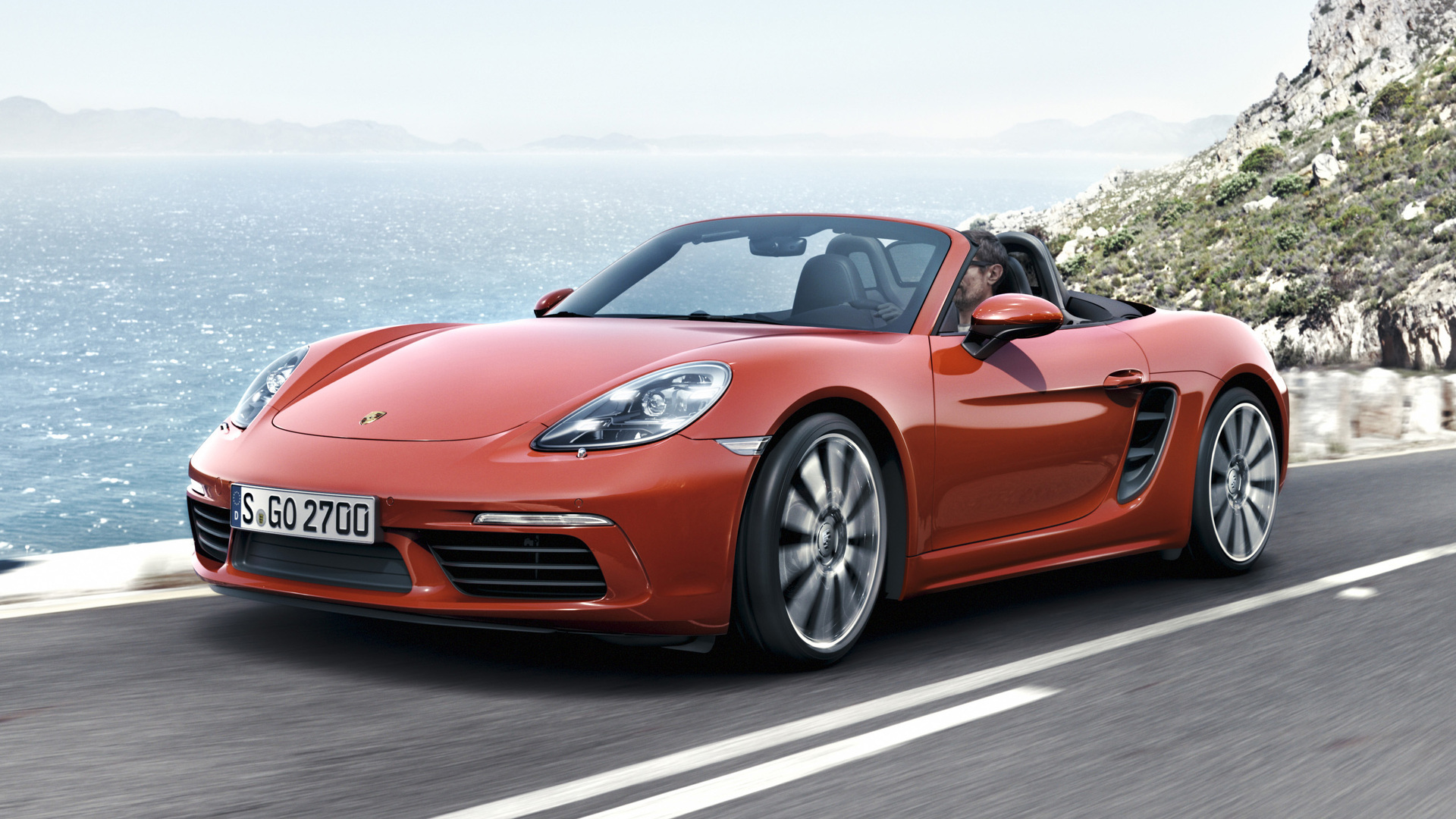
here is a magnetic appeal to vehicles that marry elegance with raw power, creating an unparalleled journey as the wind rushes by. These machines captivate those who crave a blend of mechanical precision and atmospheric freedom, offering an experience that keeps drivers thoroughly engaged and exhilarated.
Engineering Beneath the Surface
The Evolution of Propulsion and Response
The exhilaration provided by modern open-top vehicles is rooted in a fascinating evolution of engineering, particularly within the powertrain. Historically, the standard for high-performance driving was defined by large-displacement multi-cylinder engines, known for their roaring soundtracks and linear power delivery. However, the contemporary landscape has shifted towards a blend of efficiency and explosive output. Engineers now favor sophisticated turbocharged four-cylinder units or supercharged engines that maintain high horsepower figures while meeting stricter environmental standards. This transition has not diluted the experience; rather, it has sharpened it, allowing for lighter engines that improve the vehicle's overall balance.
Mastering Control with Advanced Chassis Dynamics
Delivering immense power to the road requires a foundation capable of handling extreme forces. For vehicles without a fixed roof, maintaining structural rigidity was historically a significant challenge, as the roof acts as a crucial bracing element. Today, however, advancements in metallurgy and carbon fiber composites allow engineers to construct bodies that rival the stiffness of fixed-roof coupes without adding excessive weight. This structural integrity is vital, as it ensures that the suspension geometry remains true even under high cornering loads, preventing the chassis from flexing and diluting the driver's feedback.
| Feature | Impact on Driving Dynamics | Benefit to the Driver |
|---|---|---|
| Active Aerodynamics | Adjusts spoilers and vents based on speed | Increases stability at high speeds without ruining the car's clean lines at rest. |
| Torque Vectoring | Distributes power to individual wheels | Eliminates understeer in sharp corners, making the car feel agile and responsive. |
| Magnetic Dampers | Changes suspension stiffness instantly | Provides a smooth ride on city streets and absolute rigidity on the track. |
| Mid-Engine Layout | Centers the vehicle's mass | Allows for quicker direction changes and more neutral handling characteristics. |
The Intersection of Design and Sensation
Visual Harmony and Aerodynamic Efficiency
Designing a vehicle that looks equally stunning with the roof up or down requires a sculptor's touch. In the world of open-air motoring, the interior is not merely a cabin; it becomes an integral part of the exterior aesthetic when the top is retracted. Designers must ensure that the lines flow seamlessly from the hood, over the windshield, and into the cabin, often using the "waistline"—the line at the bottom of the windows—as a primary visual anchor. Keeping this line low enhances the sensation of speed and openness, connecting the occupants with the passing environment. Every curve behind the headrests and every contour of the rear deck is calculated to guide the eye smoothly, creating a silhouette that implies motion even when parked.
However, this beauty is deeply rooted in physics. "Elegance" in this segment is often a byproduct of aerodynamic necessity. Without a roof, managing airflow is critical to prevent turbulence from battering the passengers. The angle of the windshield and the shape of the side mirrors are meticulously engineered to channel air over the cabin rather than into it, creating a bubble of relative calm where conversation is still possible at speed. Underbody diffusers and subtle body creases work invisibly to generate downforce, pressing the tires into the pavement. This marriage of form and function ensures that the vehicle remains stable and planted, proving that true beauty in automotive design is functional, not just ornamental.
A Multi-Sensory Connection to the Road
The true allure of removing the roof lies in the unfiltered sensory overload that follows. Physically, the experience is defined by the rushing wind—a tangible force that grows with speed, turning the drive into a dynamic interaction with the elements. Unlike a sealed cabin where speed is just a number on a dial, in an open car, velocity is felt on the skin. This exposure removes the barrier between the driver and the environment, transforming a mundane commute into an event. The changing temperatures, the rush of air, and the panoramic visibility create a sense of freedom that a panoramic sunroof simply cannot replicate.
Auditory feedback plays an equally crucial role. With the barrier of glass and steel removed, the mechanical symphony of the vehicle takes center stage. The texture of the tires gripping the asphalt, the whine of the transmission, and the induction noise of the engine become clear and present partners in the drive. In modern electrified models, this creates a unique contrast: the ghostly silence of electric propulsion mixed with the roar of the wind creates a futuristic, almost ethereal sensation of flight. Conversely, in combustion models, the exhaust note becomes a visceral soundtrack. This acoustic transparency enhances the "Jinba Ittai" (horse and rider as one) feeling, where the driver feels directly wired into the machine's behavior, reacting instinctively to every sound and vibration.
Modern Technology and Everyday Usability
Digital Integration and Comfort in Motion
Gone are the days when opting for a performance roadster meant sacrificing comfort or convenience. The modern cockpit is a testament to digital integration, where high-definition displays replace analog dials, offering customizable data streams that prioritize information based on driving mode. In open-top vehicles, visibility can sometimes be compromised by distinctive rear design elements; to counter this, manufacturers utilize high-resolution camera feeds projected into the rearview mirror, ensuring a wide, unobstructed view of the traffic behind, regardless of the roof's position. These systems are seamlessly integrated with smartphone connectivity, allowing drivers to access navigation and music wirelessly, keeping the cabin clutter-free.
Comfort has also been elevated through "environmental control" technologies designed specifically for open-air driving. Seats are no longer just static cushions; they are active climate control devices, featuring heating, cooling, and even "air scarf" systems that blow warm air around the occupants' necks. This extends the driving season significantly, allowing for top-down motoring even on crisp autumn days. Furthermore, active noise cancellation works to filter out low-frequency road drone when the roof is up, while advanced audio systems are tuned to adjust frequencies automatically when the roof is down, ensuring that music remains rich and clear despite the wind noise.
| Scenario | Technology Applied | User Experience |
|---|---|---|
| Winter Driving | Neck-level heating vents & heated steering | Allows for top-down driving in cold weather without discomfort. |
| Highway Cruising | Active noise cancellation & wind deflectors | Reduces fatigue by creating a quiet "bubble" despite high speeds. |
| Tight Parking | 360-degree cameras & cross-traffic alert | Mitigates blind spots common in convertible roof designs. |
| Grand Touring | Adaptive Cruise Control & Lane Keep Assist | Transforms a high-performance machine into a relaxing long-distance tourer. |
Practicality Meets Performance
The perception of the open-top sports car as strictly a "weekend toy" is rapidly fading. Modern iterations are engineered with a surprising degree of practicality that suits daily life. Advanced transmissions, particularly multi-speed automatics, have smoothed out the jerky low-speed behavior of the past, making stop-and-go city traffic effortless. Additionally, suspension systems that can slacken their damping rates at the touch of a button allow these cars to absorb potholes and speed bumps with the compliance of a luxury sedan, only to stiffen up instantly for a canyon road.
Storage and efficiency have also seen marked improvements. Clever packaging often retains reasonable trunk space even when the roof is stowed, providing enough room for groceries or weekend luggage. Inside, cubbies are designed to secure loose items like sunglasses and phones against the wind. Moreover, the inherent focus on lightweight construction—essential for offsetting the weight of roof mechanisms—pays dividends in fuel economy. Many of these vehicles return impressive mileage figures during regular commuting. By blending this efficiency with a chassis that makes even a trip to the supermarket feel engaging, these cars offer a compelling argument for being the sole vehicle in a garage, proving that emotional driving dynamics and rational daily usability can coexist in harmony.
Q&A
What makes convertible sports cars appealing to enthusiasts?
Convertible sports cars are highly appealing to enthusiasts due to their open-top driving experience, which enhances the connection to the environment and delivers a unique thrill. The ability to hear the engine roar and feel the wind adds to the sensory experience. Additionally, many convertible sports cars feature a stylish and sleek design that attracts attention and provides a sense of freedom on the road.
How does lightweight design impact the performance handling of sports cars?
A lightweight design significantly improves a sports car's performance handling by reducing the vehicle's overall mass, which in turn enhances acceleration, braking, and cornering abilities. Less weight allows for quicker direction changes and reduces inertia, making the car more responsive to driver inputs. This is particularly beneficial on winding roads and track environments where agility is paramount.
Why is rear-wheel drive preferred in sports cars for performance handling?
Rear-wheel drive is preferred in sports cars because it provides a more balanced weight distribution, which enhances handling and traction. By having the power delivered to the rear wheels, sports cars can achieve better acceleration as the weight shifts to the rear during takeoff. This configuration also allows for more precise steering and control, especially in high-performance driving situations, such as track days.
How does the acceleration feel contribute to the enthusiast appeal of sports cars?
The acceleration feel of a sports car is a key factor in its enthusiast appeal as it provides an immediate and visceral response to throttle inputs. The sensation of being pushed back into the seat during rapid acceleration is exhilarating and often addictive for driving enthusiasts. This instant power delivery and the accompanying engine sound create an emotional connection between the driver and the vehicle, enhancing the overall driving experience.
In what ways do track influences shape the design and performance of convertible sports cars?
Track influences shape the design and performance of convertible sports cars by incorporating features that enhance speed, agility, and safety. Many sports cars are tested and fine-tuned on racing circuits, where engineers focus on optimizing aerodynamics, suspension setups, and braking systems. These elements ensure that the car performs well not only on public roads but also in track environments, providing enthusiasts with a vehicle that is capable of delivering high performance in a variety of driving conditions.