
Safeguarding treasured open-top vehicles through shifting seasons demands thoughtful strategies, particularly when preservation and protection are paramount. By leveraging well-designed spaces and adopting meticulous care routines, enthusiasts can ensure their vehicles remain in peak condition, despite weather challenges and time's effects, ultimately preserving both performance and aesthetics.
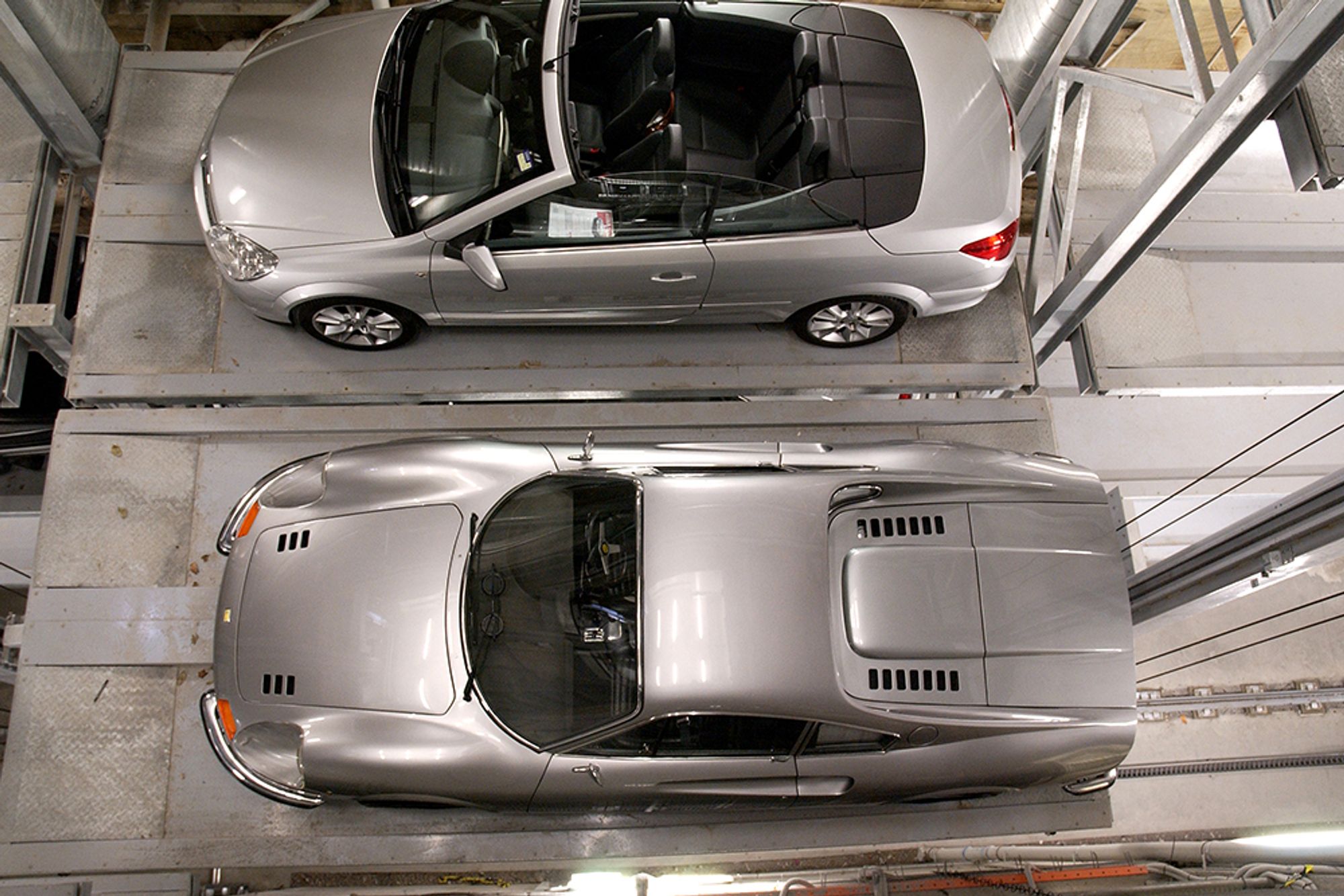
Safeguarding treasured open-top vehicles through shifting seasons demands thoughtful strategies, particularly when preservation and protection are paramount. By leveraging well-designed spaces and adopting meticulous care routines, enthusiasts can ensure their vehicles remain in peak condition, despite weather challenges and time's effects, ultimately preserving both performance and aesthetics.
Exterior Maintenance and Water Management
Soft Top Care and Hardtop Mechanism Checks
The defining feature of any drop-top vehicle is its roof, and this component requires the most dedicated attention regardless of the season. For fabric soft tops, the material is constantly bombarded by ultraviolet radiation, acidic rain, and microscopic dust particles that embed themselves deep within the fibers. Over time, this accumulation causes abrasion, fading, and structural degradation. Maintenance should never involve stiff-bristled brushes, which can fray the weave. Instead, owners should utilize a gentle flow of water combined with a specialized cleaner designed for convertible fabrics, using a soft sponge or horsehair brush to lift dirt without damaging the surface.
Protecting Seals and Drainage Channels
Water intrusion is the silent enemy of any vehicle, but convertibles are particularly susceptible due to their lack of a fixed roof structure. The primary defense against leaks is the weatherstripping—the rubber seals found along the windshield header, windows, and tonneau cover. Exposure to extreme heat and sunlight causes these rubber components to dry out, shrink, and eventually crack, compromising their ability to create a watertight seal. To combat this, a routine application of silicone-based conditioner or specialized rubber protectant is necessary. This keeps the material pliable and plump, ensuring it conforms perfectly to the mating surfaces when the roof is closed.
Cabin Preservation and Smart Storage
Combating Moisture and Sun Damage
While the allure of open-air driving is undeniable, the exposure to the elements takes a toll on the interior. Leather seats, vinyl dashboards, and plastic trim are highly sensitive to UV radiation, which causes fading, drying, and eventual cracking. When parked outdoors, even for short periods, raising the roof is the first line of defense. However, for extended protection, using a high-quality sunshade in the windshield is imperative to lower internal temperatures and block damaging rays.
| Storage Accessory | Primary Function | Best Use Scenario | Pros |
|---|---|---|---|
| Cargo Net | Load stabilization | Grocery runs, touring with loose gear | Prevents items from sliding; reduces noise; adaptable to odd shapes. |
| Armrest Pad/Organizer | Comfort & small storage | Daily driving, long road trips | Adds ergonomic support; hides phones/keys; reduces clutter. |
| Sunshade | UV & Heat blocking | Outdoor parking, summer use | Protects dashboard/leather; keeps steering wheel touchable. |
| Desiccant Packs | Moisture removal | Long-term garage storage | Prevents mold/mildew; protects electronics from corrosion. |
Optimizing Trunk and Cabin Space
Practicality can be a challenge with open-top vehicles, as the mechanism for the roof often encroaches on trunk space. To maximize utility, especially when the roof is down, utilizing flexible storage solutions is key. A cargo net is indispensable in this regard. Unlike rigid boxes that may not fit when the roof is retracted, a stretchy cargo net (typically around 90x30cm) can conform to irregular shapes. It pins luggage, detailing kits, or groceries to the floor or rear bulkhead, preventing them from sliding around during spirited driving. This eliminates the distraction of thumping noises from the trunk and ensures that fragile items remain intact.
Inside the cockpit, storage is often scarce. Center consoles in roadsters are notoriously small. Enhancing this space with a multi-function armrest pad can significantly improve livability. These accessories often utilize memory foam for added comfort during long drives but, more importantly, include side pockets or hidden compartments. This allows the driver to store sunglasses, charging cables, and receipts neatly, keeping the limited cup holders and door pockets free for their intended use. A well-organized cabin not only looks better but also enhances safety by ensuring loose items don't interfere with controls or become projectiles during sudden braking.
Handling Cold Weather and Physical Protection
Winter Driving and Visibility Considerations
Driving a convertible in winter offers a unique, crisp experience, but it requires a clear understanding of the vehicle's capabilities. Modern sports cars have largely mitigated the traction issues of the past, with many offering all-wheel-drive systems that provide excellent grip on snow and ice. However, the driver must remain acutely aware of the vehicle's handling characteristics on cold pavement. Winter tires are a non-negotiable upgrade, as summer performance rubber hardens and loses adhesion near freezing temperatures.
Visibility presents another specific challenge. To maintain structural rigidity without a fixed roof, convertibles often have thicker A-pillars and wider C-pillars (the rear roof supports). When the top is up during winter to shield against the cold, these pillars create significant blind spots. In winter conditions, where snowbanks narrow the roads and cyclists or pedestrians may be harder to see, these blind spots require extra vigilance. Furthermore, before setting off, owners must ensure that the heating elements in the rear glass (if equipped) are functioning to clear frost, and that the wiper blades are not frozen to the windshield. Checking seat heaters and the efficacy of the HVAC system is also part of the winter readiness checklist, ensuring the cabin remains a warm sanctuary despite the freezing ambient air.
Shielding Against Frost and Ice
When a vehicle must be parked in extreme cold, physical protection becomes the priority. Frost and ice are not merely nuisances; they are abrasive forces. Scraping ice off a windshield is standard practice for most, but on a convertible, vigorous scraping near the edges can damage the delicate weather seals or the fabric of the top itself. A dedicated windshield cover is a superior solution. It prevents ice from bonding to the glass and eliminates the need for scraping, thereby protecting the glass from micro-scratches and the seals from accidental tears.
The cycle of freezing and thawing is particularly brutal for the roof mechanism. Water that seeps into the joints of a hardtop or the stitching of a soft top expands when it freezes, potentially forcing gaps open or weakening threads. Using a full body cover, even when parked under a carport, adds a critical layer of insulation and waterproofing. This prevents snow accumulation directly on the roof, reducing the weight load on the frame and stopping ice dams from forming in the drainage channels. For those in regions with heavy snowfall, this barrier shields the vehicle from the corrosive effects of road salt spray that might be kicked up by passing traffic if parked near the street.
Advanced Storage Solutions and Security
Security Measures and Visual Deterrents
Security for convertibles requires a different mindset than for fixed-roof vehicles. A fabric roof is inherently vulnerable; a sharp object allows easy access to the cabin, bypassing locked doors entirely. Therefore, the security strategy must focus on deterrence and environment. When parking, choosing a location with high visibility, good lighting, and pedestrian traffic is crucial. In a private garage, motion-sensor lighting and robust locks on the building itself are the primary defense layers.
For the vehicle itself, the "empty car" doctrine is the most effective visual deterrent. If a potential thief sees a bag, a charging cable, or even loose change inside, the temptation to slash the roof increases. By leaving the center console and glove box visibly open and completely empty, the owner signals that there is nothing of value to steal. This psychological tactic can save the owner from the costly repair of a vandalized roof. Additionally, mechanical deterrents like steering wheel locks or tire clamps provide a strong visual message that the car will be difficult to steal, encouraging the thief to move on to an easier target. For long-term storage, disconnecting the battery or installing a hidden kill switch adds a final layer of immobilization.
Controlling the Microclimate and Tires
The ultimate preservation method involves controlling the atmosphere surrounding the car. Fluctuations in temperature and humidity are destructive. Metal expands and contracts, rubber hardens, and condensation forms hidden rust. Advanced storage solutions now include climate-controlled bubbles or "capsules." These clear vinyl enclosures continually circulate filtered air around the car. This constant airflow prevents moisture from settling, stops dust accumulation, and maintains a stable temperature, effectively pausing the aging process of the materials. It eliminates the risk of mold in the soft top and corrosion on the undercarriage.
Finally, the issue of "flat spots" on tires must be addressed during long hibernation. When a car sits stationary for months, the weight deforms the tires where they contact the ground. While modern compounds are more resilient, vibration during the first spring drive is common. To prevent this, tire cradles—curved foam or rubber ramps—distribute the vehicle's weight over a larger surface area of the tire, maintaining its round shape. This simple addition to the garage setup ensures that when the weather finally clears, the car is ready for a smooth drive immediately, without the need for a break-in period or tire replacement.
| Environmental Factor | Risk to Vehicle | Mitigation Strategy |
|---|---|---|
| High Humidity | Mold on soft top; interior mildew; electrical corrosion. | Climate control (AC); desiccant bags; air circulation fans. |
| Temperature Fluctuation | Seal expansion/contraction; condensation; brittle plastics. | Insulated garage; "Car Capsule" continuous airflow systems. |
| Static Weight Load | Tire flat-spotting; suspension bushing compression. | Tire cradles (curved cushions); over-inflating tires slightly. |
| Dust & Particulates | Abrasion on paint/top; clogs in fabric weave. | Breathable indoor car covers; air filtration systems. |
Q&A
What are the garage requirements for storing convertible cars?
When storing convertible cars, it's important to ensure that the garage is dry, well-ventilated, and secure. The space should be free from moisture to prevent rust and mold, and it should have a stable temperature to protect the car's interior and exterior finishes. Additionally, the garage should be large enough to accommodate the car without risking scratches or dents.
How should I care for the roof of my convertible during storage?
Before storing a convertible, clean and condition the roof to prevent deterioration. If the roof is fabric, apply a suitable fabric protector to repel water and stains. For hard tops, ensure any seals are lubricated to prevent cracking. Regularly inspect the roof during storage to ensure it remains in good condition.
What are some effective winter storage tips for convertible cars?
For winter storage, thoroughly clean your convertible inside and out, and wax the exterior to protect against moisture. Inflate tires to the correct pressure to prevent flat spots, and disconnect the battery to avoid drainage. Consider using a car cover to add an extra layer of protection from dust and potential pests.
How can I protect my convertible car from weather conditions during long-term parking?
To protect your convertible from weather conditions during long-term parking, use a high-quality car cover that is weatherproof and breathable. This will help shield the car from rain, snow, and UV rays while preventing moisture buildup that could lead to mold or rust.
What are some preservation practices for maintaining convertible cars during long-term storage?
Regularly check on your convertible during long-term storage to ensure everything is in good condition. Start the car periodically to keep the engine and other systems lubricated. Use fuel stabilizer to prevent fuel degradation, and ensure that all fluids are topped off and fresh to maintain optimal performance once the car is back on the road.