
Imagine gliding down a sun-drenched highway with the breeze kissing your face—the very essence of freedom on four wheels. But how does the magic of a retractable roof come to life, seamlessly marrying open-air thrill with impressive engineering? Dive into the artistry of convertibles, where aerodynamics, innovative materials, and advanced safety features combine to perfect the balance between exhilaration and practicality.
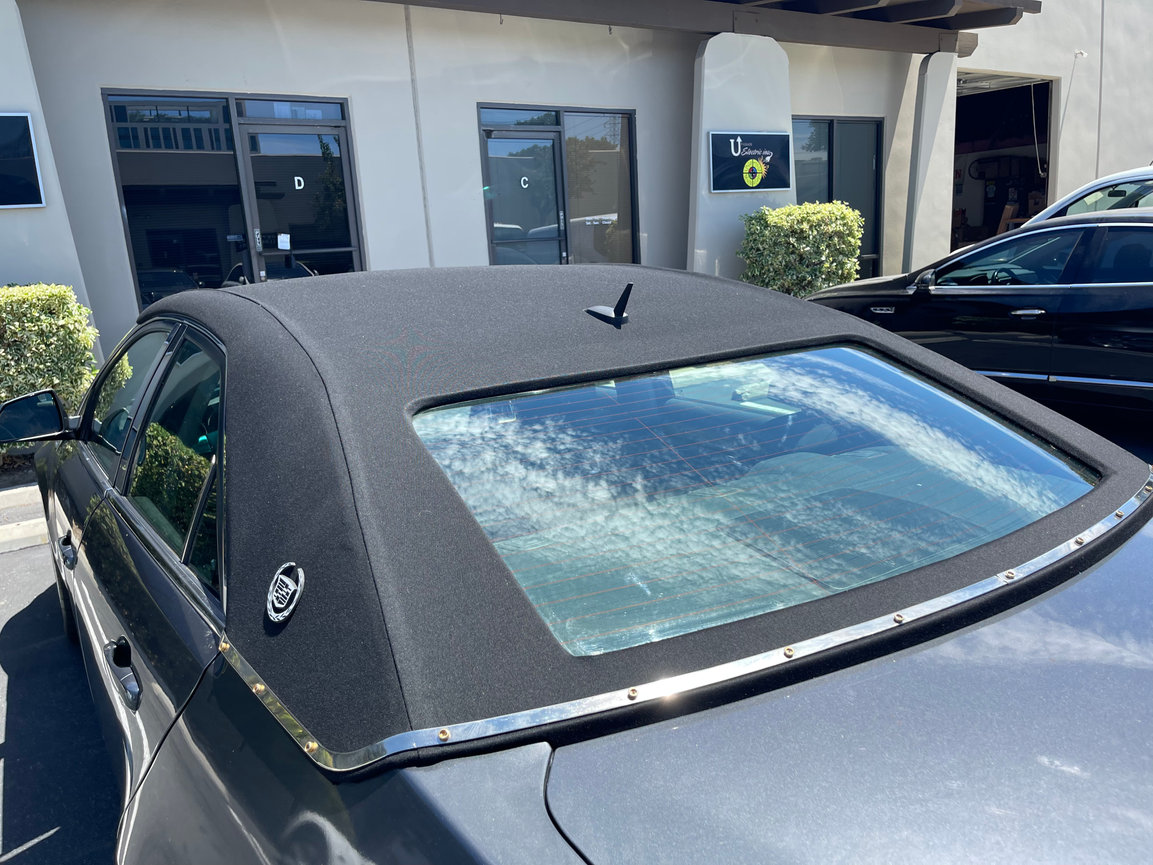
Imagine gliding down a sun-drenched highway with the breeze kissing your face—the very essence of freedom on four wheels. But how does the magic of a retractable roof come to life, seamlessly marrying open-air thrill with impressive engineering? Dive into the artistry of convertibles, where aerodynamics, innovative materials, and advanced safety features combine to perfect the balance between exhilaration and practicality.
The Art of Chopping the Roof: Structural Innovations in Convertibles
1. Compensating for Lost Rigidity
Convertible engineering requires significant structural innovations to compensate for the lack of a fixed roof, ensuring rigidity and safety are maintained despite the open design. To achieve this, engineers focus on key mechanical adjustments that reinforce the vehicle's skeleton. This typically includes substantial reinforcements around the A, B, and C-pillars to handle increased stress. Furthermore, floorpan stiffening is essential to prevent the body from twisting during drives. The integration of torque boxes at high-stress points further helps in mimicking the stability of a closed-roof car, ensuring the ride remains secure and responsive.
| Structural Reinforcement Techniques | Purpose |
|---|---|
| Reinforcement of A, B, and C-pillars | Handle increased stress and maintain body integrity |
| Floorpan stiffening | Prevent body twisting during drives |
| Integration of torque boxes | Mimic stability of closed-roof cars |
2. Balancing Materials and Aerodynamics
Beyond the chassis, the roof mechanism itself demands advanced material science and design. Soft-top systems often utilize materials like PVC for their flexibility, water resistance, and lightweight nature. These properties are crucial as they allow for simpler folding mechanisms that preserve trunk space, which is often limited in these vehicles. Additionally, the design process must address aerodynamic changes caused by the absence of a fixed roof structure. Engineers must carefully sculpt the body to smooth out airflow, balancing open-air appeal with crash performance through targeted chassis strengthening to ensure a comfortable and safe journey.
Aerodynamics 101: How Convertibles Tame the Wind
1. Controlling the Invisible Force
When a vehicle loses its roof, it loses its natural aerodynamic shape, creating significant drag and turbulence. To solve this, manufacturers rely on Computational Fluid Dynamics (CFD) to visualize airflow and optimize the body lines. A key innovation in this area is the contoured wind deflector positioned at the base of the windshield. This simple yet effective device can reduce air buffeting by up to 50%, allowing passengers to have a conversation even at highway speeds. Additionally, active rear spoilers are often programmed to deploy at speeds exceeding 50 mph. These moving parts counteract lift, ensuring the tires stay firmly planted on the road for maximum stability.
2. Streamlined Structures and Design
Beyond active aero parts, the fundamental structure of the car plays a massive role in efficiency. Modern open-top vehicles target drag coefficients below 0.30, a figure that was once reserved for sleek coupes. This is often achieved through retractable hardtops that fold beneath flush tonneau covers, which eliminate the air disruption caused by traditional soft top fabric tensioners. High-performance models, such as the Chevrolet Corvette, utilize a low-profile design to slice through the air cleanly. These structural choices ensure that fuel efficiency and speed are maintained, proving that you do not need a fixed roof to have a highly aerodynamic ride.
Soft Tops vs. Retractable Hardtops: A Comparative Journey
1. The Mechanics of Motion
When you press that button to drop the top, you are initiating a complex ballet of motors, hydraulics, and latches. The engineering behind these transitions is focused on convenience and speed, allowing drivers to transform their vehicle's character in moments. We see a fascinating variety in how these mechanisms perform; some prioritize rapid deployment for sudden weather changes, while others are robust enough to operate while the vehicle is cruising at highway speeds. Whether it is a lightweight manual throw or a fully automated sequence, the goal is always seamless integration.
2. Engineering Structure and Aerodynamics
Removing the roof does more than just let the sunshine in; it fundamentally changes the physics of the vehicle. Without the upper structure to tie the body together, engineers must reinforce the chassis to prevent wobbling, often utilizing high-strength materials like carbon fiber composites to add rigidity without piling on excessive weight. This ensures the car remains stable and responsive through corners. Furthermore, managing airflow is critical. Modern designs incorporate advanced aerodynamics—such as specialized wind deflectors and optimized body shapes—to push turbulent air over the cabin rather than into it. This attention to detail extends to the materials used in the tops themselves; multi-layered acoustic fabrics and tight seals work tirelessly to dampen road noise, while hidden safety systems like deployable rollover bars provide essential protection without ruining the car's sleek lines.
| Roof Type | Advantages | Challenges |
|---|---|---|
| Soft Tops | Lightweight, compact folding | May offer less insulation compared to hardtops |
| Retractable Hardtops | Better insulation, rigid structure | Heavier, may take up more trunk space |
Engineering Elegance: The Science Behind Convertible Comfort and Safety
1. Mastering the Invisible Wall of Wind
Driving with the top down presents a unique challenge: managing the invisible wall of wind that rushes to meet you. To keep the cabin comfortable, engineers employ advanced aerodynamics to guide airflow over the passengers rather than swirling around them. This often involves tweaking the windshield angle and using wind deflectors to create a bubble of calm air inside the cockpit. Beyond just managing the wind, keeping the ride quiet is crucial for daily usability. Modern designs utilize advanced acoustic insulation and thermal coatings within the roof layers. These innovations significantly minimize noise, vibration, and harshness, ensuring that conversation remains easy and the driving environment feels refined, even when cruising at highway speeds.
2. Strength Without the Ceiling
When you remove the roof, you are essentially taking away a major structural component that holds the vehicle together. To compensate for this loss, the chassis requires significant reinforcement to maintain rigidity and handling precision. Engineers use high-strength materials to bolster the underbody and windshield frames, ensuring the car doesn't flex or wobble over bumps. Safety is equally paramount in open-top motoring. Vehicles are equipped with reinforced frames and sophisticated rollover protection systems. These mechanisms, often integrated with modern driver assistance technologies, stand ready to deploy instantly if needed, providing a protective shell that ensures safety standards are never compromised by the open-air design.
3. The Ballet of Mechanical Tops
The engineering behind the roof mechanism itself is a perfect blend of material science and mechanical efficiency. Currently, soft tops are a favorite in the market, largely due to their lightweight architecture. Unlike heavier retractable hardtops, soft tops tend to fold away more neatly, preserving valuable trunk space for your luggage. Material choice plays a massive role here, with durable options like PVC frequently selected for their excellent flexibility and water resistance. These systems are designed to operate smoothly, balancing the desire for an open sky with the practicality of a secure, weather-tight seal when the clouds roll in, offering the best of both worlds.
From Fabric to Fiber: Material Advances in Modern Convertible Tops
1. The Evolution of Soft Top Acoustics and Aesthetics
For a long time, choosing a soft-top convertible meant accepting a louder cabin and poor thermal insulation, but recent advancements in material science have completely reshaped this experience. Modern engineering has introduced multi-layered fabric systems designed specifically to combat noise and weather. Instead of a single layer of cloth, manufacturers now utilize acoustic layering techniques that sandwich dense, sound-absorbing materials between durable outer shells and interior liners. This innovation significantly reduces wind and road noise, making the cabin environment comparable to that of a fixed-roof coupe, even at highway speeds.
Beyond just noise reduction, the flexibility of these new materials allows for greater customization in textures and colors, moving away from the standard black vinyl of the past. Advanced sealing technologies have also been developed to work in tandem with these fabrics, ensuring that air and water stay out more effectively than ever before. These improvements are crucial for maintaining cabin comfort and daily usability, allowing soft tops to be driven year-round without the drafty downsides historically associated with fabric roofs. The focus has shifted from merely covering the cabin to creating a dynamic shield that actively manages the sensory experience of the drive.
2. Structural Composites and Smart Glass Integration
When a car is designed without a permanent roof, maintaining chassis stability becomes a primary engineering challenge. To address the loss of rigidity that comes with "cutting off the roof," engineers are increasingly turning to high-tech composites. The use of carbon fiber and reinforced composite frames has become a game-changer for retractable hardtops and the surrounding architecture. These materials offer an exceptional strength-to-weight ratio, which is vital for counteracting the heavy mechanisms required to lift and stow the roof. By integrating these lightweight yet rigid materials, vehicles can maintain their handling prowess and crashworthiness without becoming sluggish due to excess weight.
Furthermore, the technology embedded within the roof panels themselves is becoming smarter. We are seeing the integration of electrochromic glass in retractable hardtop designs. This "smart glass" technology allows the driver to alter the opacity of the roof panel with the touch of a button, switching from clear to opaque to manage sunlight and cabin temperature instantly. Coupled with AI-driven controls that can predictively adjust roof tension based on speed and wind conditions, these material advancements ensure that the structural components are not just static parts, but active participants in the vehicle's aerodynamic and safety performance. This seamless blend of lightweight structural strength and intelligent surface materials represents the cutting edge of open-air motoring.
Q&A
Q1: How do engineers compensate for the loss of rigidity in convertibles after the roof is removed?
A1: Engineers compensate for the loss of rigidity in convertibles by reinforcing the vehicle's structure. This includes fortifying the A, B, and C-pillars and stiffening the floorpan to prevent twisting. They also use torque boxes at high-stress points to mimic the stability of a closed-roof car.
Q2: What materials and techniques are used in soft-top convertible roofs to ensure quality performance?
A2: Soft-top convertible roofs often use materials like PVC for flexibility, water resistance, and lightweight properties. They incorporate multi-layered acoustic fabrics to reduce noise and use advanced sealing technologies to prevent air and water leakage, ensuring a comfortable driving experience.
Q3: How do wind deflectors and active rear spoilers enhance the aerodynamics of convertibles?
A3: Wind deflectors, positioned at the windshield base, reduce air buffeting by up to 50%, enhancing conversation ease at highway speeds. Active rear spoilers deploy at over 50 mph to manage lift, keeping tires firmly on the road, thus improving stability and aerodynamics.