
Regenerative braking is one of the most distinctive technologies found in hybrid and electric vehicles. While braking has traditionally been associated only with slowing a vehicle down, regenerative systems transform part of that process into an opportunity to recover energy. Rather than being a standalone feature, regenerative braking is deeply integrated into vehicle system design. It works automatically in the background, delivering everyday benefits without requiring special driving skills. Understanding how regenerative braking functions helps explain why it plays such an important role in modern vehicle efficiency and driving comfort.
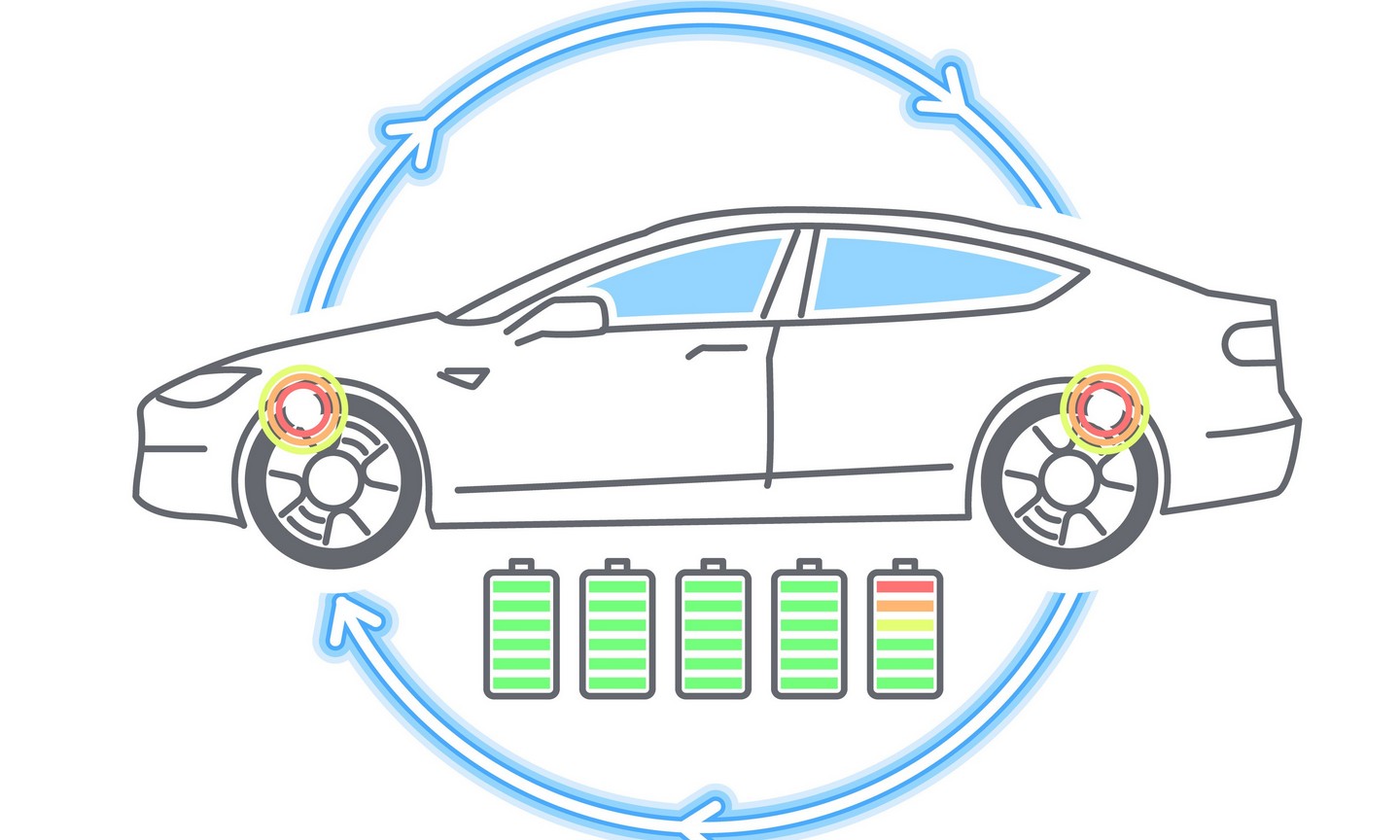
Regenerative braking is one of the most distinctive technologies found in hybrid and electric vehicles. While braking has traditionally been associated only with slowing a vehicle down, regenerative systems transform part of that process into an opportunity to recover energy. Rather than being a standalone feature, regenerative braking is deeply integrated into vehicle system design. It works automatically in the background, delivering everyday benefits without requiring special driving skills. Understanding how regenerative braking functions helps explain why it plays such an important role in modern vehicle efficiency and driving comfort.
Regenerative Braking and Energy Recovery
How Regenerative Braking Works
In conventional vehicles, braking converts motion into heat through friction, which is then dissipated into the air. Regenerative braking takes a different approach. When the driver slows down, the electric motor temporarily switches roles and acts as a generator. Instead of wasting energy as heat, the system converts part of the vehicle’s motion into electrical energy.
This recovered energy is stored in the vehicle’s battery for later use. It can then be used to assist acceleration, support low-speed driving, or power vehicle systems. The process happens automatically and repeatedly during normal driving, especially in environments with frequent slowing and stopping.
Regenerative braking does not eliminate traditional brakes. Instead, it works alongside them, sharing the task of slowing the vehicle in a controlled and coordinated way.
Limits of Energy Recovery
While regenerative braking captures energy that would otherwise be lost, it does not recover all braking energy. The amount of energy recovered depends on factors such as vehicle speed, battery condition, and braking intensity.
During hard braking or when the battery cannot accept more charge, conventional friction brakes take over to provide the necessary stopping power. This balance ensures safety while still maximizing energy recovery whenever conditions allow.
Understanding these limits helps clarify why regenerative braking is an efficiency-enhancing system rather than a complete replacement for traditional braking.
City Efficiency and Urban Driving Benefits
Why Regenerative Braking Shines in the City
City driving creates ideal conditions for regenerative braking. Frequent stops at intersections, traffic lights, and congestion zones provide many opportunities to recover energy. Each time the vehicle slows down, regenerative braking can capture motion that would otherwise be wasted.
This energy recovery supports improved city efficiency by reducing reliance on fuel or stored electrical energy during subsequent acceleration. In urban environments, where stop and go traffic is common, regenerative braking contributes significantly to overall efficiency.
Drivers may not consciously notice each energy recovery event, but the cumulative effect becomes clear over time through smoother driving and reduced energy use.
Impact on Stop and Go Traffic
Stop and go traffic is often associated with inefficiency, but regenerative braking helps mitigate some of these losses. By recovering energy during repeated slowing, the system reduces the energy required to move the vehicle again.
This effect is especially noticeable in hybrids, where recovered energy can immediately support low-speed driving. In electric vehicles, it extends usable range by making better use of existing energy.
As a result, regenerative braking turns a traditionally inefficient driving environment into one where efficiency gains are most pronounced.
Brake Wear Reduction and Maintenance Implications
Reduced Use of Friction Brakes
One of the practical benefits of regenerative braking is reduced wear on traditional brake components. Because the electric motor handles part of the braking effort, friction brakes are used less frequently, particularly during gentle deceleration.
This reduced usage means brake pads and discs experience less wear over time. For many drivers, this translates into longer service intervals and fewer brake-related maintenance needs.
While friction brakes remain essential for safety, regenerative braking allows them to operate under less strain during everyday driving.
Long-Term Ownership Advantages
Reduced brake wear contributes to lower maintenance demands over the life of the vehicle. Drivers may notice that brake components last longer compared to conventional vehicles used in similar conditions.
This benefit is especially relevant for urban drivers who spend much of their time in traffic. Over extended ownership, the combination of energy recovery and reduced mechanical wear adds to the overall value of regenerative braking systems.
Driving Feel and Driver Adaptation
How Regenerative Braking Affects Pedal Feel
Regenerative braking can subtly change how a vehicle feels when slowing down. In many vehicles, lifting off the accelerator triggers gentle deceleration as energy recovery begins. This can feel different from conventional engine braking.
Manufacturers tune regenerative systems carefully to ensure braking feels natural and predictable. The transition between regenerative and friction braking is designed to be smooth, maintaining consistent pedal response.
Most drivers adapt quickly, often finding that regenerative braking allows for more controlled and relaxed driving in traffic.
One-Pedal Driving Characteristics
In some vehicles, regenerative braking is strong enough to significantly slow the car when the accelerator is released. This creates a driving style often described as one-pedal driving, where frequent use of the brake pedal becomes less necessary.
This approach can reduce driver fatigue in traffic and increase engagement with the vehicle’s energy management. However, the strength of regeneration varies by design, and many vehicles allow drivers to adjust how noticeable it feels.
The goal is not to change how people drive, but to make everyday driving smoother and more intuitive.
System Design and Integration
Coordination Between Braking Systems
Regenerative braking requires close coordination between electric motors, batteries, control software, and traditional brake hardware. The vehicle must decide in real time how much braking force comes from energy recovery and how much comes from friction brakes.
This coordination ensures consistent stopping performance regardless of battery state or driving conditions. Sensors continuously monitor speed, pedal input, and system capacity to maintain safety and comfort.
Effective system design allows regenerative braking to function seamlessly without requiring driver awareness or intervention.
Safety and Reliability Considerations
Safety is a central priority in regenerative braking design. If regenerative capability is limited for any reason, the vehicle automatically relies more on friction brakes. This ensures predictable stopping behavior at all times.
Redundant systems and continuous monitoring help maintain reliability. Regenerative braking is designed to enhance efficiency without compromising braking performance under any conditions.
Everyday Benefits for Drivers
Efficiency Without Effort
One of the most appealing aspects of regenerative braking is that it delivers efficiency gains without requiring changes in driving behavior. Drivers simply operate the vehicle as they normally would, while the system recovers energy automatically.
This passive benefit makes regenerative braking especially effective for everyday use. It supports efficiency goals without adding complexity to the driving experience.
Over time, these small gains accumulate, contributing to improved overall vehicle efficiency.
Comfort and Control in Daily Driving
Beyond efficiency, regenerative braking enhances driving comfort. Smoother deceleration and reduced reliance on friction brakes create a calmer driving experience, particularly in traffic-heavy environments.
Drivers often report feeling more in control during low-speed maneuvers and gradual slowing. These everyday benefits help explain why regenerative braking has become a standard feature in modern hybrid and electric vehicles.
Questions and Answers
Q: Does regenerative braking replace traditional brakes?
No. Regenerative braking works alongside friction brakes, sharing the braking task while maintaining full stopping capability.
Q: Is regenerative braking noticeable while driving?
It can feel slightly different, especially when lifting off the accelerator, but systems are designed to feel smooth and natural.
Q: Does regenerative braking work at all speeds?
It is most effective at moderate speeds. At very low speeds or during hard braking, friction brakes play a larger role.
Q: Does regenerative braking reduce maintenance needs?
Yes. By reducing reliance on friction brakes, regenerative braking can extend the lifespan of brake components and reduce maintenance frequency.