
Navigating through diverse terrains requires meticulous attention to the selection of rubber that supports your adventure vehicle. The subtle interplay between different types and sizes plays a crucial role in ensuring smooth experiences, balancing noise and grip efficiency while considering economic factors.
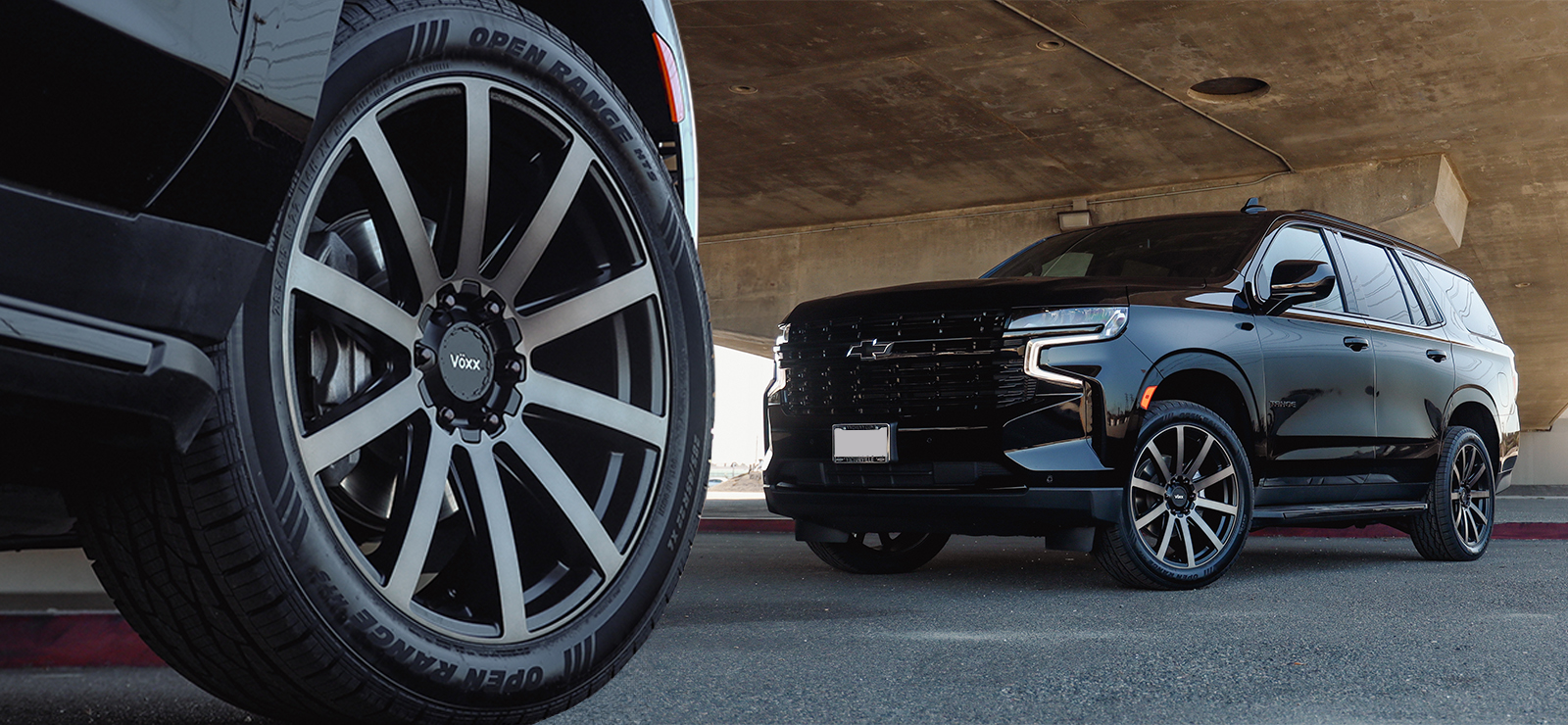
Navigating through diverse terrains requires meticulous attention to the selection of rubber that supports your adventure vehicle. The subtle interplay between different types and sizes plays a crucial role in ensuring smooth experiences, balancing noise and grip efficiency while considering economic factors.
Deciphering the Rubber: Matches for Every Lifestyle
The Versatility of Year-Round Solutions
When you first acquire a utility vehicle, it almost invariably arrives equipped with standard rubber designed for general use. These "do-it-all" components are engineered to handle a wide spectrum of conditions, ranging from dry sun-baked asphalt to rain-slicked motorways, and even the occasional dusting of light snow. This versatility is their defining characteristic, making them the default choice for the vast majority of drivers. If your daily routine involves commuting to the office, running errands around town, or taking family trips on the highway, this category offers the most logical balance of performance.
Embracing the Rugged Path with Specialized Treads
On the other end of the spectrum, there is a growing community of drivers who desire a more aggressive aesthetic or who genuinely require enhanced capability for outdoor pursuits like camping, fishing, or overlanding. For these individuals, stepping up to a more rugged category of rubber is often the preferred upgrade. The most immediate visual difference lies in the tread design; unlike the relatively smooth surface of standard road equipment, these variants feature deep grooves and large, blocky patterns. This distinctive architecture allows the vehicle to claw into loose soil, gravel, and mud, providing the necessary bite to traverse slippery or uneven ground with confidence.
| Driving Priority | Ideal Configuration | Acoustic Profile | Primary Benefit |
|---|---|---|---|
| Daily Commuting | Standard Road Pattern | Quiet and unobtrusive | Fuel efficiency and smooth handling |
| Weekend Adventure | Aggressive Block Pattern | Audible hum at speed | Superior grip on loose surfaces |
| Mixed Usage | Hybrid Design | Moderate road noise | Balanced capability for city and trail |
However, transitioning to this adventurous style comes with specific trade-offs that prospective buyers must acknowledge. While they are fully capable of handling paved roads, the aggressive block patterns tend to generate a noticeable "hum" or drone at highway speeds compared to their smoother counterparts. Additionally, the increased friction and aerodynamic drag can lead to a slight dip in fuel efficiency. Despite these minor drawbacks, the peace of mind provided when entering a gravel campsite, combined with the tough, purposeful look they lend to the vehicle, makes them an irreplaceable upgrade for those with active lifestyles.
Aligning Choices with Your Daily Drive
Ultimately, the decision between staying with a standard setup or upgrading to something more aggressive often leads to "analysis paralysis." The most effective way to cut through the confusion is to perform an honest audit of your driving habits. If ninety percent of your annual mileage is accumulated on paved city streets or highways, prioritizing silence and comfort is the rational path. Opting for a heavy-duty, knobby set of rubber simply for the "look" can introduce unnecessary fatigue and noise into your daily commute, potentially diminishing the enjoyment of your vehicle over time.
The Geometry of Comfort and Control
The Impact of Rim Diameter on Handling
In the world of automotive customization, there is a strong gravitational pull toward larger rims. Aesthetically, filling the wheel well with metal rather than rubber creates a dynamic, sporty appearance that many owners covet. However, altering the diameter of your rolling stock is not merely a cosmetic decision; it fundamentally shifts the equation between interior comfort and driver control. As the metal rim gets larger, the sidewall of the rubber—the distance between the rim's edge and the road—must get shorter (thinner) to keep the overall diameter the same.
This thinner profile, often referred to as "low profile," has distinct dynamic implications. With less flexible rubber on the sidewall, the assembly distorts less under cornering forces. This rigidity translates to sharper, more responsive steering. On winding roads or at highway speeds, the driver feels a more direct connection to the tarmac, providing a sense of stability and "planted" confidence. However, because there is less material to absorb kinetic energy, imperfections in the road surface are transmitted more directly to the chassis. This means that while the car may handle better, the occupants are likely to feel every expansion joint and pothole with greater intensity.
The Cushioning Effect of Sidewall Thickness
Conversely, opting for a more modest rim diameter allows for a taller sidewall. This increased volume of rubber effectively acts as a secondary suspension system. You can think of this thicker sidewall as an "air cushion." When traversing urban potholes, construction zones, or gravel driveways, this cushion compresses and flexes, absorbing a significant portion of the shock before it ever reaches the vehicle's suspension components. The result is a ride quality that feels distinctively softer, more pliable, and isolated from the harshness of the outside world.
| Desired Outcome | Rim Strategy | Sidewall Characteristic | Driving Feel |
|---|---|---|---|
| Sharper Handling | Increase Diameter | Thinner (Low Profile) | Responsive, firm, road-connected |
| Maximum Comfort | Decrease Diameter | Thicker (High Profile) | Soft, absorbent, isolated |
| Off-Road Utility | Smallest Possible | Maximum Flex | High grip, impact resistant |
Balancing Suspension and Ground Clearance
The relationship between comfort and control is not dictated by the rolling stock alone; it is a complex symphony involving the vehicle's suspension tuning and ground clearance. Manufacturers spend thousands of hours calibrating these systems. When a vehicle is designed with off-road intentions, engineers often specify smaller rims to maximize sidewall height, ensuring that the vehicle can absorb the violent impacts of rock crawling without damaging the metal wheels.
On the other hand, luxury models designed for the "urban jungle" might feature massive alloys paired with sophisticated air suspension systems that actively compensate for the stiffness of the low-profile rubber. When considering a change in size, one must consider how the vehicle was originally sprung. Installing heavy, large wheels on a suspension designed for soft cruising can lead to premature wear on bushings and shocks. Understanding whether you prioritize the "crispness" of a sportier drive or the "enveloping comfort" of a traditional setup will guide you toward the correct sizing, ensuring your vehicle performs in harmony with your expectations rather than fighting against them.
The Science Behind Grip and Traction
Understanding Compounds and Tread Design
To truly unlock the potential of your vehicle, one must look deeper than just the depth of the grooves. The science of grip is heavily reliant on the chemical composition of the tread compound and the microscopic engineering of the surface. Many drivers assume that as long as the tread is deep, the grip is sufficient, but the "hardness" of the rubber relative to the ambient temperature is the real deciding factor. In colder climates, standard summer or all-season compounds can harden and become plastic-like once the thermometer drops below roughly seven degrees Celsius (about 45°F), drastically reducing their ability to adhere to the road.
Winter-specific alternatives utilize high-silica compounds that remain pliable and soft even in freezing temperatures. This flexibility allows the rubber to conform to the microscopic irregularities of the road surface, generating friction where harder compounds would simply slide. Furthermore, these specialized items feature "sipes"—thousands of tiny, zigzag cuts across the tread blocks. These sipes open up as the wheel rotates, biting into snow and ice to provide traction and, more importantly, reducing braking distances. Similarly, off-road variants use open-shoulder designs to eject mud and stones, preventing the tread from becoming a smooth slick. Matching the chemical and physical design of the product to your local weather patterns is the first line of defense in safety.
Preserving Performance Through Routine Care
Even the most technologically advanced products require diligent maintenance to sustain their performance. The most critical, yet often overlooked, variable in the traction equation is air pressure. The volume of air inside the chamber dictates the shape of the contact patch—the actual footprint of the vehicle. Over-inflation causes the tire to bulge in the center, reducing the contact area and leading to a harsher ride and reduced grip. Under-inflation generates excessive heat and can lead to structural failure, though controlled airing down is a valid technique for increasing flotation on sand or deep snow.
Smart Strategies for Replacement and Costs
Navigating the Economics of Upgrades
Owning a substantial vehicle often comes with the realization that maintenance costs, particularly for footwear, can be significantly higher than for a standard sedan. The sheer size and weight rating required for these parts command a premium price. However, when the time comes for replacement, paying full retail price for brand-new equipment is not the only option available to the savvy consumer. The market for "reconditioned" or "refurbished" genuine parts has matured significantly. These are original manufacturer components that have been professionally restored to like-new condition, offering the perfect fit and safety specifications of an original part at a fraction of the cost.
Q&A
What are the main differences between all-season tires and all-terrain tires for SUVs?
All-season tires are designed for a variety of conditions including wet roads and light winter driving. They offer a balance of traction, comfort, and longevity, making them suitable for everyday use on highways and city roads. On the other hand, all-terrain tires are built for more rugged conditions, providing enhanced traction on off-road surfaces such as gravel and mud. They are ideal for drivers who frequently venture off paved roads, though they might compromise ride comfort and fuel efficiency compared to all-season tires.
How does wheel size impact ride comfort and traction balance in SUVs?
Wheel size can significantly influence both ride comfort and traction balance in SUVs. Larger wheels often provide better handling and a more sporty appearance but may reduce ride comfort due to the lower sidewall height, which can transmit more road imperfections to the cabin. Conversely, smaller wheels with taller sidewalls generally offer a softer ride. Traction balance is also affected, as larger wheels can enhance grip in dry conditions but might not perform as well in snow or rain compared to wheels with narrower tires.
What factors should be considered when calculating the replacement costs for SUV tires and wheels?
When calculating replacement costs for SUV tires and wheels, consider factors such as tire type (all-season vs. all-terrain), brand, and quality. Installation fees, alignment services, and potential additional components like TPMS (Tire Pressure Monitoring System) sensors also contribute to the overall cost. Additionally, the choice of wheel material (steel vs. alloy) and size can affect pricing. It's advisable to compare quotes from various retailers and consider warranties or promotions that could offer added value.
Why is traction balance important for SUV tires, and how can it be optimized?
Traction balance is crucial for maintaining vehicle stability and safety, especially in varying road conditions. It involves ensuring that tires provide adequate grip on both dry and slippery surfaces. To optimize traction balance, regular tire maintenance such as proper inflation, rotation, and alignment is essential. Selecting the right tire type based on driving conditions, like opting for all-terrain tires for off-road use, also enhances traction balance. Furthermore, investing in quality tires with advanced tread designs can improve overall performance.
How do all-season and all-terrain tires affect fuel efficiency in SUVs?
All-season tires typically offer better fuel efficiency compared to all-terrain tires due to their design, which is optimized for highway and city driving. They have lower rolling resistance, which helps in conserving fuel. In contrast, all-terrain tires have deeper treads and a more aggressive pattern to handle off-road conditions, which can increase rolling resistance and subsequently reduce fuel efficiency. SUV drivers should consider their primary driving environments when selecting tires to balance performance needs with fuel economy.