
In the realm of open-air driving, certain sleek vehicles captivate the senses with unrivaled elegance and prowess. These roadsters embody a seamless union of artistry and engineering, inviting those with discerning tastes to revel in an experience that exceeds mere transportation, offering an endowed sense of distinction.
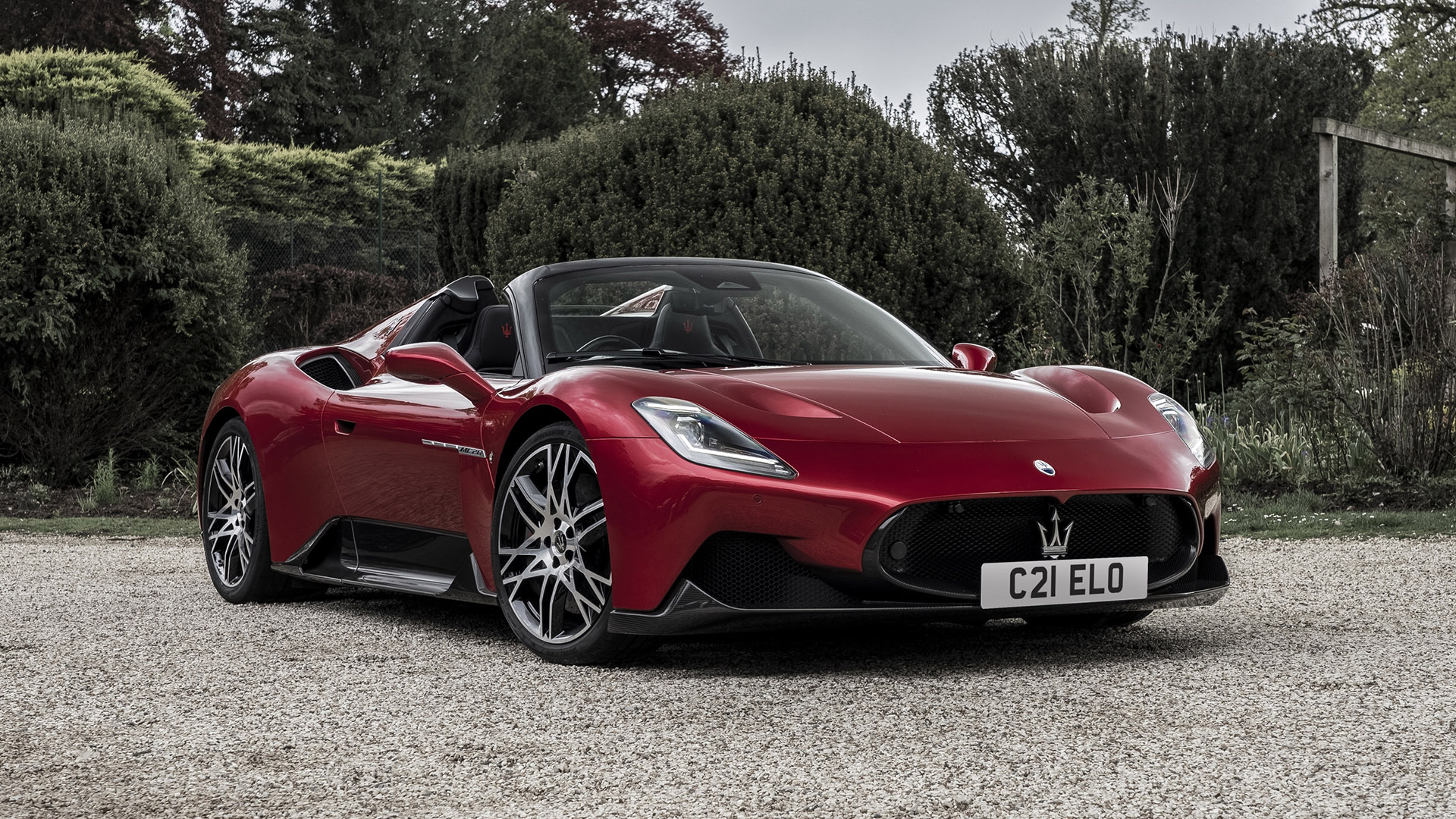
In the realm of open-air driving, certain sleek vehicles captivate the senses with unrivaled elegance and prowess. These roadsters embody a seamless union of artistry and engineering, inviting those with discerning tastes to revel in an experience that exceeds mere transportation, offering an endowed sense of distinction.
The Aesthetic of Fluid Motion
Sculpting the Perfect Silhouette
In the world of prestige automotive design, the visual impact of a vehicle must hold true whether the canopy is raised or lowered. However, the true allure captures the observer when the roof is stowed, revealing a continuous, uninterrupted line flowing from the front grille to the rear deck. Unlike standard sedans or coupes, where the roofline dictates the profile, these open-top marvels rely heavily on the "waistline" and "shoulder line" of the bodywork. Designers treat these surfaces like sculptures, carving out curves that visualize the flow of wind, creating a sense of dynamism even when the machine is at a standstill.
Particular attention is paid to the rear tonneau cover and the trunk area. This section is a triumph of packaging and aesthetics, where the mechanism to hide the folded roof must coexist with the vehicle's elegant proportions. Engineers and designers agonize over millimeter-level adjustments to ensure that the rear haunches retain a muscular yet sophisticated look. The result is a profile that looks purpose-built for speed and leisure, avoiding the awkward, bulky rear ends that plagued older generations of open vehicles. It is a visual promise of the freedom that awaits the driver.
Where Interior Becomes Exterior
A unique challenge—and opportunity—in designing these vehicles is the dissolution of the boundary between the cabin and the outside world. When the top is down, the interior ceases to be a private cocoon and becomes an integral part of the vehicle's external presentation. Consequently, every element, from the shape of the seats to the grain of the leather and the curvature of the dashboard, is crafted with the understanding that it will be viewed from the curb. The cockpit is no longer just a workspace for the driver; it is a display of craftsmanship meant to be admired by onlookers.
This visibility dictates a heightened focus on color harmony and material contrast. The interplay between the body paint and the leather upholstery is scrutinized far more rigorously than in enclosed vehicles. A sun-kissed tan interior against a deep metallic blue exterior, for instance, is designed to evoke a specific lifestyle narrative. Designers also consider how sunlight interacts with metal accents and stitching patterns, ensuring they gleam invitingly without causing glare. The experience of opening the door and sliding into the driver’s seat is choreographed as a seamless transition, where the perceived quality of the cabin amplifies the prestige of the exterior styling.
Engineering the Impossible Balance
The Duality of Power and Composure
Historically, enthusiasts believed that one had to choose between high-performance handling and the plush comfort of a daily cruiser. The prevailing wisdom suggested that a suspension stiff enough for cornering would be punishing on city streets, while a soft ride meant sacrificing agility. Modern engineering in top-tier open-top models has thoroughly dismantled this trade-off. Through the integration of adaptive suspension systems and sophisticated chassis control, these vehicles can now read the road surface and adjust damper stiffness in milliseconds.
This technological leap allows a single vehicle to possess dual personalities. On a smooth coastal highway or a track, the car hugs the tarmac, exhibiting negligible body roll and razor-sharp responsiveness. Yet, upon entering a cobblestone historic district, the same system instantly softens, absorbing imperfections with the grace of a limousine. This duality is often managed via drive modes that alter not just the suspension, but the entire character of the machine.
| Feature Category | Comfort / Grand Touring Mode | Sport / Dynamic Mode |
|---|---|---|
| Suspension Feel | Absorbent and floating; isolates road imperfections for maximum relaxation. | Stiff and communicative; prioritizes road feedback and flat cornering. |
| Steering Response | Light and effortless; designed for easy maneuvering in traffic or cruising. | Heavy and precise; offers direct weight for confidence at high speeds. |
| Engine Note | Subdued and refined; keeps the cabin quiet for conversation and audio enjoyment. | Aggressive and resonant; amplifies exhaust notes to heighten the sensory drama. |
| Gearbox Logic | Smooth, imperceptible shifts for seamless acceleration. | Sharp, rapid shifts that hold gears longer for peak power delivery. |
Structural Rigidity and Safety
Removing the roof from a vehicle inherently compromises its structural integrity, akin to removing the lid from a shoebox. In the past, this led to "scuttle shake," where the chassis would flex and vibrate over bumps. Today, however, advanced metallurgy and carbon-fiber composites have rendered such issues obsolete. Engineers reinforce the chassis floor, sills, and bulkheads with materials that provide immense strength without adding excessive weight. The result is a body structure that rivals, and in some cases exceeds, the torsional stiffness of fixed-roof coupes.
This rigidity is palpable from the moment the steering wheel is turned. Even when channeling nearly 1000 horsepower to the pavement, the car remains composed, free from the creaks and groans that once plagued this segment. Advanced traction control and all-wheel-drive systems work in concert with this rigid platform, allowing drivers to exploit the vehicle's power without fear. The sensation is one of being safely ensconced in a fortress, even while exposed to the elements. It provides the confidence to push through corners, knowing the car will react exactly as directed, maintaining the delicate balance between the thrill of exposure and the assurance of safety.
Curating the sensory Experience
The Acoustics of Open Air
Comfort in an open car is defined largely by how well it manages the wind. In earlier eras, driving at highway speeds meant shouting to be heard over the roar of air turbulence. Contemporary flagship models have turned aerodynamics into an art form. Through the strategic placement of wind deflectors—sometimes active panels that deploy automatically—and the careful shaping of the windshield and mirrors, the airflow is manipulated to pass over the cabin rather than swirling into it. This creates a "bubble of calm" where occupants can converse at normal volumes even while traveling at speed.
Conversely, the auditory experience is not just about silence; it is about selective sound. Manufacturers tune the exhaust notes to penetrate this bubble in a pleasing way, allowing the driver to hear the engine's crescendo without the intrusion of tire roar or wind whistle. Furthermore, climate control systems have evolved to become "open-air capable," with features like neck-level heating vents (often called "air scarves") and ventilated seats that allow for top-down driving in cooler autumn weather or the heat of mid-summer. These technologies ensure that the romance of the drive is never dampened by physical discomfort.
The Lounge Concept and Practicality
Stepping inside these vehicles reveals a space that draws inspiration closer to a high-end lounge than a traditional car cockpit. The layout often follows a "2+2" configuration, which includes two small rear seats. While technically capable of seating passengers, in the luxury segment, these rear spaces serve a different, more philosophical purpose. They are rarely intended for long-haul adult occupancy but rather act as an upholstered extension of the luggage capacity, perfect for designer weekender bags or coats.
This design choice underscores the vehicle's focus on the driver and their companion. By sacrificing practical rear seating, the manufacturer prioritizes the aesthetic line of the car and the comfort of the front occupants. It is a declaration of indulgence—an admission that this vehicle is for enjoyment rather than utility. Technology is integrated seamlessly, with high-definition screens that remain visible in direct sunlight and audio systems specifically calibrated to compensate for the lack of a roof, ensuring the bass and treble remain rich even when competing with the ambient environment.
Choosing the Right Roof Strategy
When entering this market, a prospective owner faces a definitive choice regarding the roof mechanism: the traditional soft top versus the retractable hard top. This decision influences not only the look of the car but its everyday livability and driving character.
| Roof Type | Aesthetic Appeal | Practical Benefits | Typical Owner Profile |
|---|---|---|---|
| Soft Top (Fabric) | Classic, romantic, and traditional. Offers a distinct "convertible look" even when closed. | Lighter weight improves handling. Operates faster and often takes up less trunk space. | Purists who value tradition, elegance, and a slightly sportier driving dynamic. |
| Hard Top (Metal) | Sleek and modern. When closed, the car effectively becomes a secure coupe. | Superior security and insulation against vandalism and extreme weather. Quieter cabin on highways. | Drivers who use the vehicle year-round, in cities, or prioritize maximum security and silence. |
Ultimately, the choice relies on how the vehicle fits into one's life. The soft top evokes the golden age of motoring and often comes in various colors (bordeaux, navy, beige) to contrast with the paintwork, adding a layer of customization. The hard top, meanwhile, offers a "best of both worlds" solution, providing the security of a steel roof with the option of open skies. Regardless of the choice, verifying the trunk capacity with the roof down is essential, as the complex folding mechanisms inevitably encroach on cargo space. The ideal selection balances the romantic notion of wind-in-hair motoring with the pragmatic realities of the owner's climate and storage needs.
Q&A
What are some popular high-end brands known for their luxury convertible cars?
Some popular high-end brands known for their luxury convertible cars include Ferrari, Bentley, Porsche, and Aston Martin. These brands are renowned for combining elegance with performance, offering vehicles that are as stylish as they are powerful.How do premium interiors enhance the driving experience in luxury convertibles?
Premium interiors in luxury convertibles enhance the driving experience by providing superior comfort and aesthetics. Features like high-quality leather seats, advanced infotainment systems, and customizable ambient lighting create a sophisticated and relaxing environment, making every journey enjoyable.What comfort features are typically found in luxury convertible cars?
Luxury convertible cars often include comfort features such as climate-controlled seating, advanced sound systems, and adaptive suspension systems. These features ensure a smooth and comfortable ride, regardless of road conditions or weather, enhancing the overall driving experience.How is performance balance achieved in luxury convertible cars?
Performance balance in luxury convertible cars is achieved through a combination of powerful engines, precise handling, and advanced aerodynamics. Manufacturers carefully tune these elements to ensure that the vehicle delivers both exhilarating speed and stable, controlled driving dynamics.Why is prestige appeal significant in the market segment of luxury convertible cars?
Prestige appeal is significant in this market segment because it reflects the status and exclusivity associated with owning a high-end vehicle. Luxury convertible cars often serve as a symbol of success and personal achievement, attracting buyers who value both the quality and the social statement these vehicles represent.