
Whether for professional work, weekend projects, or daily commuting, trucks are valued for their strength, utility, and reliability. Hybrid pickup trucks extend this legacy by combining traditional capability with improved fuel efficiency and modern performance balance. With towing capacity, fuel improvement, emerging market entries, and growing consumer demand shaping the segment, hybrid pickups are becoming a compelling option for drivers who want both rugged capability and thoughtful energy use.
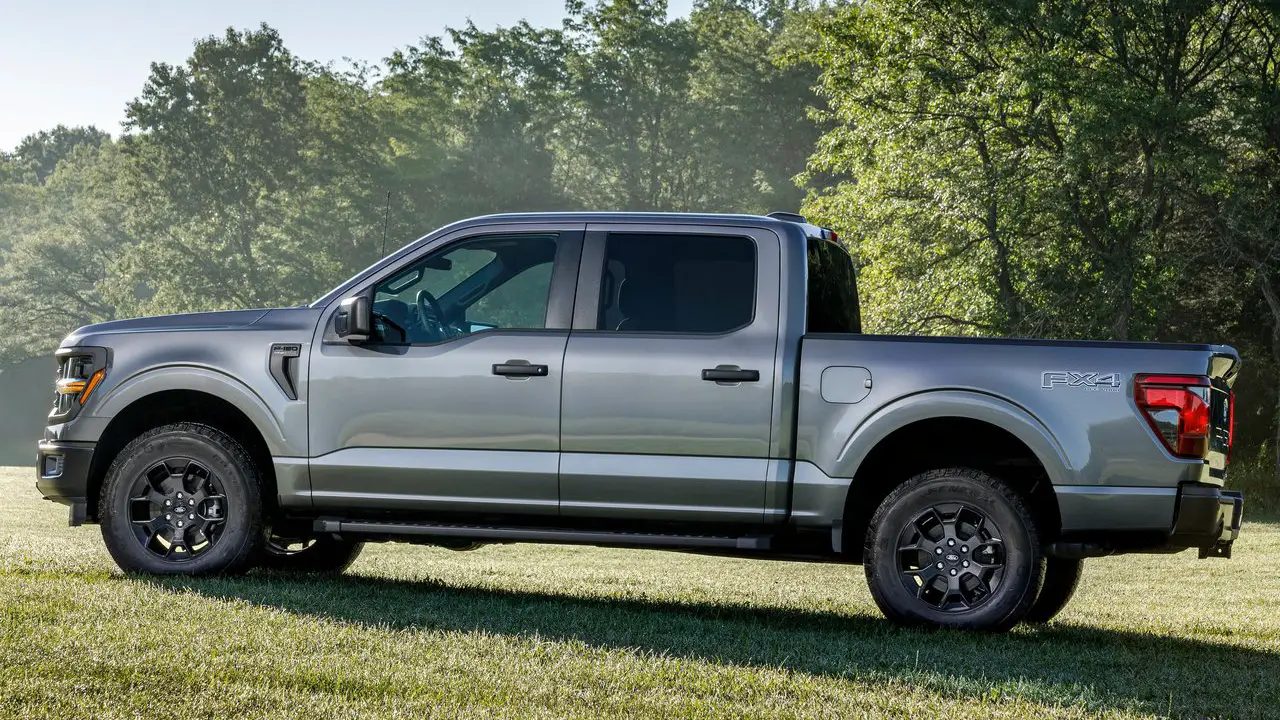
Whether for professional work, weekend projects, or daily commuting, trucks are valued for their strength, utility, and reliability. Hybrid pickup trucks extend this legacy by combining traditional capability with improved fuel efficiency and modern performance balance. With towing capacity, fuel improvement, emerging market entries, and growing consumer demand shaping the segment, hybrid pickups are becoming a compelling option for drivers who want both rugged capability and thoughtful energy use.
What Makes a Hybrid Pickup Truck
Hybrid Powertrains in Traditional Trucks
Hybrid pickup trucks employ combined power systems that integrate an electric motor with a conventional gasoline or diesel engine. The hybrid system supports the engine during acceleration, helps recover energy during deceleration, and allows more efficient power delivery under varied driving conditions.
Rather than replacing the engine entirely, hybrid systems work alongside it. This approach enables pickup trucks to retain the strength and capability expected of this vehicle type, while also improving overall energy use.
The hybrid system also benefits everyday driving by smoothing power delivery and reducing fuel consumption during city traffic or extended idling periods. The technology adapts to driving needs in real time, providing power when required and efficiency when possible.
Maintaining Capability With Efficiency
One critical consideration for hybrid pickup trucks is maintaining core strengths like towing capacity and payload capability. Hybrid systems are designed to complement—not compromise—these capabilities. By using electric assistance to support engine output during heavy loads, hybrid pickups can sustain performance without placing unnecessary strain on the gasoline engine.
This balance is central to why hybrid pickups appeal to drivers who need serious work capability but also want better fuel efficiency than conventional trucks typically provide.
Rather than being a compromise, hybrid design aims to be an intelligent enhancement to proven truck architecture.
Towing Capacity and Work Performance
Hybrid Trucks on the Job
Pickup trucks are expected to tow equipment, trailers, boats, and other heavy loads. For hybrid models, towing capacity remains a priority. Hybrid pickup trucks are engineered to use electric motor support in ways that optimize power delivery during demanding tasks. When towing, the hybrid system can help reduce engine strain and provide stable torque output, contributing to confidence on the road.
For many owners—whether contractors, outdoor enthusiasts, or families with recreational needs—this capability is essential. Hybrid trucks are not just for light commuting; they can handle typical work-related tasks without sacrificing performance.
The hybrid system’s responsiveness during acceleration and load transitions helps create a towing experience that feels capable and composed, even when hauling significant weight.
Everyday Work Vehicle Use
Work vehicles often face diverse driving conditions, from city traffic and stoplights to highways and rural roads. Hybrid pickup trucks deliver consistent performance across these environments. The electric motor engages during low-speed acceleration and assists during heavier loads, which can improve drivability in typical work settings.
In addition to towing, hybrid systems support everyday tasks such as transporting tools, equipment, and materials. Smooth power delivery and adaptive energy use help reduce driver fatigue and support productivity throughout the day.
For many drivers, this blend of capability and refinement enhances the everyday work experience.
Fuel Improvement and Efficiency Benefits
How Hybrids Improve Fuel Use
Fuel improvement is one of the most visible advantages of hybrid pickup trucks. Hybrid technology allows the vehicle to reduce reliance on the engine alone, especially in conditions where traditional engines are less efficient. During low-speed driving, frequent starts, or idling—common in urban or worksite conditions—the electric motor can reduce fuel use while still providing necessary performance.
Hybrid systems also recover energy during braking or deceleration, storing that energy for later use. By capturing energy that would otherwise be lost, hybrid trucks use fuel more effectively over time.
This energy-aware approach helps deliver meaningful fuel improvement compared to conventional pickup trucks, particularly in mixed driving scenarios.
Real-World Fuel Considerations
In real-world use, hybrid pickup drivers often notice the benefits of improved fuel efficiency. While the extent of savings varies based on driving patterns and tasks, hybrid technology tends to be especially effective in conditions with frequent speed changes or extended idling. Worksite driving, delivery routes, and urban commuting are typical scenarios where hybrid efficiency can be most noticeable.
These improvements help reduce operating costs, especially for owners who spend significant time behind the wheel. Fuel savings become a practical advantage that supports daily productivity without compromising capability.
Performance Balance and Everyday Driving
Power Delivery and Responsiveness
Performance balance is a key design goal for hybrid pickup trucks. Drivers expect solid acceleration for highway merging, confident torque for towing, and smooth responsiveness for everyday errands. Hybrid systems enhance engine output with electric motor support, enabling a balanced and adaptable power delivery.
Rather than feeling like a lightweight or compromised vehicle, a hybrid pickup aims to deliver dependable performance that meets both routine and demanding needs.
This responsiveness can be especially useful during overtaking maneuvers, hill climbs, or when adjusting speed while towing. The hybrid system helps manage power delivery so that the vehicle feels capable without abrupt transitions between power sources.
Comfort and Driveability
While pickup trucks are primarily valued for utility, comfort and ease of use remain important for many owners. Hybrid pickups often include refined suspension and noise reduction strategies that enhance daily driving comfort. Electric assistance during acceleration also contributes to smoother transitions that feel composed and predictable.
For drivers who spend long hours on the road—whether commuting to a job site or driving between appointments—the hybrid pickup’s blend of capability and comfort makes daily travel less tiring and more enjoyable.
New Market Entries and Industry Growth
Emerging Hybrid Truck Models
The truck market has evolved rapidly, and hybrid powertrains have emerged across a variety of models from different manufacturers. New hybrid pickup trucks offer a range of features and sizes, from smaller midsize options to full-size workhorses.
This growing segment reflects automakers’ response to consumer demand for vehicles that offer both rugged capability and improved efficiency. As hybrid technology becomes more widespread and refined, more models are entering the market with updated designs, advanced electronics, and thoughtful performance enhancements.
For buyers, this expansion means greater choice and the ability to select a hybrid pickup that aligns with specific needs, whether focused on towing, comfort, or worksite utility.
Innovation and Competitive Dynamics
Competition among manufacturers drives ongoing improvement in hybrid truck design. Advanced powertrains, smart energy management, and refined engineering approaches contribute to performance gains that benefit consumers.
Hybrid pickups are part of a broader shift in the automotive industry toward more efficient and versatile vehicles. They reflect a balance of traditional strengths and modern demands, offering a compelling alternative to conventional trucks without sacrificing core capabilities.
This competitive environment ultimately benefits drivers by expanding options and encouraging continuous innovation.
Consumer Demand and Adoption Trends
What Drivers Are Looking For
Consumer demand for hybrid pickup trucks stems from a blend of practical and lifestyle considerations. Many drivers value the capability that pickup trucks provide, including towing and cargo flexibility. At the same time, concerns about fuel use, environmental impact, and long-term operating costs influence purchasing decisions.
Hybrid pickups appeal to drivers who want to maintain traditional truck utility while reducing fuel consumption and supporting thoughtful energy use. For businesses that depend on fleets, hybrid pickups can contribute to lower operating costs without compromising performance expectations.
This combination of traits resonates with a wide range of buyers, from individual owners to commercial users.
Broader Market Influence
As more drivers choose hybrid trucks, broader market trends begin to reflect changing priorities. Dealers respond by expanding hybrid options, manufacturers improve hybrid systems, and technology investments accelerate.
Public awareness of hybrid capabilities also increases as drivers encounter these vehicles in everyday use. Over time, consumer expectations evolve, and hybrid pickups become part of mainstream choices rather than niche alternatives.
This shift reflects more than a preference for technology; it indicates how drivers weigh utility, economy, and practicality in modern transportation.
Questions and Answers
Q: Do hybrid pickup trucks compromise towing performance?
No. Hybrid pickups are engineered to retain towing capacity by coordinating electric and engine power to support load demands.
Q: Are hybrid pickups more fuel-efficient than conventional trucks?
Yes. Hybrid systems improve fuel use, particularly in conditions such as stop-and-go traffic and worksite driving where electric assistance reduces reliance on the engine.
Q: Can hybrid pickup trucks handle daily work tasks?
Yes. Hybrid pickups are designed to support everyday work vehicle use, including hauling tools, equipment, and regular commuting.
Q: Are hybrid pickups becoming more popular?
Yes. Consumer demand continues to grow as more drivers recognize the balance of utility and efficiency that hybrid pickup trucks offer.