
City driving places unique demands on vehicles. Frequent stops, congested traffic, short trips, limited parking, and constant speed changes all challenge traditional gasoline cars. Hybrid vehicles are particularly well suited to these conditions. By combining electric and gasoline power, hybrid cars deliver traffic efficiency, quiet operation, strong stoplight performance, and meaningful fuel savings that align naturally with urban commuting.
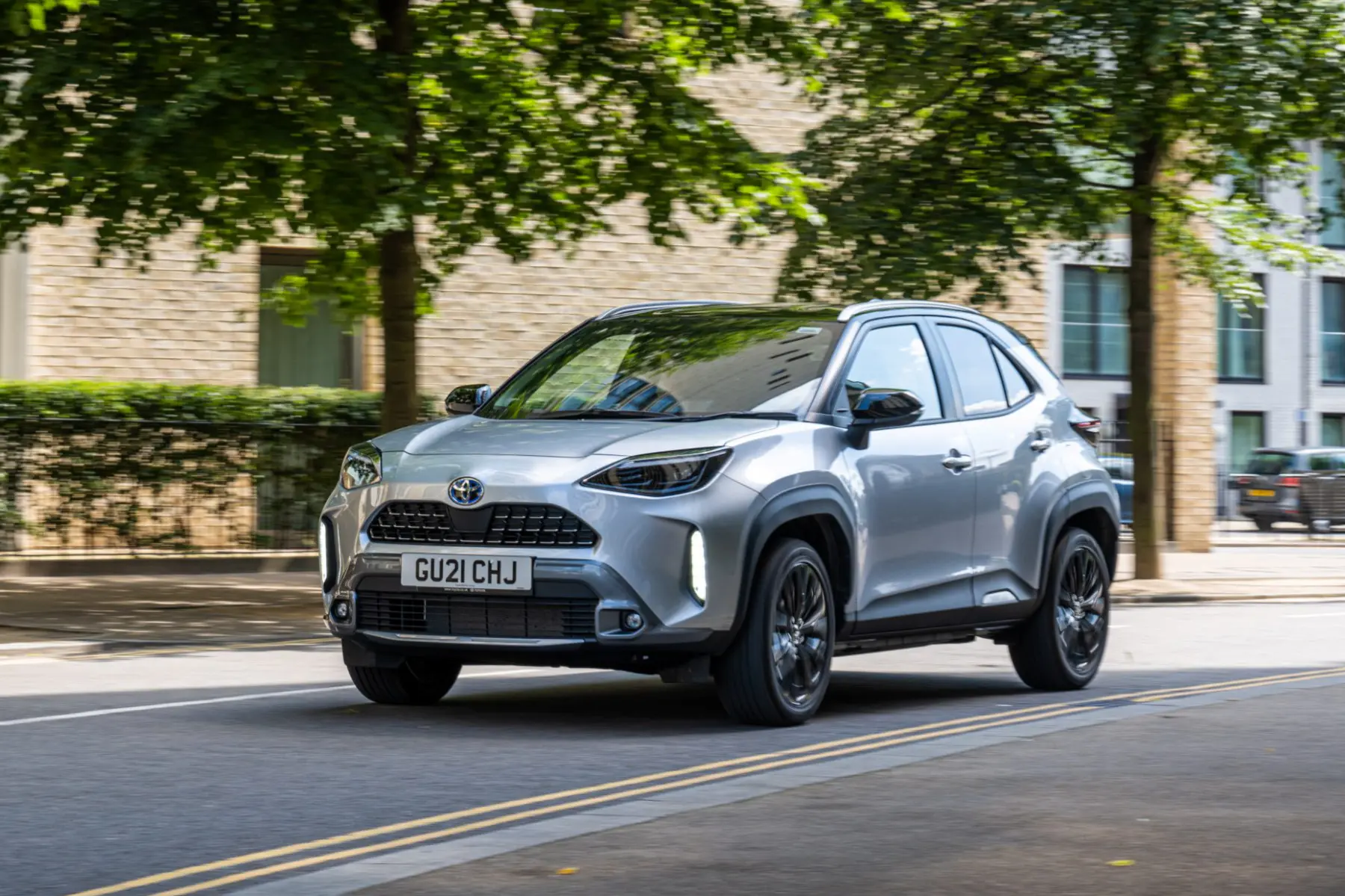
City driving places unique demands on vehicles. Frequent stops, congested traffic, short trips, limited parking, and constant speed changes all challenge traditional gasoline cars. Hybrid vehicles are particularly well suited to these conditions. By combining electric and gasoline power, hybrid cars deliver traffic efficiency, quiet operation, strong stoplight performance, and meaningful fuel savings that align naturally with urban commuting.
Why Hybrid Cars Excel in City Driving
Designed for Low-Speed Efficiency
Urban driving typically involves lower average speeds, frequent deceleration, and repeated acceleration. Hybrid cars are optimized for exactly these conditions. The electric motor plays a major role at low speeds, where gasoline engines are least efficient.
Instead of relying solely on fuel combustion, the hybrid system uses electric power to move the vehicle smoothly through traffic. This reduces unnecessary fuel use and allows the gasoline engine to rest or operate only when it is most effective.
As a result, hybrid cars feel well matched to city streets rather than overpowered or inefficient.
Reduced Strain in Congested Environments
Stop-and-go traffic places constant strain on conventional engines. Hybrids distribute that workload between electric and gasoline systems, reducing stress on mechanical components.
Electric motors handle frequent starts with ease, while regenerative braking captures energy during slowdowns. This balanced approach improves overall efficiency and supports durability during daily urban use.
For city drivers, this means fewer compromises between comfort, efficiency, and reliability.
Traffic Efficiency and Everyday Flow
Managing Stop-and-Go Traffic
Traffic efficiency is one of the most noticeable benefits of hybrid cars in cities. In slow-moving or congested traffic, hybrids rely heavily on electric propulsion, which performs well at low speeds.
Instead of burning fuel while creeping forward, the vehicle glides quietly using stored electric energy. When traffic stops completely, many hybrids shut off the gasoline engine entirely, eliminating unnecessary idling.
This behavior makes long traffic delays feel less wasteful and more manageable.
Smoother Transitions in Urban Driving
Hybrid systems are designed to deliver smooth power transitions. When moving from a stop or merging into traffic, the electric motor provides immediate torque, reducing hesitation.
This responsiveness improves the flow of city driving, making it easier to keep pace with traffic without aggressive acceleration. The result is a calmer and more predictable driving experience.
In busy urban settings, smooth transitions contribute to both driver confidence and traffic harmony.
Quiet Operation and Urban Comfort
Reducing Noise in City Streets
Quiet operation is a defining feature of hybrid cars during city driving. When operating on electric power, hybrids produce very little noise, especially at low speeds.
This quieter movement benefits not only drivers but also pedestrians, cyclists, and nearby residents. Reduced vehicle noise contributes to a calmer urban atmosphere, particularly in residential neighborhoods and crowded areas.
For drivers, the quieter cabin enhances comfort and reduces fatigue during daily commutes.
Improved Driving Experience in Congestion
Urban driving often involves stress from noise, congestion, and constant stops. Hybrid cars help ease this experience by delivering a more relaxed driving environment.
Electric operation reduces vibration and engine noise during frequent stops and slow movement. Even when the gasoline engine engages, it typically runs more smoothly and efficiently than in conventional vehicles.
Over time, this refined experience becomes one of the most appreciated aspects of hybrid ownership in the city.
Stoplight Performance and Acceleration
Instant Response from Electric Motors
Stoplight performance is where hybrid cars often surprise new drivers. Electric motors provide instant torque, allowing hybrids to move confidently from a standstill.
This immediate response makes navigating intersections and merging into traffic feel effortless. Drivers do not need to press the accelerator aggressively to achieve smooth acceleration.
In city driving, where quick but controlled movement is important, this characteristic enhances both safety and comfort.
Balanced Power for Urban Needs
Hybrid cars are not designed for aggressive performance, but their power delivery suits urban demands well. The combination of electric assistance and gasoline support provides sufficient acceleration without unnecessary excess.
This balance encourages steady driving habits and reduces fuel waste. It also makes hybrids feel intuitive in city environments, where smoothness matters more than raw power.
The result is a vehicle that feels responsive without being demanding.
Fuel Savings in Urban Conditions
Reduced Fuel Use in Daily Commuting
Fuel savings are one of the primary reasons city drivers choose hybrid cars. Urban driving involves conditions where hybrids are most efficient, such as frequent braking and low-speed travel.
Regenerative braking captures energy during deceleration and stores it for later use. This recovered energy supports acceleration and reduces the need for gasoline.
Over time, these small efficiency gains accumulate, leading to noticeable reductions in fuel consumption during daily commuting.
Less Idling, Less Waste
In city traffic, idling is a major source of fuel waste. Hybrid cars minimize this by shutting off the gasoline engine when it is not needed, such as at stoplights or during prolonged stops.
Electric systems maintain vehicle readiness without burning fuel. When it is time to move again, the electric motor provides immediate power.
This approach directly addresses one of the most inefficient aspects of city driving.
Urban Commuting and Daily Practicality
Ideal for Short Trips
Many city trips are short and repetitive, such as commuting to work, shopping, or school runs. Hybrid cars handle these trips efficiently because they do not rely solely on engine warm-up to achieve efficiency.
Electric assistance allows the vehicle to perform well even on brief journeys. This makes hybrids particularly suited to urban lifestyles where driving distances are modest.
For commuters, this means consistent efficiency without needing long drives to realize benefits.
Reduced Driving Stress
Hybrid technology supports smoother and more predictable driving. This can reduce stress during daily commutes, especially in congested areas.
Quiet operation, gentle acceleration, and reduced engine noise contribute to a calmer experience. Over time, these factors improve overall satisfaction with urban driving.
For many drivers, this comfort becomes just as valuable as fuel savings.
Parking Advantages in Urban Areas
Compact Design and Maneuverability
Many hybrid models are designed with urban maneuverability in mind. Compact dimensions and responsive steering make it easier to navigate narrow streets and tight parking spaces.
Electric assistance at low speeds allows precise control during parking maneuvers. This is especially useful in crowded city environments where space is limited.
The ease of parking enhances everyday convenience and reduces frustration.
Benefits in Regulated Urban Zones
In some cities, hybrid vehicles enjoy practical advantages such as preferred parking, access to restricted areas, or incentives designed to encourage lower-emission vehicles.
While policies vary by location, hybrids often align well with urban transportation goals. Their lower emissions and efficient operation make them compatible with city planning priorities.
Even without formal incentives, hybrids fit naturally into evolving urban mobility strategies.
Comparing Hybrid Cars to Conventional City Vehicles
Hybrids Versus Gasoline Cars in the City
Compared to conventional gasoline cars, hybrids are better adapted to stop-and-go traffic. Gasoline engines are least efficient in these conditions, while hybrids are optimized for them.
Hybrids reduce fuel waste during idling and braking, offering advantages that become more pronounced the more time a vehicle spends in traffic.
This makes hybrids particularly appealing for drivers whose routines are centered around city streets.
Hybrids Versus Electric Vehicles
Fully electric vehicles also perform well in cities, but they require consistent access to charging. Hybrid cars offer similar low-speed benefits without full dependence on charging infrastructure.
For drivers who lack reliable charging access or who need flexibility for longer trips, hybrids provide a balanced alternative.
This adaptability makes hybrids accessible to a wider range of urban residents.
Long-Term Urban Ownership Experience
Consistent Performance Over Time
Hybrid cars are designed for durability in demanding environments. Urban driving involves constant starts, stops, and short trips, all of which hybrids handle efficiently.
The shared workload between electric and gasoline systems supports long-term reliability. Many owners find that hybrids remain consistent performers throughout years of city use.
This reliability strengthens confidence in hybrid technology as a practical urban solution.
Cost Stability for City Drivers
In addition to fuel savings, reduced brake wear and efficient engine operation help stabilize ownership costs. Urban drivers benefit from fewer maintenance demands related to heavy traffic use.
This cost predictability is especially valuable in cities, where transportation expenses can add up quickly.
Hybrid ownership offers a way to manage these costs without sacrificing convenience.
Questions and Answers
Q: Are hybrid cars good for heavy city traffic?
Yes. Hybrids are designed to perform efficiently in stop-and-go traffic, using electric power to reduce fuel waste and improve smoothness.
Q: Do hybrids feel slow in city driving?
No. Electric motors provide immediate response at low speeds, making hybrids feel quick and confident from stoplights.
Q: Can hybrids really save fuel in urban commuting?
Yes. Reduced idling, regenerative braking, and electric assistance contribute to meaningful fuel savings in city conditions.
Q: Are hybrid cars easier to park in cities?
Many hybrids offer compact designs and precise low-speed control, which makes parking in tight urban spaces easier.