
The appeal of these robust, adaptable vehicles continues to captivate drivers across the globe. Blending pioneering design with performance, they appeal to a demographic seeking functionality and sophistication. Despite the ebb and flow of prices, their ubiquity hints at a powerful consumer connection.
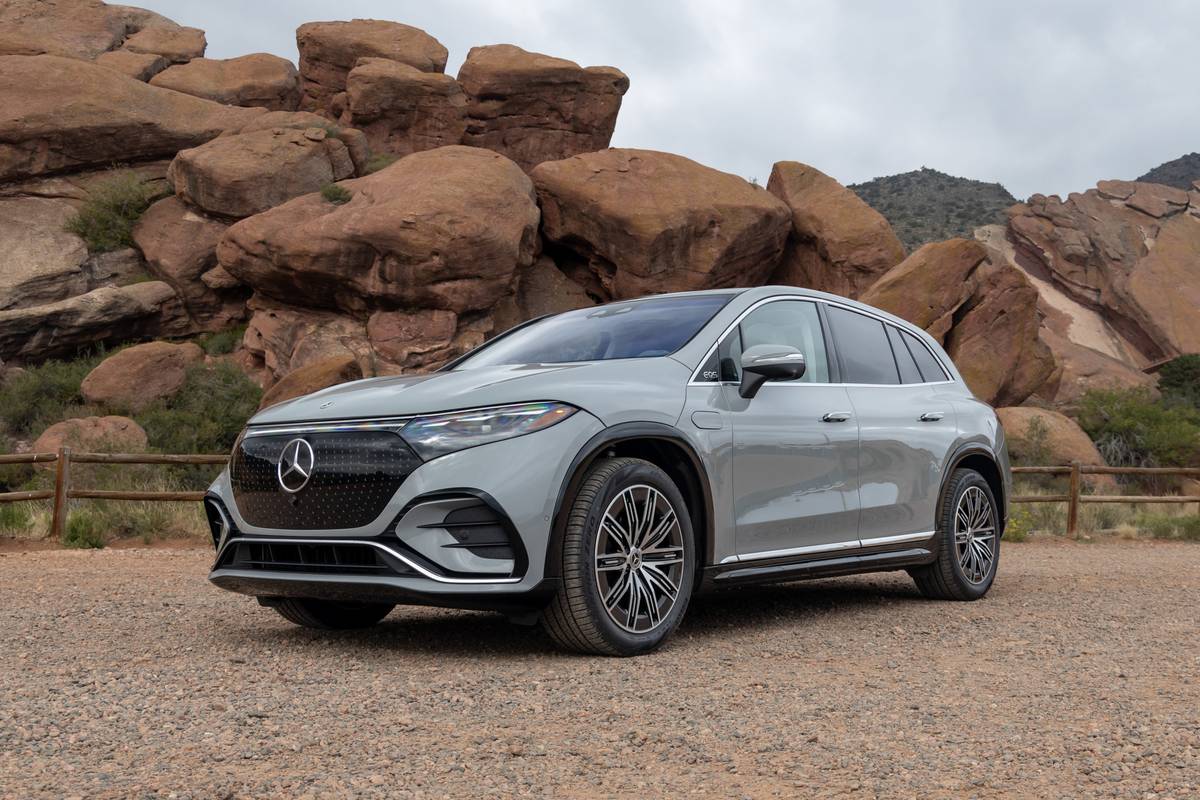
The appeal of these robust, adaptable vehicles continues to captivate drivers across the globe. Blending pioneering design with performance, they appeal to a demographic seeking functionality and sophistication. Despite the ebb and flow of prices, their ubiquity hints at a powerful consumer connection.
Redefining Comfort and Road Performance
From Utilitarian Roots to Luxury Standards
Historically, the high-riding vehicle was synonymous with a utilitarian, somewhat agricultural driving experience. The primary focus was on durability and off-road capability, often at the expense of cabin quietness or suspension refinement. However, the contemporary landscape has shifted dramatically. Modern engineering has successfully bridged the gap between rugged capability and the refinement typically associated with luxury sedans.
Today’s models offer a driving experience characterized by hushed cabins and sophisticated suspension systems that absorb road imperfections with ease. Advanced sound-deadening materials and acoustic glass have transformed interiors into sanctuaries of calm, allowing passengers to converse at a whisper even at highway speeds. This evolution is particularly evident in the premium sector, where the ride quality is now a primary selling point. The suspension tuning often strikes a delicate balance, firm enough to provide confidence in corners yet compliant enough to smooth out urban potholes. This transformation has broadened the demographic significantly, attracting drivers who prioritize comfort and fatigue-free long-distance travel over pure off-road prowess.
Balancing Power with Agility
The perception of these larger vehicles as lumbering or sluggish has been effectively dismantled by advancements in powertrain and chassis technology. We are currently witnessing an era where size does not dictate a lack of agility. Through the implementation of precise steering systems, lower centers of gravity—often aided by battery placement in electrified models—and advanced torque-vectoring technologies, manufacturers have imbued these cars with surprising athleticism.
For the driving enthusiast, the market now offers options that rival traditional sports tourers. Turbocharged engines and responsive transmissions provide immediate acceleration, making merging onto motorways or navigating mountain passes effortless. Conversely, for those seeking efficiency and serenity, the rise of electric and hybrid powertrains offers a different kind of performance: instant, silent torque. This duality allows consumers to select a vehicle that mirrors their personal driving style without compromising on space. Whether one desires the visceral feedback of a high-performance engine or the seamless glide of an electric motor, the segment has evolved to ensure that "utility" no longer precludes "driving pleasure."
| Feature Category | Traditional Expectation | Modern Reality |
|---|---|---|
| Handling Dynamics | Heavy, prone to body roll, truck-like steering. | Sharp, sedan-like cornering, adaptive suspension systems. |
| Cabin Environment | Noisy, basic materials, functional focus. | Acoustic isolation, premium tactile materials, lounge atmosphere. |
| Performance Focus | Low-speed torque for off-road/towing only. | High-speed stability, rapid acceleration, versatile drive modes. |
A Design Philosophy Centered on Lifestyle
The Interior as a Digital Lounge
Stepping inside the latest generation of these versatile automobiles reveals a shift from pure function to high-end artistry. Designers are no longer treating the cabin merely as a control center for the driver but as a communal lounge for all occupants. The aesthetic has moved towards clean, horizontal lines that emphasize width and spaciousness, often incorporating materials that delight the senses. Soft-touch leathers, open-pore woods, and even crystal accents on switchgear are becoming commonplace, elevating the daily commute into an experience akin to sitting in a modern living room.
Technology plays a pivotal role in this transformation. The dashboard is frequently dominated by expansive panoramic displays that merge instrumentation and infotainment into a single, seamless visual element. These screens offer cinema-quality resolution, integrating navigation and entertainment in a way that feels immersive rather than distracting. Beyond the visuals, the focus on "wellness" is evident. Seats are no longer just static cushions; they are high-tech components offering heating, ventilation, and sophisticated massage programs designed to reduce fatigue. Ambient lighting systems allow owners to tailor the mood of the cabin, further reinforcing the idea that the vehicle is an extension of one's personal living space.
Unmatched Practicality for Modern Families
The enduring success of this segment can be largely attributed to its sheer adaptability. Unlike the rigid limitations of a traditional saloon or hatchback, these vehicles offer a modular solution to the chaotic demands of family life. The higher seating position provides a commanding view of the road, a safety feature highly sufficient by parents, while the ease of entry and exit reduces the physical strain of loading children or elderly passengers.
Interior packaging has become incredibly smart. In mid-to-large variants, third-row seating has evolved from a cramped penalty box into a viable space for adults, thanks to more efficient chassis designs. When passenger capacity isn't the priority, the ability to fold seats flat creates a cavernous cargo area capable of swallowing everything from flat-pack furniture to camping gear. This "do-it-all" capability effectively eliminates the need for a second household car for many families. Furthermore, convenience features such as hands-free electric tailgates and stain-resistant upholstery demonstrate that manufacturers understand the gritty reality of daily use. It is this unique combination of high-end design and rugged usability that makes them the default choice for households balancing school runs with weekend adventures.
Market Dynamics and Economic Value
Resilience in a Changing Economy
Despite fluctuations in the global economy and rising fuel costs, consumer appetite for these high-riding vehicles remains remarkably stubborn. Sales data consistently shows them outperforming other body styles, indicating a fundamental shift in what the public considers the "standard" family car. This demand creates a robust secondary market. While the initial purchase price has climbed due to inflation and increased technology content, these vehicles tend to retain their value better than their sedan counterparts.
For many buyers, the vehicle is viewed not just as a depreciating asset but as a tool with inherent value retention. The perception of safety, combined with all-weather capability—particularly important in regions with harsh winters or variable climates—sustains high demand in the used market. Consequently, owners often find that when it comes time to trade in or upgrade, their vehicle commands a strong price, offsetting the higher initial outlay. This cycle of strong residual values reinforces consumer confidence, encouraging buyers to stick with the segment even as premium prices rise.
The Powertrain Transition: Reliability vs. Innovation
The engine bay of the modern family hauler has become a battleground for competing technologies, each serving a specific consumer niche. We are seeing a fascinating divergence in the market. On one hand, there is a rapid acceleration towards electrification. For urban and suburban drivers, hybrids and full electric models offer a compelling proposition: the ability to run daily errands on electric power, drastically reducing running costs and noise pollution. The layout of these vehicles is well-suited to electrification, as their larger floors can easily accommodate battery packs without encroaching on passenger space.
However, the traditional internal combustion engine, and specifically diesel, has not vanished. For a specific subset of drivers—those who tow horseboxes, caravans, or boats—the low-end torque and long-range efficiency of a diesel engine remain unrivaled. Similarly, in the ultra-luxury bracket, there is a notable "return to origin," where buyers are actively seeking powerful gasoline engines for their mechanical purity and prospective rarity as collectibles. This stratification means that choosing a vehicle today is less about "good vs. bad" and more about matching the power source to the lifestyle.
| Powertrain Type | Ideal User Profile | Primary Benefit |
|---|---|---|
| Plug-in Hybrid (PHEV) | Suburban families with driveway charging. | Electric for daily commutes, gas range for holidays. |
| Turbo Diesel | Rural drivers and heavy towers. | Superior torque for towing and highway fuel economy. |
| Pure Electric (BEV) | Urban commuters and tech adopters. | Silent operation, low maintenance, instant acceleration. |
| Large Displacement Gas | Enthusiasts and luxury buyers. | Classic driving feel and potential future collectability. |
Q&A
What defines a Sport Utility Vehicle (SUV) and how does its body style differ from other vehicles?
A Sport Utility Vehicle, commonly known as an SUV, is characterized by its robust body style that combines elements of road-going passenger cars with features from off-road vehicles, such as increased ground clearance and all-wheel drive capabilities. Unlike sedans or hatchbacks, SUVs often have a higher seating position, providing better visibility and a more commanding presence on the road. This body style caters to a wide range of terrains and driving conditions, making it a versatile choice for many consumers.
Why is the versatile design of SUVs appealing to consumers?
The versatile design of SUVs appeals to consumers due to its ability to cater to a variety of needs and lifestyles. Whether it's transporting a family, embarking on outdoor adventures, or simply handling daily commutes, SUVs offer ample cargo space, comfortable seating, and the ability to handle different road conditions. This versatility makes them a practical choice for individuals and families seeking a vehicle that can adapt to diverse uses.
What factors contribute to the growing popularity and market growth of SUVs?
Several factors contribute to the growing popularity and market growth of SUVs. These include their versatile design, which meets the needs of a wide range of consumers, and their ability to provide a sense of safety and security with advanced features and sturdy build. Additionally, advancements in fuel efficiency and hybrid models have made SUVs more appealing to environmentally-conscious buyers. The increasing demand for vehicles that can accommodate active lifestyles and offer spacious interiors also plays a significant role in the market expansion.
How do SUVs cater to everyday use while still being suitable for off-road adventures?
SUVs are designed to excel in everyday use while still being capable of tackling off-road adventures. This dual capability is achieved through features such as all-wheel or four-wheel drive systems, which enhance traction and stability on various terrains. Modern SUVs also incorporate advanced suspension systems and durable construction, allowing them to transition seamlessly from city streets to rugged trails. These attributes make SUVs an attractive option for those who require a vehicle that performs well in both urban and rural settings.
In what ways have consumer preferences influenced the evolution of SUV designs?
Consumer preferences have significantly influenced the evolution of SUV designs, leading to more refined and feature-rich models. The demand for fuel efficiency has prompted manufacturers to develop hybrid and electric SUV options. Additionally, the emphasis on technology and connectivity has resulted in the integration of advanced infotainment systems and driver-assistance features. Furthermore, the desire for comfort and luxury has led to the incorporation of premium materials and amenities, making SUVs not only practical but also a symbol of modern lifestyle and status.