
In the rapidly shifting automotive landscape, change is constant as distinctive crossovers and family favorites transform perceptions. Groundbreaking propulsion systems and innovative aesthetics have taken center stage, driving unprecedented evolution. As these vehicles capture attention anew, dynamic shifts reflect broader societal preferences and emerging global perspectives.
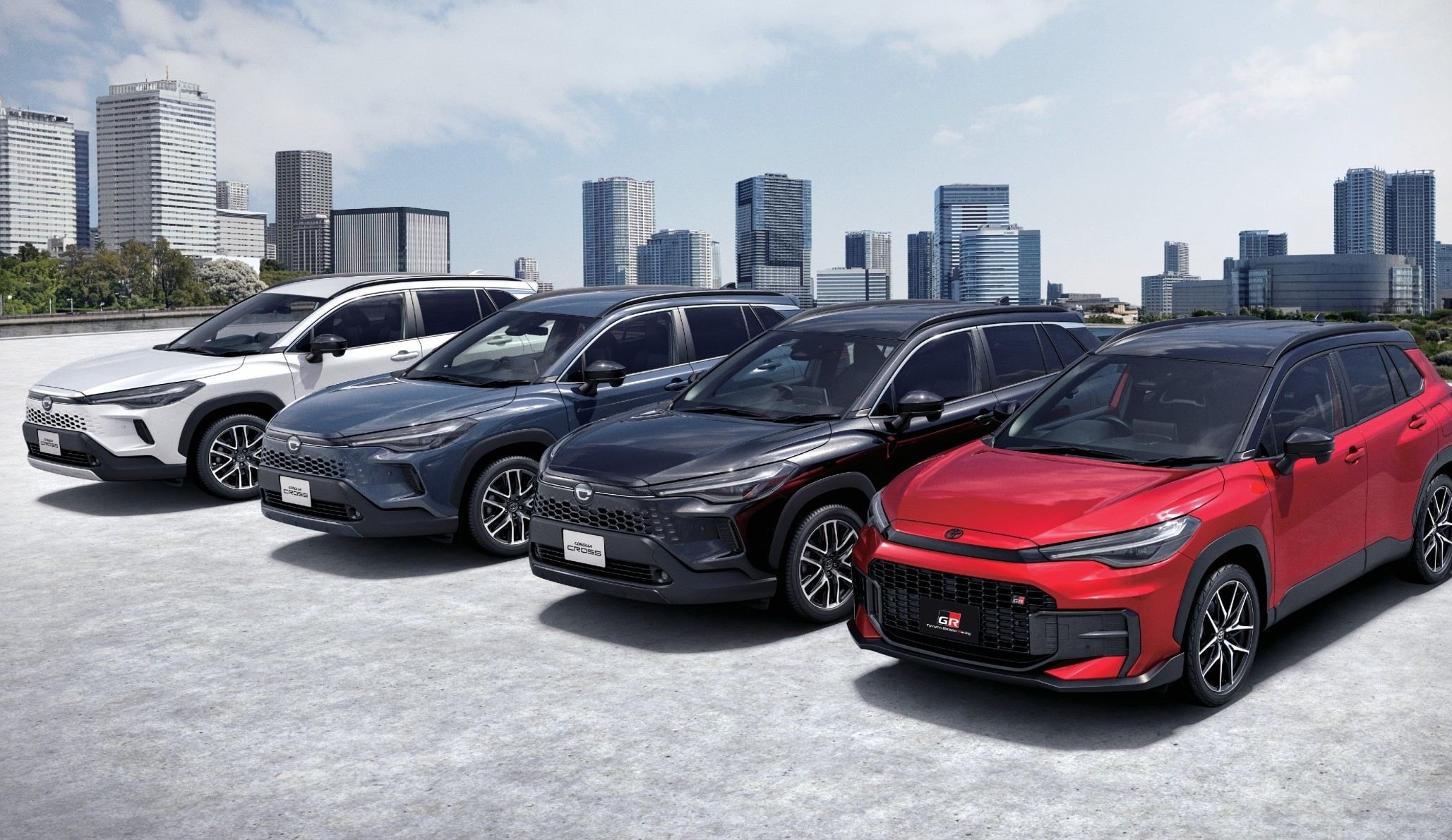
In the rapidly shifting automotive landscape, change is constant as distinctive crossovers and family favorites transform perceptions. Groundbreaking propulsion systems and innovative aesthetics have taken center stage, driving unprecedented evolution. As these vehicles capture attention anew, dynamic shifts reflect broader societal preferences and emerging global perspectives.
The Transformation of Propulsion and Performance
The most significant disruption in the sector comes from the powertrain revolution. We are witnessing a fundamental departure from the internal combustion engine that defined personal transport for a century. This transition is not merely about changing the fuel source; it is about reimagining the architecture of the vehicle itself. The removal of bulky engines, transmissions, and exhaust systems has liberated designers and engineers to rethink space utilization.
Redefining the Driving Experience
The shift toward electrification has altered the very DNA of how these vehicles perform. Traditional metrics of power delivery, such as the gradual buildup of torque found in gasoline engines, are being replaced by the instant responsiveness of electric motors. This change provides a smoother, quieter, and more immediate driving sensation that appeals to modern consumers seeking refinement over raw, mechanical noise.
Furthermore, the placement of heavy battery packs along the chassis floor has lowered the center of gravity. Historically, taller vehicles struggled with body roll and stability compared to sedans. However, this new architectural reality allows for handling characteristics that are surprisingly planted and agile. Drivers no longer have to compromise on driving dynamics to enjoy the elevated seating position and visibility that make this segment so popular. This fusion of utility and performance is reshaping expectations, making the driving experience less about conquering terrain and more about effortless, silent cruising.
| Feature Dimension | Traditional Combustion Model | New Energy Architecture |
|---|---|---|
| Space Utilization | Constrained by engine blocks and transmission tunnels; less flexible cabin storage. | Maximized interior volume; features "frunks" (front trunks) and flat floors. |
| Driving Dynamics | Higher center of gravity; noticeable gear shifts and engine vibration. | Low center of gravity for better stability; linear acceleration with zero vibration. |
| Maintenance Focus | Complex mechanical systems requiring fluid changes and moving part repairs. | Simplified drivetrain with fewer moving parts; emphasis on software updates. |
Infrastructure and Lifestyle Integration
Beyond the vehicle itself, the ownership experience is evolving to integrate seamlessly with the connected home and smart grid. The concept of "refueling" is shifting from a destination-based activity to a passive background event. For many, the vehicle becomes an extension of the domestic energy ecosystem, capable of charging overnight or even feeding power back into the home during outages.
This integration demands a new mindset regarding energy management. It places the vehicle at the center of a digital lifestyle, where range management is handled by predictive software rather than a fuel gauge. Route planning is now intelligent, factoring in topography, weather, and charging station availability, effectively making the car a co-pilot in the journey. This technological leap appeals to a tech-savvy demographic that views their vehicle as another smart device, prioritizing connectivity and interface design as much as horsepower.
Aesthetics Meets Aerodynamic Necessity
As engineering priorities shift, so too does the visual language of the automotive world. The boxy, upright silhouettes that once signaled rugged capability are softening. In an era where efficiency is paramount, particularly for battery-powered models, air resistance is the enemy. This physical reality is sculpting a new generation of exteriors that blend utility with sleek, wind-cheating forms.
The Evolution of Exterior Silhouettes
Designers are currently navigating a delicate balance between retaining the commanding road presence buyers love and achieving the low drag coefficients required for efficiency. We are seeing a trend toward "coupe-like" rooflines, flush door handles, and active aerodynamic elements that adjust based on speed. The aggressive grilles that once served to cool massive radiators are disappearing, replaced by smooth, body-colored panels or digital light displays that serve as the new face of the brand.
This evolution is not just functional; it represents a stylistic maturation. The rugged cladding and faux skid plates of the past are giving way to cleaner lines and sophisticated surfaces. The visual weight of the vehicle is being managed differently, often using two-tone paint jobs or clever sculpting to hide the visual bulk of the battery pack. The result is a segment that looks more futuristic and less utilitarian, appealing to urbanites who value style as much as substance.
The Digital Sanctuary Inside
The interior transformation is perhaps even more radical than the exterior. With mechanical components pushed to the periphery, the cabin is becoming a flexible "third living space." The removal of the transmission tunnel has created flat floors, allowing for center consoles that slide or float, and seats that offer lounge-like configurability.
The dashboard has been completely reimagined. Physical buttons and dials are vanishing, replaced by expansive panoramic screens that stretch across the width of the car. These digital interfaces control everything from climate to navigation, offering a minimalist aesthetic that mirrors modern interior design. Voice control and gesture recognition are becoming the primary methods of interaction, reducing clutter and focusing the driver's attention. This shift towards a "digital sanctuary" reflects a consumer desire for calmness and connectivity, turning the daily commute into a period of relaxation rather than stress.
Shifting Priorities in Consumer Demand
The reasons for purchasing these versatile vehicles are evolving. While the image of adventure remains a powerful marketing tool, the reality of daily usage drives actual purchasing decisions. The market is witnessing a segmentation where niche capabilities are being traded for broad practicality and safety features.
Versatility Over Rugged Capability
While marketing materials often depict vehicles scaling mountains, the primary domain for the modern large vehicle is the concrete jungle. Consumers are increasingly prioritizing ease of ingress and egress, cargo flexibility for grocery runs, and safety ratings over locking differentials or wading depth. The elevated seating position remains a top selling point, offering a sense of security and a commanding view of traffic, which is particularly valued in congested urban environments.
This shift has led to the rise of the "soft-roader"—vehicles that look tough but are engineered for pavement. Suspension systems are tuned for pothole absorption rather than rock crawling. The focus is on modular storage solutions, durable yet comfortable materials, and advanced driver-assistance systems that mitigate the stress of stop-and-go traffic. Manufacturers are responding by offering "adventure packages" that are largely cosmetic, catering to the aesthetic desire for ruggedness without the weight and fuel penalty of heavy-duty off-road hardware.
| Consumer Profile | Priority Needs | Ideal Vehicle Configuration |
|---|---|---|
| Urban Commuter | Maneuverability, visibility, and connectivity. | Compact footprint with high seating; focus on tech interface and parking aids. |
| Active Family | Maximum cargo volume, durability, and safety features. | Three-row seating with modular folding options; stain-resistant interiors. |
| Lifestyle Explorer | Long-distance comfort and moderate terrain capability. | All-wheel drive with enhanced ground clearance; roof rails for equipment. |
The Rise of Safety and Automation
Another driving force in this segment is the expectation of advanced safety as a standard inclusion rather than a luxury add-on. Families, in particular, gravitate toward these vehicles because they are perceived as safer cocoons. This perception is bolstered by the integration of sophisticated sensor suites that offer 360-degree monitoring.
Lane-keeping assist, adaptive cruise control, and automatic emergency braking are now baseline expectations. The size of these vehicles provides the physical real estate necessary to embed numerous sensors and cameras without disrupting the design. Furthermore, the robust chassis structures required for battery protection in electric variants have the side effect of creating incredibly rigid passenger cells, further enhancing crash safety. For the modern buyer, the definition of "performance" has expanded to include how well the vehicle protects its occupants and prevents accidents before they happen.
Q&A
What are the current trends in the SUV market?
The SUV market is experiencing significant growth driven by consumer demand for larger vehicles with more space and versatility. Trends include a shift towards compact SUVs, increased interest in hybrid and electric SUVs, and a focus on advanced safety features and connectivity.How is consumer demand shaping the SUV industry?
Consumer demand is influencing the SUV industry by pushing manufacturers to innovate in terms of fuel efficiency, design, and technology integration. There is a notable preference for SUVs that offer a balance between performance and environmental sustainability, prompting a rise in hybrid and electric models.In what ways is electrification impacting the SUV market?
Electrification is transforming the SUV market by introducing a range of hybrid and fully electric models, which cater to environmentally conscious consumers. This shift is also encouraging advancements in battery technology, charging infrastructure, and regulatory support for cleaner vehicles.How has SUV design evolved in recent years?
SUV design has evolved to meet changing consumer preferences and regulatory standards. Recent years have seen a trend towards more aerodynamic shapes, use of lightweight materials to improve fuel efficiency, and incorporation of modern aesthetic elements such as sleek lines and advanced lighting systems.What is the industry outlook for SUVs in different regions?
The industry outlook for SUVs varies by region, with North America and Europe seeing strong growth due to high consumer preference for larger vehicles. In contrast, markets in Asia are experiencing a surge in demand for smaller, more economical SUVs. Overall, the global SUV market is expected to continue expanding, driven by technological advancements and shifting consumer lifestyles.