
Amid the automotive world’s shift towards electrification, a breezy dream emerges on the horizon, promising exhilarating journeys under sunlit skies. The fusion of open-air exhilaration and sustainable power is paving the way for thrilling innovations, capturing the imagination while overcoming intricate engineering puzzles.
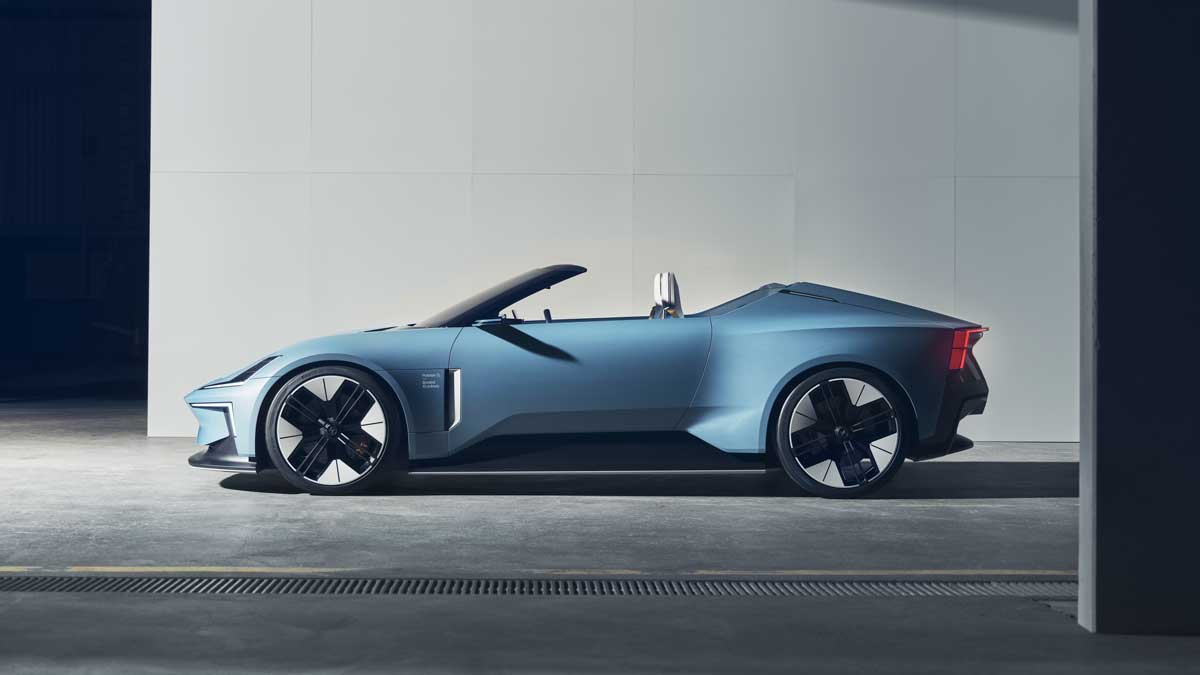
Amid the automotive world’s shift towards electrification, a breezy dream emerges on the horizon, promising exhilarating journeys under sunlit skies. The fusion of open-air exhilaration and sustainable power is paving the way for thrilling innovations, capturing the imagination while overcoming intricate engineering puzzles.
Redefining the Sensory Experience
The Sound of Nature and the Thrill of Torque
For generations, the allure of dropping the top was inextricably linked to the mechanical symphony of an internal combustion engine. The rumble of the exhaust and the rising crescendo of revs were considered essential components of the drama. However, the transition to electrified powertrains is not removing this character; rather, it is curating a profound new relationship with the environment. The absence of engine noise unveils a layer of sensory input that was previously drowned out. Drivers can now hear the rhythmic crash of ocean waves while cruising the Pacific Coast Highway or the rustle of leaves through a winding English country lane. The experience shifts from a mechanical domination of the surroundings to a harmonious integration with them.
| Feature | Internal Combustion Drop-Top | Electrified Open-Top |
|---|---|---|
| Auditory Experience | Dominated by engine and exhaust notes; masks environment. | Silent operation amplifies wind, nature, and tire sounds. |
| Power Delivery | Linear buildup; requires gear shifts to access peak power. | Instant torque availability; seamless acceleration without shifting. |
| Handling Dynamics | Higher center of gravity due to engine placement; potential body roll. | Ultra-low center of gravity improves cornering stability and grip. |
| Vibration | Mechanical vibration transmits through the chassis and seats. | Near-zero vibration, creating a smooth "gliding" sensation. |
Acoustic Engineering in a Silent Cabin
The elimination of the engine presents a paradoxical challenge: when the primary source of noise is removed, secondary sounds become intrusive. In a traditional convertible, the engine hum masked wind buffeting and tire roar. In an electrified equivalent, these sounds are laid bare, potentially becoming irksome to occupants expecting serenity. Consequently, acoustic engineering has moved to the forefront of design. Engineers are no longer just tuning exhaust notes; they are meticulously sculpting the silence.
To address this, the soft tops utilized in this new generation of vehicles are becoming marvels of material science. They often feature multi-layered fabrics with high-density insulation cores designed to rival the acoustic isolation of a fixed metal roof when closed. But the innovation extends beyond the roof itself. Inside the cabin, active noise cancellation systems—similar to those found in high-end headphones—are being deployed. By using microphones to monitor intrusive frequencies and broadcasting an opposing signal through the speakers, the car can actively "erase" wind noise. Additionally, audio systems are being rethought, with speakers integrated directly into headrests to ensure that music and conversation remain crystal clear even at highway speeds. This attention to detail ensures that the "open" experience remains luxurious rather than chaotic.
Engineering Mastery Beneath the Surface
Turning Weight into Structural Strength
One of the oldest headaches in automotive engineering is the "cowl shake." When you slice the roof off a traditional car, you remove a critical part of its structural integrity. The vehicle loses its rigidity, acting somewhat like a shoe box without a lid—prone to twisting and flexing over bumps. Historically, the solution was to weld heavy steel bracing into the floor and side sills. This band-aid fix added significant weight, often making the convertible version slower and less efficient than its coupe counterpart.
Electrification has inadvertently provided an elegant solution to this age-old problem. The heavy battery pack, which is typically a wide, flat slab mounted at the bottom of the chassis, is incredibly rigid. By integrating this battery case into the vehicle’s frame, it acts as a structural spine. This "skateboard" architecture offers immense torsional stiffness, effectively replacing the need for excessive additional bracing. The battery does not just store energy; it holds the car together. This allows engineers to achieve a level of body rigidity that was previously difficult to attain without compromising the vehicle's dynamics. While the overall weight of the vehicle remains high due to the battery, the weight is functional rather than dead ballast, contributing to both safety and handling stability.
Battling the Wind with Invisible Curtains
For a vehicle reliant on battery efficiency, aerodynamic drag is the enemy. A smooth coupe slices through the air, but a convertible with its top down acts like a parachute, creating turbulence that sucks energy and drastically reduces range. In the US and UK, where highway and motorway driving are essential, this range penalty can be a significant barrier to adoption. Therefore, aerodynamics in this segment is about more than just sleek lines; it is about managing airflow in complex, dynamic states.
Designers are employing active aerodynamics to mitigate these losses. This includes features like "air curtains"—precisely angled vents in the front bumper that channel air around the wheels to reduce turbulence. More impressively, the windshield header and rear deck are often sculpted to create a virtual bubble over the passenger compartment. By manipulating the angle of attack, the air is forced to skip over the open cabin rather than tumbling into it. This not only preserves the battery range by reducing drag but also creates a calmer environment for the passengers, reducing the "hair-messing" turbulence that often plagues open-air driving. Wheel designs, too, have shifted from purely aesthetic open spokes to flatter, aero-optimized discs that smooth out the airflow along the vehicle's flanks.
Balancing Practicality with Passion
The Weight of Freedom and Range Anxiety
Despite the structural advantages of the battery pack, the issue of mass remains the elephant in the room. Batteries are heavy, and when combined with the reinforced mechanisms needed for a folding roof, the total vehicle weight climbs significantly. Physics dictates that moving a heavier object requires more energy, which directly impacts how far the vehicle can travel on a single charge. This creates a difficult balancing act for manufacturers: add more batteries to increase range, and the car becomes too heavy and sluggish; reduce the battery size to improve agility, and the range anxiety becomes a deterrent for potential buyers.
This dilemma is particularly acute for lifestyle vehicles. Owners want the freedom to drive to the coast or through national parks without constantly scanning for charging stations. The "fun" factor diminishes rapidly if the journey is punctuated by long, anxious stops. Consequently, the industry is seeing a divergence in strategy. Some models prioritize lightweight, shorter-range designs intended for urban cruising and weekend jaunts, while grand tourers accept the weight penalty to provide substantial range for cross-country travel. Solving this equation is crucial for moving these vehicles from niche curiosities to mainstream desires.
| User Profile | Priority Features | Ideal Vehicle Configuration |
|---|---|---|
| The Urban Cruiser | Style, agility, ease of parking. | Compact battery, lightweight chassis, focus on shorter daily ranges. |
| The Grand Tourer | Maximum range, fast charging, luxury comfort. | High-capacity battery, aerodynamic efficiency focus, high-voltage architecture. |
| The Performance Seeker | Acceleration, cornering grip, handling. | High-output motors, torque vectoring, solid-state battery technology (future). |
| The Nature Explorer | Silence, sustainability, AWD capability. | Rugged durability, V2L (Vehicle-to-Load) for camping, moderate range. |
A Symbol of Brand Aspiration
From a market perspective, producing a roofless electric vehicle is a bold statement. These cars are rarely high-volume profit drivers; instead, they serve as "Halo Cars"—flagship models that define a brand's technological prowess and emotional appeal. By successfully delivering a product that is both technically complex and emotionally resonant, automakers can elevate their entire brand image.
For the luxury markets in California, Florida, or the South of England, these vehicles represent the ultimate status symbol: a demonstration of environmental conscience without the sacrifice of prestige or pleasure. Manufacturers are positioning these cars not merely as transportation, but as a reward. The marketing often focuses less on the specifications and more on the lifestyle—the ability to enjoy the elements responsibly. However, the cost of entry remains high due to the lack of economies of scale. As battery technologies mature and production costs decrease, we can expect this segment to trickle down from the ultra-luxury tier to more accessible price points, eventually allowing a broader audience to experience the unique joy of silent, open-air motoring.
Technological Leaps Powering the Future
The horizon looks bright thanks to rapid advancements in energy storage. The "holy grail" for this segment is the development of solid-state batteries. This next-generation technology promises to store significantly more energy in a smaller, lighter package compared to current lithium-ion solutions. For a convertible, where space is at a premium (often sacrificed for roof storage) and weight is a critical penalty, solid-state batteries could be transformative. They would allow for the long ranges drivers expect without the mass that dulls driving dynamics.
Furthermore, the shift toward higher voltage architectures (800V systems and beyond) is addressing the charging speed concern. If a vehicle can recover 200 miles of range in the time it takes to grab a coffee, the slightly lower aerodynamic efficiency of a convertible becomes less of a practical hindrance. These technological leaps are slowly eroding the compromises that have historically defined this segment, pointing toward a future where the only thing the driver notices is the sun on their face and the road ahead.
Q&A
What are some of the unique challenges faced by electric convertibles in terms of battery packaging?
Electric convertibles face significant challenges with battery packaging due to the need to maintain structural integrity without a fixed roof. The battery packs must be strategically placed to avoid compromising the car's balance and performance while ensuring sufficient space for energy storage. Engineers often have to innovate to optimize weight distribution and maintain the vehicle's agility and safety.
How does the open-air experience of driving an electric convertible differ from traditional convertibles?
The open-air experience in electric convertibles is often quieter and more serene compared to traditional gasoline-powered convertibles. This is due to the lack of engine noise, allowing drivers to fully enjoy the sounds of their environment. Additionally, the instant torque and smooth acceleration of electric vehicles can enhance the driving pleasure in an open-top setting.
Why are there limited models of electric convertibles available in the market?
The limited models of electric convertibles are largely due to market challenges such as high production costs and niche demand. Manufacturers must balance the costs of developing unique platforms for convertibles with the relatively low sales volume they generate. Additionally, the need for innovation in design to accommodate battery packs without compromising the convertible experience can deter manufacturers.
What future potential do electric convertibles hold in the automotive industry?
Electric convertibles hold significant future potential as advancements in battery technology and manufacturing processes lower costs and increase efficiency. As consumer interest in sustainable and enjoyable driving experiences grows, electric convertibles could see increased demand. The development of new materials and technologies may also allow for more diverse and affordable models.
What are the current industry trends influencing the development of electric convertibles?
Current industry trends influencing the development of electric convertibles include a focus on sustainability, advances in battery technology, and consumer demand for unique driving experiences. Automakers are increasingly exploring electric models to meet emissions regulations and cater to environmentally conscious consumers. Innovations in lightweight materials and energy-efficient components are also driving the design and production of new electric convertibles.