
As drivers navigate the realm of fuel efficiency in SUVs, factors beyond mere size come into play. Considerations around innovation in propulsion systems and the technological marvels that enhance movement are central. These elements shape how drivers experience efficiency and economy on their journeys.
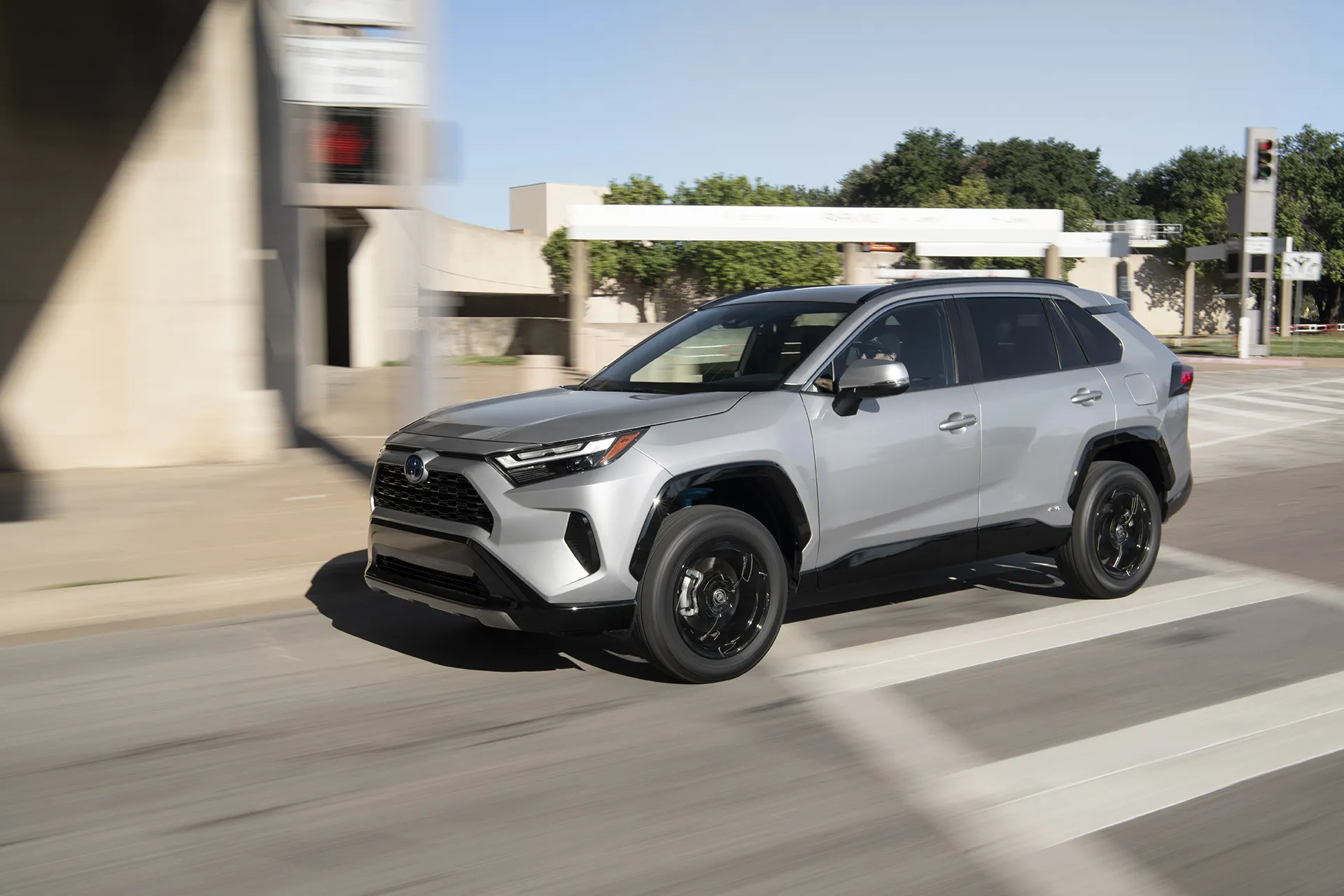
As drivers navigate the realm of fuel efficiency in SUVs, factors beyond mere size come into play. Considerations around innovation in propulsion systems and the technological marvels that enhance movement are central. These elements shape how drivers experience efficiency and economy on their journeys.
Evolution Under the Hood
The Synergy of Electric Assistance and Raw Output
When discussing the consumption metrics of modern utility vehicles, the transformation of electrification cannot be overlooked. A fascinating trend in recent automotive engineering is that battery assistance is no longer solely about enduring a lackluster driving experience for the sake of saving fuel. In many contemporary crossover models, the electrified variants offer significantly higher horsepower figures compared to their standard combustion counterparts. Electric motors excel at delivering instant torque, filling in the power gaps where traditional engines struggle, particularly during initial acceleration or low-speed maneuvers. This results in a drive that feels punchy and responsive while simultaneously elevating efficiency standards.
The Shift to Smaller, Smarter Combustion
Beyond electrification, the architecture of the internal combustion engine itself has undergone a radical downsizing philosophy. In previous decades, a vehicle with the stature of a family hauler required a large-displacement six or eight-cylinder engine to generate sufficient pull. Today, the industry standard has shifted rapidly toward smaller, four-cylinder units equipped with forced induction technology. The primary advantage of this engineering strategy is the reduction of weight and internal friction. By decreasing the physical size of the engine block and the number of moving parts, engineers can significantly reduce the energy wasted just keeping the engine running.
Battling Physics on the Open Road
Overcoming the Wall of Wind
No matter how advanced an engine becomes, it must still contend with the immutable laws of aerodynamics. While air resistance is negligible at low speeds, it grows exponentially as velocity increases, acting like an invisible barrier against the vehicle's forward motion. Utility vehicles, by their very nature, sit higher off the ground and possess larger frontal areas compared to sedans or coupes. This upright stance, while excellent for visibility and interior volume, forces the engine to expend a significant portion of its energy simply pushing air out of the way, especially at motorway speeds.
The boxy, rugged aesthetic that defines many capable off-roaders is inherently disadvantageous when it comes to slicing through the wind. To combat this, manufacturers are increasingly adopting "coupe-like" rooflines and active grille shutters that close when cooling is not required, thereby smoothing airflow around the nose of the car. These are not merely cosmetic choices; they are functional necessities designed to reduce the drag coefficient. A lower drag coefficient means the engine requires less throttle input to maintain cruising speeds, directly translating to lower consumption. Drivers noticing a shift toward smoother, rounder silhouettes in the segment are witnessing engineering's answer to the conflict between utility and aerodynamic efficiency.
| Design Feature | Impact on Airflow | Benefit to Efficiency |
|---|---|---|
| Squared-off Rear | Creates turbulence and drag (vacuum effect) behind the vehicle. | Lower efficiency at highway speeds, though maximizes cargo space. |
| Sloped Roofline | Allows air to detach smoothly from the vehicle body. | Reduces drag significantly, improving motorway consumption figures. |
| Active Grille Shutters | Blocks air from entering the engine bay when not needed. | Reduces internal turbulence and warms the engine faster, aiding efficiency. |
| Flat Underbody | Prevents air from getting trapped around axles and exhaust. | Minimizes under-car turbulence, contributing to stable and efficient cruising. |
The Heavy Impact of Mass
Alongside aerodynamics, the sheer mass of a vehicle is a primary antagonist to efficiency. Utility vehicles require robust frames to support higher ground clearances, larger suspension components, and often, the hardware for four-wheel drive. According to basic physics, moving a heavy object from a stationary position requires substantially more energy than keeping it moving once it is up to speed. This is why heavy vehicles suffer most in stop-and-go city traffic, where the driver is constantly fighting inertia to accelerate from traffic lights and junctions.
The Gap Between Estimates and Reality
Why the Sticker Numbers Vary
Consumers often find a discrepancy between the consumption figures advertised in brochures and the numbers displayed on their dashboard during daily use. This gap exists because official testing cycles are conducted in controlled laboratory environments that cannot perfectly replicate the chaotic variables of the real world. In a test facility, a vehicle does not face strict headwinds, extreme temperatures requiring heavy air conditioning use, or the added weight of a family of four plus luggage. In reality, adding passengers and cargo to a utility vehicle significantly alters its power-to-weight ratio, forcing the engine to work harder than it would with just a driver.
Topography also plays a massive role that standardized tests often smooth over. Driving through hilly terrain or mountainous regions destroys efficiency averages, as the engine battles gravity on every ascent. Even in hybrid models, long ascents can deplete the battery buffer, forcing the gasoline engine to carry the entire load, often at high RPMs. Therefore, the advertised figures should be viewed as a baseline for comparison between models rather than a guarantee of daily performance. Smart buyers anticipate this variance and budget for consumption that is slightly higher than the optimal laboratory rating.
The Driver’s Role in Consumption
The most variable component in the efficiency equation is the person behind the wheel. Advanced transmissions and engine management systems can only do so much to counteract aggressive driving habits. Rapid acceleration from a stoplight and hard braking at the next intersection is the quickest way to waste fuel. In high-riding vehicles, this effect is amplified due to the weight transfer and mass discussed earlier. Conversely, a driver who anticipates traffic flow, coasts toward red lights, and accelerates progressively can achieve figures that meet or even exceed official ratings.
For hybrid owners, the driving style dictates whether the system operates in its "sweet spot." "Pulse and glide" techniques—where the driver accelerates briskly to speed and then lifts off to let the electric motor maintain momentum—can drastically reduce reliance on the combustion engine. On the motorway, maintaining a steady speed is crucial; constant micro-adjustments to the throttle prevent the transmission from locking into its highest, most efficient gear. Ultimately, cultivating a smooth driving style is the most cost-effective upgrade a driver can make, costing nothing but attention while yielding tangible savings at the pump.
Making the Financial Equation Work
Selecting the Right Tool for the Job
The quest for efficiency begins before the engine is ever started; it starts on the dealership lot. Potential owners must critically assess their actual needs versus their aspirational lifestyle. A large, three-row vehicle with a heavy-duty four-wheel-drive system offers peace of mind for snow days and family road trips, but if the vehicle is primarily used for single-occupant commuting, the mechanical drag of the unused AWD system and the weight of the extra seats become permanent financial liabilities. Opting for a two-wheel-drive model or a smaller crossover can result in immediate and long-term savings if the extra capability is rarely utilized.
Calculating the Long-Term Break-Even Point
When choosing between a standard gasoline model and a more advanced hybrid or plug-in variant, the upfront cost is a major consideration. Advanced powertrains typically command a price premium. A savvy consumer must calculate the "break-even point"—the time it takes for the fuel savings to offset the higher initial purchase price. For high-mileage drivers who cover significant distances annually, this recovery period might be surprisingly short, making the advanced tech a sound investment. The accumulation of small savings per mile adds up quickly when the odometer spins rapidly.
However, for those with low annual mileage, the math changes. If a vehicle is driven only on weekends or for short local errands, it might take a decade or more to recoup the extra thousands spent on a hybrid system. In such cases, a simpler, less expensive standard engine might be the more economically rational choice overall, freeing up budget for maintenance or other expenses. Additionally, looking at the used market can disrupt this equation entirely; pre-owned efficient models often have the initial depreciation hit already absorbed, offering the technology at a price point that makes the return on investment immediate.
| Driver Profile | Recommended Powertrain | Rationale |
|---|---|---|
| The Urban Commuter | Full Hybrid (HEV) or Plug-in Hybrid (PHEV) | Maximizes electric driving in stop-and-go traffic; regenerative braking recoups energy frequent stops. |
| The Highway Cruiser | Diesel or Efficient Turbo-Petrol | Aerodynamics and constant speeds matter more; battery weight of hybrids may yield diminishing returns at high velocity. |
| The Weekend Warrior | Standard Gasoline AWD | Lower upfront cost creates better value if annual mileage is low; avoids complexity for infrequent use. |
| The Suburban Family | Plug-in Hybrid (PHEV) | Can handle school runs and shops purely on electric power, while retaining gas range for long holiday trips. |
Q&A
How does engine size impact the fuel economy of an SUV?
Larger engine sizes generally consume more fuel due to their increased power output, which can lead to lower fuel economy. However, advancements in technology have allowed some larger engines to become more efficient, though typically smaller engines still provide better fuel economy. It's important to balance engine size with your driving needs to optimize fuel efficiency.
What are the advantages of hybrid options for SUVs in terms of fuel economy?
Hybrid SUVs combine an internal combustion engine with an electric motor, which can significantly enhance fuel economy by using electric power at lower speeds and during idling. This reduces reliance on the fuel engine, leading to fewer emissions and cost savings on fuel over time. Hybrid options are particularly beneficial for city driving where frequent stopping and starting occur.
How do aerodynamics affect the real-world MPG of SUVs?
Aerodynamics play a crucial role in determining an SUV's fuel efficiency. Better aerodynamic design reduces air resistance, allowing the vehicle to move more smoothly and use less fuel at higher speeds. Manufacturers are increasingly focusing on aerodynamic enhancements to improve real-world MPG, such as streamlining body shapes and adding features like active grille shutters.
In what ways can driving habits influence the fuel economy of an SUV?
Driving habits have a significant impact on fuel economy. Aggressive driving, such as rapid acceleration and hard braking, can decrease MPG. Maintaining a steady speed, using cruise control on highways, and avoiding excessive idling can help improve an SUV's fuel efficiency. Additionally, regular maintenance like tire pressure checks and engine tune-ups can contribute to better fuel economy.
How can cost awareness influence decisions regarding SUV fuel economy?
Being cost-aware encourages consumers to consider the total cost of ownership, including fuel expenses, when choosing an SUV. Opting for models with better fuel economy, considering hybrid options, and understanding the long-term savings associated with lower fuel consumption can lead to more economically sound decisions. Additionally, government incentives for fuel-efficient vehicles can also sway purchasing decisions.