
Completing the purchase of a used vehicle is merely the first step in a critical administrative sequence. The subsequent process of legally transferring ownership and registering the vehicle is a formal procedure governed by specific regulations. This phase transforms a private agreement into a state-recognized change of possession, conferring legal rights and responsibilities upon the new owner. A thorough understanding and meticulous execution of this process is essential for ensuring uninterrupted, lawful operation of the vehicle.
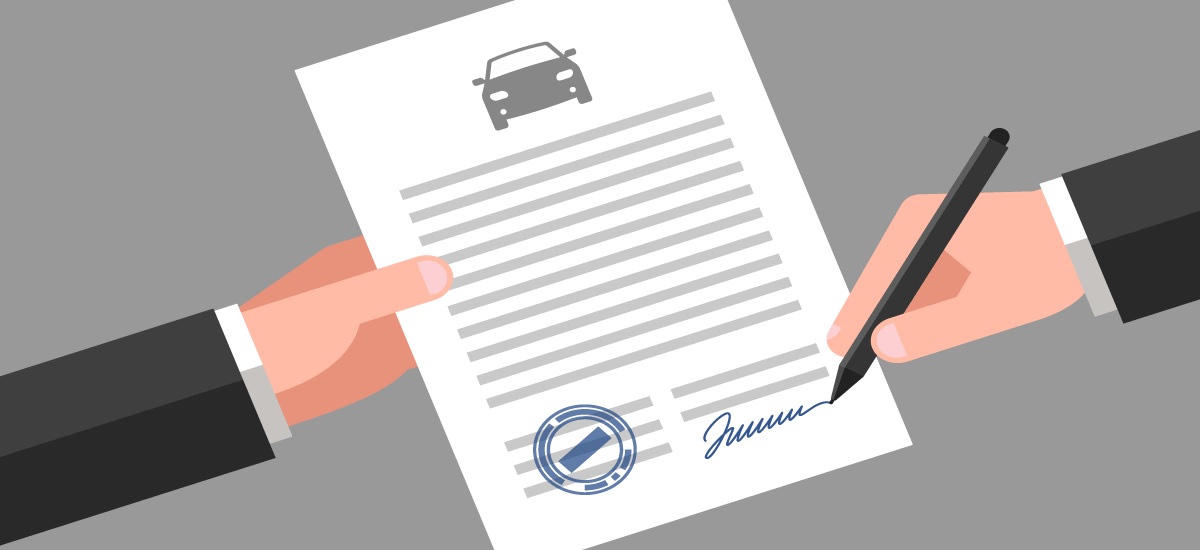
Completing the purchase of a used vehicle is merely the first step in a critical administrative sequence. The subsequent process of legally transferring ownership and registering the vehicle is a formal procedure governed by specific regulations. This phase transforms a private agreement into a state-recognized change of possession, conferring legal rights and responsibilities upon the new owner. A thorough understanding and meticulous execution of this process is essential for ensuring uninterrupted, lawful operation of the vehicle.
Foundational Prerequisites for Legal Transfer
Before approaching the licensing authority, a prospective owner must gather and validate a specific set of documents. These items serve as proof of the transaction's legitimacy, the vehicle's identity, and the seller's right to transfer ownership.
Assembling the Core Documentary Package
The cornerstone of a successful transfer is impeccable document preparation. The absolute requirement is the vehicle's title, properly assigned by the seller. The seller must sign the title in the designated area, exactly as their name appears on the front of the document, and provide the odometer disclosure statement. Any error, such as a missing signature or an incorrect odometer reading, can invalidate the title and halt the process. A bill of sale, while sometimes supplementary, is a powerful piece of evidence. It should detail the vehicle identification number (VIN), the sale date, the sale price, and the printed names and signatures of both parties. For the buyer, proof of identity (such as a driver's license) and proof of residence are standard registration requirements. In many jurisdictions, proof of valid insurance for the specific vehicle is a mandatory prerequisite for registration, not an option to be secured afterward.
Verifying Legal Standing and Pre-Existing Conditions
Prior to finalizing the purchase, a buyer should conduct due diligence to prevent insurmountable common delays. A primary check is for undisclosed liens. A lien is a legal claim by a lender, and a title cannot be transferred until the lien is satisfied and released. While a visual check of the title for a lienholder's name is a start, a formal lien search through the relevant motor vehicle agency or a third-party service provides certainty. Another pre-emptive step is verifying the vehicle's compliance status. If the region requires periodic safety or emissions inspections, the buyer must confirm the vehicle has a valid, passing inspection certificate or factor the cost and effort of obtaining one into their purchase decision and timeline. Discovering non-compliance after purchase shifts the burden and expense of remediation entirely to the buyer.
Executing the Transfer and Understanding Costs
With documents in hand, the buyer proceeds to the official transaction at the motor vehicle office. This stage involves interacting with government systems, adhering to deadlines, and understanding the fees that fund the registration and titling system.
Navigating Official Procedures and Deadlines
Jurisdictions impose specific transfer timelines for registering a newly purchased vehicle. These deadlines, often ranging from a few days to a month from the date of purchase, are legally binding. Operating an unregistered vehicle beyond this grace period can result in citations, fines, and complications with insurance coverage. The process at the agency typically involves submitting the complete document package, completing an application for title and registration, and paying the required fees. The clerk will process the paperwork, often electronically verifying the VIN against databases for theft or other flags. Upon successful processing, the buyer receives new registration documents, license plates or a temporary permit, and a receipt indicating that a new title is being issued and mailed. Understanding and adhering to this timeline is a basic compliance checklist item.
Deciphering the Structure of Government Fees
The total cost of transfer is rarely a single, simple fee. Understanding the fee structures is important for accurate budgeting. These fees are typically comprised of several components. A title transfer fee is charged for the administrative cost of issuing a new certificate of ownership. Registration fees are often based on the vehicle's age, weight, or value, and are usually charged on an annual or biennial basis. Sales tax or use tax is calculated on the purchase price or the assessed market value of the vehicle; the bill of sale is the primary document used for this calculation. There may also be specific plate fees, electronic filing fees, and potentially local county or municipal surcharges. These costs are non-negotiable and must be paid in full to complete the registration.
Anticipating and Mitigating Common Obstacles
Even with preparation, the registration process can encounter hurdles. Proactive identification of potential issues is the best strategy for a smooth experience.
Identifying Frequent Sources of Administrative Friction
Several predictable issues account for the majority of common delays. Title problems are the most frequent. A missing or incorrectly signed title, a title from a different jurisdiction that requires additional verification, or a "branded" title (e.g., salvage, rebuilt) that triggers extra scrutiny can all prolong the process. Outstanding financial obligations, such as unpaid parking tickets or toll violations attached to the vehicle (not the owner), can also block registration until they are cleared. If the vehicle is being registered in a new jurisdiction with different registration requirements—such as stricter emissions standards—it may fail to qualify, requiring modifications before it can be registered. Being aware of these potential pitfalls allows a buyer to investigate and address them before they become last-minute crises.
Implementing a Proactive Verification Strategy
The most effective way to ensure a smooth transfer is to employ a systematic compliance checklist before payment changes hands. This checklist should include: verifying the title's authenticity and the seller's identity match; confirming there are no liens via an official search; checking for any reported theft or total loss history on the vehicle; researching the specific registration and inspection requirements for your location; and obtaining a pre-purchase vehicle history report. For interstate purchases, additional research is crucial to understand how the vehicle must be modified or inspected to meet the destination's standards. This proactive verification transforms the registration process from a hopeful gamble into a predictable, administrative formality.
Completing the Process and Ensuring Ongoing Compliance
Finalizing the registration is not the end of administrative responsibility. New owners must understand their ongoing obligations to maintain legal status.
Securing Proof and Understanding Next Steps
Upon successful submission at the motor vehicle office, the buyer will receive immediate proof of registration, often in the form of a temporary permit or registration card, and new license plates or stickers. The official certificate of title may be mailed separately within several weeks. It is critical to review all documents for accuracy immediately—checking for correct spelling of names, address, and VIN. Any errors should be corrected on the spot to avoid future complications. The buyer should also understand the renewal cycle for their registration and any requirements for annual inspections, setting reminders to avoid lapses that could lead to penalties.
Maintaining Legal Status Through the Ownership Period
Ownership brings continuous compliance duties. These include renewing the vehicle's registration before its expiration date, maintaining the mandatory insurance coverage, and ensuring the vehicle passes any required periodic safety or emissions inspections. The registration documents and proof of insurance should be kept in the vehicle as required by law. Additionally, any change of address or name must be promptly reported to the motor vehicle agency to ensure all records are current, which is vital for receiving renewal notices and official correspondence. Viewing registration not as a one-time event but as an ongoing condition of ownership is key to avoiding legal and financial headaches.
Q&A
Q: What are the absolute mandatory documents I need to register a used car I just bought?
A: Core registration requirements typically include: the properly signed-off vehicle title from the seller, a completed bill of sale, your government-issued photo ID, proof of residency, and proof of active insurance on that specific vehicle. Always check your local motor vehicle agency's website for an exact list, as requirements can vary.
Q: How long do I typically have to register a car after buying it?
A: Transfer timelines are set by local law and are strict. They commonly range from 10 to 30 days from the date of purchase. Driving an unregistered vehicle beyond this grace period risks fines, tickets, and may void your insurance coverage. It is crucial to know and adhere to your specific deadline.
Q: What are the most common reasons for a registration delay at the DMV?
A: The most frequent common delays stem from title issues (improper signatures, liens, out-of-state titles), discrepancies in the bill of sale, lack of required insurance proof, or the vehicle not meeting local compliance rules like emissions standards. Having an incomplete document package is the primary cause of preventable delays.
Q: What fees should I expect to pay when registering a used car?
A: Expect a multi-part fee structure. This usually includes a title transfer fee, an annual registration fee (often based on vehicle value/age), sales or use tax on the purchase price, and possible charges for new license plates and filing. The total can be a significant percentage of the car's purchase price.
Q: Is there a checklist I can use before buying to ensure a smooth registration?
A: Yes, a vital compliance checklist includes: verify the seller's name on the title matches their ID; ensure the title has no liens; confirm the vehicle has a passing inspection certificate if required; research your local registration rules; and get a vehicle history report. Doing this before paying prevents most major registration hurdles.