
In the evolving landscape of automotive businesses, a hidden gem propels financial health and growth. Rather than focusing solely on front-end activities, a subtle yet significant force lies backstage, revolutionizing operational frameworks. Dealerships are increasingly leaning on this robust powerhouse to enhance economic resilience and foster sustained success.
The Anchor of Economic Resilience
Stabilizing Revenue Streams Amidst Market Fluctuations
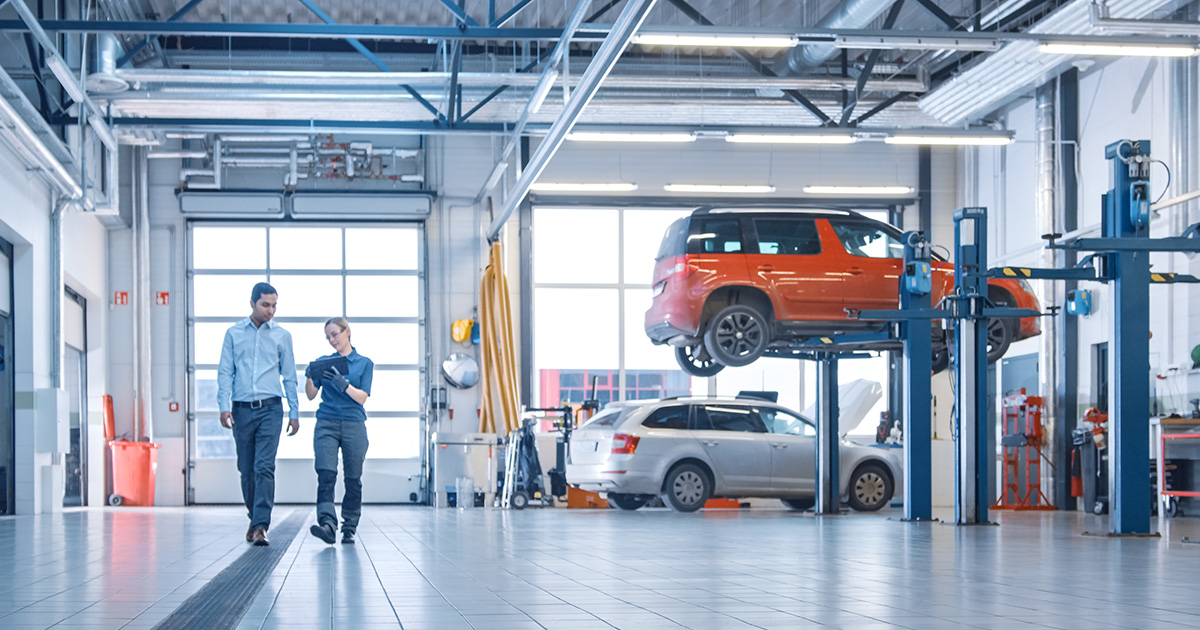
When most people picture a car dealership, they envision a gleaming showroom filled with the latest models and enthusiastic sales professionals. However, the true financial backbone of the business is often located behind the showroom doors: the service bays and component logistics centers. Vehicle sales volumes are notoriously volatile, heavily influenced by broader economic trends, the timing of new model releases, and seasonal shifts in consumer demand. A slow month in the showroom can severely impact the dealership's cash flow if the business relies too heavily on moving metal.
In contrast, the "back of the house" operates on a different dynamic. Once a vehicle is sold, it enters a lifecycle requiring consistent maintenance, mandatory inspections, repairs, and consumable replacements. This demand remains relatively constant regardless of whether the economy is booming or slowing down. Consequently, this operational wing acts as a stabilizer—an anchor—that holds the business steady. By focusing on maximizing the throughput of maintenance work, dealership leadership can smooth out the peaks and valleys of retail sales performance. This stability is not merely a safety net; it is a primary driver of long-term solvency, ensuring that the business remains profitable even when the sales floor is quiet.
Maximizing Cost Absorption for Risk Mitigation
A critical metric in the automotive industry is the concept of covering fixed costs entirely through the gross profit generated by non-sales departments. This encompasses rent, utilities, insurance, and administrative salaries. In high-performing dealerships, the goal is to achieve a state where, theoretically, the business would break even or remain profitable even if not a single car were sold in a given month. This is achieved by optimizing the margins and volume of repair work and component sales.
When the service and parts sectors are treated as independent profit centers rather than just support functions for vehicle sales, the entire risk profile of the dealership changes. High absorption capabilities mean that every dollar generated from a vehicle sale becomes pure net profit, rather than being eaten up by operational overhead. To achieve this, management must scrutinize every aspect of the operation, from the pricing matrix of minor repairs to the inventory turn rate of the parts warehouse. It transforms the business model from one dependent on high-stakes sales transactions to one built on the reliable, recurring revenue of a well-oiled service machine. This shift is the fundamental difference between a dealership that merely survives market downturns and one that thrives through them.
Cultivating Long-Term Loyalty Through Service
Building Trust Through Frequent Touchpoints
The interaction between a customer and the sales department is a rare event, typically occurring once every three to five years. In contrast, the relationship with the service lane is frequent and ongoing. A vehicle owner may visit for oil changes, tire rotations, or seasonal check-ups multiple times a year. It is during these routine visits that the true bond between the brand and the consumer is forged. The service advisor, not the salesperson, becomes the face of the dealership, holding the power to solidify or shatter customer loyalty.
When a customer receives transparent advice and efficient care, they develop a sense of security regarding their vehicle's condition. This trust is the most potent marketing tool available. If a dealership can demonstrate integrity in maintaining a current vehicle—preventing breakdowns and ensuring safety—the customer is statistically far more likely to purchase their next vehicle from the same location. Therefore, the service drive is not just a repair facility; it is a fertile ground for planting the seeds of future sales. Every successful repair order is essentially a retention strategy that keeps the customer within the dealership’s ecosystem, preventing them from defecting to independent shops or competing brands.
| Feature | Transactional Approach (Sales-Focused) | Relational Approach (Service-Focused) |
|---|---|---|
| Primary Goal | Close the immediate deal and move inventory. | Ensure vehicle longevity and customer safety over time. |
| Customer Contact | Infrequent (Every 3-5 years). | Frequent (2-3 times per year). |
| Trust Factor | Based on price negotiation and product appeal. | Based on technical expertise and consistent reliability. |
| Revenue Model | High value, low frequency (spikes). | Lower value, high frequency (recurring). |
| Outcome | One-time revenue event. | Lifetime customer value and future referral generation. |
Personalizing the Ownership Experience
Modern consumers demand more than generic service; they expect a personalized experience that acknowledges their specific vehicle history and usage patterns. To maximize retention, operations must move beyond reactive repairs to proactive, data-driven consulting. utilizing CRM data to remind a customer that their specific tires are due for replacement based on mileage, or that a warranty they purchased is about to expire, demonstrates a level of care that generic aftermarket shops often struggle to match.
Furthermore, integrating service contracts and protection plans—such as tire and wheel protection or extended mechanical coverage—creates a tangible "reason to return." When a customer knows that a pothole damage repair is covered fast and free at their home dealership, they have no incentive to go elsewhere. These programs act as a magnetic force, pulling the customer back into the service lane. Additionally, how a dealership handles recalls can turn a negative manufacturer error into a positive loyalty-building event. By proactively reaching out to lapsed customers to perform safety recalls, the service department reconnects with lost owners, bringing them back into the fold and reigniting the relationship.
Streamlining Workflows for Peak Performance
Eliminating Friction in the Repair Process
The productivity of the shop floor is directly tied to the environment created for the technical staff. Even the most skilled master technician cannot produce billable hours if they are stuck waiting for parts or walking back and forth to the advisor's desk for clarifications. These "hidden hours"—time lost to inefficiency—are the silent killers of shop profitability. Managers must conduct rigorous audits of the physical and digital workflows to identify these bottlenecks.
Simple physical changes, such as staging necessary oil filters and gaskets at the lift before the technician even pulls the car in, can dramatically increase the number of vehicles serviced in a day. Moreover, the flow of information must be seamless. The antiquated method of walking paper repair orders between departments creates lag and errors. Implementing robust digital communication platforms allows technicians to request parts, send video evidence of required repairs to advisors, and receive customer approval in real-time via tablets. This keeps the technician in their bay, tools in hand, focused on the vehicle. When the friction of administrative tasks is removed, efficiency soars, and the capacity of the existing facility expands without the need for new construction.
Optimizing Human Capital and Workspace
Efficiency is not merely about speed; it is about creating a sustainable work environment that retains top talent. The automotive industry faces a chronic shortage of skilled labor, making the retention of technicians a top priority. A disorganized, cluttered, or inefficient shop leads to frustration and burnout. Conversely, a workspace that is clean, well-lit, and logically organized empowers technicians to perform at their best.
Investing in the "quality of life" for the back-end staff directly correlates to output quality. When workflows are integrated—such as parts inventory systems talking directly to the service scheduling software—staff experience less stress and fewer conflicts. This smooth operation fosters a sense of professional pride. Furthermore, reducing the need for "re-work" (fixing a repair that wasn't done right the first time) is crucial. By providing easy access to training and ensuring special tools are organized and available, the dealership ensures that the first attempt is the final attempt. This not only keeps the bays open for new paying work but also protects the dealership's reputation.
Adapting Collision Repair for the Modern Era
Navigating the Shift to High-Tech Repair
The collision repair sector is undergoing a seismic shift driven by vehicle complexity. The days when a body shop could rely solely on metal straightening and basic painting skills are over. The widespread adoption of Advanced Driver Assistance Systems (ADAS) and the rise of Electric Vehicles (EVs) have transformed collision centers into high-tech laboratories. A minor fender bender now often requires recalibrating sensitive radar sensors and cameras, necessitating sophisticated digital diagnostic tools and specialized target systems.
To remain competitive, collision centers must pivot their investment strategies. This involves creating dedicated spaces for sensor calibration, which require specific lighting and floor leveling, and installing EV-safe isolation bays. Ignoring these requirements is not an option; failing to properly calibrate safety systems renders a vehicle unsafe. Therefore, the modern collision manager must be as versed in software and electronics as they are in structural repair. Continuous training is essential to keep staff updated on the rapidly changing OEM repair procedures. Facilities that embrace these technological demands position themselves as leaders in safety and quality, distinguishing themselves from shops that lag in capability.
| Aspect | Traditional Body Shop Model | Modern Collision Center Model |
|---|---|---|
| Core Competency | Metalworking, welding, and painting. | Electronic diagnostics, ADAS calibration, and software scanning. |
| Equipment Focus | Frame machines and spray booths. | Digital scanners, aiming targets, and EV isolation tools. |
| Repair Standard | Visual aesthetics and panel alignment. | OEM procedure compliance and sensor functionality. |
| Environmental | Solvent-based paints, high waste. | Water-borne paints, lean waste management, sustainable processes. |
| Workflow | Linear, often stalled by hidden damage. | Blueprinting, teardown-first, continuous flow. |
Sustainability and Process Standardization
Beyond technology, the operational processes within collision centers are being refined to match the efficiency of large Multi-Shop Operators (MSOs). Independent dealers and centers are adopting "kitting" strategies, where all necessary parts, clips, and materials for a specific job are organized into a single cart before the vehicle enters the production line. This mimics assembly line efficiency, reducing the downtime technicians spend searching for materials.
Simultaneously, environmental considerations are reshaping the paint department. The transition to water-borne paints and low-VOC (Volatile Organic Compound) materials is becoming standard, driven by both regulation and corporate responsibility. These systems, while requiring initial investment in airflow and drying equipment, offer superior color matching and a healthier work environment for painters. Furthermore, minimizing waste through computerized paint mixing systems reduces material costs significantly. By marketing these sustainable practices, collision centers can appeal to eco-conscious consumers and insurance partners, adding another layer of value to their brand while optimizing their bottom line.
Q&A
How can the Parts Department improve its profitability?
- The Parts Department can enhance profitability by optimizing inventory management, reducing excess stock, and negotiating better terms with suppliers. Implementing a pricing strategy that reflects market demand and regularly reviewing sales data to adjust stock levels accordingly can also contribute to increased profitability.
What strategies can be employed to boost service customer retention?
- To boost service customer retention, focus on providing exceptional customer service, offering loyalty programs, and maintaining transparent communication regarding service timelines and costs. Additionally, following up with customers post-service to ensure satisfaction and encouraging feedback can foster long-term relationships.
What are key aspects of effective Collision Center Management?
- Effective Collision Center Management involves maintaining a well-organized workflow, ensuring compliance with safety regulations, and implementing quality control measures. Investing in employee training and utilizing technology for accurate damage assessments can further enhance efficiency and customer satisfaction.
How can Technician Efficiency be maximized in a service department?
- Maximizing Technician Efficiency can be achieved by providing ongoing training, ensuring access to the latest diagnostic tools, and fostering a collaborative work environment. Streamlining job assignments and minimizing downtime through effective scheduling are also critical for enhancing efficiency.
What practices are essential for efficient Warranty Claim Processing?
- Efficient Warranty Claim Processing requires thorough documentation, understanding manufacturer guidelines, and utilizing specialized software to track claims. Regular training on warranty policies and maintaining open communication with manufacturers can also expedite the process and reduce errors.
How can a shop improve its Capacity Utilization?
- Improving shop capacity utilization involves optimizing scheduling to minimize idle time, investing in equipment that can handle more work, and cross-training staff to perform multiple roles. Analyzing workflow bottlenecks and implementing lean management techniques can also increase overall efficiency.