
The majority of new vehicles and a significant portion of certified pre-owned cars are sold through a network of franchised retail locations. These businesses operate under a formal legal agreement with an automotive manufacturer, creating a symbiotic relationship that defines the modern car-buying experience. This model provides a standardized, brand-focused environment for consumers but operates within a complex framework of corporate mandates, local business autonomy, and intense market competition.
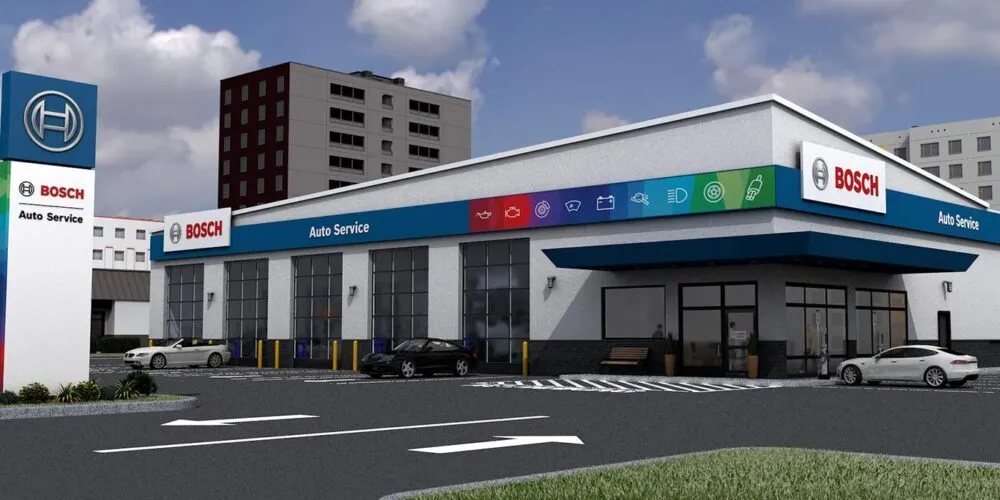
The majority of new vehicles and a significant portion of certified pre-owned cars are sold through a network of franchised retail locations. These businesses operate under a formal legal agreement with an automotive manufacturer, creating a symbiotic relationship that defines the modern car-buying experience. This model provides a standardized, brand-focused environment for consumers but operates within a complex framework of corporate mandates, local business autonomy, and intense market competition.
The Franchise Agreement and Brand Partnership
The core of a franchise dealership's identity is its contractual relationship with an Original Equipment Manufacturer (OEM). This agreement grants specific rights and imposes significant obligations, shaping nearly every aspect of the business.
The Legal and Operational Framework of the Franchise
A franchise agreement is a comprehensive legal document that authorizes a dealer to sell and service a specific brand's vehicles within a defined geographic area. In return, the dealer, known as the franchisee, agrees to a multitude of requirements set by the manufacturer, or franchisor. These mandates are designed to uphold the brand's image and ensure customer satisfaction. They typically include adherence to strict facility image standards, requiring significant capital investment in architecture, signage, and showroom design. Dealers must also meet sales and customer satisfaction performance targets, maintain specific levels of inventory (both new vehicles and parts), employ factory-trained technicians, and use proprietary diagnostic tools and software. This relationship is not one of employer-employee; the dealer is an independent business owner. However, the manufacturer exerts considerable control over operations, creating a constant dynamic of collaboration and, at times, tension, particularly over issues like inventory allocation, incentive programs, and facility upgrade costs.
The Dual Role: Retailer and Brand Ambassador
A manufacturer affiliated dealer serves two primary masters: its own bottom line and the brand it represents. As a retailer, its goal is to profit from selling vehicles, financing, insurance, and service. As a brand ambassador, it is the physical embodiment of the automaker's promise to the customer. This dual role is evident in every customer touchpoint. The sales process is designed to reflect the brand's values—whether that's luxury, performance, or value. The service department is not just a repair shop; it is the authorized brand store for maintenance and warranty work, staffed with specialists who have direct access to OEM technical updates and genuine parts. This creates a consistent, brand-specific experience whether a customer is in one city or another, buying from a corporate auto retailer that may own multiple franchises or a single-point family-owned store. The customer benefits from this standardization through predictable service quality and direct access to manufacturer resources like recalls and certified pre-owned programs.
The Comprehensive Service and Support Structure
A key differentiator for franchise stores is their vertically integrated service model. They are not merely sales outlets but full-service hubs for the vehicle's entire ownership lifecycle.
The Authorized Service and Parts Ecosystem
The service department at an OEM sales location is a core profit center and a critical customer retention tool. It operates as the exclusive or primary channel for warranty repairs and recall campaigns, with labor and parts costs reimbursed by the manufacturer at predetermined rates. Technicians undergo continuous, brand-specific training and certification to maintain expertise on complex, evolving systems like hybrid drivetrains, advanced driver-assistance systems (ADAS), and infotainment software. The parts department stocks genuine OEM components, ensuring repairs meet factory specifications. This authorized ecosystem is a major value proposition for new car buyers and those purchasing Certified Pre-Owned (CPO) vehicles, as it guarantees repairs are performed to the manufacturer's standard using approved parts. For consumers, it offers peace of mind but often at a premium cost compared to independent repair shops.
Financial Services and Brand-Specific Programs
The Finance & Insurance (F&I) office within a franchise dealership is a sophisticated operation with direct ties to the manufacturer's captive finance arm (e.g., Toyota Financial Services, Ford Credit). These factory linked retail financial institutions provide competitive lease and loan programs specifically incentivized to move the brand's inventory. Dealers can offer special subvented rates (below-market interest rates funded by the manufacturer) and lease terms that are unavailable from external banks. Furthermore, franchise stores are the exclusive distributors of brand-specific extended warranties and maintenance plans. They also manage the intake and reconditioning of vehicles for the manufacturer's CPO program, adding a backed warranty and rigorous inspection to a used car, which enhances its value and appeal. This integrated financial and vehicle lifecycle management is a complex advantage that purely independent lots cannot replicate.
Market Dynamics and the Consumer Experience
Buying from a franchise dealer involves navigating a retail environment shaped by manufacturer policies, regional competition, and the dealer's own business strategies.
Pricing, Incentives, and Inventory Management
The pricing of a new vehicle at a brand licensed auto store is influenced by a multi-layered system. The Manufacturer's Suggested Retail Price (MSRP) is set by the automaker. However, the dealer's actual cost is the invoice price, minus potential holdback (a percentage of MSRP or invoice price returned to the dealer by the manufacturer quarterly) and factory-to-dealer incentives (cash bonuses for selling specific models or meeting volume targets). Customers may also benefit from direct factory-to-consumer rebates. This structure means there is almost always room for negotiation below MSRP, with the dealer's true margin often opaque to the buyer. Inventory is not fully at the dealer's discretion; they submit "orders" to the factory, but final allocation is controlled by the manufacturer based on regional sales performance and production schedules. This can lead to shortages of high-demand models and pressure to sell less popular ones.
The Standardized Yet Variable Sales Process
The sales process at a franchise dealership is designed to be systematic, often following a scripted methodology trained by the manufacturer. This includes the initial meet-and-greet, needs assessment, vehicle demonstration, test drive, and negotiation in the sales manager's office. While standardized, the experience can vary dramatically based on the dealership's culture—from high-pressure "volume stores" focused on quick turnover to lower-volume stores emphasizing relationship building. A significant advantage for the consumer is greater recourse and accountability. Issues with the sale or vehicle can be escalated through the dealership's management, the manufacturer's regional representative, and in some cases, voluntary arbitration programs like the Better Business Bureau's Auto Line. This chain of accountability, while not perfect, provides more avenues for dispute resolution than with most independent sellers.
The Evolving Role in an Omni-Channel Market
Franchise dealers are under pressure from digital disruptors and changing consumer expectations, leading to a significant evolution in their business practices.
Adapting to Digital Retail and Direct Sales Models
The rise of online car buying and the direct-to-consumer models of brands like Tesla and Rivian are forcing traditional corporate auto retailers to adapt. Most now offer robust online platforms where customers can view inventory, calculate payments, value trade-ins, and sometimes even start credit applications. The concept of "click and collect" or "home delivery" is becoming more common, where the bulk of the transaction is handled digitally, with the dealership acting as the fulfillment and service center. Manufacturers are also experimenting with agency models, where the dealer becomes an agent for a fixed-fee delivery and service, while the manufacturer sets the non-negotiable retail price and owns the customer relationship. This ongoing shift aims to combine the efficiency and transparency of online retail with the localized test drive, service, and support of a physical franchise location.
Enduring Strengths and Future Challenges
Despite market changes, the franchise model's core strengths remain: localized service and support, immediate access to inventory for test drives, expertise in complex brand-specific technology, and a physical location for warranty and repair work. The model's future will likely involve a tighter integration of digital and physical experiences. Dealers will increasingly function as brand experience and service hubs, while handling less of the traditional negotiation-focused sales process. For the consumer, this evolution promises a more transparent and convenient purchasing journey while maintaining access to the essential technical support and community presence that have long been the hallmarks of the manufacturer affiliated dealer.
Q&A
Q: What is the main advantage of buying from a franchise dealer versus an independent lot?
A: The primary advantage is access to the manufacturer's ecosystem. This includes new and certified pre-owned (CPO) vehicles with factory-backed warranties, genuine OEM parts, manufacturer-trained technicians for service, and direct support channels (like a regional corporate office) if major issues arise. You are buying into a standardized brand experience with established accountability.
Q: Are prices at franchise dealerships negotiable?
A: Yes, typically they are, especially on new vehicles. While there is an MSRP, dealers pay an invoice price and may receive factory incentives. The difference between invoice (plus a small profit) and MSRP is often negotiable. However, some brands or high-demand models may be sold at or above MSRP with little room for negotiation. Always research the fair market price beforehand.
Q: What is a "captive finance company" and is their financing better?
A: A captive finance company is owned by the automaker (e.g., GM Financial, Honda Financial Services). They often offer promotional rates on new models (like 0% or 0.9% APR) that are subsidized by the manufacturer to drive sales. These can be excellent deals if you qualify. For standard financing, it's still wise to get a pre-approval from a bank or credit union to compare rates.
Q: How does the Certified Pre-Owned (CPO) program work at a franchise store?
A: A CPO vehicle is a used car that meets the manufacturer's strict criteria for age, mileage, and condition. The franchise dealer inspects and reconditions it using OEM parts. The manufacturer then backs it with an extended warranty that is typically more comprehensive than third-party warranties. This program is a major franchise advantage, offering near-new car assurance on a used vehicle.
Q: Can I service my car at any franchise dealership for my brand, or only where I bought it?
A: You can service your vehicle at any authorized dealership for that brand, nationwide. Your warranty and any CPO warranty are valid across the entire franchise network. This is a significant benefit for travel or if you move. Service records are usually tracked in a national database accessible to all dealers of that brand.