
Maintenance costs, service intervals, brake longevity, battery maintenance, and repair expenses all shape the real-world ownership experience. While hybrid vehicles use more complex technology than conventional cars, that complexity does not automatically translate into higher upkeep or greater inconvenience.In practice, hybrid maintenance reflects a balance between traditional automotive service and newer electric components. Understanding how these elements work together helps consumers make informed decisions and set realistic expectations about costs, reliability, and dealer support over the life of the vehicle.
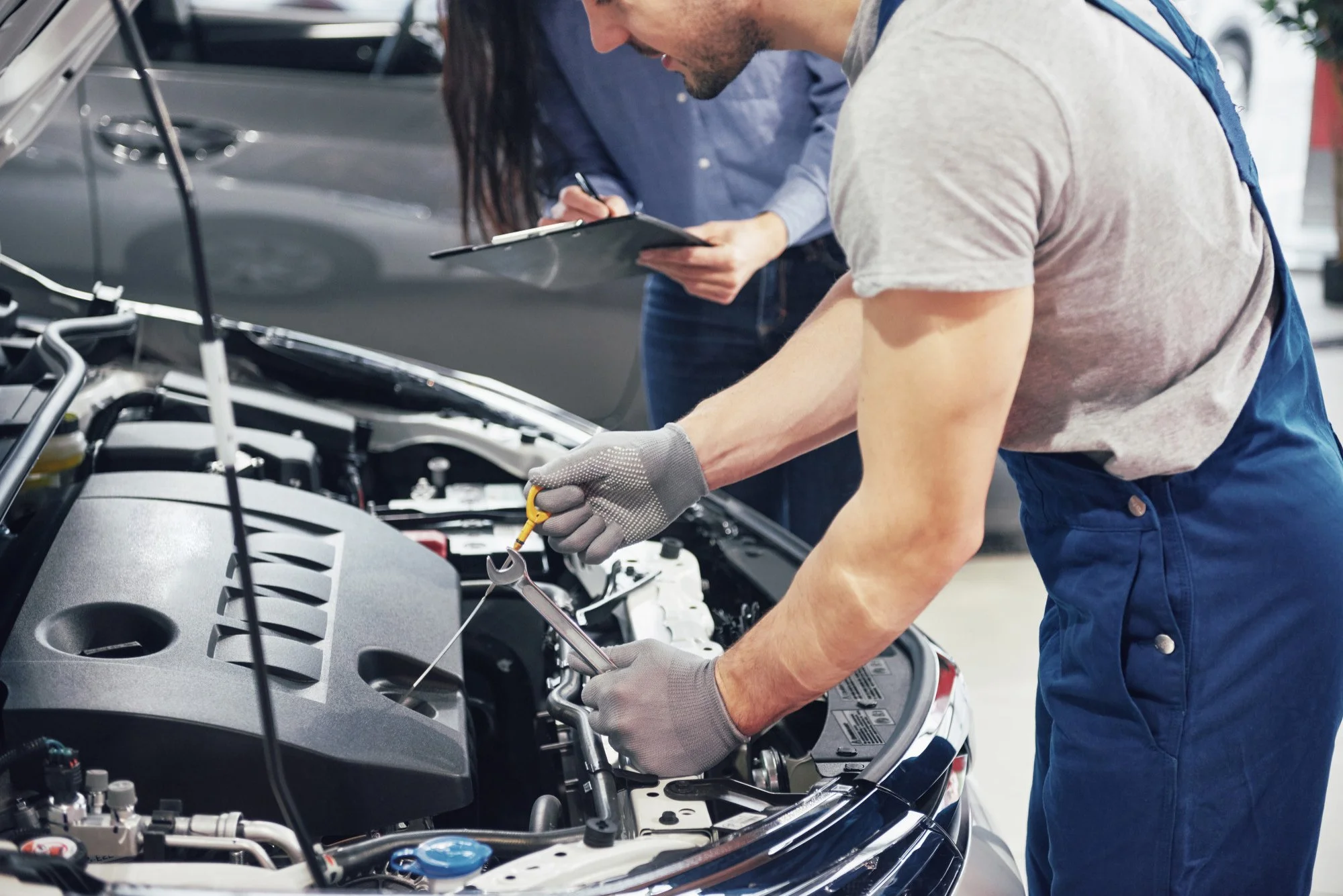
Maintenance costs, service intervals, brake longevity, battery maintenance, and repair expenses all shape the real-world ownership experience. While hybrid vehicles use more complex technology than conventional cars, that complexity does not automatically translate into higher upkeep or greater inconvenience.In practice, hybrid maintenance reflects a balance between traditional automotive service and newer electric components. Understanding how these elements work together helps consumers make informed decisions and set realistic expectations about costs, reliability, and dealer support over the life of the vehicle.
Hybrid Maintenance Costs Explained
What Makes Hybrid Maintenance Different
Hybrid maintenance costs differ from those of conventional gasoline cars primarily because hybrids combine two power systems. Alongside the gasoline engine, there is an electric motor, battery pack, and control electronics. Each of these components plays a role in overall maintenance requirements.
However, hybrid systems are designed to reduce stress on individual parts. The gasoline engine often runs less frequently or under more efficient conditions, which can reduce wear over time. Electric motors have fewer moving parts than engines, contributing to their durability and low maintenance needs.
As a result, hybrid maintenance is not simply additive. Instead of doubling service requirements, the system redistributes workload across components.
Common Misconceptions About Cost
A common misconception is that hybrid cars are inherently expensive to maintain. This belief often stems from unfamiliarity with hybrid technology rather than actual ownership experience.
Routine services such as oil changes, inspections, and fluid checks remain similar to those of conventional vehicles. While some specialized components exist, they are not typically serviced frequently. For many owners, overall maintenance costs are comparable to, or even lower than, traditional cars during everyday use.
Understanding the nature of hybrid systems helps dispel the assumption that advanced technology always leads to higher expenses.
Service Intervals and Routine Care
Scheduled Maintenance Needs
Service intervals for hybrid vehicles generally follow familiar patterns. Regular inspections, oil changes for the gasoline engine, and system checks are part of standard maintenance schedules.
Because hybrid engines often operate more efficiently and spend less time idling, oil and engine components may experience reduced strain. This can support consistent performance between services without increasing maintenance frequency.
Manufacturers design service schedules to reflect real-world driving conditions, ensuring that routine care remains predictable and manageable for owners.
Monitoring Hybrid-Specific Systems
In addition to traditional maintenance tasks, hybrid vehicles include system checks for electric components. These checks are typically performed during scheduled service visits and do not require separate appointments.
The vehicle’s onboard diagnostics continuously monitor battery health, power electronics, and system integration. This proactive monitoring allows potential issues to be identified early, often before they affect driving performance.
For owners, this means fewer surprises and a maintenance experience that feels structured rather than complicated.
Brake Longevity and Reduced Wear
How Regenerative Braking Extends Brake Life
Brake longevity is one of the most tangible maintenance advantages of hybrid cars. Most hybrids use regenerative braking, which allows the electric motor to slow the vehicle while capturing energy for the battery.
Because regenerative braking handles much of the deceleration, traditional friction brakes are used less frequently. This reduced usage leads to slower wear on brake pads and rotors.
Over time, longer brake life can significantly reduce maintenance visits and associated costs, particularly for drivers who spend a lot of time in urban or stop-and-go traffic.
Driving Habits and Brake Performance
Hybrid driving characteristics encourage smoother acceleration and deceleration. This driving style further contributes to brake longevity and consistent performance.
Drivers often notice that brake systems feel different at first, as regenerative braking alters pedal response slightly. With familiarity, most drivers adapt quickly and appreciate the smoothness and efficiency of the system.
This combination of technology and driving behavior reinforces the long-term durability of braking components.
Battery Maintenance and Care
Understanding Hybrid Battery Systems
Hybrid batteries are designed for durability and long-term use. Unlike smaller consumer electronics batteries, these systems are engineered to operate within controlled conditions that protect their lifespan.
Thermal management systems regulate temperature, while software controls charging and discharging to avoid excessive stress. These protections mean that hybrid batteries typically require little to no routine maintenance from the owner.
For most drivers, battery care involves nothing more than normal vehicle use and scheduled inspections.
Owner Responsibilities and Realistic Expectations
Hybrid owners are not expected to perform hands-on battery maintenance. The system is sealed and managed automatically by the vehicle’s control units.
What matters most is following recommended service schedules and addressing warning messages promptly if they appear. Routine inspections during dealer visits help ensure the battery remains within optimal operating parameters.
This hands-off approach makes hybrid battery ownership less intimidating than many first-time buyers expect.
Dealer Support and Specialized Service
Importance of Trained Technicians
Dealer support plays a crucial role in hybrid ownership. Authorized dealers employ technicians trained specifically in hybrid systems, ensuring proper diagnostics and repairs.
These technicians understand both conventional automotive components and high-voltage electric systems. Their training allows them to service hybrid vehicles safely and efficiently.
For owners, access to qualified service professionals provides peace of mind and helps maintain long-term reliability.
Availability of Service Networks
In both the US and UK, hybrid vehicles are widely supported by established dealer networks. As hybrid technology has become more common, service availability has expanded accordingly.
Independent repair shops increasingly offer hybrid services as well, though many owners prefer dealer support for complex system work. This growing ecosystem ensures that hybrid maintenance does not limit mobility or convenience.
Strong service infrastructure is a key factor in making hybrids practical for long-term ownership.
Repair Expenses and Cost Management
Understanding Potential Repair Costs
Repair expenses for hybrid vehicles can vary depending on the component involved. Routine repairs are often similar in cost to those for conventional cars, as many parts are shared across vehicle types.
Hybrid-specific repairs, such as those involving power electronics or battery systems, can be more specialized. However, these repairs are relatively uncommon and are often covered by extended warranties or manufacturer support.
When evaluating repair costs, it is important to consider likelihood rather than isolated scenarios.
Balancing Risk and Reliability
Hybrid systems are designed with redundancy and safeguards to enhance reliability. Many components operate under reduced stress compared to traditional vehicles, lowering the risk of premature failure.
The combination of robust design and proactive monitoring contributes to stable long-term performance. As a result, unexpected repair expenses are not necessarily more frequent than with non-hybrid vehicles.
Understanding this balance helps owners view hybrid repair costs in a realistic and informed way.
Long-Term Ownership Experience
Reliability Over Time
Long-term ownership of a hybrid car is shaped by consistent performance and predictable maintenance. Many owners report stable reliability across years of use, supported by efficient system design.
The electric motor and battery assist the gasoline engine, reducing overall workload. This shared responsibility helps preserve mechanical components and supports longevity.
Over time, this reliability contributes to confidence in hybrid technology as a mature and dependable option.
Cost Stability and Planning
One advantage of hybrid ownership is cost stability. Reduced brake wear, efficient engine operation, and predictable service schedules help owners plan expenses more accurately.
While upfront purchase costs may differ from conventional vehicles, long-term ownership costs are often easier to manage due to fewer unexpected repairs.
This predictability is especially valuable for drivers who prioritize budget planning and long-term value.
Comparing Hybrid and Conventional Ownership
Maintenance Complexity in Perspective
While hybrids include additional technology, their maintenance complexity is often overstated. Much of the system operates automatically, reducing the need for owner intervention.
Conventional vehicles rely heavily on mechanical systems that experience continuous wear. Hybrids distribute this wear across multiple components, often leading to balanced longevity.
Viewing maintenance through this lens highlights how hybrid complexity does not necessarily translate into greater burden.
Ownership Satisfaction Over Time
Ownership satisfaction depends on how well a vehicle meets expectations. For many hybrid owners, the combination of reduced fuel use, stable maintenance costs, and reliable performance leads to positive long-term experiences.
Understanding maintenance realities before purchase helps align expectations with actual ownership, reducing uncertainty and increasing confidence.
This alignment is key to long-term satisfaction with hybrid vehicles.
Questions and Answers
Q: Are hybrid maintenance costs higher than conventional cars?
Not necessarily. Routine maintenance is similar, and reduced brake wear can lower certain costs over time.
Q: Do hybrid batteries require regular maintenance?
No. Hybrid batteries are managed automatically and typically require only inspections during scheduled service visits.
Q: Is dealer support important for hybrid ownership?
Yes. Trained technicians and proper diagnostics help ensure safe and effective service for hybrid systems.
Q: Are hybrids suitable for long-term ownership?
For many drivers, hybrids offer reliable performance, predictable maintenance, and stable costs over extended ownership periods.