
The allure of open-top driving is matched by the commitment to ensuring the utmost in passenger well-being. Today’s models have transformed dramatically, harmonizing sleek design with innovations that guard against impacts and rollovers, creating a safeguarded yet invigorating experience for all who embrace the wind.
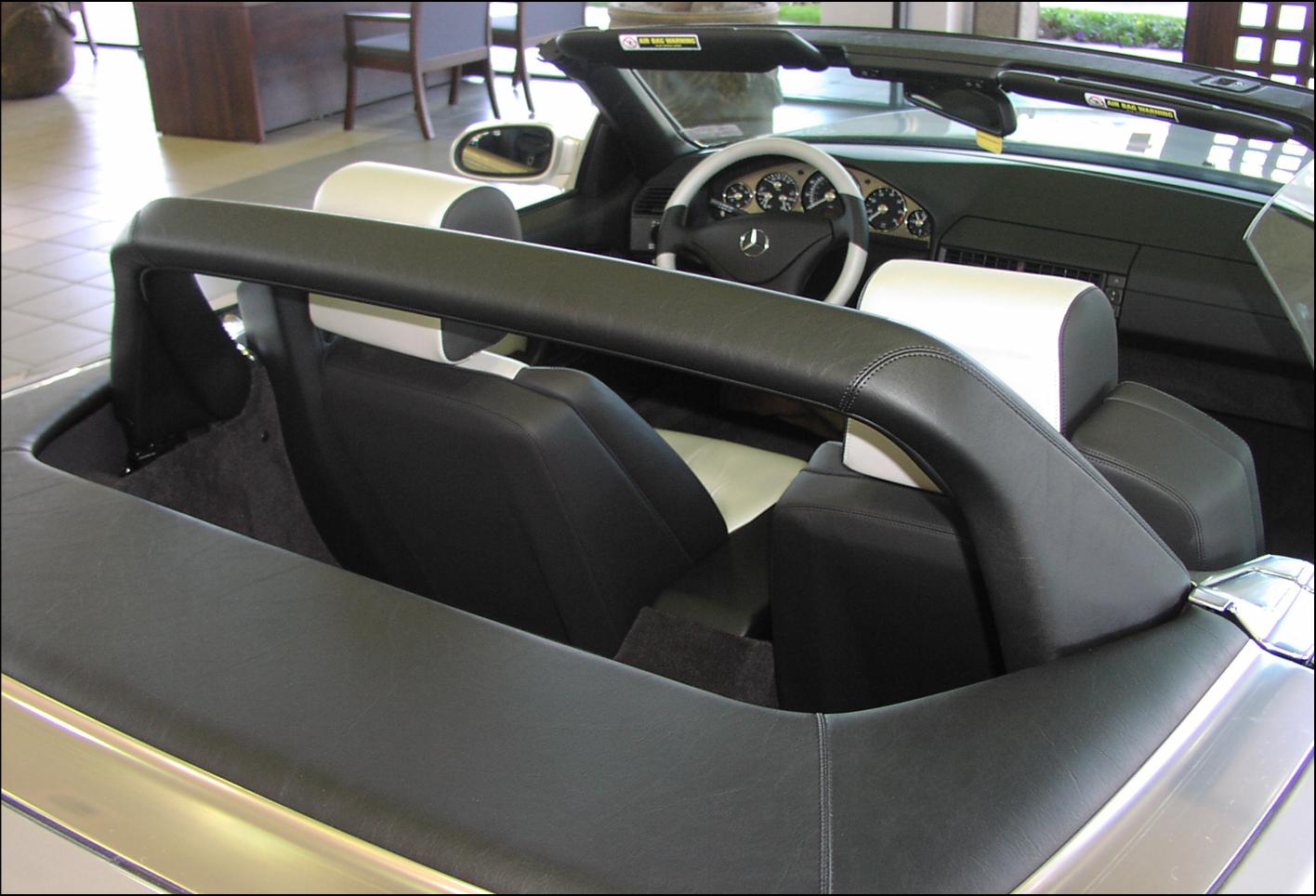
The allure of open-top driving is matched by the commitment to ensuring the utmost in passenger well-being. Today’s models have transformed dramatically, harmonizing sleek design with innovations that guard against impacts and rollovers, creating a safeguarded yet invigorating experience for all who embrace the wind.
The Engineering Behind the Open-Air Thrill
Active Rollover Protection Systems
The sensation of wind rushing past is the definitive charm of a drop-top vehicle. However, the absence of a fixed roof naturally raises questions regarding what happens if the vehicle were to overturn. in a standard sedan or coupe, the roof and its supporting pillars form a protective cage. Without this overhead structure, engineers have had to solve a complex puzzle: how to maintain a beautiful, unobstructed silhouette while guaranteeing a survival space for occupants during a rollover event.
The most significant answer to this engineering challenge lies in the evolution of rollover protection bars. Historically, roadsters featured fixed hoops—permanent, arched metal pipes behind the seats. while effective, they often disrupted the clean lines of the car, leading to complaints about aesthetics from design-conscious drivers. This led to the development of the modern active rollover protection system, a "pop-up" mechanism that remains completely hidden within the bodywork during normal driving.
The Critical Role of the A-Pillar
While the pop-up bars protect the rear of the cabin, the front is guarded by the windshield frame, technically known as the A-pillar. In a fixed-roof vehicle, the A-pillar is just one part of a larger support network. In a roadster, however, it must act as a primary load-bearing fortress. Modern open-top vehicles feature A-pillars that are significantly thicker and internally reinforced compared to their sedan counterparts.
Manufacturers utilize ultra-high-tensile steel tubes and multi-layered reinforcement sheets inside these pillars. The goal is to ensure that even if the entire weight of the vehicle is resting on the windshield frame, it will not collapse. This strength is vital because, during a rollover, the A-pillar and the rear roll bars work in tandem to create a "triangle of safety."
This geometric survival zone ensures that the occupants' heads remain below the line drawn between the top of the windshield and the top of the deployed roll bars. This triangulation effectively keeps the passengers suspended away from the ground, minimizing the risk of contact with the road surface. This visible component—the windshield frame—conceals a massive amount of engineering effort, acting not just as a wind deflector, but as a critical structural component that anchors the entire safety architecture of the vehicle.
| Feature Comparison | Standard Fixed-Roof Coupe | Modern Open-Top Vehicle |
|---|---|---|
| Rollover Protection | Relies on the roof structure and B/C pillars. | Utilizes reinforced A-pillars and active pop-up bars behind seats. |
| Cabin Enclosure | Fully enclosed steel cage. | "Virtual" cage created by triangulation of front and rear hard points. |
| Aesthetics | Structural pillars are always visible. | Safety bars remain hidden until an emergency is detected. |
| Activation Speed | Passive protection (always present). | Active deployment in milliseconds upon sensor trigger. |
Reimagining Structural Integrity Without a Roof
Reinforcing the Chassis from Below
When a roof is removed from a car's design, the vehicle loses a significant portion of its structural rigidity. A standard car is like a box; it resists twisting forces because all sides are connected. A drop-top is more like a shoe box without its lid—inherently more prone to flexing and twisting when cornering or hitting bumps. To combat this physical handicap, engineers must reimagine the chassis entirely, often designing specific platforms rather than simply chopping the top off an existing model.
The solution lies in the underbody. To compensate for the lack of overhead bracing, the floor pan and side sills (the area under the doors) are heavily reinforced. You will often find that convertibles are fitted with specific bracing structures, such as X-shaped or ladder-frame beams bolted to the undercarriage. These act as a spine, tying the front and rear subframes together to prevent the car from twisting.
Advances in metallurgy and bonding techniques allow these reinforcements to be incredibly strong without adding excessive weight. By using tailored blanks and structural adhesives, manufacturers can turn the "bathtub" of the car into a rigid foundation that rivals the stiffness of a closed coupe. This rigidity is not just for safety; it ensures that the suspension geometry remains accurate during hard cornering, providing the driver with confidence and precise feedback.
Specialized Airbag Technology
In a conventional vehicle, curtain airbags deploy from the roof liner to protect occupants' heads during a side impact. Obviously, this is impossible when the roof is retracted. Consequently, automotive safety engineers have had to develop unique airbag systems specifically for the open-air market.
The primary innovation here is the head-thorax airbag, often mounted within the seat bolster or the door panel itself. Unlike standard side airbags that primarily protect the ribs, these specialized bags are designed to inflate upwards, creating a tall cushion that covers the window area. This ensures that the occupant's head is cushioned from hard surfaces or intruding objects, even without a roof rail to mount a traditional curtain bag.
Intelligent Systems and Driver Assurance
Electronic Stability and Prevention
Beyond the physical steel and airbags, the first line of defense in any modern vehicle is avoiding the accident altogether. For convertibles, where the center of gravity and weight distribution can differ from coupes, electronic intervention systems are paramount. The integration of braking control and stability management has become standard, acting as an invisible hand that keeps the vehicle on its intended path.
Systems like Dynamic Stability Control (DSC) and advanced Anti-lock Braking Systems (ABS) are calibrated specifically for the unique dynamics of a roadster. If sensors detect that the car is beginning to slide or that a rollover is probable due to extreme lateral forces, the system can brake individual wheels and cut engine power instantly. This helps to bring the car back under control before the physical safety limits are reached.
Moreover, modern convertibles are equipped with a suite of preventative sensors, including blind-spot monitoring and rear cross-traffic alerts. Since visibility can sometimes be compromised when the roof is up (due to smaller rear windows or thick fabric pillars), these electronic eyes are essential. They provide a 360-degree shield of awareness, alerting the driver to hazards they might not see, and in many cases, autonomously applying the brakes if a collision is imminent. This fusion of active electronics and passive structural strength creates a comprehensive safety net.
| Safety System | Function in Open-Top Driving | Benefit to Occupant |
|---|---|---|
| Head-Thorax Airbags | Deploys upwards from seat/door to cover the window area. | Compensates for lack of roof-mounted curtain airbags; protects head in side impacts. |
| Rollover Sensors | Monitors tilt angle and wheel contact with ground. | Triggers pop-up bars before the vehicle actually overturns. |
| Reinforced Door Beams | High-strength steel bars inside door panels. | Prevents cabin intrusion during side impacts, maintaining the "survival cell." |
| Blind Spot Monitoring | Radar detection of adjacent lanes. | Mitigates reduced visibility when the convertible top is raised. |
Assessing Quality Through Driving Dynamics
One might not immediately associate the "feel" of a car with safety, but in the world of convertibles, the two are inextricably linked. The way a car drives—how it accelerates, turns, and stops—is a direct indicator of its structural quality. When evaluating a drop-top, a driver should look for signs of "scuttle shake," a phenomenon where the dashboard or windshield frame vibrates noticeably over bumps. A lack of shake indicates a highly rigid chassis, which in turn suggests superior crashworthiness.
If a convertible handles sharp corners without feeling "loose" and stops aggressively without the body shuddering, it is evidence that the underbody reinforcements are doing their job. A rigid chassis allows the suspension to absorb impacts rather than transferring that energy into the body structure. This control is vital for safety; a car that maintains its composure on rough roads allows the driver to maintain better control during emergency maneuvers.
Q&A
What are convertible safety features, and why are they important?
Convertible safety features are specialized design elements and technologies integrated into convertible vehicles to enhance occupant protection. These features are crucial due to the inherently different structural dynamics of convertibles compared to traditional hardtop cars. Key safety features include roll bars, reinforced chassis, advanced airbag systems, and superior crash ratings. These components work together to mitigate the risks associated with rollovers and collisions, ensuring that occupants have the same level of safety as in a closed vehicle.
How do roll bars contribute to the safety of convertibles?
Roll bars are a critical safety feature in convertibles that help protect occupants in the event of a rollover accident. They are typically installed behind the seats and are designed to prevent the vehicle's roof from collapsing during a rollover, thus preserving the occupant space. Modern convertibles often feature automatic roll bars that deploy when sensors detect a rollover is imminent, providing instantaneous protection without compromising the open-air experience.
In what ways does a reinforced chassis enhance the safety of a convertible?
A reinforced chassis in a convertible enhances safety by increasing the structural rigidity of the vehicle. Convertibles lack the fixed roof that contributes to a car's overall strength, making a reinforced chassis essential to compensate for this absence. This increased rigidity helps maintain the vehicle's integrity during impacts, reduces body flexing, and improves overall handling. As a result, a reinforced chassis contributes to better crash ratings and occupant protection.
Why are advanced airbag systems crucial in convertibles?
Advanced airbag systems are crucial in convertibles due to the unique challenges posed by the absence of a fixed roof. These systems often include side airbags that deploy upwards to provide head protection in side impacts and rollover scenarios. In addition, modern convertibles may be equipped with seatbelt pre-tensioners and knee airbags, all designed to offer comprehensive protection in various accident types, thereby enhancing occupant safety.
How do crash ratings affect the perception of convertible safety?
Crash ratings are assessments conducted by safety organizations to evaluate a vehicle's performance in various collision scenarios. For convertibles, high crash ratings are indicative of the effectiveness of safety features such as structural rigidity, roll bars, and airbag systems. These ratings significantly influence consumer perception by providing a reliable measure of a convertible's ability to protect occupants in the event of an accident, thereby aiding potential buyers in making informed decisions.