
As the automotive landscape shifts toward sustainable power, the classic allure of roof-down motoring is undergoing a radical transformation. High-performance electric architectures are redefining the sensory experience, promising silent yet thrilling drives that blend adrenaline with environmental responsibility. This evolution signals a fascinating new era for open-air enthusiasts.
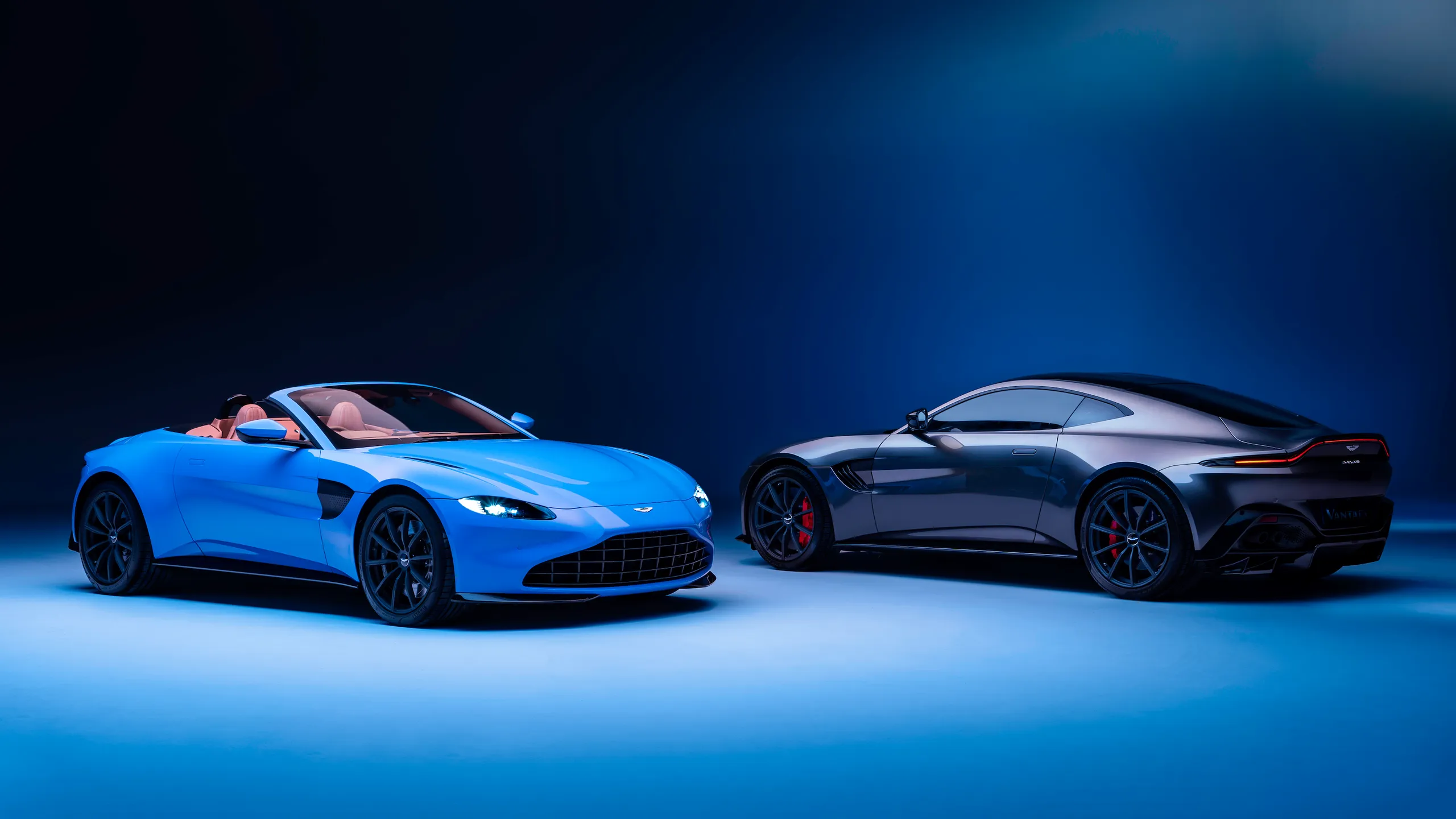
As the automotive landscape shifts toward sustainable power, the classic allure of roof-down motoring is undergoing a radical transformation. High-performance electric architectures are redefining the sensory experience, promising silent yet thrilling drives that blend adrenaline with environmental responsibility. This evolution signals a fascinating new era for open-air enthusiasts.
Redefining the Sensory Drive
The Symphony of Silence and Instant Torque
The most profound shift in the next generation of open-top vehicles lies in the complete reimaging of the auditory experience. For decades, the appeal of a roadster was inextricably linked to the mechanical crescendo of an internal combustion engine and the exhaust note echoing off canyon walls. However, the transition to electrified powertrains is replacing that mechanical roar with a new kind of luxury: silence. When the roof retracts in a battery-electric model, the driver is no longer isolated in a bubble of engine noise. Instead, the experience becomes immersive, allowing the sounds of the environment—the rushing wind, the call of birds, or the crashing waves along a coastal highway—to take center stage. This creates a "seamless connection" with the surroundings, making conversation easier and the drive more meditative.
Beyond the acoustic shift, the physical sensation of speed is being rewritten. Electric motors deliver maximum torque instantly, eliminating the lag associated with gear shifts and engine rev-building. For a convertible, which often suffers from increased weight due to structural reinforcements, this instant power delivery is transformative. The acceleration feels effortless, comparable to a "magic carpet" ride that surges forward linearly. This characteristic is particularly rewarding on winding B-roads or mountain passes, where the car responds to pedal inputs with telepathic immediacy. Furthermore, the placement of heavy battery packs low in the chassis dramatically lowers the center of gravity. This addresses a historical weakness of drop-tops—body roll and scuttle shake. The result is a vehicle that feels planted and stable, offering a level of confidence in corners that traditional combustion counterparts struggled to achieve without compromising ride quality.
Engineering the Air: Design and Materials
Battling Weight Through Material Innovation
The engineering challenges facing modern open-air vehicles are substantial, primarily revolving around the "weight spiral." Removing the roof of a car eliminates a crucial structural component, forcing engineers to add heavy steel reinforcements to the floor and sills to prevent the body from twisting. When combined with the inherent heaviness of battery packs in electrified models, the total mass can balloon, detrimental to both range and handling. Consequently, the future of this segment relies heavily on advanced material science. We are seeing a departure from traditional steel manufacturing toward a multi-material approach. High-tensile aluminum alloys, magnesium, and carbon fiber reinforced polymers (CFRP) are being strategically bonded together. This sophisticated mix allows manufacturers to maintain the necessary rigidity for safety and performance while shedding critical pounds.
Simultaneously, aerodynamics has graduated from a performance metric to an existential necessity. In an era where efficiency dictates driving range, the turbulent air created by an open cockpit is a significant liability. Designers are now sculpting vehicles that cut through the air with surgical precision, even with the top down. This involves smoothing out the underbody to reduce drag and designing complex airflow channels around the wheel arches. The aesthetic result is often a sleek, "kamm-tail" silhouette that looks futuristic but serves a strictly functional purpose. Moreover, active aerodynamics—such as deployable spoilers or air curtains—help manage airflow over the passenger cabin. This not only improves energy efficiency but also solves a common complaint: wind buffeting. By guiding the air stream smoothly over the occupants' heads, modern designs ensure that the cabin remains a calm zone, blending the romance of exposure to the elements with the comfort of a luxury sedan.
| Feature Category | Traditional Open-Top Approach | Next-Generation Design Philosophy |
|---|---|---|
| Powertrain Feedback | Defined by engine revs, exhaust notes, and gear shifts. | Defined by linear, instant torque and connection to natural surroundings. |
| Aerodynamics | Focused primarily on downforce and cooling high-output engines. | Focused on drag reduction to maximize range and minimize cabin turbulence. |
| Structural Integrity | Heavily reinforced steel chassis often leading to "scuttle shake." | Integrated battery packs and mixed-material bonding for superior rigidity. |
| Interior Layout | Cockpit focused solely on driver instrumentation and analog gauges. | Seamless digital integration with eco-friendly materials connecting in/out design. |
| Performance Metric | Top speed and horsepower figures. | 0-60 acceleration times and low center of gravity handling. |
The New Consumer Reality
Practicality Meets Passion in the Modern Market
The profile of the typical convertible buyer is shifting, and with it, the definition of what these cars must deliver. While the romantic notion of a weekend toy remains, there is an increasing demand for vehicles that can serve as daily drivers without compromise. Modern consumers in the US and UK are scrutinizing practical elements that were previously overlooked in this segment. Trunk space, often sacrificed for roof storage mechanisms, is now a critical deal-breaker. Buyers expect clever packaging solutions that allow for a weekend’s worth of luggage or golf clubs, even with the top down. Furthermore, the interior technology must match the price tag; seamless smartphone integration, high-visibility displays that remain legible in direct sunlight, and advanced driver-assistance systems (ADAS) are no longer optional luxuries but baseline expectations.
Interestingly, the market dynamics for these vehicles are creating unique opportunities for astute buyers. The segment is moving away from the "famine" mentality of sold-out allocations toward a more stabilized "buyer's market" in certain regions. Inventory levels for specific high-end models have normalized, allowing consumers to be more selective. This environment empowers buyers to negotiate better incentives, lease terms, or financing rates, effectively accessing higher trim levels for the same monthly outlay. Simultaneously, at the very top end of the market, the focus has shifted to extreme exclusivity and personalization. For the ultra-wealthy, the powertrain is secondary to the "art" of the vehicle. They seek bespoke commissions and sustainable luxury—interiors crafted from vegan leathers and recycled textiles that mirror the environmental ethos of the electric powertrain. This bifurcation of the market—between the tech-savvy practical user and the collector seeking rarity—is driving manufacturers to diversify their lineups more than ever before.
| Buyer Priority | Description of Shift |
|---|---|
| Usability | Shift from "weekend only" to "daily drive," demanding usable cargo space and rear seats. |
| Purchase Timing | Moving from waitlists to strategic buying of available inventory with incentives. |
| Tech Expectations | High demand for sun-readable screens and physical/digital hybrid controls. |
| Luxury Definition | Evolution from opulent leather/wood to sustainable, recycled, and vegan high-end materials. |
| Value Perception | Scrutiny on residual values and total cost of ownership rather than just MSRP. |
Q&A
What role does design innovation play in the future of convertible cars?
Design innovation is crucial in the evolution of convertible cars, as it addresses both aesthetic and functional aspects. Innovations may include retractable roofs that offer improved aerodynamics, smart glass technology for enhanced climate control, and sleek designs that reduce drag and improve fuel efficiency. Additionally, design advancements can also lead to increased comfort and safety features, making convertibles more appealing to consumers.
How are lightweight materials influencing the development of convertible cars?
Lightweight materials, such as carbon fiber and aluminum, are significantly impacting the development of convertible cars by reducing overall vehicle weight. This reduction contributes to improved fuel efficiency and performance, as lighter cars require less energy to operate. Furthermore, using advanced materials can enhance the structural integrity and safety of convertibles, which is essential given their open-top nature.
What impact do emissions regulations have on the convertible car market?
Emissions regulations are driving automakers to innovate and adapt by incorporating cleaner technologies in convertible cars. These regulations push manufacturers to focus on developing more efficient engines, hybrid systems, and fully electric powertrains to meet stricter environmental standards. As a result, the market sees a shift towards greener convertibles, aligning with global efforts to reduce carbon footprints.
How is electrification influencing the future of convertible cars?
Electrification is reshaping the convertible car market by introducing electric and hybrid models that combine performance with environmental benefits. Electric convertibles can offer instant torque and quieter operation, enhancing the driving experience. The shift towards electrification also encourages further innovation in battery technology and charging infrastructure, making electric convertibles more viable for everyday use.
What is the current market outlook and consumer interest in convertible cars?
The market outlook for convertible cars is evolving as consumer interest shifts towards sustainability and innovation. While traditional convertibles remain popular for their style and driving experience, there is growing interest in models that incorporate advanced technologies and eco-friendly features. Consumers are increasingly looking for vehicles that offer a balance of performance, style, and environmental responsibility, indicating a promising future for innovative convertible designs.