
Owning a vehicle with a retractable roof offers an unmatched blend of aesthetic appeal and driving freedom, yet it exposes the cabin and materials to unique environmental vulnerabilities. From intense solar radiation to sudden torrential rain, preserving these specialized fabrics requires foresight and a dedicated maintenance routine to ensure longevity.
Owning a vehicle with a retractable roof offers an unmatched blend of aesthetic appeal and driving freedom, yet it exposes the cabin and materials to unique environmental vulnerabilities. From intense solar radiation to sudden torrential rain, preserving these specialized fabrics requires foresight and a dedicated maintenance routine to ensure longevity.
Understanding Environmental Stressors
The Impact of Solar Radiation and Heat Cycles
The most persistent threat to any soft top vehicle is the sun. Unlike the clear coat and metal of a standard hardtop, the fabric or vinyl of a convertible roof is composed of organic bonds that are highly susceptible to ultraviolet (UV) radiation. Continuous exposure acts similarly to human skin damage; the UV rays penetrate the material, breaking down chemical bonds. Initially, this manifests as cosmetic fading—rich blacks turning to charcoal or beige shifting to chalky white. However, the damage goes deeper than pigment. Over time, the material loses its essential oils and plasticizers, leading to a loss of flexibility.
Compounding this issue is the physical stress caused by temperature fluctuations. Materials naturally expand in heat and contract in the cold. A soft top parked outdoors experiences this cycle daily, putting immense strain on the stitching and the glued seams that hold the structure together. In high summer temperatures, the fabric can stretch and sag, while the sudden cooling at night snaps it back tight. This constant movement can eventually cause seams to separate or the material to tear at stress points. To mitigate this, parking in the shade or using a UV-protective half-cover when parked for extended periods is crucial for reducing thermal stress.
| Environmental Factor | Visible Symptoms | Structural Consequence |
|---|---|---|
| UV Radiation | Fading color, chalky texture | Loss of flexibility, brittleness, cracking |
| Extreme Heat | Sagging fabric, sticky surface | Adhesive failure, seam separation |
| Freezing Cold | Stiffening, frosted surface | Window cracking, material tearing upon operation |
| Humidity | Green algae spots, musty smell | Rotting fibers, breakdown of waterproofing |
Moisture Intrusion and Cold Weather Risks
While the sun attacks the chemical structure, moisture attacks the physical integrity of the roof. Modern soft tops come with factory waterproofing, but this hydrophobic layer inevitably degrades. When water stops beading up and starts soaking into the fibers—a condition known as "wetting out"—the roof becomes heavy and stays damp for prolonged periods. This environment is a breeding ground for mildew, mold, and moss, particularly if the vehicle is parked in shaded, damp areas. These biological contaminants not only look unsightly but release enzymes that can digest organic fibers, leading to rot.
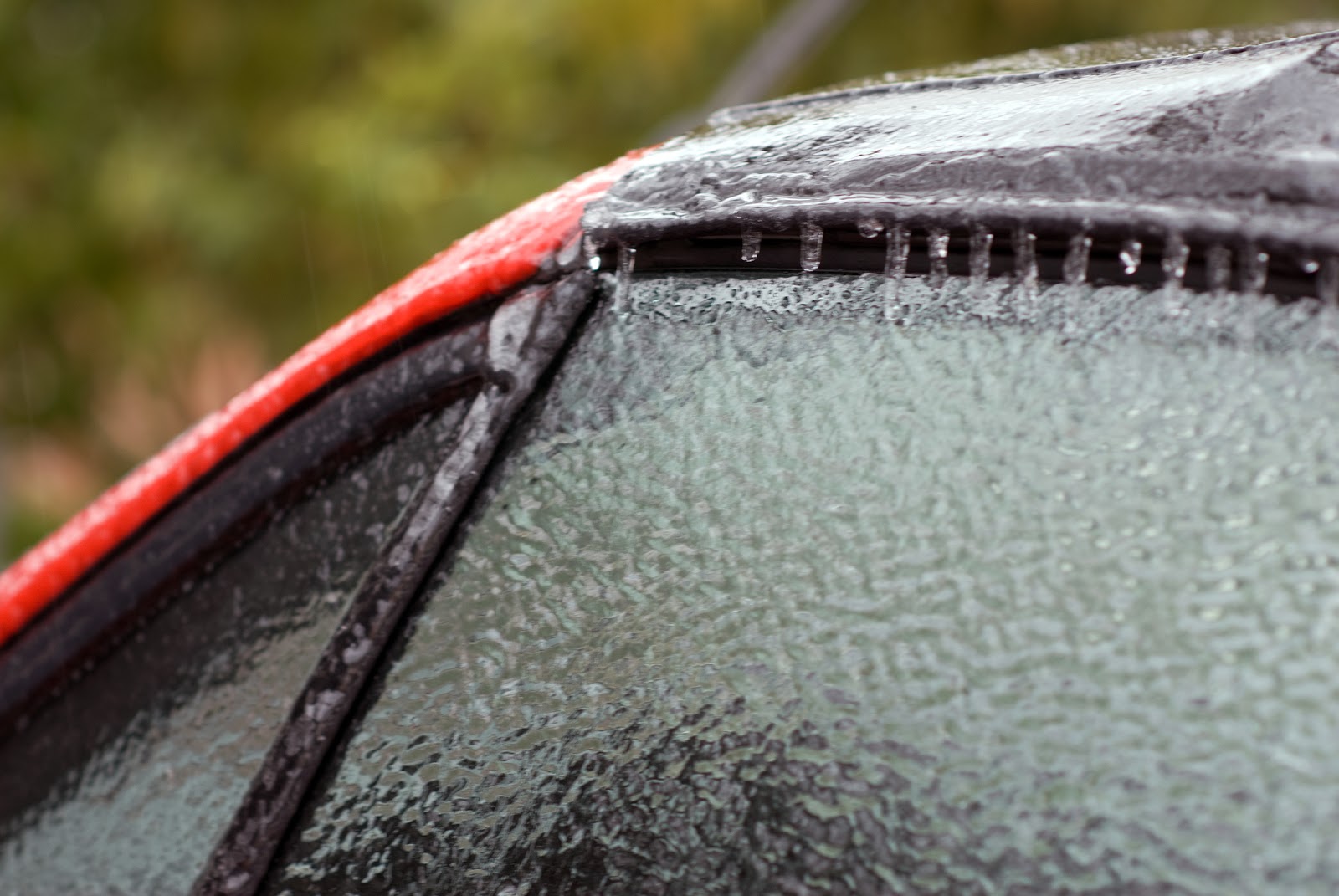
Winter introduces a different set of hazards. When temperatures drop near or below freezing, vinyl and canvas stiffen significantly. Attempting to lower the roof in these conditions is a recipe for disaster; the rigid material can snap or develop permanent crease lines, and plastic rear windows become brittle enough to shatter like glass. Furthermore, water trapped in the weave can freeze and expand, microscopically tearing the fibers from within. The golden rule for winter maintenance is to never operate the roof until the cabin is thoroughly warmed up and the material has regained its pliability.
Strategic Maintenance and Cleaning
Gentle Washing and Debris Removal
The abrasive nature of common road dust is an often-overlooked destroyer of soft tops. Fine particles of sand, soil, and industrial fallout settle deep into the weave of the fabric. When the roof is raised or lowered, these particles act like sandpaper, grinding against the fibers and causing premature wear. Therefore, maintenance should start with dry cleaning; using a vacuum with a soft brush attachment or gently brushing the roof to remove loose debris is essential before any water touches the car.
When washing is necessary, technique is everything. High-pressure washers should be avoided as they can force water through seals and damage the fabric's surface. Instead, use the "two-bucket method" with a dedicated soft-top cleaner. Regular car shampoos may contain gloss enhancers that are great for paint but can clog the porous weave of a convertible top. Agitate the surface gently with a horsehair brush or a specialized soft-top sponge to lift dirt without roughening the fibers. Crucially, the roof must be rinsed thoroughly. Any residual soap can act as a magnet for new dirt or react with sunlight to cause discoloration. Finally, never fold the roof while it is wet; trapping moisture in the storage compartment guarantees mildew growth and foul odors.
Selecting the Right Chemicals for Your Material
To effectively protect your vehicle, you must first identify whether your top is made of vinyl or fabric (canvas), as they require distinct chemical treatments. Vinyl tops resemble a grained plastic or leather texture and are generally non-porous. Fabric tops feel like a thick, woven cloth. Using the wrong product can be detrimental; for instance, a petroleum-based cleaner designed for vinyl might strip the waterproofing off a canvas top, while a canvas impregnator will simply sit on top of vinyl, creating a greasy mess that attracts dust.
For fabric tops, the goal is "impregnation." You need a waterproofing agent that soaks into the fibers to restore hydrophobicity, allowing water to bead off instantly. For vinyl tops, the focus is on surface protection—applying a UV-blocking dressing that keeps the material supple and prevents the plasticizers from evaporating. Beyond the fabric itself, attention must be paid to the rubber weather seals (weatherstripping) around the windows and header rail. These seals shrink and crack over time, leading to leaks. treating them regularly with a silicone-based rubber conditioner (gummi pflege) keeps them plump and watertight, ensuring the cabin stays dry regardless of the weather outside.
| Feature | Fabric (Canvas/Mohair) | Vinyl (PVC) |
|---|---|---|
| Texture Look | Woven texture, matte finish | Grained leather-look, slight sheen |
| Water Interaction | Absorbs water if untreated | Water sits on surface |
| Cleaning Needs | Gentle agitation to lift deep dirt | Surface wiping to remove grime |
| Protection Type | Impregnating spray (Waterproofer) | UV barrier dressing/conditioner |
| Common Issues | Mold, moss, fraying | Hardening, shrinking, cracking |
Q&A
How can I protect my soft top vehicle from rain damage?
To prevent rain damage to your soft top vehicle, ensure the roof is properly sealed and there are no leaks. Regularly apply a water-repellent product specifically designed for convertible tops. It's also important to park in a sheltered area during heavy rain to minimize exposure.
What are the best practices to prevent cold damage to my convertible roof?
To protect against cold damage, keep your soft top clean and free from debris that can freeze and cause abrasion. Use a conditioner or protectant designed for soft tops to maintain flexibility in cold temperatures. Avoid operating the convertible roof in freezing conditions to prevent mechanical stress.
How can I safeguard my vehicle’s soft top from heat damage?
To prevent heat damage, park your vehicle in shaded areas or use a car cover to reduce direct sunlight exposure. Regularly treat the soft top with UV protectant products to prevent fading and cracking. Ensure the interior temperature is regulated to avoid heat buildup under the roof.
What measures can be taken to protect against dust, dirt, and debris damage?
To shield your soft top from dust, dirt, and debris, frequently clean the roof with a soft brush or vacuum. Use a mild detergent and water to wash the top, ensuring all contaminants are removed. Applying a protective coating can also help reduce the accumulation of unwanted particles.
How do I maintain the cleanliness of my convertible roof effectively?
To keep your convertible roof clean, perform regular maintenance by washing it with a soft brush and a gentle cleaning solution. Avoid using harsh chemicals or high-pressure water, as these can damage the fabric. Consistently applying a protectant will help maintain the roof's appearance and longevity.