
In the American landscape, vehicles with retractable roofs find their charm intertwined with sun-drenched roads and leisurely weekend getaways. These automobiles embody a joyful spirit, adapting to diverse climates and evolving tastes, while their appeal remains a classic element of the automotive culture.
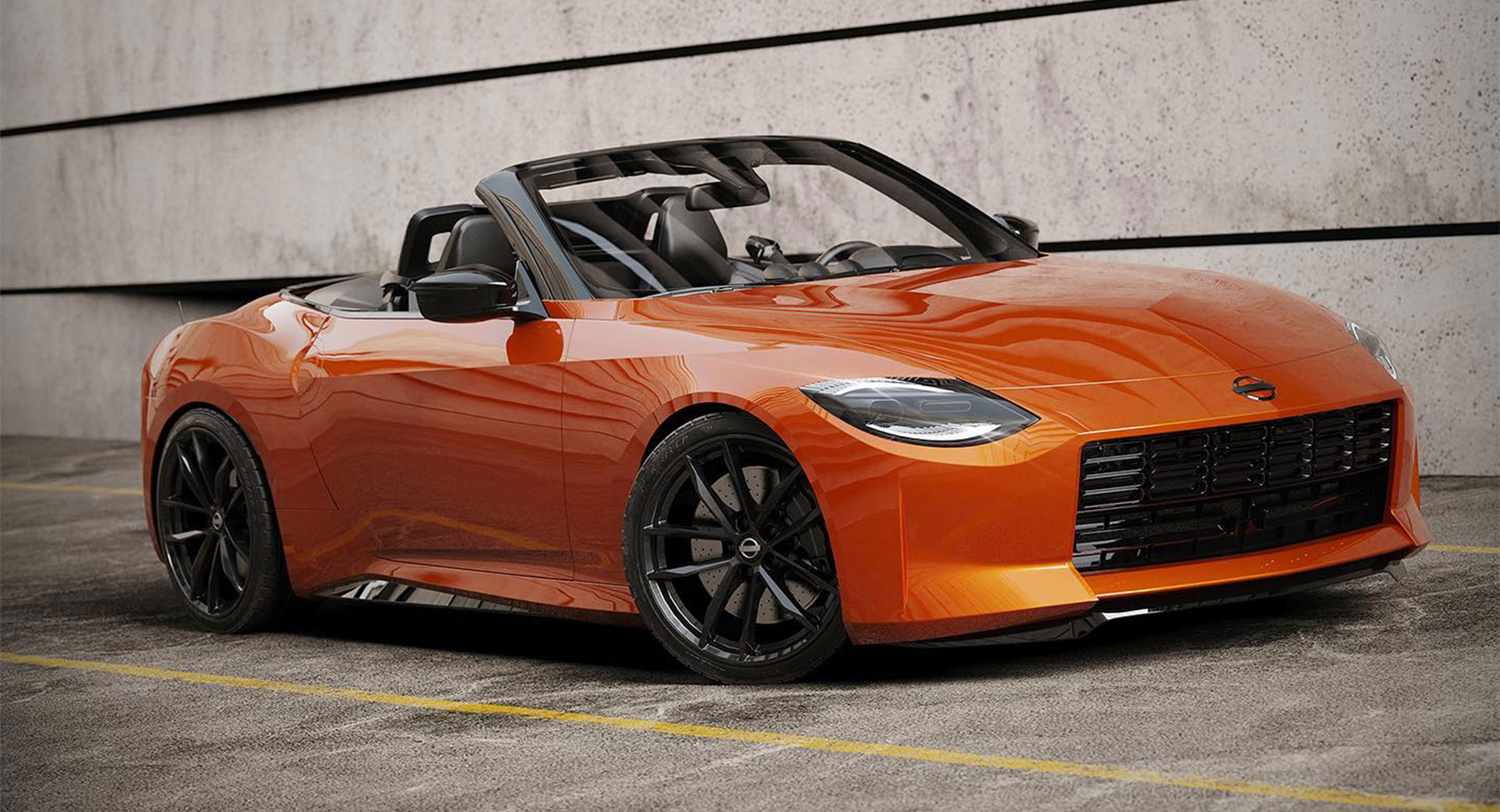
In the American landscape, vehicles with retractable roofs find their charm intertwined with sun-drenched roads and leisurely weekend getaways. These automobiles embody a joyful spirit, adapting to diverse climates and evolving tastes, while their appeal remains a classic element of the automotive culture.
Adapting to the Elements and Road Life
Beyond Fair-Weather Driving
When most people imagine a vehicle with a retractable roof, the immediate image is one of cruising down a coastal highway under the blazing summer sun. While this romanticized vision holds true, the reality of ownership in varied climates requires a machine that is far more versatile. In regions where winters linger or rain is frequent, the ability of these vehicles to transition from an open-air cruiser to a sealed, insulated sanctuary is paramount. Modern engineering has largely addressed these concerns, shifting the narrative from a "summer-only toy" to a legitimate year-round companion.
Contemporary market trends highlight a surge in models equipped with sophisticated climate adaptation features. Drivers no longer need to wait for a perfect seventy-degree day to lower the top. Features such as heated seats, steering wheels, and advanced neck-warming vents allow for comfortable open-air driving even when temperatures drop significantly. Furthermore, the integration of intelligent rain sensors that can automatically close the roof or adjust wiper speed ensures that sudden downpours are managed with minimal stress. This technological evolution extends to drivetrain capabilities as well; many open-top vehicles now feature all-wheel-drive systems, providing stability and traction on slick or snowy roads, effectively breaking the stigma that these cars must be garaged during the winter months.
The Fusion of Performance and Daily Utility
The era where owning a drop-top meant sacrificing all practicality for the sake of style is rapidly fading. Today’s drivers are demanding, and receiving, vehicles that strike a delicate balance between exhilarating freedom and functional utility. The cultural perception of these cars is shifting from purely status symbols to lifestyle enablers that fit into a modern, busy schedule. This shift is evident in how manufacturers are packaging these vehicles, ensuring they serve the driver on a grocery run just as well as they do on a cross-country tour.
Modern designs often retain the spirited acceleration and handling of traditional sports cars but now incorporate thoughtful spatial engineering. We are seeing more models that maintain usable rear seating and clever trunk configurations that remain accessible even when the roof is stowed. The cockpit experience has also been transformed, featuring responsive infotainment screens and climate control systems that adjust acoustics and airflow based on roof position. This duality—offering a "grand touring" experience that handles long distances with ease while providing the thrill of exposure to the elements—resonates with buyers who want to inject a sense of occasion into their daily commute without compromising on the necessities of modern travel.
Navigating Inventory and Purchasing Opportunities
A Buyer’s Advantage in a Niche Segment
Analyzing current showroom dynamics reveals a fascinating trend: while the broader automotive market often moves at a breakneck pace, the sector for open-air vehicles operates with a different rhythm. Data suggests that while family haulers and utility vehicles turnover rapidly, convertibles often remain in inventory for longer durations. This "days-on-market" discrepancy is not a sign of poor quality, but rather an indication of a shift toward a more deliberate, mature buyer base. These are not impulse purchases; they are emotional decisions made by enthusiasts who take their time.
For the savvy consumer, this stagnation in inventory presents a significant financial opportunity. Because dealerships are motivated to move units that have occupied floor space for extended periods, the potential for negotiation increases substantially. Unlike high-volume models where pricing is rigid, this segment often sees more flexibility regarding lease terms, financing rates, or direct price adjustments. By understanding that the demand is seasonal and niche, a prospective buyer can leverage the market conditions to secure a premium vehicle at a value proposition that would be impossible in more competitive segments.
| Feature Comparison | High-Volume Family SUVs | Open-Top Tourers |
|---|---|---|
| Inventory Turnover | Rapid; often sold before arrival | Slower; allows for browsing |
| Price Flexibility | Low; often sells at or above sticker | Moderate to High; dealer incentives common |
| Seasonal Demand | Constant year-round necessity | Fluctuates; buying in winter offers leverage |
| Purchase Motivation | Driven by immediate need and utility | Driven by lifestyle and emotional reward |
| Depreciation Curve | Linear and predictable | Variable; highly dependent on condition/season |
The Enduring Appeal of High-Performance Machines
Despite the shift toward efficiency and practicality in the general market, there remains a robust stronghold for high-end, performance-oriented open-top vehicles. This segment is characterized by a refusal to compromise on the visceral elements of driving. As manufacturers generally move toward smaller engines and electrification, the remaining models that offer large-displacement engines and aggressive exhaust notes are becoming instant classics. They offer a "moveable lounge" experience, combining raw power with interiors wrapped in the finest materials.
The target audience for these machines appreciates them as appreciating assets—not necessarily in monetary terms, but in experiential value. The combination of a powerful engine and the lack of a roof creates a sensory overload that no silent electric sedan can replicate. Whether navigating a mountain pass or cruising a boulevard, these vehicles provide a direct connection to the mechanics of motion. Even as the industry pivots, the market for these luxury cruisers remains resilient because they offer an escape from the mundane, serving as a celebration of engineering and personal success.
Weighing the Emotional Returns Against Daily Realities
The Sensory Connection to the Road
The primary argument for choosing a vehicle with a removable roof is almost entirely emotional and sensory. Removing the barrier between the driver and the outside world transforms a routine drive into an immersive event. The visual field expands vertically, allowing views of city skylines or tree canopies that are usually obscured by metal and headliners. Beyond sight, the auditory and olfactory experiences are amplified; the sound of the engine becomes a soundtrack, and the scents of the changing seasons—be it the crispness of autumn leaves or the salt of the ocean air—become part of the journey.
This connection creates a psychological shift, often associated with feelings of freedom and stress relief. In a culture that values mental well-being and "unplugging," driving an open car forces a certain level of presence. It is difficult to be disengaged when the wind is rushing past. This unique ability to turn a mundane transit activity into a moment of mindfulness and joy is the intangible value proposition that keeps this automotive category alive despite the practical drawbacks.
Maintenance and Spatial Compromises
However, embracing this lifestyle requires a willingness to accept specific compromises. The most immediate challenge is cargo capacity. The engineering required to store a folding roof often intrudes into the trunk, turning packing for a vacation into a game of spatial logic. Owners quickly learn to prefer soft duffel bags over hard-shell suitcases and to utilize rear seats for overflow storage. Furthermore, while acoustic engineering has improved, the cabin will never be as silent as a fixed-roof counterpart, requiring a tolerance for higher ambient noise levels during highway travel.
Ownership also entails a more rigorous maintenance schedule. The mechanical complexity of the roof mechanism requires periodic inspection to ensure seals remain watertight and motors function smoothly. For models with fabric tops, protection against UV rays and environmental contaminants is essential to prevent fading and deterioration. Security is another consideration; leaving the top down while parked invites risks that hardtop owners rarely consider. Successful ownership depends on a mindset that views these extra steps not as burdens, but as necessary rituals to preserve a special machine.
| Lifestyle Factor | Traditional Sedan/Coupe | Convertible/Open-Top |
|---|---|---|
| Cargo Strategy | "Throw and go" – ample, structured space | "Pack with purpose" – limited, irregular shape |
| Maintenance Focus | Standard mechanical upkeep | Additional care for hydraulics, seals, and fabric |
| Security Habits | Lock doors and walk away | Check roof status; avoid leaving valuables visible |
| Noise Tolerance | Studio-like isolation preferred | Acceptance of wind rush and road texture |
| Primary Reward | Efficiency, isolation, consistency | Engagement, exposure, exhilaration |
Q&A
How does weather influence the popularity of convertible cars in the US market?
Weather plays a significant role in the popularity of convertible cars in the US. Regions with milder climates and more sunny days, such as California and Florida, tend to have higher sales of convertibles. These areas provide more opportunities for drivers to enjoy open-top driving, making convertibles a more attractive option.
What are some consumer preferences when it comes to choosing convertible cars?
Consumers often prioritize style, performance, and brand reputation when selecting convertible cars. Many buyers are looking for vehicles that provide a sense of freedom and luxury, with sleek designs and powerful engines. Additionally, features like advanced safety systems and modern technology are increasingly important to convertible car consumers.
Which convertible car models are currently best-selling in the US market?
Some of the best-selling convertible models in the US include the Ford Mustang Convertible, Chevrolet Camaro Convertible, and the Mazda MX-5 Miata. These models are popular due to their combination of performance, affordability, and iconic status in the automotive world.
How do market trends affect the production and sales of convertible cars in the US?
Market trends such as the increasing demand for electric vehicles and SUVs have impacted convertible car production and sales. Manufacturers are adapting by offering hybrid or electric convertible models and focusing on niche markets where convertibles remain popular. Despite these challenges, the allure of convertibles as lifestyle vehicles ensures their continued presence in the market.
Why are convertible cars considered a lifestyle fit for some consumers?
Convertible cars are often seen as a lifestyle fit for those who value leisure, freedom, and an active outdoor lifestyle. The ability to drive with the top down is appealing to individuals seeking a more engaging and fun driving experience. This makes convertibles particularly attractive to consumers who live in areas with favorable weather and enjoy road trips or scenic drives.