
Britain holds a unique affection for roof-down motoring, defying its reputation for grey skies. Despite the unpredictable elements, the allure of connecting with the outdoors drives a passion for these versatile vehicles, blending practical engineering with the sheer joy of seizing every sunlit moment.
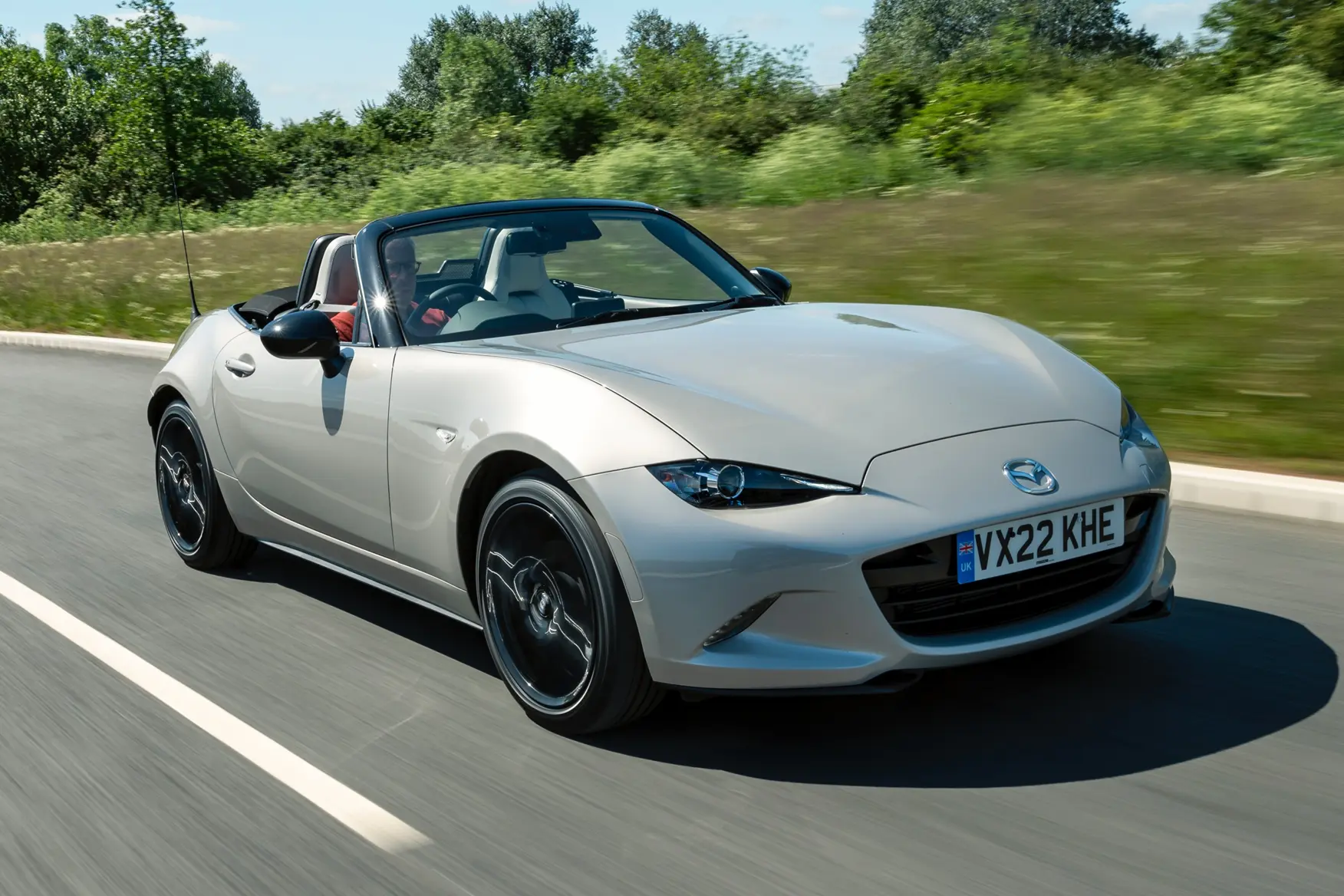
Britain holds a unique affection for roof-down motoring, defying its reputation for grey skies. Despite the unpredictable elements, the allure of connecting with the outdoors drives a passion for these versatile vehicles, blending practical engineering with the sheer joy of seizing every sunlit moment.
Embracing the Elements
Seizing the Grey Skies
It might seem paradoxical that a region known for rain and overcast days maintains such a robust market for open-top vehicles. However, it is precisely this scarcity of sunshine that drives the enthusiasm. In environments where clear blue skies are a treasured rarity, the psychological urge to maximize those fleeting moments is powerful. A drop-top vehicle serves as the ultimate tool for this "carpe diem" approach to weather; when the sun breaks through the clouds, even for twenty minutes, the ability to retract the roof allows the driver to fully immerse themselves in the light and warmth.
For residents in these variable climates, a car is often more than a mere utility for transportation. It transforms into a mobile sanctuary that facilitates a connection with nature. Rather than being sealed inside a metal box, the driver becomes part of the landscape. This sensory engagement—feeling the temperature change, smelling the countryside, or hearing the sounds of the coast—turns a mundane commute into a revitalising escape. The vehicle becomes a mechanism for mental well-being, offering a quick dose of serotonin whenever the weather permits.
The All-Season Appeal
The culture of open-air driving has evolved well beyond the warm summer months. There is a growing appreciation for the "crisp air" drive, where motoring enthusiasts venture out on bright but cold winter days. This style of driving relies on the concept of creating a warm cocoon within the cockpit while the cold air rushes overhead. It creates a unique sensation of invigoration, similar to sitting by a warm fire on a snowy day, which many drivers find deeply satisfying and stylish.
Modern automotive engineering has played a pivotal role in making this year-round habit possible. Contemporary vehicles are equipped with sophisticated aerodynamics that reduce wind buffeting within the cabin, alongside powerful heating systems. Features such as heated seats, heated steering wheels, and specialized neck-warming air vents allow occupants to remain comfortable even when the outside temperature drops significantly. This technological leap means the car is no longer just a seasonal toy; it provides a connection to the changing seasons, allowing owners to experience the transition from autumn leaves to spring blossoms firsthand, adding a layer of richness to the driving experience that a fixed-roof vehicle simply cannot match.
Mastering Urban Environments
Agility on Historic Streets
Navigating the urban landscape in a stylish roadster requires a blend of appreciation for aesthetics and practical adaptation. City centres, particularly in historic regions, often present a mix of charming architecture and challenging road surfaces. Drivers frequently encounter narrow lanes, cobblestones, and traffic calming measures that can test the composure of a sportier vehicle. Consequently, the choice of equipment becomes crucial; selecting a model with a suspension setup compliant enough to absorb urban imperfections, and tyres with an appropriate sidewall profile, can make the difference between a jarring ride and a sophisticated cruise.
Visibility is another critical factor in the city. When the roof is raised, rearward visibility can be compromised compared to a standard saloon. This makes modern driver-assist technologies indispensable for urban owners. High-resolution camera systems and proximity sensors act as extra sets of eyes, aiding in tight manoeuvres and ensuring safety when merging into traffic or navigating narrow parking structures. Furthermore, successful urban ownership involves a degree of route planning—knowing where height restrictions might interfere with an antenna or where streets are too narrow for wider sports models helps maintain a relaxed and confident driving style.
Security and Maintenance
Keeping a convertible in pristine condition within a bustling city requires specific etiquette and care routines. Parking choices, for instance, are far more critical than for standard vehicles. While parking under the shade of a large tree might seem appealing on a hot day, it poses significant risks for fabric roofs. Tree sap and bird droppings can be acidic, leading to rapid discoloration and deterioration of the soft-top material. Therefore, seasoned owners often opt for open spaces or covered garages, even if it means a slightly longer walk to their destination.
Security is also a heightened concern in urban areas. When leaving the vehicle, even for a short errand, closing the roof is a non-negotiable rule for most owners. This is not just to prevent theft, but to protect the interior from sudden downpours or windblown urban dust. Regular maintenance goes beyond mechanical checks; waterproofing the fabric roof and lubricating the folding mechanism are essential tasks. These small acts of preservation ensure that the complex roof systems remain operational and water-tight, protecting the vehicle's long-term value and ensuring that the interior remains a sanctuary rather than a damp inconvenience.
| Maintenance Aspect | Standard Vehicle | Convertible Vehicle |
|---|---|---|
| Parking Strategy | Focus on convenience and space size. | Avoids trees/sap; prioritises covered security or surveillance. |
| Cleaning Routine | Standard wash and wax. | Requires specialized fabric cleaners, waterproofing agents, and drain hole clearing. |
| Interior Care | Occasional vacuuming and dusting. | Frequent dust removal; leather conditioning to prevent sun damage from direct exposure. |
| Security Habits | Lock doors; close windows. | Always close roof when parked; avoid leaving valuables visible even with roof up. |
The Economics of Ownership
Assessing Insurance Premiums
When considering the transition to open-top motoring, potential buyers must navigate the financial implications, particularly regarding insurance. It is a reality of the market that premiums for these vehicles often sit higher than their fixed-roof counterparts. The primary driver of this cost difference lies in the specialized architecture of the vehicle. The roof mechanism—whether a complex folding metal structure or a multi-layered fabric system—is an intricate piece of engineering. In the event of a collision or mechanical failure, the cost of parts and the specialized labour required for repairs can be substantial.
Mitigating Financial Risks
The environment in which the car sleeps plays a massive role in determining running costs. Insurers weigh the "garaging" factor heavily for convertibles. A vehicle parked on a public street is statistically more exposed to opportunistic crime and weather damage than one secured in a locked garage or a gated driveway. Owners who can prove they have secure off-street parking often benefit from significantly reduced premiums, as the risk of theft and vandalism drops intendedly.
Evolving Driver Demographics
From Empty Nesters to Digital Natives
The profile of the typical buyer has shifted and expanded significantly in recent years. Traditionally, the market was sustained by the "empty nester" demographic—parents whose children had left home, finally possessing the disposable income and freedom to trade the practical family SUV for the car they always wanted. For this group, the purchase is often a reward for years of hard work, a vessel for weekend getaways and reclaiming a sense of romance and leisure. They value comfort, build quality, and the ability to tour the countryside in style.
However, a younger generation is increasingly making its presence felt. For drivers in their 20s and 30s, the appeal lies less in status and more in "experience." Growing up in a digital-first world, this demographic values unique moments that can be shared and remembered. A convertible offers a highly "Instagrammable" lifestyle, turning a mundane drive into an event. They are drawn to the aesthetic and the sensory engagement of the drive. It’s not just about owning a car; it's about the wind-in-the-hair vibe and the ability to disconnect from the digital world and reconnect with the physical environment, even if just for a short drive through the city at night.
A Broadening Appeal
The outdated stereotype of the convertible as purely a "sports car for men" has largely evaporated. The market now sees a balanced interest across genders, driven by manufacturers focusing on design elegance, interior luxury, and customizable options that appeal to diverse tastes. The emphasis has shifted from raw horsepower to sophisticated lifestyle compatibility.
Moreover, the technological democratization of comfort features means that one does not need to be a "hardcore" enthusiast to enjoy these cars. The elimination of the "suffering for style" aspect—thanks to better heaters and wind deflectors—means that practical-minded buyers who live in cooler climates are no longer alienated. The car has morphed from a weekend toy into a viable daily driver for a wide spectrum of people, regardless of age or gender, who simply want to add a layer of enjoyment to their everyday mobility.
| Buyer Segment | Primary Motivation | Key Feature Priorities |
|---|---|---|
| Post-Family (Empty Nesters) | Self-reward, leisure touring, reclaiming freedom. | Ride comfort, luggage capacity for weekends, premium brand prestige, heated seats. |
| Experience Seekers (Younger) | Lifestyle expression, social sharing, sensory experience. | Visual design/aesthetics, smartphone integration, affordability/running costs, audio system. |
| Performance Enthusiasts | Driving dynamics, handling, engine sound. | Engine power, suspension tuning, manual transmission options, structural rigidity. |
Q&A
What are the key climate considerations for convertible cars in the UK market?
Convertible cars in the UK market must contend with a variable climate, which includes frequent rain and cooler temperatures. Buyers often consider the effectiveness of the vehicle's roof mechanism, insulation for warmth, and waterproofing. Additionally, the durability of materials against UV exposure during rare sunny days is also important for long-term use.
How do insurance costs for convertible cars compare to other vehicle types in the UK?
Insurance costs for convertible cars in the UK can be higher than for standard vehicles. This is due to several factors, including the typically higher value of convertibles, increased risk of theft or vandalism due to the soft top, and potentially higher repair costs. However, specific rates can vary widely based on the driver's profile and the car model.
What are the popular segments of convertible cars in the UK market?
In the UK, popular segments of convertible cars include luxury models, which offer high performance and advanced features, and more affordable compact convertibles that appeal to younger buyers or those seeking a stylish city car. Brands like BMW, Audi, and Mazda are well-represented across these segments, each catering to different buyer preferences.
How does urban driving impact the demand for convertible cars in the UK?
Urban driving conditions, such as heavy traffic and limited parking space, influence the demand for convertible cars. In cities, smaller, more maneuverable convertibles are favored for their ease of navigation and parking. Additionally, the ability to enjoy open-top driving in scenic cityscapes can be an appealing factor for urban dwellers.
What are the main demographics of buyers interested in convertible cars in the UK market?
The demographics of convertible car buyers in the UK typically include middle-aged professionals and retirees who have the disposable income to afford these vehicles. There is also a segment of younger buyers, particularly in urban areas, who are drawn to the lifestyle and aesthetic appeal of convertibles. These demographics reflect a blend of practicality and desire for leisure driving experiences.