
Embracing the allure of open-air travel, these sleek vehicles weave through cityscapes, balancing elegance with urban realities. Their design brings an effortless blend of style and capability, navigating tight spaces gracefully while promising a pleasurable ride on both bustling streets and scenic routes.
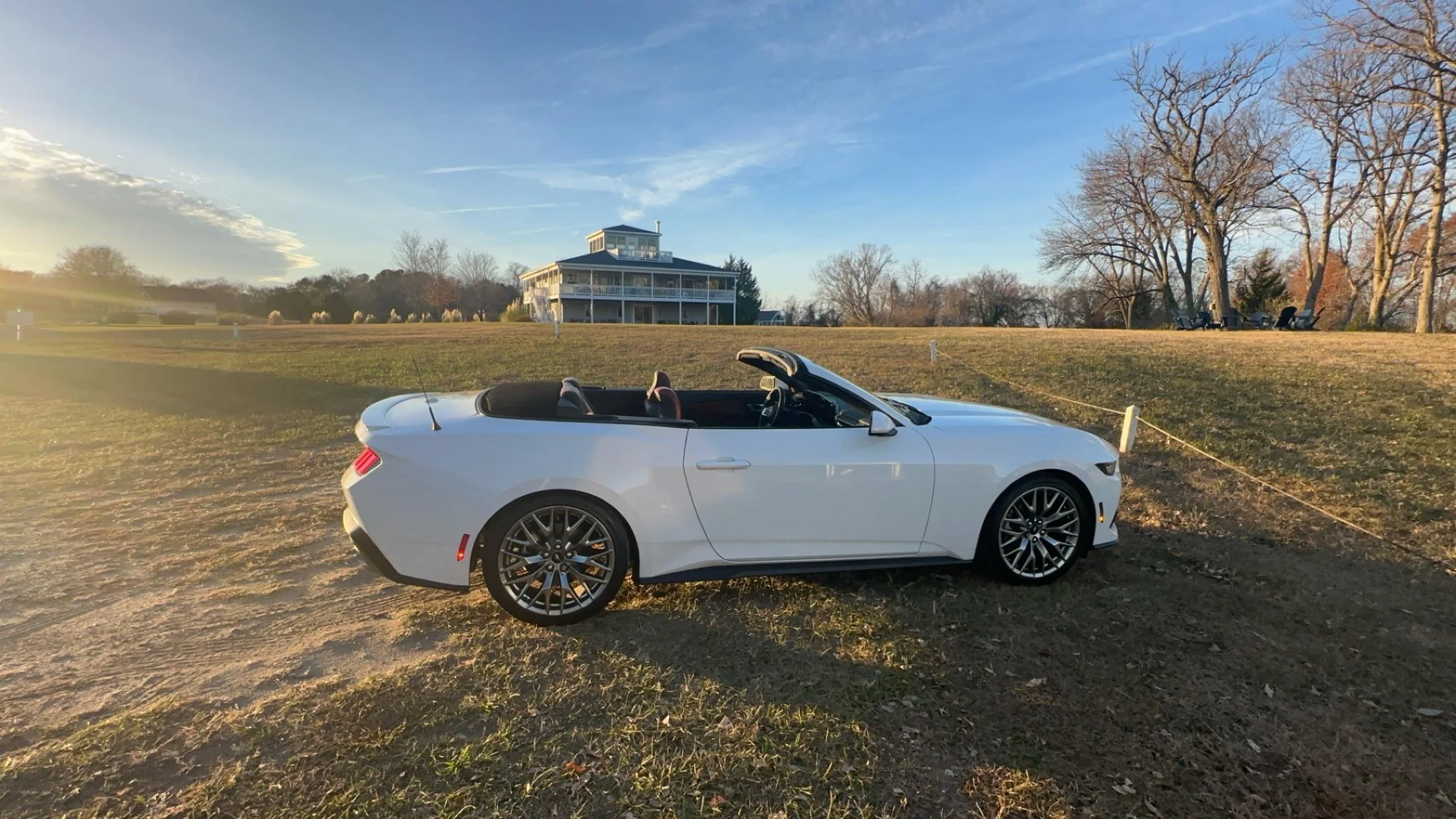
Embracing the allure of open-air travel, these sleek vehicles weave through cityscapes, balancing elegance with urban realities. Their design brings an effortless blend of style and capability, navigating tight spaces gracefully while promising a pleasurable ride on both bustling streets and scenic routes.
The Reality of the Morning Commute
Assessing Cabin Serenity and Ride Quality
When considering a vehicle with a retractable roof for everyday transportation, the primary concern for most drivers revolves around the sensory experience inside the cabin. Historically, removing the structural rigidity of a fixed roof meant compromising on sound insulation and ride smoothness. However, modern engineering has largely bridged this gap. In a bustling metropolitan environment, the acoustic separation between the driver and the chaotic city sounds is paramount. Manufacturers now utilize multi-layered fabric tops or complex folding metal roofs designed to mimic the insulation properties of a standard sedan.
For the daily commuter, this means that highway speeds or noisy intersections do not necessarily result in a cacophony of wind roar and traffic din. When the roof is secured, the interior environment can remain surprisingly hushed, allowing for clear conversations or the enjoyment of high-fidelity audio systems without interference. Yet, it is important to acknowledge that some ambient noise is inevitable compared to a fixed-roof counterpart. The suspension tuning also plays a critical role. To compensate for the loss of the roof structure, the chassis is often reinforced, which adds weight and can sometimes result in a stiffer ride. This ensures the car handles well around corners but may transmit more vibrations from potholes or uneven pavement commonly found in city centers. The balance between a sporty, responsive drive and the plush comfort required for a forty-minute traffic jam is a nuance that defines the usability of these vehicles in a routine context.
Managing Consumption in Stop-and-Go Traffic
Efficiency is a significant factor for anyone navigating urban gridlock on a regular basis. The romantic image of driving into the sunset often overlooks the mechanical reality of stop-and-go traffic. Vehicles designed for open-air enjoyment often carry a hidden weight penalty. The mechanisms required to raise and lower the roof—whether hydraulic pumps, electric motors, or heavy folding glass panels—add significant mass to the vehicle. Furthermore, the necessary structural bracing added to the floor and pillars to prevent chassis flex further increases the curb weight.
This additional mass requires more energy to accelerate, which can impact fuel consumption figures during city driving where frequent stops are the norm. While highway cruising might yield respectable efficiency due to aerodynamic refinements, the urban cycle is where the difference becomes noticeable. Drivers prioritizing economy must weigh the joy of sun-filled drives against the frequency of visits to the fuel pump. It is also worth noting that driving with the roof down disrupts the aerodynamic profile of the car, creating drag that forces the engine to work harder at higher speeds. Therefore, the decision to lower the top is not just an aesthetic choice but one that marginally influences the vehicle's range and efficiency, a practical consideration for the budget-conscious commuter.
| Feature | Solid Roof Coupe | Retractable Roof Vehicle |
|---|---|---|
| Cabin Acoustics | Superior isolation from wind and road noise across all speeds. | Variable; quiet with hard-tops, potential wind hiss with soft-tops. |
| Structural Integrity | Naturally rigid, often lighter, allowing for softer suspension tuning. | Reinforced chassis adds weight; suspension may be stiffer to compensate. |
| Temperature Control | consistently maintains climate with less energy output. | Requires more aggressive climate settings to combat heat loss/gain. |
| Blind Spots | Generally better visibility with thinner pillars. | Thicker rear pillars (C-pillars) often create larger blind spots when the roof is up. |
Spatial Realities in Urban Environments
The Squeeze on Storage Solutions
Perhaps the most significant compromise when integrating this class of vehicle into a daily routine involves cargo capacity. The engineering required to stow a roof seamlessly into the bodywork invariably cannibalizes trunk space. For the urban dweller, this presents a unique puzzle during weekly errands. When the roof is in the closed position, the trunk often offers a reasonable amount of volume, sufficient for typical grocery runs or a couple of gym bags. However, the transformative nature of the vehicle changes the equation the moment the sun comes out.
To lower the top, a safety partition usually must be deployed within the trunk, effectively halving the available vertical space. This limitation requires a shift in how one plans their day. Large suitcases, bulk-buy items, or rigid boxes may simply not fit when the weather is nice. The rear seats, if present, often become the de facto secondary storage area, acting as a shelf for jackets, briefcases, or items that the trunk can no longer accommodate. This spatial tetris is manageable for singles or couples but requires strategic foresight. It turns the vehicle into a lifestyle choice where minimalism is not just a preference but a requirement. The practicality of the vehicle fluctuates based on the weather; on a rainy day, you have a functional trunk, but on a sunny day, your cargo capacity is sacrificed for the experience of the drive.
Mastering the Art of Tight Spots
Despite the storage limitations, there is a distinct advantage to these vehicles in the context of urban maneuverability. Many open-top cars are built on compact platforms, emphasizing agility and a small footprint. In dense city centers where street parking is a competitive sport, the reduced length and width can be a significant asset. Fitting into tight parallel parking spaces or navigating narrow, one-way alleys becomes less stressful compared to piloting large SUVs or lengthy sedans. The shorter wheelbase often results in a tighter turning radius, allowing for easier U-turns and nimble lane changes in congested traffic.
However, visibility remains a double-edged sword. With the roof down, the driver enjoys unparalleled 360-degree visibility, eliminating blind spots completely and making reversing effortless. Conversely, when the roof is up—which is likely during the work week or bad weather—the rear visibility can be severely compromised. The canvas or metal structure often creates thick rear pillars, and the rear window is typically smaller than that of a standard car. This "tunnel vision" necessitates a heavy reliance on side mirrors and modern driver-assist technologies like blind-spot monitoring and rearview cameras. For the daily driver, this means adapting to two distinct driving environments: the open, unrestricted view of fair-weather days and the cocoon-like, slightly restricted view of the rainy commute.
| Lifestyle Factor | Ideal Candidate Profile | Less Suitable Profile |
|---|---|---|
| Passenger Needs | Solo drivers or couples who rarely transport others. | Families or drivers who frequently carpool with adults. |
| Cargo Routine | Minimalists carrying gym bags, laptops, or light groceries. | Musicians with instruments, parents with strollers, or bulk shoppers. |
| Parking Environment | Secure garages or tight city street spots. | High-crime areas (soft-tops are vulnerable) or areas with extreme tree sap/bird activity. |
| Climate Tolerance | Enjoys fresh air; tolerates temperature fluctuations. | Prefers a strictly controlled, hermetically sealed cabin environment. |
Durability of Soft Tops vs. Hard Tops
When selecting a vehicle for year-round usage, the material of the roof itself becomes a long-term maintenance consideration. The debate between fabric soft tops and folding metal hard tops is centered on durability and security. Soft tops have evolved significantly; modern fabrics are multi-layered, resistant to UV rays, and capable of withstanding heavy downpours without leaking. They are lighter and consume less trunk space when folded. However, in an urban setting, they present a vulnerability. They are more susceptible to vandalism and can absorb city grime, requiring specialized cleaning agents to prevent mold or discoloration over time.
Hard tops, on the other hand, offer the security and weather resilience of a coupe. They are impervious to knives, easier to run through automatic car washes, and generally age better visually in harsh climates. The trade-off is mechanical complexity. A folding hard top involves intricate linkages, sensors, and motors. If a sensor fails or a mechanism jams, repairs can be costly and specialized. Furthermore, the seals between the roof panels must be meticulously maintained to prevent water ingress as the rubber ages. For the daily driver, the choice depends on where the car spends its nights. A garaged car can easily sport a soft top, while a car parked on the street might benefit from the added armor of a metal roof.
Q&A
What makes convertible cars suitable for daily driving in urban areas?
Convertible cars are often praised for their stylish appeal and the exhilarating driving experience they offer, especially in urban environments where lower speeds and scenic routes are common. Their compact size makes parking easier in tight urban spaces, enhancing their practicality for city dwellers. However, it's important to consider the trade-off between style and some functional aspects, such as cargo space limits.
How does the commuting comfort of convertible cars compare to regular sedans?
While convertibles can offer a more engaging driving experience, they might not match the ride comfort of a traditional sedan. Factors such as noise insulation, ride smoothness, and climate control can differ. Convertibles often have less insulation due to their retractable roofs, which might affect comfort during long commutes or in varying weather conditions.
What are the limitations of cargo space in convertible cars, and how can they impact daily use?
Convertible cars typically have less cargo space due to their design constraints, like the need to accommodate a retractable roof mechanism. This can limit their utility for carrying larger items or multiple pieces of luggage. For daily use, this means owners may need to plan around these limitations, perhaps relying on creative storage solutions or additional cargo carriers when necessary.
How does fuel efficiency in convertible cars compare to other types of vehicles, and what should potential buyers consider?
Fuel efficiency in convertible cars can vary widely depending on the model and engine type. Generally, they may not be as fuel-efficient as smaller, more aerodynamically designed vehicles like sedans or hatchbacks. Potential buyers should consider their typical driving conditions and the importance of fuel economy in their purchasing decision, as this can impact the overall cost of ownership.
What practical considerations should be taken into account when using a convertible car in urban settings?
In urban settings, practical considerations for convertible cars include parking convenience, maneuverability in traffic, and exposure to weather conditions. The ability to easily park and navigate through congested streets is a significant advantage. However, drivers should also be prepared for the challenges posed by weather changes, ensuring their convertible top is in good working condition to quickly adapt to rain or temperature shifts.